In 1988, I graduated from law school $80,000 in debt and wanted nothing more than to work in civil rights. Instead, the math pulled me toward the private sector. It took years of payments and strategic spending before I could afford to do the work I actually wanted to do.
That choice — dream job or debt-free — is one I made nearly four decades ago. Today, it’s even harder, and the federal government is making it more difficult.
One in five student loan borrowers are in default — a record-breaking 9.5 million people who are nine or more months behind on payments, up from 5.3 million just a year ago. At the same time, the Trump administration has eliminated the SAVE repayment plan and continues to fight for sweeping changes to Public Service Loan Forgiveness, the program that has helped thousands eventually afford the work they’re called to do.
Each move jeopardizes America’s ability to build and sustain the public service workforce our communities depend on. Preserving a stable, predictable PSLF program is essential to that mission.
PSLF is one of the federal government’s primary tools for recruiting and retaining public servants. By making careers in teaching, nursing, public safety and public interest law financially viable, PSLF ensures those seeking to give back to their communities through public service may do so without the rising cost of higher education getting in the way.
In the legal field, I see the repercussions of this situation play out daily. Families facing eviction, people navigating immigration proceedings, survivors seeking protection, and countless others are often left to navigate complex legal systems on their own simply because they cannot afford legal representation.
The result is a justice gap that leaves millions without meaningful legal assistance. According to the Legal Services Corporation’s latest Justice Gap Report, 92% of the civil legal problems experienced by low-income Americans receive inadequate or no legal help. In 27 states, there are fewer than one civil legal aid attorney for every 10,000 people living below 200% of the federal poverty level, leaving far too few lawyers to meet overwhelming demand. Legal aid organizations from California to Maryland struggle to recruit and retain attorneys, largely because public service salaries cannot compete with the private sector.
Public interest attorneys help close this gap. They educate people about their rights, resolve legal problems before they become life-altering crises, and ensure that legal help is not contingent upon zip code or connections. But when careers in public interest law become less financially sustainable – or less financially predictable – recruiting the attorneys communities desperately need becomes even harder.
Public interest attorneys routinely graduate with more than $150,000 in student loan debt while entering careers where median starting salaries are less than one-third of that amount. They are just one example of a broader student debt crisis. Four years of undergraduate education averages $35,210 in federal loans per borrower – and more than 1 million Americans are carrying $200,000 or more in student loan debt.
Without workable repayment options, many young lawyers who are in situations like mine will forgo such service because they simply cannot afford to do the work.
When fewer attorneys can afford to choose public service, fewer people get the legal help they need, reinforcing the belief that our legal system is unfair and justice is out of reach. In a recent survey, nearly 80% of respondents reported mistrust of the legal system, with fully 61% believing a person’s income affects whether courts provide fair outcomes. Our nation needs more justice, not less.
PSLF gives aspiring public servants confidence that the government values their commitment to filling community needs and will offer concrete assistance to support their vital occupations. This principle extends far beyond the legal profession. The PSLF program helps communities recruit teachers who educate our children, nurses who care for patients, social workers who protect vulnerable families and countless other professionals who choose service over higher-paying private-sector careers.
These professions differ in their missions, but reflect a common reality: public service often requires choosing purpose over higher pay. That choice is only possible when people can trust that the commitments supporting those careers will remain reliable.
As policymakers consider the future of student loan repayment and civil legal aid funding, they should remember that policy decisions today will shape who chooses public service tomorrow. Protecting the Public Service Loan Forgiveness program is essential to ensuring America can continue recruiting and retaining the public servants our communities depend on.
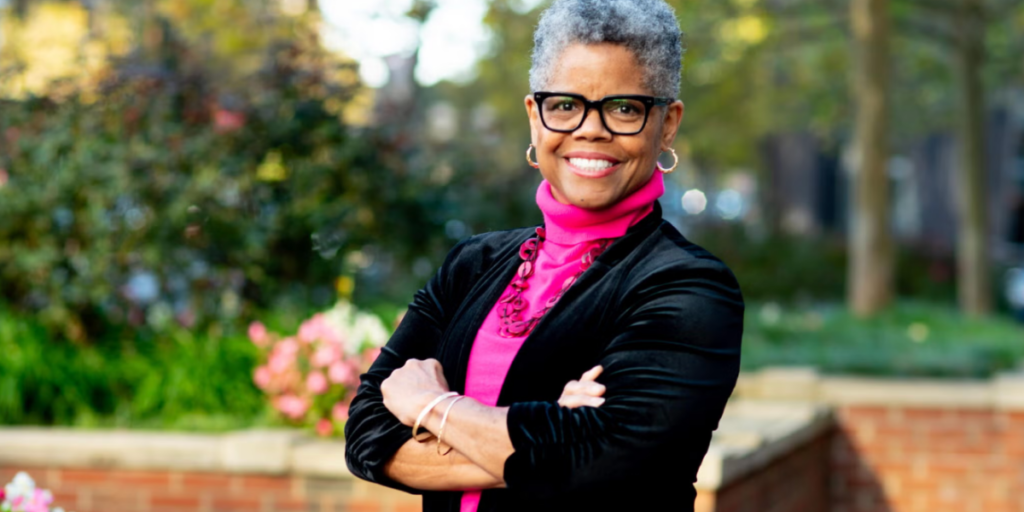
Verna L. Williams is the CEO of Equal Justice Works, which works to mobilize the next generation of public-interest lawyers.
The opinions expressed in Fortune.com commentary pieces are solely the views of their authors and do not necessarily reflect the opinions and beliefs of Fortune.
The post My $80,000 in student debt changed the next 10 years of my life — and that was in 1988. Imagine what it’s like now appeared first on Fortune.