Look up!
The end of July is soaked in the celestial with two meteor showers lighting up the sky.
Both the Southern Delta Aquariids and the Alpha Capricornids are set to peak, back to back, from July 28 to 31.
A meteor shower occurs when the Earth’s orbit intersects with the cloud of debris left by an asteroid or comet.

When we collide with that cloud, these glorious remnants, AKA space trash, burn and fall due to the conditions of atmospheric entry. Their immolation creates the glowing trails and fireballs that call the eye up and the mind to awe.
First to show up and show out this month are the Southern Delta Aquariids.
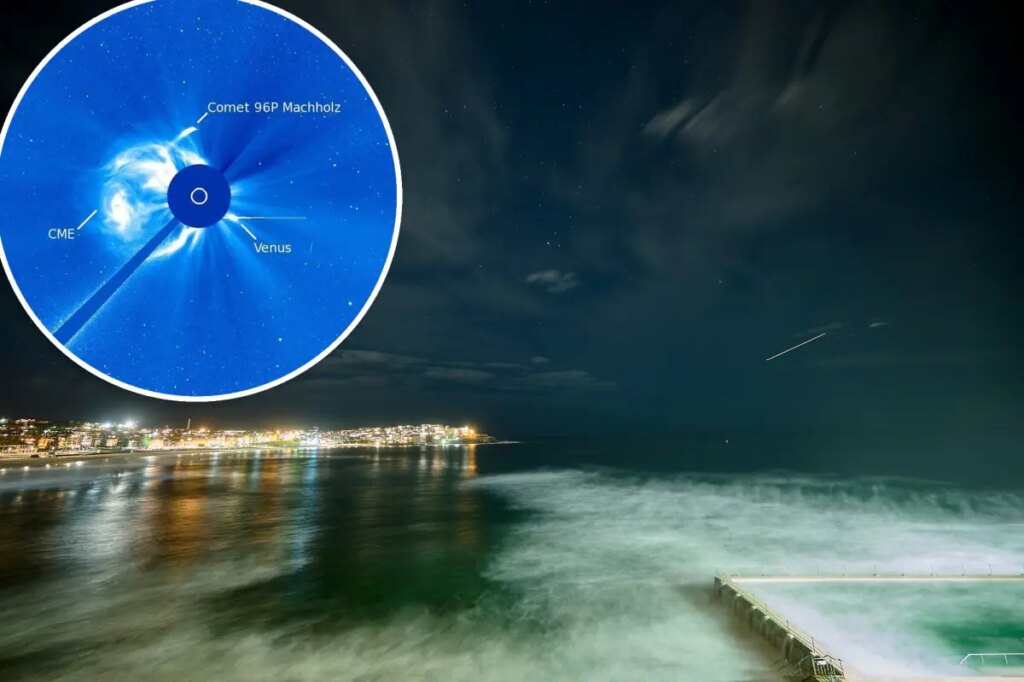
Active for around six weeks, from mid-July to late August, the Southern Delta Aquariids are born to burn from the short-period comet 96P/Macholz, which orbits the Sun once every 5.27 years.
The radiant point of this shower is in the constellation Aquarius, hence the name.
The peak for this shower, i.e., when we can expect to see the most meteors per minute, is in the evenings of July 28th and July 29th, when it will be possible to see as many as 15 meteors per hour.
Bear in mind that these streaks are typically faint, with weak trails, and visibility will be compromised this year by the light of the moon in its waxing gibbous phase.
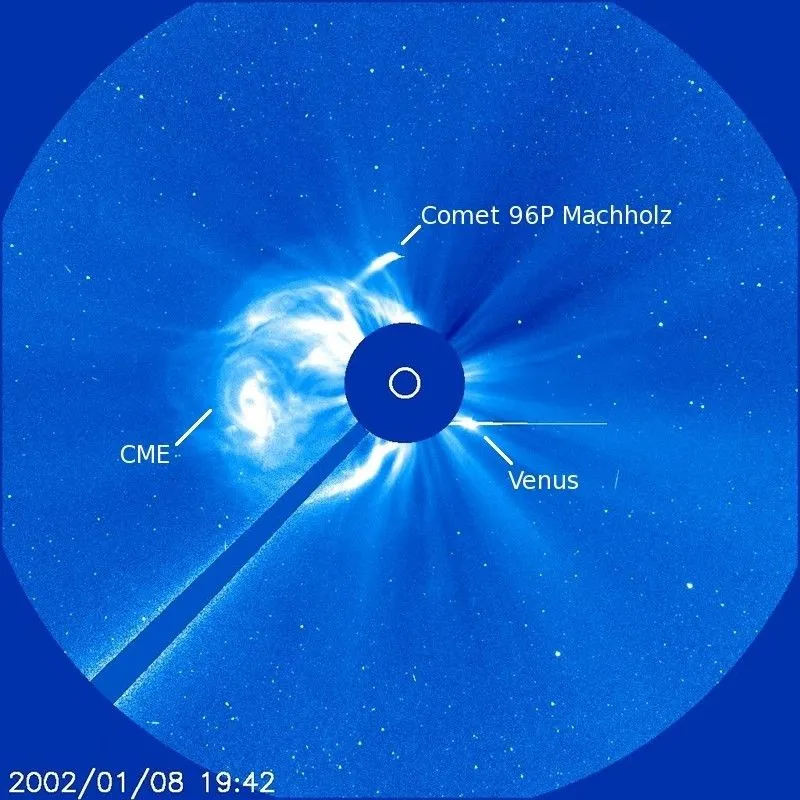
However, the Southern Delta Aquariids have been known to surprise viewers; in 1977 and 2003, the showers produced “outbursts,” meaning a stronger-than-usual show is possible this month.
Under clear skies and away from the maddening glare of light pollution, both of these showers will be visible to the naked eye.
Experts recommend giving yourself about 30 minutes for your eyes to adapt to the dark.
While many people will reach for a telescope or binoculars, it is better to take in the entire sky rather than a small part by lying flat on your back halfway between the horizon and the middle of the sky above you and 45 degrees from Aquarius.
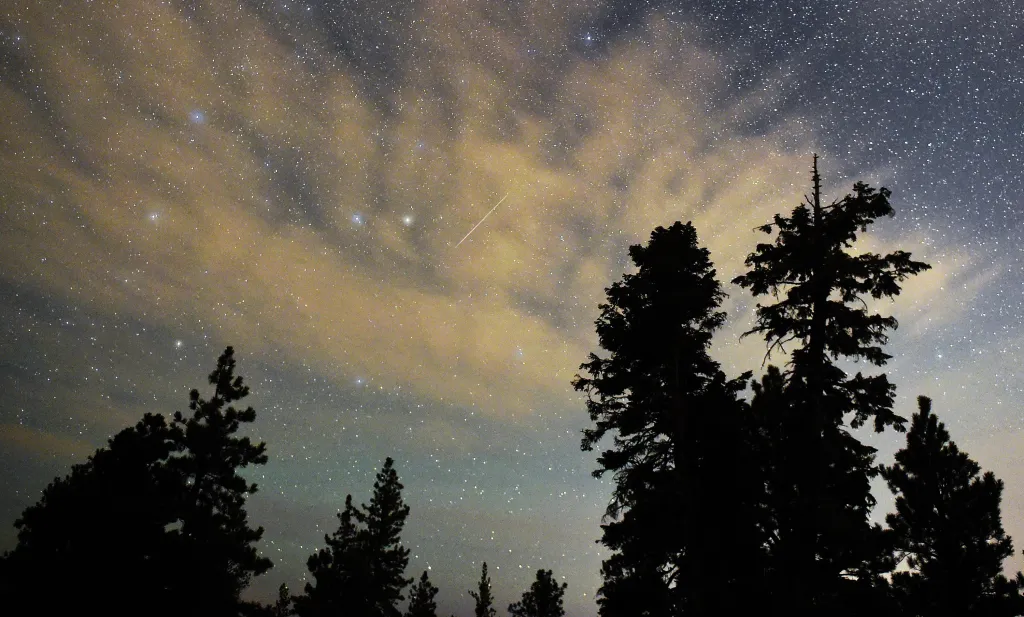
The Southern Delta Aquariids are best viewed in the Southern Hemisphere or along southern latitudes of the Northern Hemisphere.
If you fail to catch (pun intended) these showers, fear not; the Alpha Capricornids are closing out the month with a star show on July 30 and July 31
The Alpha Capricornids are the byproduct of the comet 169/NEAT that orbits the Sun once every 4.2 years. Their radiant point, or place in the sky from which they appear to originate, is, as the name implies, in the constellation of Capricorn.
The Alpha Capricornids are not a prolific shower (they only produce five meteors per hour at their peak), but what they lack in number, they make up for in strength as they shine exceptionally bright against the night sky.
This shower should be visible from both hemispheres, and, as with the Southern Delta Aquariids, hopeful sky watchers should seek out clear, dark skies.
Start your viewing around 10 P.M., and if you want to see as much of the show as possible, keep an eye on the sky until dawn breaks.
The post Two meteor showers are raining down this week with peak views starting now appeared first on New York Post.