Ukraine has gone from taking almost any military support its Western partners could spare to helping those countries prepare for a new kind of warfare.
At the beginning of Russia’s full-scale invasion, Ukraine was fighting for its survival with hand-me-downs from partner nations, not cutting-edge weaponry. Now, Ukraine is developing weaponry, production methods, and tactics that Western militaries are studying as they prepare for the possibility of another large-scale war.
When the invasion came in 2022, Ukraine was “asking for anything,” Davyd Aloian, the deputy secretary of the National Security and Defense Council of Ukraine, told Business Insider. “Any support was fine for us. Even if it was 80-year-old armored vehicles, we were thankful for that because we didn’t have anything.”
He said Ukraine’s approach began to change in 2023. Ukraine had “to be more smart and strategic, and we started to work very actively in our own defense industry,” he said, taking a larger role in its own weaponry supply chain. It focused initially on conventional weapons such as artillery and armored personnel carriers, but then began shifting toward new innovations in drone warfare, from drone vessels to flying attack drones.
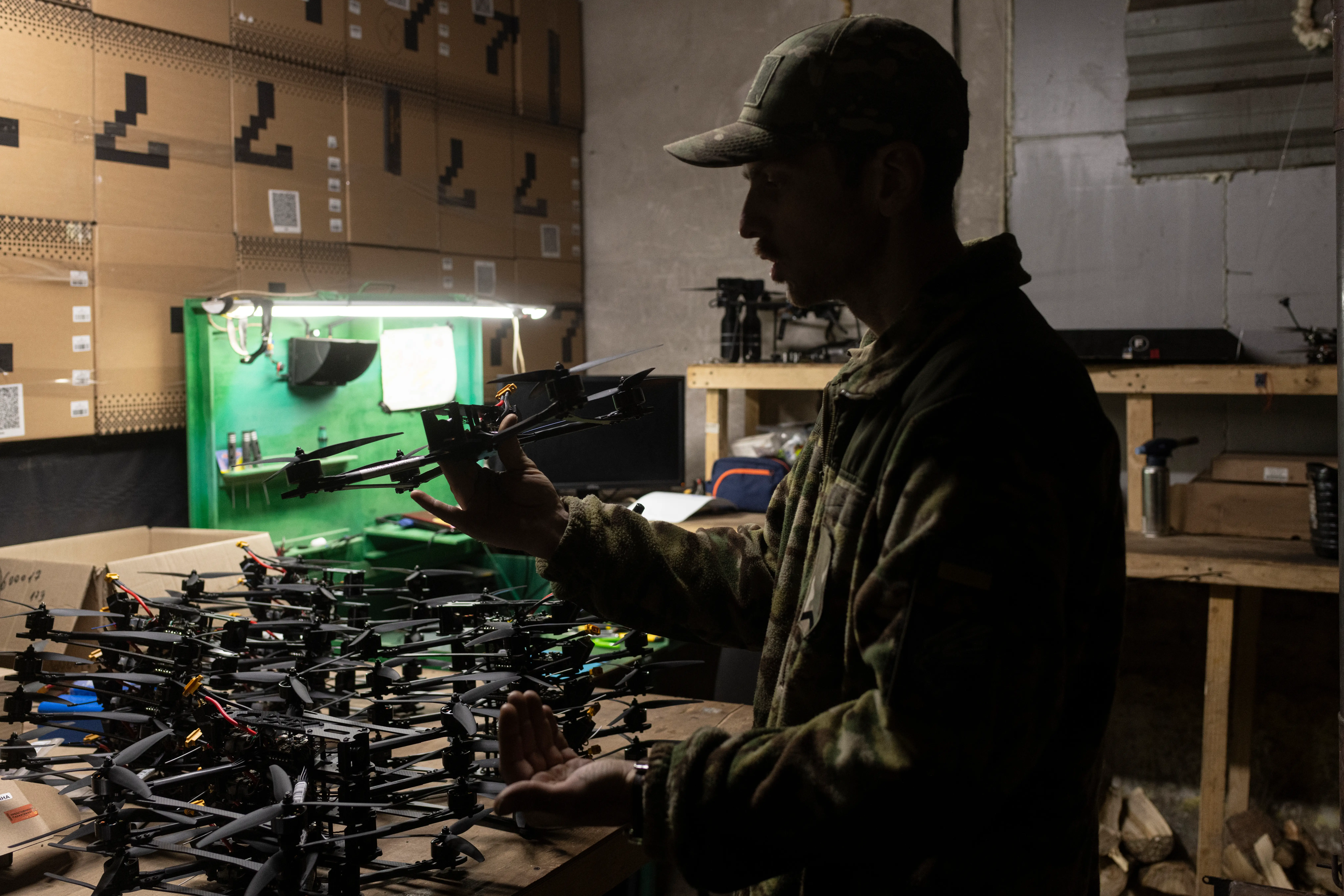
In 2024, the country dramatically accelerated its development of drones and other systems to offset its disadvantage in population and military size. It’s companies began making drones and components on a new scale, and Ukraine’s use of drones exploded beyond anything that partners had previously experienced.
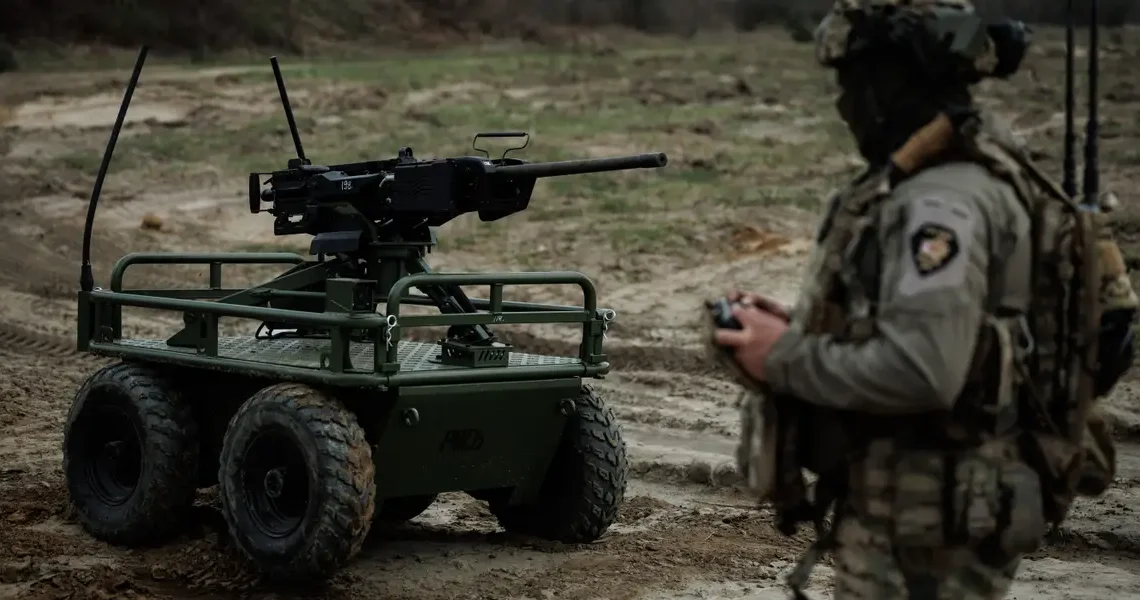
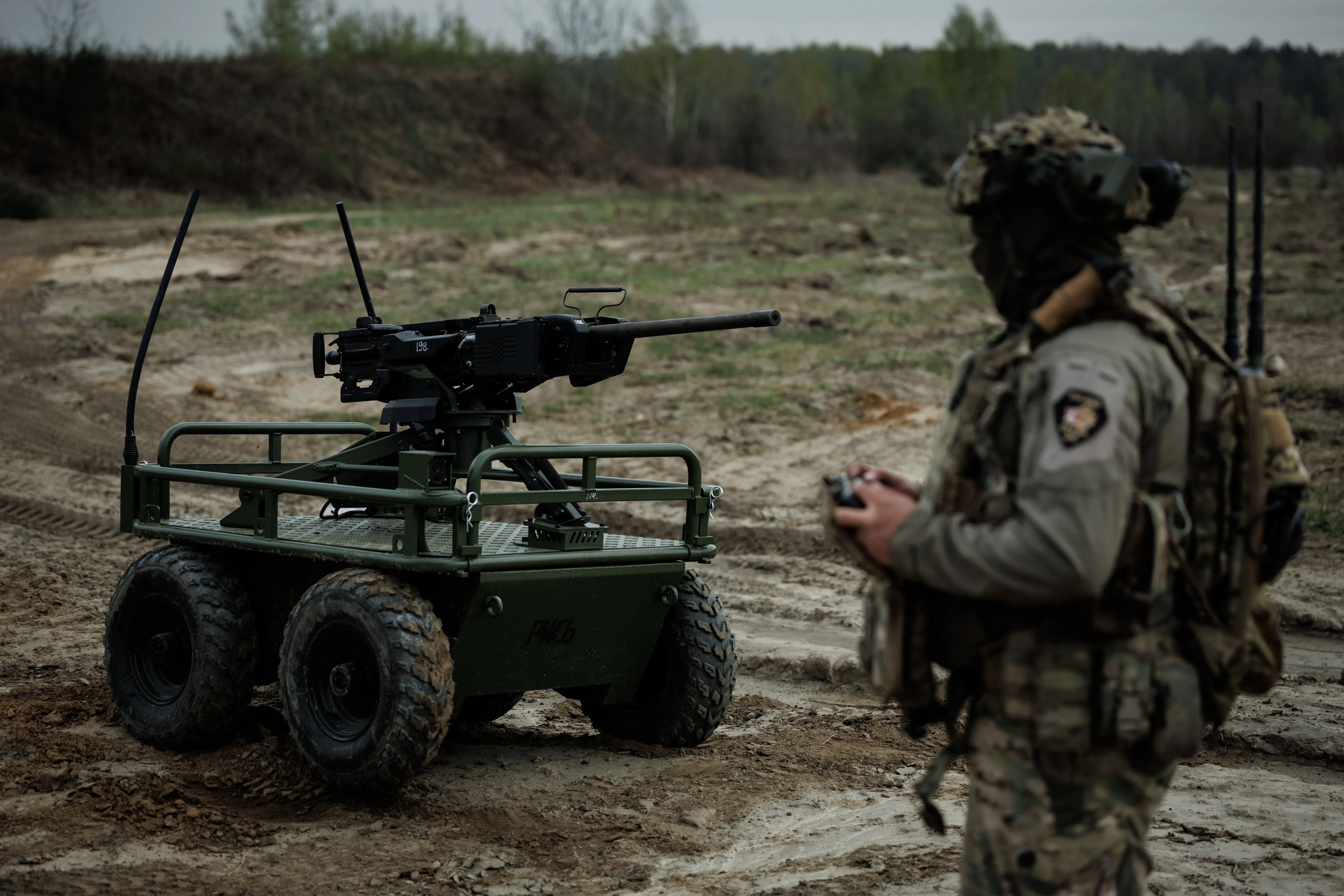
Then in 2025, Ukraine started making ground robots in larger volumes to carry supplies, evacuate casualties, and perform other dangerous battlefield tasks. The country also further expanded its drone production. Aloian called it “the year of scaling of those defense technologies.”
Now, in 2026, he said, the new focus is on “the implementation of more complicated software solutions, with AI and so on.”
He said this year has “really showed us and our partners that we transformed from this country that asked for anything to the country that’s not just capable but ready to give those lessons that we have learned and to contribute to the common defense.”
Ukraine has transformed
In 2022, Ukraine accepted weapons that allies had retired or held in storage, some of which required refurbishment. They included 1960s-era German Gepard self-propelled anti-aircraft guns that Germany retired in 2010 and Soviet-designed Su-25 aircraft from North Macedonia that had not flown since 2003.
Allies gradually agreed to provide Ukraine with advanced Western weapons it had long requested, including modern tanks and F-16 fighter jets; however, those decisions often came only after lengthy debates over escalation, readiness, and limited stockpiles.
Unable to wait, Ukraine invested heavily in its own defense industry, developing new battlefield technology and adapting production and tactics to the new demands of modern war at a pace Western officials say their own institutions struggle to match.
That experience, though trying, has made Ukraine an increasingly important partner for Western militaries trying to understand a rapidly changing battlefield. Ukraine’s circumstances are distinct, and lessons developed during this existential war against Russia may not transfer directly to every NATO force or conflict; however, the alliance isn’t overlooking this opportunity to sharpen its skills.
Ukraine is still accepting old gear. It is a hugely attritional war that chews through weapons so quickly that quantity can matter as much as sophistication. Older systems have also remained useful when adapted to current threats.
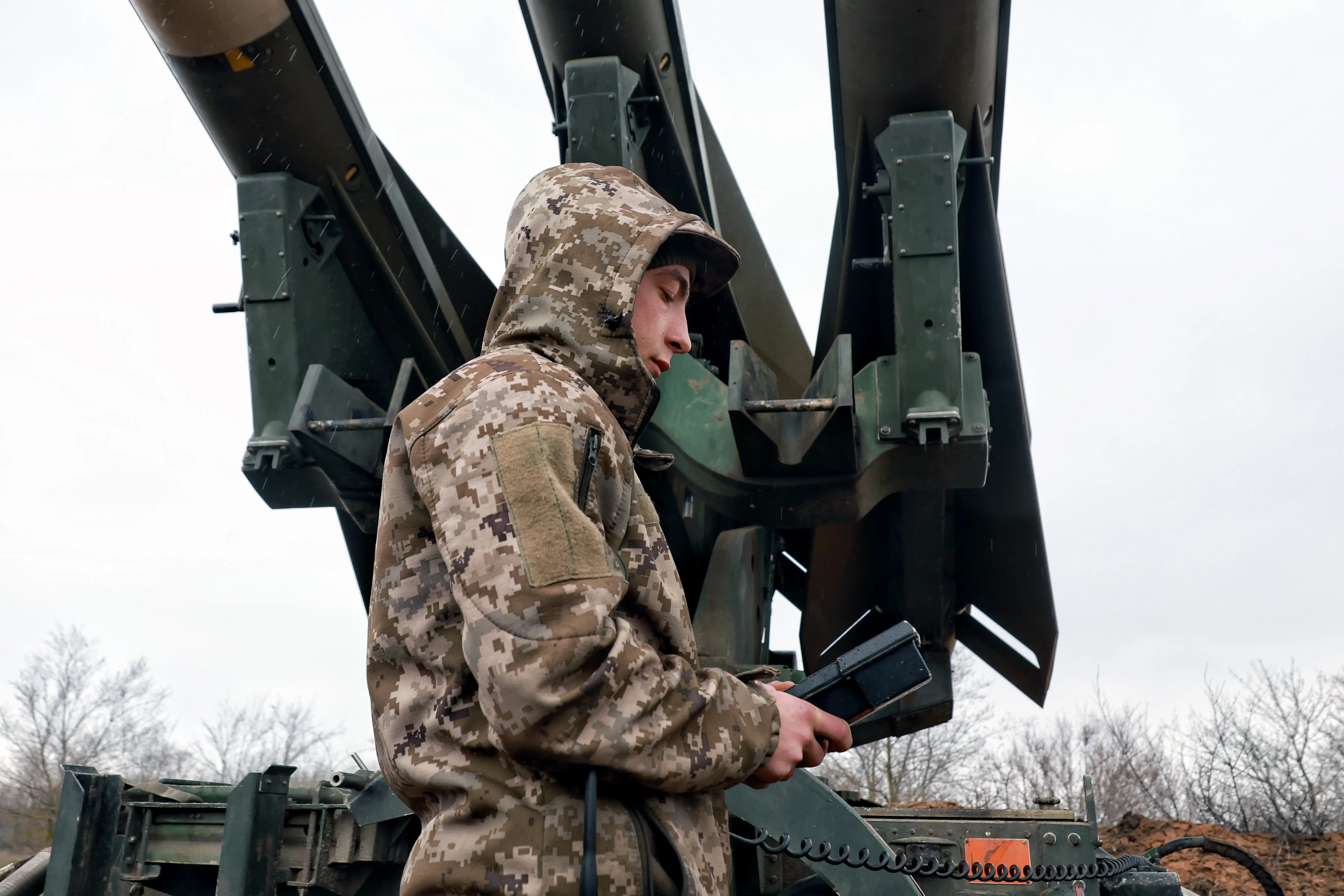
Ukraine has used MIM-23 HAWK air defenses, retired by the US more than two decades ago, to shoot down Russian attack drones and missiles. A Ukrainian unit said this week that it shot down two new Russian missiles with Swedish 40-mm Bofors L70 anti-aircraft guns that are more than 70 years old.
But Ukraine is also rapidly developing systems such as ground robots and interceptor drones designed to destroy incoming drones. Allies want access to some of that technology and want their defense industries to learn from Ukraine’s development and production methods.
NATO Secretary General Mark Rutte said last year that “Ukraine is a powerhouse when it comes to military innovation and anti-drone technology” and called Ukraine’s willingness to share expertise with allies “very important.”
Evika Siliņa, then the prime minister of NATO member Latvia, said, “This is the reason we continue close collaboration with our Ukrainian friends and allies: To connect and collect the best of their knowledge and adapt it directly to our land and sea.”
Learning from Ukraine’s innovation
Olexandr Mischenko, Ukraine’s deputy foreign affairs minister, said that “Ukraine has become a source of unique combat experiences, in the use of amphibious drones, maritime unmanned platforms, electronic warfare, and the integration of advanced technologies into modern warfare. This experience is critically important for the security of all of Europe and the Euro-Atlantic community.”
Western officials have repeatedly pointed to Ukraine’s ability to develop, test, and modify weapons quickly as something their own slower acquisition systems need to study.
Tarja Jaakola, NATO’s assistant secretary-general for defense industry innovation and armaments, said that countries have moved from “donating from their stockpiles to working with Ukrainian industry.”
The alliance, she said, needs to understand the “Ukrainian industrial capacity, the technology they have, and also the innovation that is happening in Ukraine at the moment.”
Sir John Stringer, NATO’s Deputy Supreme Allied Commander Europe, told Business Insider that “one of the things you’re seeing in Ukraine is a sheer pace of adoption and adaptation in technology. It is measured in weeks,” saying the alliance needs to learn to accelerate its own work to prepare for similar cycles.
That work is underway. Western companies are setting up operations in Ukraine and forging joint production agreements with Ukrainian counterparts, seeking access to battlefield feedback and production expertise.
And Western militaries are updating their doctrine — the principles that guide how forces organize and fight — and adjusting training based on Ukrainian battlefield experience.
Ukraine has been participating in exercises, where its small drone teams have defeated NATO teams, offering allies a chance to study how experienced Ukrainian operators organize and fight.
Analysts previously told Business Insider that part of why Ukraine is now in this position is that its shortages helped drive some of this innovation. Without enough advanced Western weapons, Ukrainian forces and companies had to develop domestic alternatives and find new uses for commercially available technology.
Sharing those lessons, though, serves Ukraine’s interests by deepening its integration with Western militaries and defense industries.
Read the original article on Business Insider
The post Ukraine has gone from accepting just about any old weapon to showing Western militaries how modern war is fought appeared first on Business Insider.