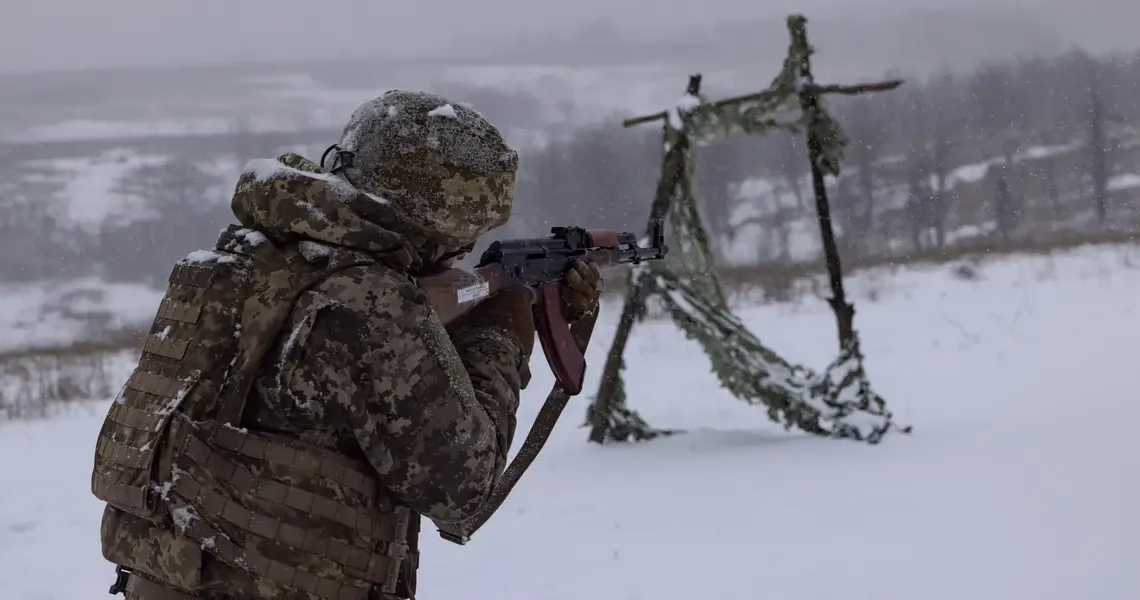
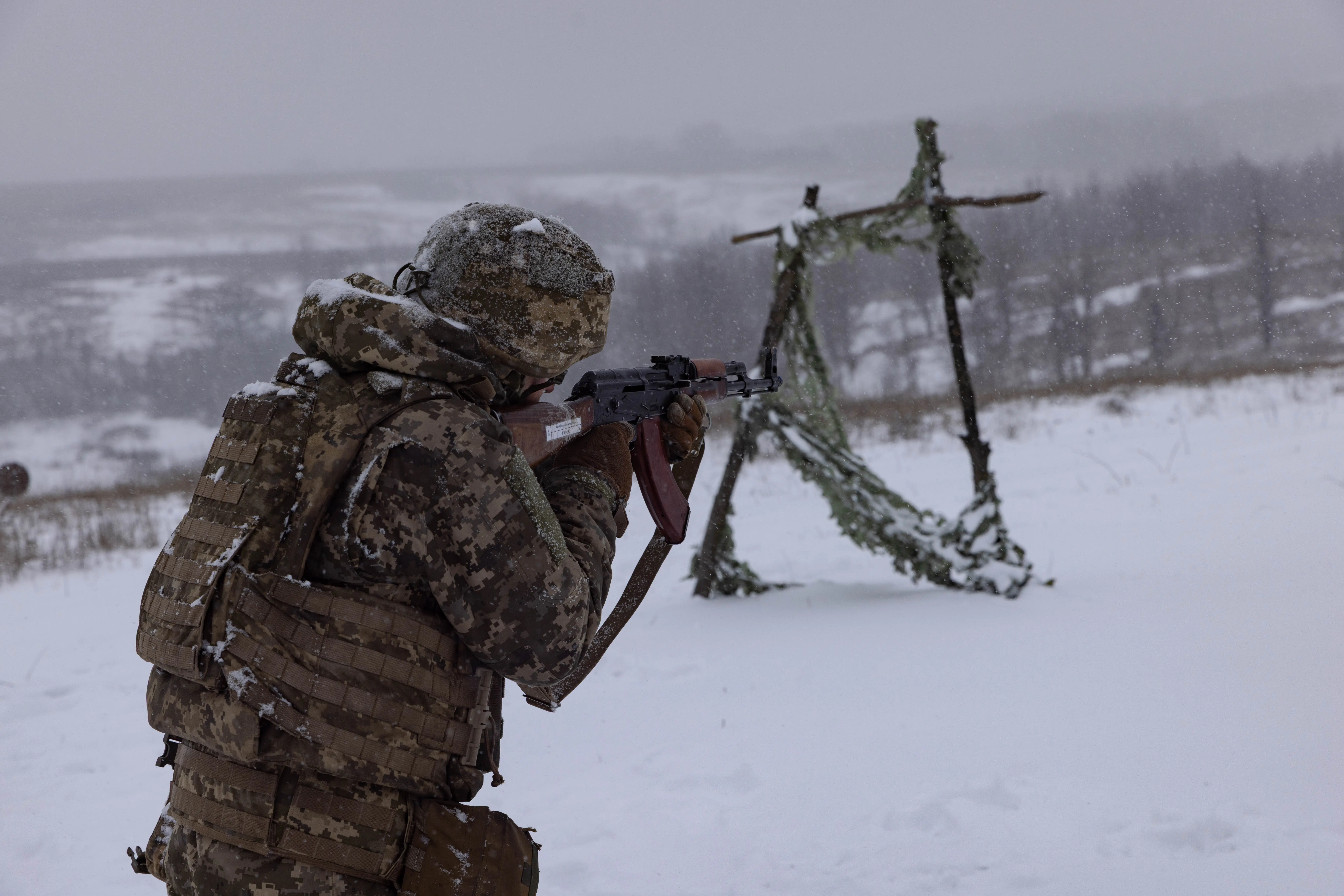
Ukrainian infiltration missions become much more difficult during the winter months, when soldiers can’t use the vegetation on the battlefield for cover, a special operator told Business Insider.
“The weather conditions are a big advantage right now,” said the operator, a member of the 4th Ranger Regiment of Ukraine’s Special Operations Forces. “There’s all this greenery, all the leaves and vegetation, so the environment makes infiltration easier.”
Infiltration missions, in which small groups slip past enemy lines, are increasingly taking place in the drone- and robot-saturated “kill zone” that usually extends about 20 kilometers from the front but can reach 40 or 50 kilometers in some areas.
The Ukrainian operator, the second-in-command of a small unit who asked to be identified only by his call sign, “Gur,” said that in winter, a kill zone this wide would make it “much harder to infiltrate into the area and carry out the mission.”
In the winter months, Ukrainian soldiers conducting these missions do so in stages; they cover a certain distance and then take a break, Gur said. A mission that may only require a few hours in the summer could last several days in colder months.
Winter presents a range of challenges for soldiers, including freezing temperatures. Heat sources to remedy the cold risk producing emissions that are easily spotted by drones.
Drones, now responsible for the majority of battlefield casualties, are constantly watching the kill zone, ready to direct fire or attack soldiers or military vehicles on a moment’s notice. Movement in this area is extremely dangerous, and special operators welcome any sort of cover during their missions.
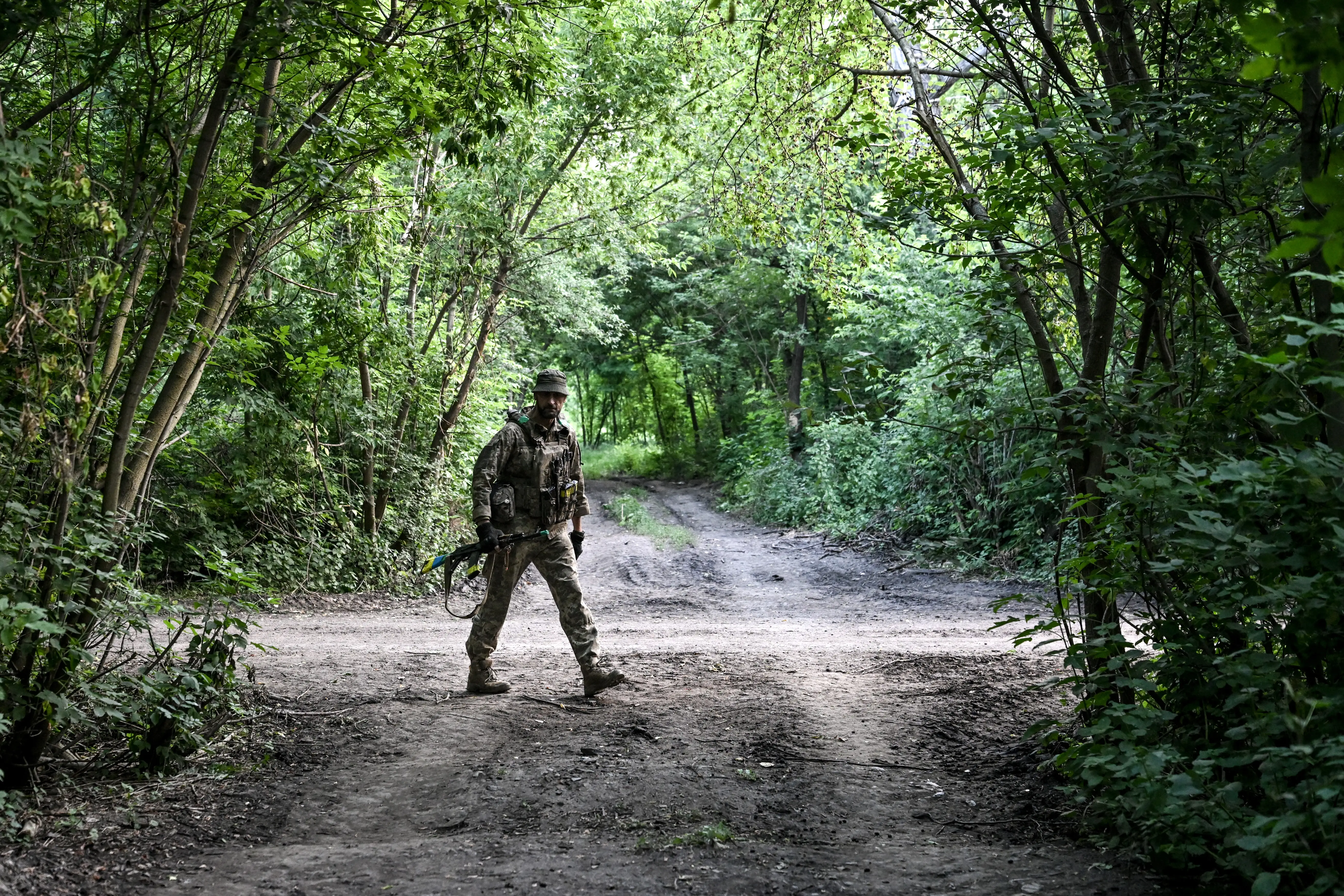
“Right now, infiltration is easier because it’s summer — because the leaves have come out. It’s easier to move around,” Gur said, per a translation of his remarks. And that movement under cover is critical to avoiding the tiny cameras mounted on Russian drones overhead.
“We can’t stay in one place,” he said. “We constantly have to keep moving.”
Using the environment or weather conditions for cover is a common tactic in warfare. For instance, a senior Ukrainian defense official told Business Insider last year that Russian infiltration teams depended on bad weather to sneak past Ukrainian lines and cause trouble within their lines.
Similarly, a senior Ukrainian military official told Business Insider in December that soldiers would sometimes wait for nighttime, fog, or rain to evacuate wounded comrades, giving them a greater chance of survival under the watchful eyes of overhead drones.
Gur’s unit is primarily tasked with what he called search-and-strike operations, as well as ambushes, raids, and assaults. His unit’s assignments span across the front line, from Ukraine’s northeastern Sumy region to the embattled eastern Donetsk region, where he’s working now.
“Wherever they send us, that’s where we go,” Gur said.
He said his main job is to hunt down Russians and kill them, whether they’re in a fixed position or individual soldiers moving separately. In urban areas, the latter is more common.
“If you’re fighting in a city, there aren’t really any fixed positions,” Gur said. The Russian soldiers are “constantly moving around, so in urban areas it’s usually search-and-strike operations and infiltration.”
Read the original article on Business Insider
The post Ukrainian infiltration missions get a lot harder when winter strips away their cover, special operator says appeared first on Business Insider.