Rising Russian drone activity is forcing Ukrainian special operators to adopt new safety measures near the front, such as moving farther on foot and keeping their distance from one another.
“Things have changed,” a special operator in the 4th Ranger Regiment of Ukraine’s Special Operations Forces told Business Insider. “There are many more FPV drones now, especially fiber-optic ones. So there are more drones that can hit our vehicles or our personnel from farther away.”
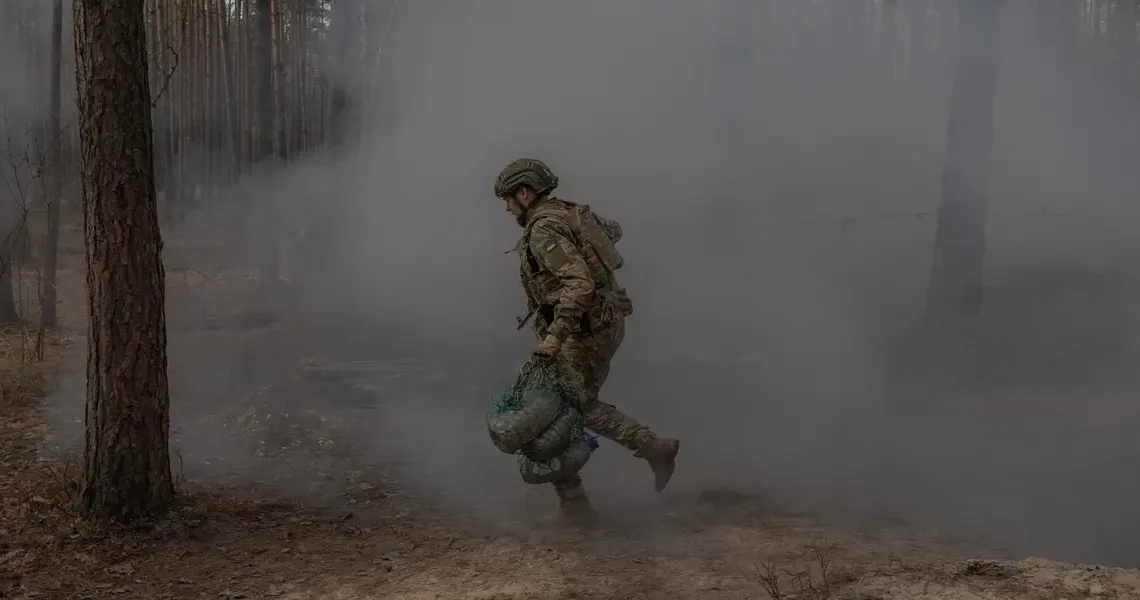
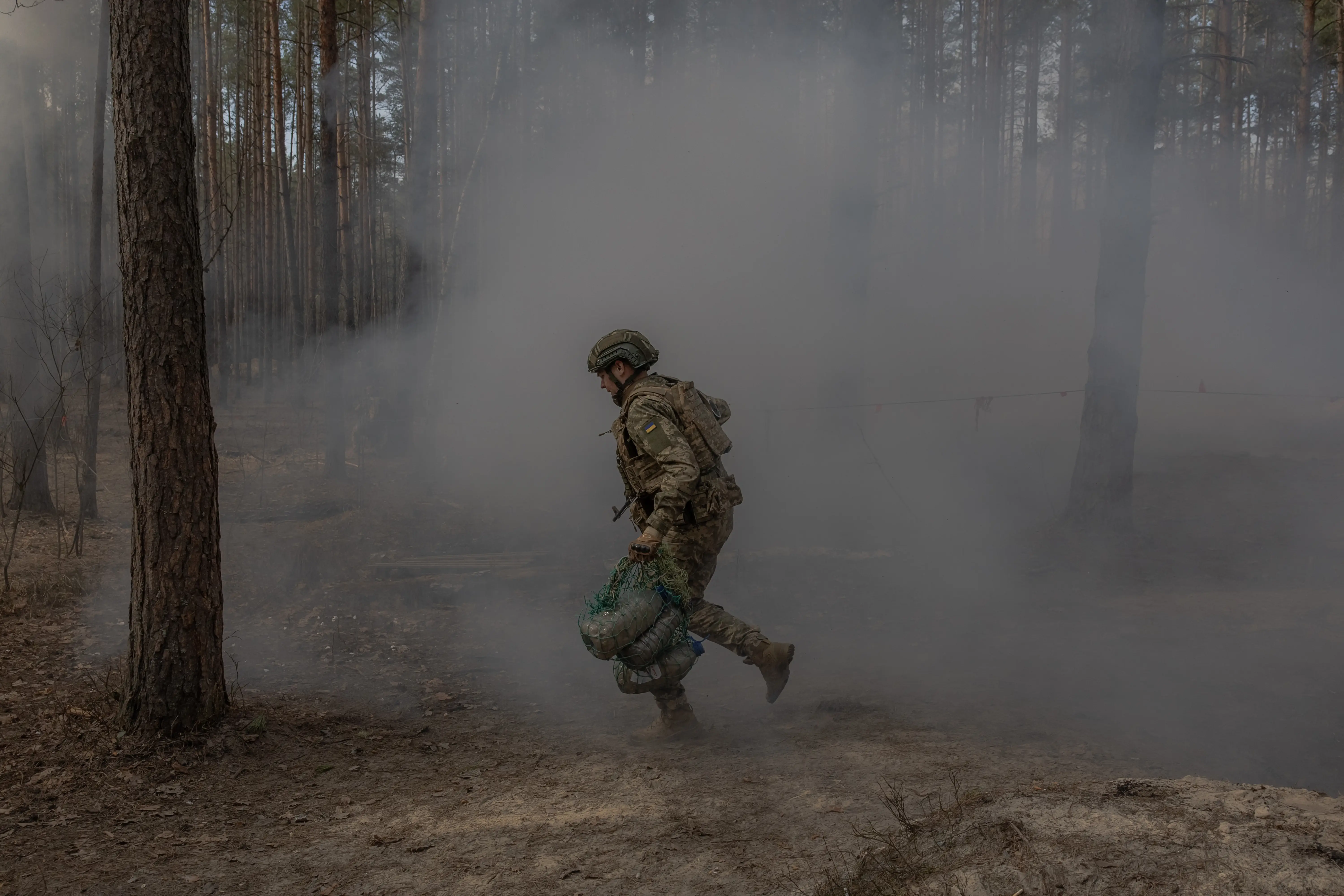
“We walk more now,” said the operator, who is second-in-command of a small unit. “And we keep more distance between the soldiers in the group, usually around 10 to 20 meters.” He requested to be identified only by his call sign “Gur” for security reasons.
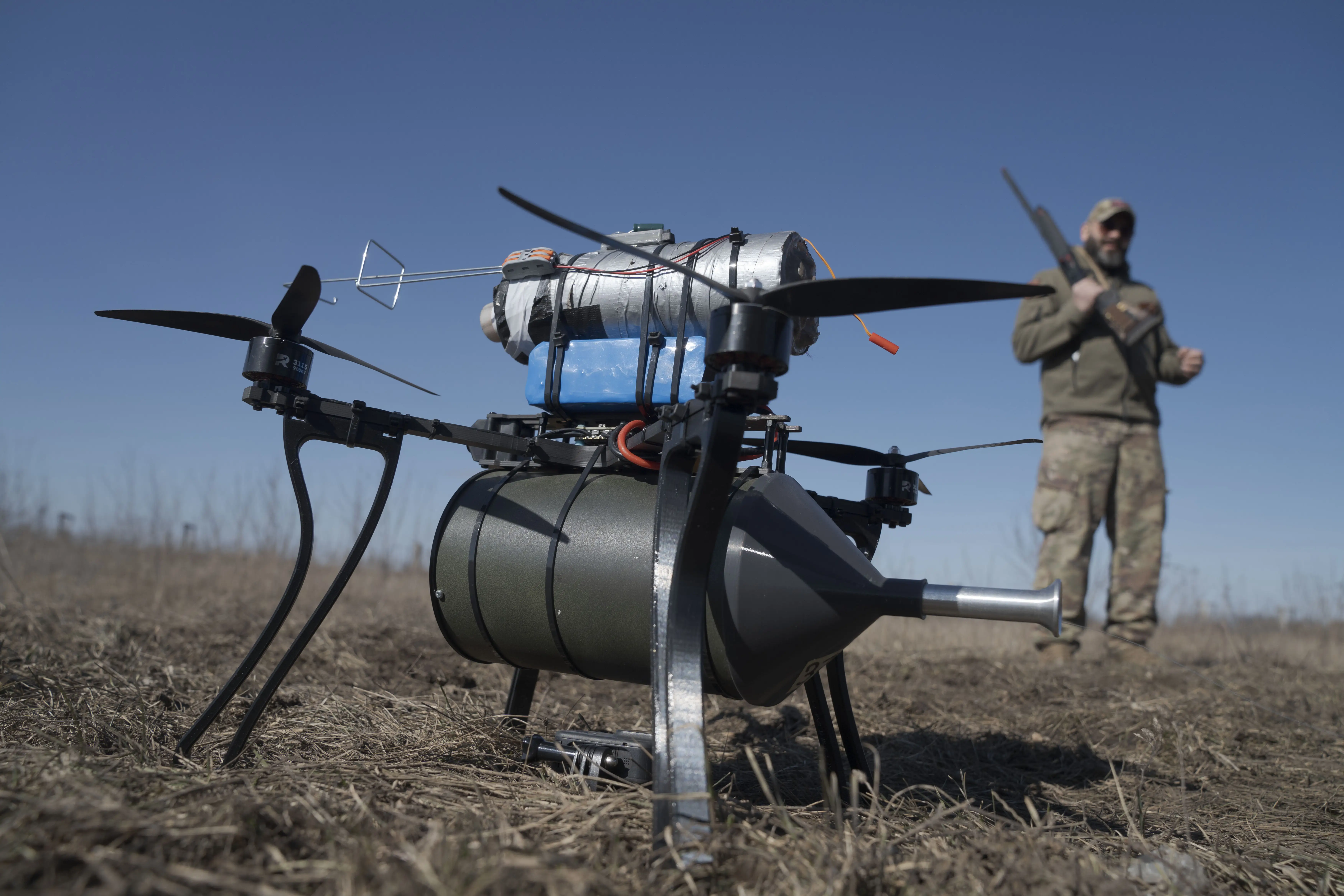
Gur said soldiers in his unit carry pump-action shotguns, which are a last-resort defense against Russian first-person-view (FPV) drones, specifically those controlled by fiber-optic cables that can’t be jammed with electronic warfare systems.
“Before, there just wasn’t as much need for that,” he said of the shotguns, per a translation of his remarks.
Ukrainian special forces operate inside the “kill zone,” an area of the front line that is heavily saturated with drones and ground robots able to target soldiers and military vehicles. Movement is very dangerous; troops often seek cover to increase their chances of survival.
While the kill zone varies in width, it generally extends about 10 to 20 kilometers from the line of contact. However, Ukrainian officials and soldiers have said that it is expanding, stretching up to 40 or 50 kilometers in some areas of the battlefield.
Ukrainian soldiers sometimes spend days advancing through the zone to reach front-line positions; in many cases, this difficult journey may be the most dangerous part of their mission, Oleksiy Vyskub, Ukraine’s first deputy defense minister, told Business Insider in May. He assessed that the kill zone could double in size this year.
Gur said that the missions might begin 50 to 60 kilometers from the line of contact, still well within Russian targeting range. Ukrainian special operators will cover half that distance in armored or light infantry vehicles and then walk the rest of the way to avoid potential drone strikes on their rides.
Thousands of armored vehicles have been destroyed on both sides of the conflict by artillery, mines, rockets, missiles, and drones. Ukraine and Russia have outfitted tanks and personnel carriers with anti-drone cages for added protection, but they aren’t impenetrable.
Once dismounted, the special operators work in small teams, making them more maneuverable and harder for a drone to spot.
“At the moment, we infiltrate in small groups — usually two, three, or four soldiers,” Gur said.
Ukrainian operators will rotate teams for infiltration missions so soldiers have time to rest, train, and prepare for their next round. One group might spend a week in the kill zone conducting search-and-strike operations before passing the baton to another group.
The severe drone saturation in the kill zone has also pushed Ukraine’s special operators to start using ground robots, primarily for logistics and casualty evacuations, missions that have become too dangerous for humans.
“If someone is wounded, say, 500 meters from the line of contact or somewhere” inside the kill zone, a ground robot can evacuate them, Gur said.
“It’s still something new for us,” he said, “but we’re training more soldiers to operate these systems, and we’re building up our experience.”
Read the original article on Business Insider
The post Ukrainian troops are walking more and spreading out to avoid drones, special operator says appeared first on Business Insider.