LONDON — Andy Burnham, the longtime mayor of Greater Manchester, Britain’s second largest urban area, will on Monday become Britain’s sixth prime minister in a decade, taking charge of a Labour government that won power in a landslide two years ago but quickly lost the country’s confidence amid lingering economic malaise.
Burnham will replace Keir Starmer, the beleaguered premier who posted some of the lowest approval ratings recorded for a British leader, in the hopes that a new face can rekindle enthusiasm — or at least buy some patience — for the Labour government before it must face voters in the next general election in 2029.
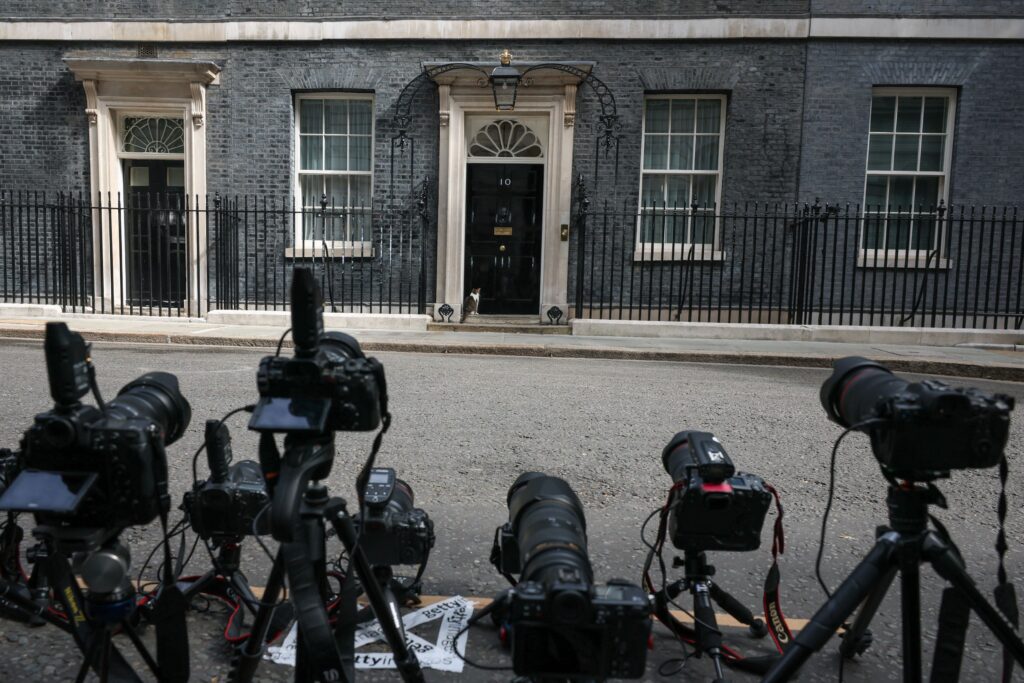
Monday’s handover will follow a sequence Britain has rehearsed repeatedly as it cycled through prime ministers every few years, or even months. Starmer will make a farewell morning statement outside 10 Downing Street, then travel the mile to Buckingham Palace to submit his resignation to King Charles III.
Burnham will arrive at the palace shortly afterward, and the king will invite him to form a government. He becomes prime minister the moment he accepts and will be the third premier Charles has congratulated in less than four years on the throne.
Burnham will then go to Downing Street, address the country from a lectern outside the door and begin appointing his cabinet.
There is no inauguration and no confirmation vote. In Britain’s parliamentary system, voters elect a party, not a prime minister, and the party holding a majority in the House of Commons chooses its leader, who in turn leads the nation.
However Burnham fares with the public, he comes to power with deep support within his own party.
Every other prospective replacement for Starmer stepped aside after Burnham was elected to a parliamentary seat in June, making him eligible to become prime minister. He was officially declared the Labour Party leader Friday, with nominations from 379 of Labour’s 403 members of Parliament.
“We’re going to give them hope back,” Burnham said at a special party conference in London. He called his election “the most significant change moment in our politics for 40 years” and promised “good growth in every post code.”
Burnham enters the prime minister’s office promising to dilute the power concentrated within No. 10 Downing Street by devolving more authority to local leaders.
He has spent recent weeks traveling to Cardiff and other cities and said he will work part of each week at a satellite office in Manchester, the city he led as mayor for nine years.
“We will take power back from Westminster and Whitehall and give it to the place you live,” Burnham said Friday.
Burnham is still selecting his cabinet, aides said, but reportedly has settled on some key team members.
Home Secretary Shabana Mahmood is expected to be named chancellor of the Exchequer, the government’s top economic post. Her selection over Energy Secretary Ed Miliband, an early favorite, followed pressure from business groups and trade unions and was seen in the party as reassurance to investors wary of a leftward turn.
Miliband is now expected to be offered the job of foreign secretary. Angela Rayner, the former deputy prime minister, has been linked to the health department. The full cabinet is due to meet Tuesday.
Burnham is expected to strike a sober note Monday, saying Britain must be honest about the problems it faces and calling the moment one for “reflection and resolution.”
A spokesperson said he will acknowledge being “acutely conscious” of his status as the sixth person to take charge at Downing Street in 10 years and will argue that the country needs stability — an answer to demands for an immediate national election by Nigel Farage, the leader of Reform UK, a nationalist party that has been surging in popularity and made a strong showing in local elections in May.
Farage has been embroiled in allegations of financial impropriety and resigned his seat in parliament aiming to run again and win a vote of confidence from constituents. Instead, he has been left campaigning against a lone competitor who wears a trash can on his head.
Farage was an architect of Brexit, Britain’s departure from the European Union in 2016, which was followed by years of economic decline and contributed to the collapse of the Conservative Party in the 2024 election, after 14 years of Tory control. Some voters have urged rejoining the E.U., but such a move remains extremely unlikely.
Burnham has called Brexit “damaging” but also promised not to “rerun” the leave vs. remain debate that bedeviled the country for years, saying: “Britain will be stuck in a permanent rut if we’re just constantly arguing.”
Burnham says his pledge to redistribute power from London is to spur economic growth. He has said he will bring more utilities and services that had been privatized under public control, starting with the debt-laden Thames Water, the country’s largest water and sewer utility.
He has also committed to maintaining strict borrowing rules set by the outgoing chancellor, Rachel Reeves, and to honor Labour’s promise not to raise three main taxes, constraints that will leave him little room to spend.
The post Andy Burnham set to take charge as U.K. prime minister appeared first on Washington Post.