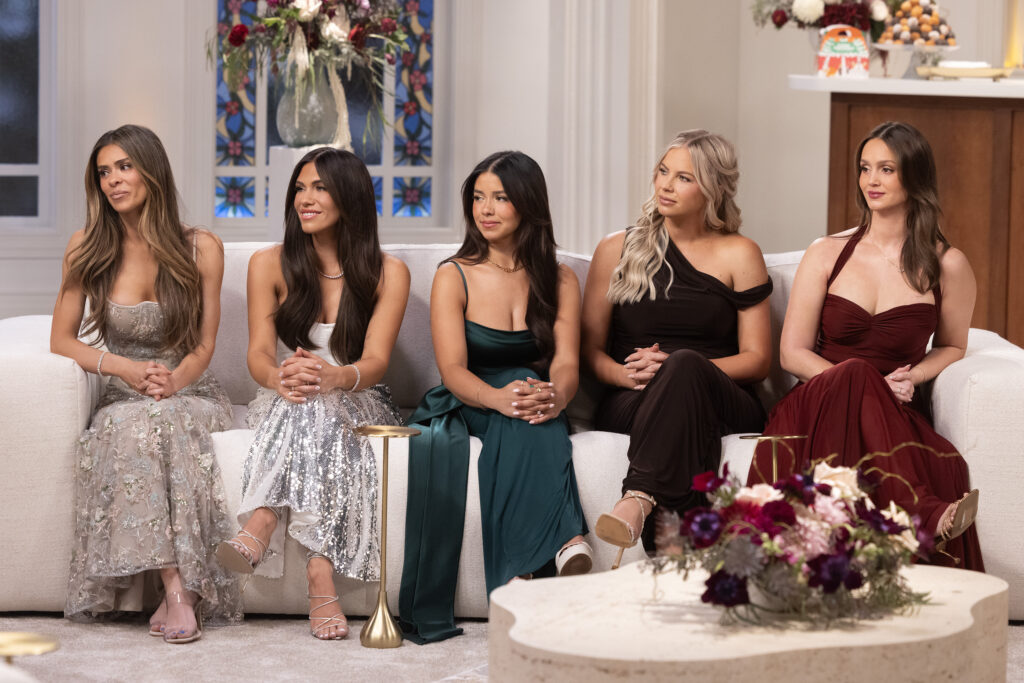
Early in The Secret Lives of Mormon Wives Season 3 reunion, before the formal postmortem gets underway, the reality soap’s star, Taylor Frankie Paul, meets Stassi Schroeder, who will be hosting the special. “People always [tell me]: ‘You remind me of Stassi,’” Paul whispers. Schroeder notes a connection, too. In her introduction to the reunion, airing Dec. 4, she tells the festively adorned cast that surrounds her and fans watching from afar: “I’m delighted to be a part of this, not just because I am a huge fan, but because I have been exactly in your shoes. I’ve dated the bad boy, argued allegations, had the fallouts, and managed the fame.”
[time-brightcove not-tgx=”true”]
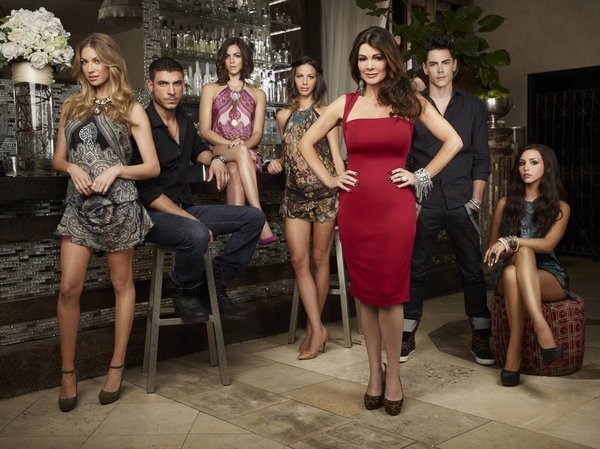
For those who don’t spend all their free time watching women with blowouts bicker, Schroeder is referring to her many years as a key player on Bravo’s unscripted clubstaurant saga Vanderpump Rules. Though that show’s hard-partying West Hollywood model/actor/waiters sound like the antithesis of LDS homemakers, my reality-TV-damaged brain had long ago spotted parallels between Taylor and Stassi, Vanderpump and Mormon Wives. What Lisa Vanderpump’s Real Housewives of Beverly Hills spinoff was to millennials, Hulu’s chronicles of the scandal-stricken Utahan sisterhood that calls itself MomTok has become for the next generation of young adults forming parasocial bonds with people who play themselves on television. Which is awkward, considering that Vanderpump has rebooted with an all-new cast of fame-hungry servers in a 12th season that, as you may not have noticed, kicked off this week.

Set at SUR, the sexiest spot in Vanderpump and husband Ken Todd’s hospitality portfolio, the series debuted in 2013 as Bravo’s first successful docusoap centered on a coed cast younger than the mostly middle-aged Housewives (no shade intended, NYC Prep). It was a rare moment of relative calm for millennials—one that is now the object of much nostalgia—between the destabilizing late-aughts economic crash and the political upheavals of this past decade. And that celebratory mood was echoed by early seasons of Vanderpump, which reveled in the frivolous interpersonal melodramas of SUR’s attractive 20- and 30-something staff, most of them aspiring entertainers of some variety. That they ultimately found fame as reality stars rather than “real” actors or musicians seemed to suit most cast members just fine.
Just 22 in the first season, Stassi was the mean-girl queen bee whose self-awareness and cutting humor made her impossible to hate (at least until she and the show’s resident instigator, Kristen Doute, got themselves fired for a racially charged prank). Her amour fou with lothario bartender Jax Taylor set the tone for a soap whose throughline was infidelity, with the women repeatedly sleuthing out their boyfriends’ indiscretions as the men tried to cover for each other. The characters were mostly comic, from shamelessly self-promoting wannabe pop star Scheana Shay to vain rock frontman Tom Sandoval. And the whole thing got pretty old after a few seasons, as the cultural vibe shifted into a darker headspace while the SUR staff kept pounding Pumptinis. Vanderpump seemed to be on its last legs when Sandoval’s embroilment in the series’ most shocking affair to date—a.k.a. Scandoval—thrust it back into the zeitgeist in 2023’s tenth season. But by the time Season 11 ended on a messy, emotional, fourth-wall-breaking note, the cast had become too fractious (and expensive) to retain.
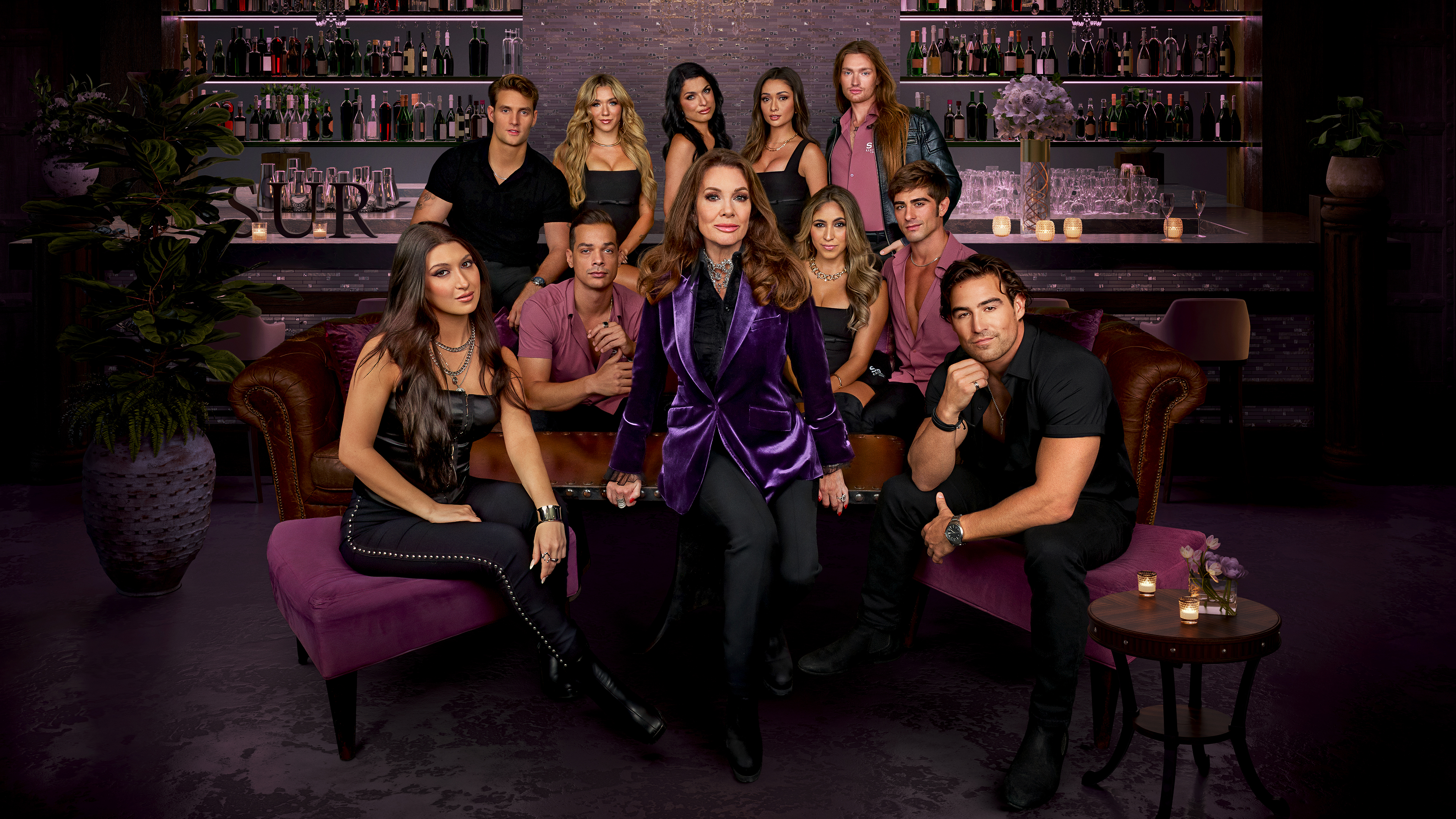
The reboot makes only miniscule attempts to update the show for a new generation. It’s slightly less white and marginally less straight (a series set in famously queer WeHo finally has a queer male star in the luxuriously coiffed Venus Binkley). But the cast members who aren’t weak replacements for the originals (Marcus Johnson is our narcissist-by-the-numbers Jax) just seem dull. None of these wrathful women will ever be Stassi. Everyone—especially hunky cousins Jason Cohen and Chris Hahn—has clearly come to SUR not to pay bills while they try to make their dreams come true but because they want to be on a highly visible reality soap. And while it’s not fair to write off a show like this based solely on its premiere, that episode did not bode well. We watched short-fused Natalie Maguire in the studio recording a forgettable pop track, à la Scheana. Executive producer Lisa reprised her perennial role as wise boss keeping her staff in line, though not so vigilantly as to interfere with the drama, through tough love. Vanderpump alum Katie Maloney summed up the overall impression when she called the reboot “cheap.” (Vanderpump’s retort: “It’s a hell of a lot cheaper than paying for [Maloney and her cohort’s] expensive asses.”)
This mid-2010s holdover simply can’t compete with The Secret Lives of Mormon Wives, which despite—and in many ways because of—the lip service it pays to traditional womanhood feels thoroughly of the present. Born of a “soft swinging” scandal that rocked a crew of Utah-based TikTok content creators/influencers, most of them Mormon wives and mothers, it premiered last fall with a built-in audience of terminally online rubberneckers. In the three seasons that Hulu has cranked out in the past 15 months (with 20 more episodes ordered for next year), producers have seemingly had no trouble keeping the drama going even as the swinger frisson fades. Mormon Wives has quickly become the platform’s flagship reality property, eclipsing not just Vanderpump’s limp European hospitality venture Vanderpump Villa, but also reality soaps’ first family, the Kardashians, who Hulu poached from E! in a deal that was reportedly worth nine figures. Now you can’t watch an unscripted Disney show without spotting a Mormon Wife, whether it’s in a Villa crossover episode or on Dancing With the Stars. Paul has been recruited to give ABC’s The Bachelorette a relevancy boost, in a season set to premiere March 22.
Part of Mormon Wives’ appeal is in how it embodies the same docusoap tropes that fueled Vanderpump but refreshes them with novel context. Yes, moms comprise the majority of MomTok. But the cast members range, like the Season 1 SUR staff, from their early 20s to their early 30s; many are divorced, remarried, or navigating relationship issues in their marriages that are typical of the young, hot, and restless. And so infidelity has emerged as one of this show’s defining themes, too. Often identified as “the leader of MomTok,” a nebulous entity whose social media brand has been subsumed to that of the series, Taylor really is a lot like Stassi (who entered the Huluverse when, Vanderpump transgression apparently forgiven and forgotten, she joined Villa’s second season). She’s smart, she’s charismatic, she makes for a canny narrator of her friends’ misadventures, and she can’t seem to extricate herself from her serially unfaithful baby daddy, Dakota. The past two seasons have also seen MomTok and its spousal counterpart DadTok thrown into crisis over the ambiguous, obsessively litigated entanglements of two married cast members, Demi Engemann and Jessi Ngatikaura, with Villa’s Marciano Brunette. (The fact that Demi and Jessi could be twins only adds to the storyline’s confusion.)
But the show differs from Vanderpump in ways that shrewdly cater to audiences that are so much more culturally polarized in 2025 than they were in 2013. Young conservatives who are plugged into tradwife content get to see proudly feminine women who have chosen to enter into heterosexual marriages and start families in their 20s, if not earlier. Though Mormon Wives’ take on Mormonism has always been confoundingly flexible (there’s plenty of drinking, cursing, and sex talk, and only rarely does one spot an outfit modest enough to conceal temple garments), prayer circles like the one the cast gathered for before taking the reunion stage aren’t uncommon. If you believe the participants, the cheating that roils MomTok tends to be limited to “emotional affairs,” exchanges of R-rated photos, or, at most, the occasional kiss.
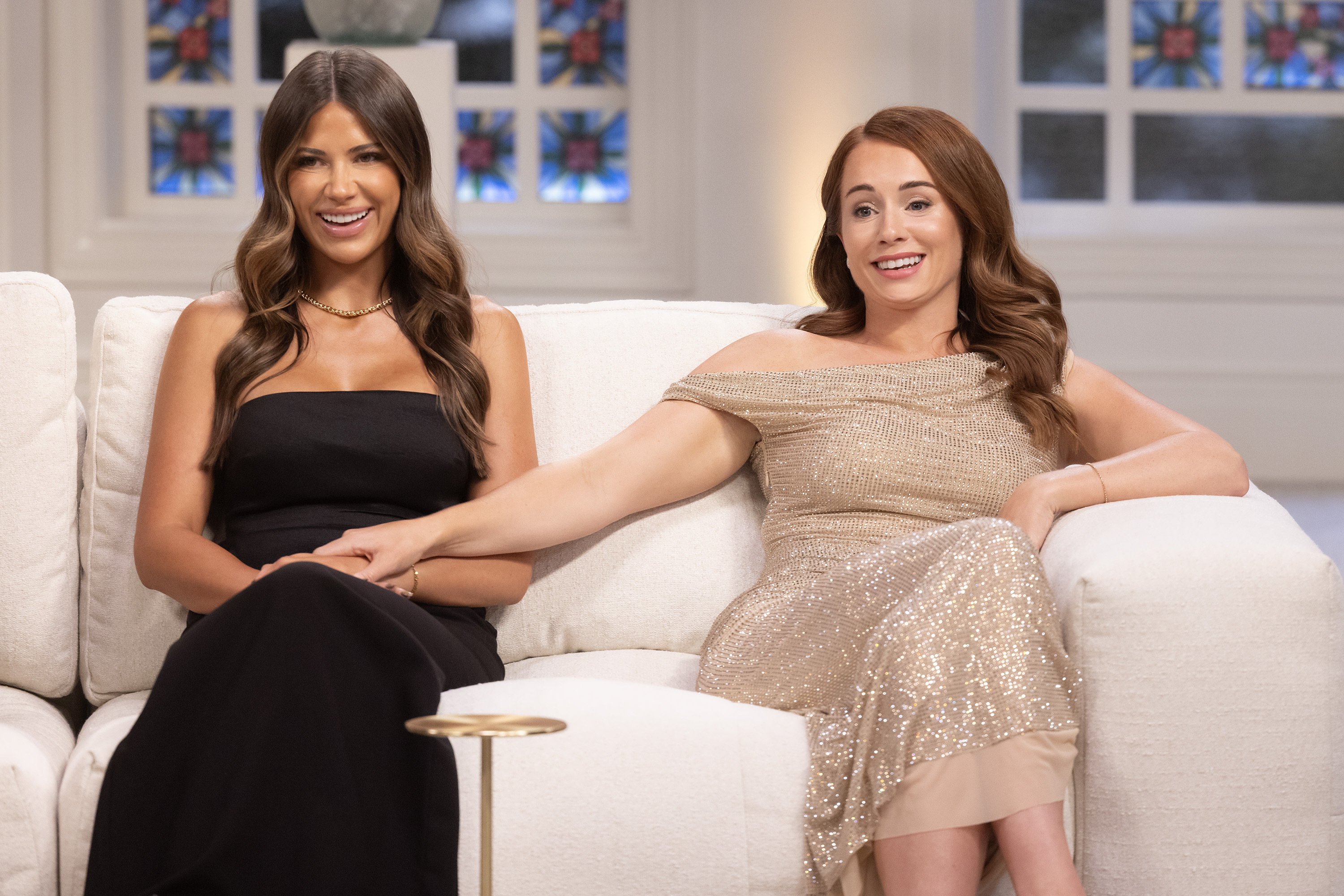
At the same time, liberal viewers can comfort themselves with segments that seem aimed at proving these Mormons, similar to their elders on The Real Housewives of Salt Lake City, are open-minded. In Season 3, we got to see the Wives gather at an LGBTQ Pride event. As women who came of age in the #MeToo era, many of the Wives also speak openly about their experiences as survivors of rape and abuse, often in language steeped in therapy and self-care. If the right- and left-coded aspects of this world don’t entirely cohere, well, ain’t that America?
No matter where you fall on the political spectrum, what makes Mormon Wives feel especially contemporary is its lack of artifice regarding the inner workings of reality TV production, promotion, and celebrity. As developed in the early years of the 21st century, the Bravo docusoap house style—one that has loosened for an age of symbiosis between reality franchises, social media, podcasts, and other gossip outlets but largely persists—dictates minimal acknowledgment within the show of the show’s existence. Real Housewives, we’re supposed to believe, are part of naturally occurring “friend groups,” not casts constructed for maximum friction. Only in reunion specials do we get to peek behind the velvet curtain. When the 11th season of Vanderpump ended with Sandoval’s ex Ariana Madix walking out of a party scene and essentially telling producers she was done filming while castmates who’d previously treated her like a wronged saint vented less charitable opinions, it was a big deal.
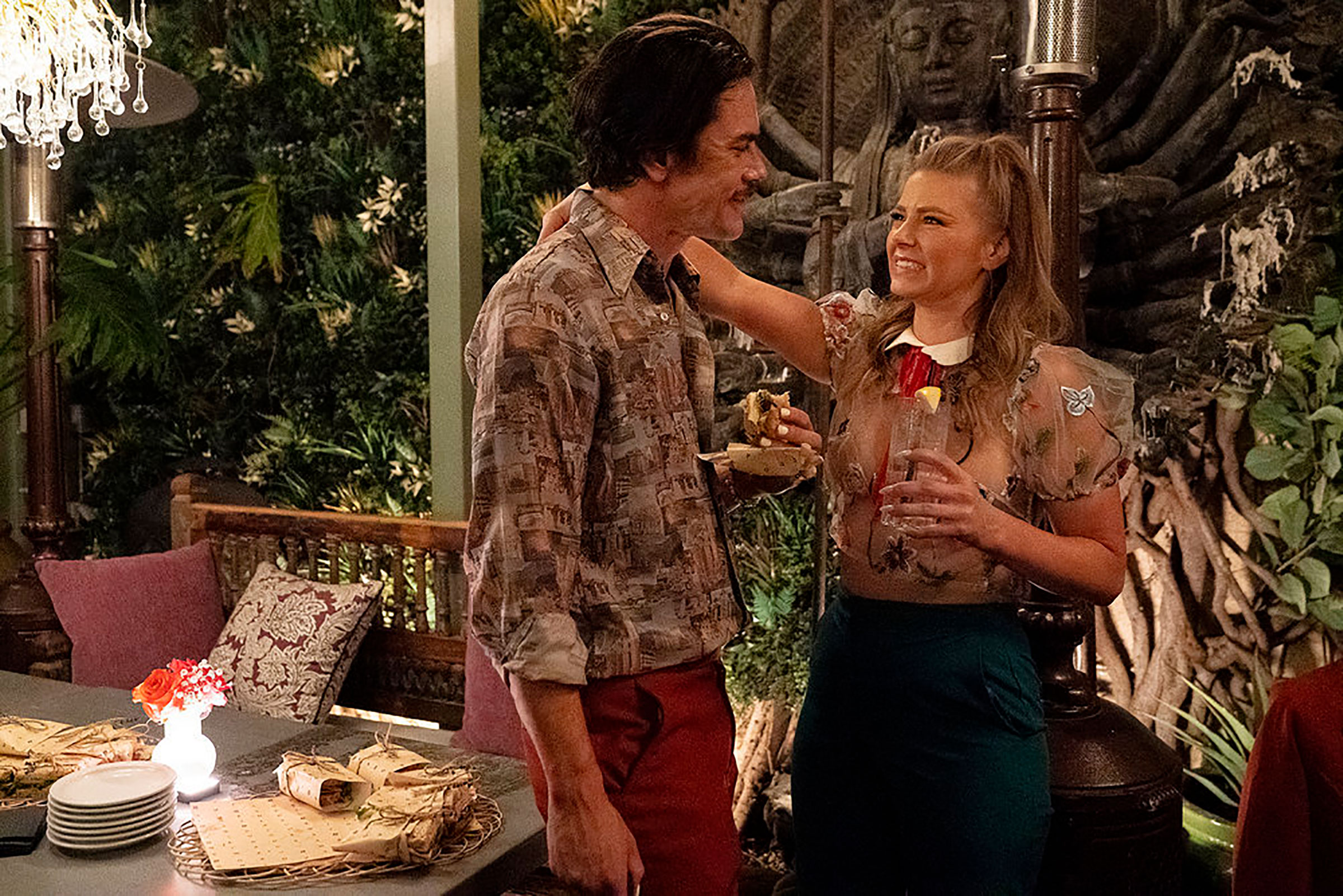
As Mormon Wives has become a cultural juggernaut, however, it has increasingly become a show about what happens when a dozen or so Utah moms are launched to the highest echelons of fame. Much of Season 3 was shot while the cast was promoting Season 2; we see less of them driving around with tots in the backseat and a dirty soda in the cupholder than we do of them riding Sprinter vans to group interviews in L.A., sitting in makeup chairs, auditioning for DWTS, and working out jokey bits for appearances on Jimmy Kimmel. This is all scaffolded by the conceit that we’re following the rise of a social media collective, which characters “quit” and get “kicked out of” without actually leaving the show, rather than watching a reality soap document its own success. Still, it lets viewers in on showbiz machinations that are normally kept offscreen, whether it’s cast members negotiating higher salaries or Dakota refusing to film if Taylor makes his latest indiscretion a storyline. (How validating was it to watch Schroeder roast him for insisting that he’d only appear in the reunion if MomTok would leave the stage during his segment?) It’s kind of fascinating, like a brutally honest Making the Band for the age of TikTok.
With the backstory established and battle lines drawn (and redrawn), The Secret Lives of Mormon Wives has hit its stride. I wouldn’t quite call it a great show, even by the low reality TV standards that have elevated RHOSLC as a classic of the format thanks to its distinctive, well-developed, and frequently hilarious characters; few MomTokers have that much personality. But it’s one whose appeal just keeps growing, because the people who make it know precisely how to freshen up stale formulas and attract a huge, diverse audience.
As for the new Vanderpump Rules, well, it fails even by the stated metrics of its doyenne. “I’ve always said with my staff: ‘Give me anything, but don’t give me boring,’” Lisa chirps in the reboot’s premiere. If anything but boring is on the menu for this SUR redux, we’ve yet to taste it.
The post How Mormon Wives Became Gen Z’s Vanderpump Rules—And Why the Vanderpump Reboot Might Be Doomed appeared first on TIME.