Hours before his death, Senator Lindsey Graham believed he was on the cusp of a breakthrough.
After more than a year of cajoling the White House, rallying colleagues on Capitol Hill and assuring Ukrainian leaders that sweeping sanctions against Russia and its allies were on the way, the senator, a Republican, emerged from meetings last week convinced he had finally won over President Trump.
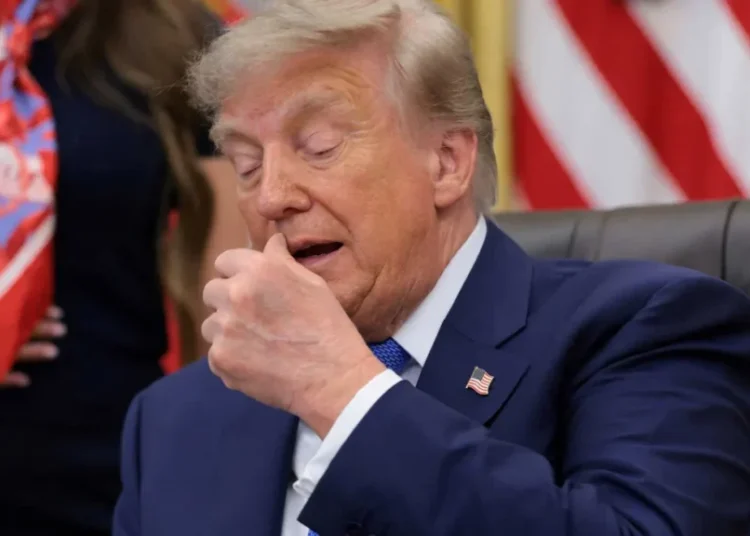
Speaking to reporters at the White House on Tuesday Mr. Trump signaled support for the package of penalties and said that lawmakers might be looking to expand the reach of the legislation to include those who do business with Iran and Hezbollah, in addition to countries and businesses that buy oil and gas from Russia.
“This is in honor of Lindsey,” Mr. Trump said during remarks in the Oval Office on Tuesday when asked if he would sign a sanctions package into law. “This was his thing, he wanted this more than any other thing. You know how he felt.” He added: “And there’s a good chance that it gets done. But they’d like to add Iran. And they’d like to add Hezbollah to it. That’s what I’m hearing.”
Mr. Graham’s death left the legislation without its most fervent Republican champion on Capitol Hill, and while his colleagues in both parties have said they hope to press forward in his honor, it was not clear whether his loss would sap the package of its momentum or propel it to enactment.
The day before he died, Mr. Graham was heartened by a supportive email from White House officials to a group of senators who had been working with him on legislation that would impose stiff new penalties on those who buy Russian oil and gas.
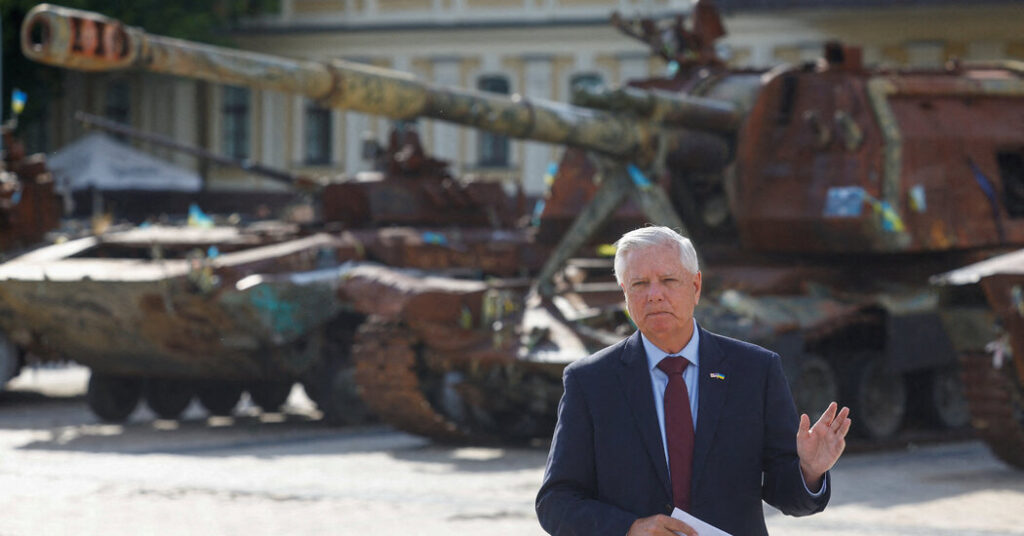
Standing in Mykhailivska Square in Kyiv on Friday with destroyed Russian armored vehicles on display in the background, Mr. Graham announced that he had reached a breakthrough.
“I’m pleased to announce, as of about 30 minutes ago, we’ve reached agreement with the White House on a version of the Russian sanctions bill that they will support,” he told reporters. “It means it’s going to become law. So, when I get back to Washington, I’m going to go with Senator Blumenthal to the Republican and Democratic leader to see if we can find time to move this Russian sanctions package that would give tools to President Trump to help end this war.”
It was his last public act.
Senators Richard Blumenthal of Connecticut, Mr. Graham’s Democratic partner on the bill who spoke to him hours before his death, said that the support from the White House was the most significant sign of support since they had embarked on the effort together.
“It was the reason Senator Graham was so exultant,” he said in an interview.
Still, it was not clear whether a deal on the measure would hold.
One person close to the development of Russia policy said Mr. Trump would be willing to support the sanctions bill only if it guaranteed him the sole right to suspend or decline to impose the penalties, a condition he regards as a critical negotiating tool but has been a sticking point before with Democrats. The person discussed the sensitive matter on the condition of anonymity.
And Mr. Trump has made clear to advisers that the issue is not a legislative priority for him.
The measure has languished with stops and starts for more than a year, largely because of resistance from the president.
Mr. Graham’s latest proposal was the culmination of a yearslong campaign to empower the president to impose sweeping penalties on Russia while targeting countries that continue purchasing Russian energy with punishing secondary tariffs.
Initially the bill earned the support of more than 85 senators, a remarkable show of bipartisan resolve to support Mr. Graham’s argument that financial penalties would significantly change the tide of the war. But the effort repeatedly stalled as Mr. Trump pursued his diplomatic efforts with Mr. Putin directly, sidelining Congress and prompting Republican lawmakers to stand down.
That dynamic appeared to shift only in Mr. Graham’s final days, when the senator announced that he and the White House had reached agreement on revisions that could clear the way for presidential backing.
Now his absence has transformed the politics surrounding the legislation.
“Lindsey had been working that issue for a long time,” Senator John Thune of South Dakota, the majority leader, said during an interview on CNN on Monday. “It’s one of those things he’s very passionate about, he wants to see a free and independent Ukraine as all of us do.”
“I’m hopeful we can get that done,” he added.
Senator Katie Britt, Republican of Florida, was among those who in the wake of Mr. Graham’s death became a vocal champion of moving ahead with the legislation.
“It is an honor to help champion one of his highest priorities: imposing crushing sanctions to cripple Russia’s war machine and hold those fueling it accountable,” she said on Tuesday. “Putin’s war against Ukraine has claimed hundreds of thousands of lives, and it must end.”
David E. Sanger and Maggie Haberman contributed reporting.
The post Graham’s Death Leaves Fate of Russia Sanctions Bill Uncertain appeared first on New York Times.