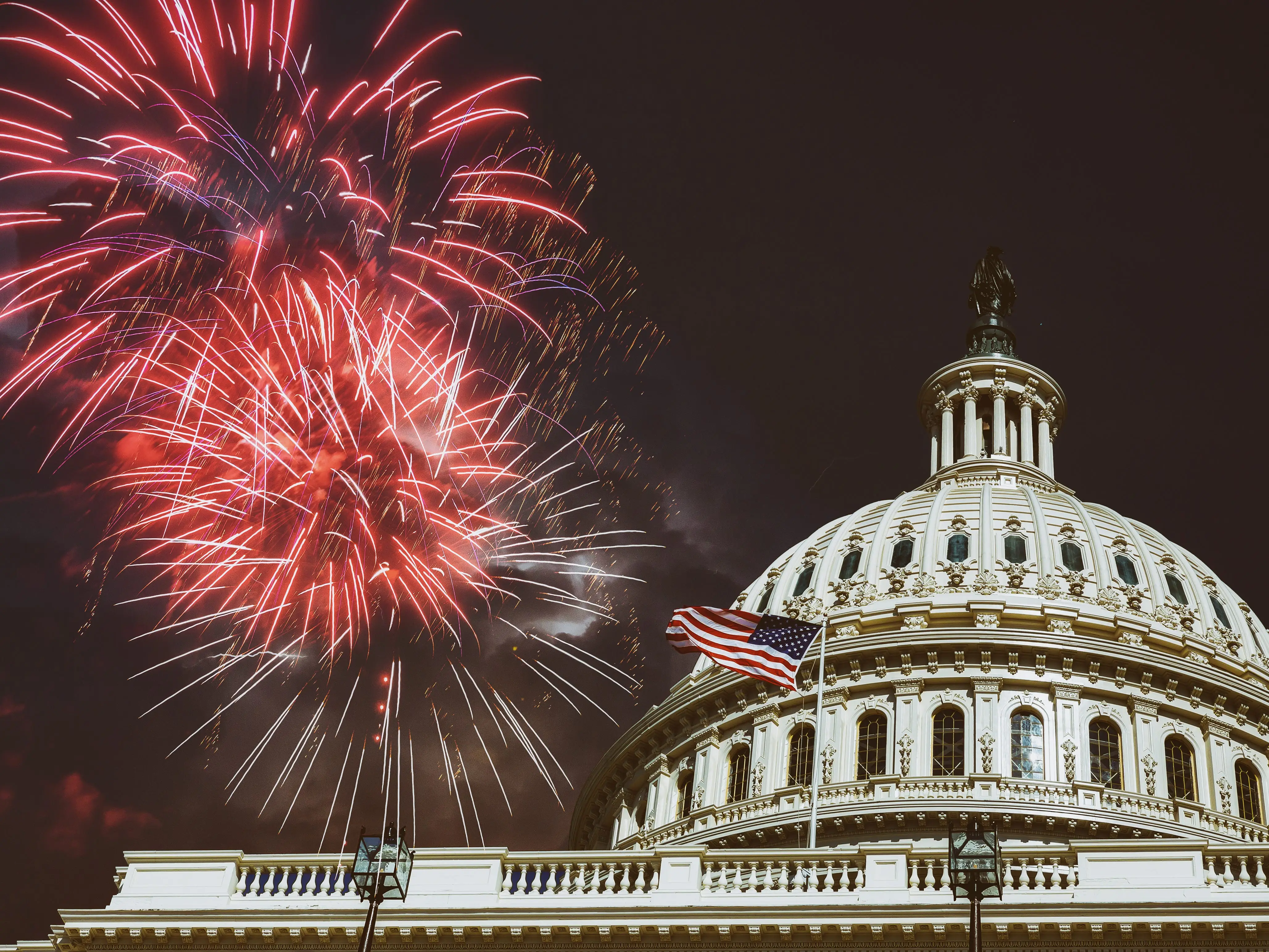
The United States is about to celebrate its 250th birthday, but some of its most famous traditions are even older.
Thanksgiving has been celebrated since 1621 — nearly 400 years — while the Fourth of July has been celebrated since 1777, predating the swearing in of the nation’s first president by over a decade.
Some of America’s other oldest traditions are a bit more unusual. Placing pickle-shaped ornaments on Christmas trees, for example, has been a tradition for some households since the late 1800s.
See 24 of America’s oldest traditions that are still celebrated today.
The first Thanksgiving was celebrated in 1621, over 150 years before the Revolutionary War.
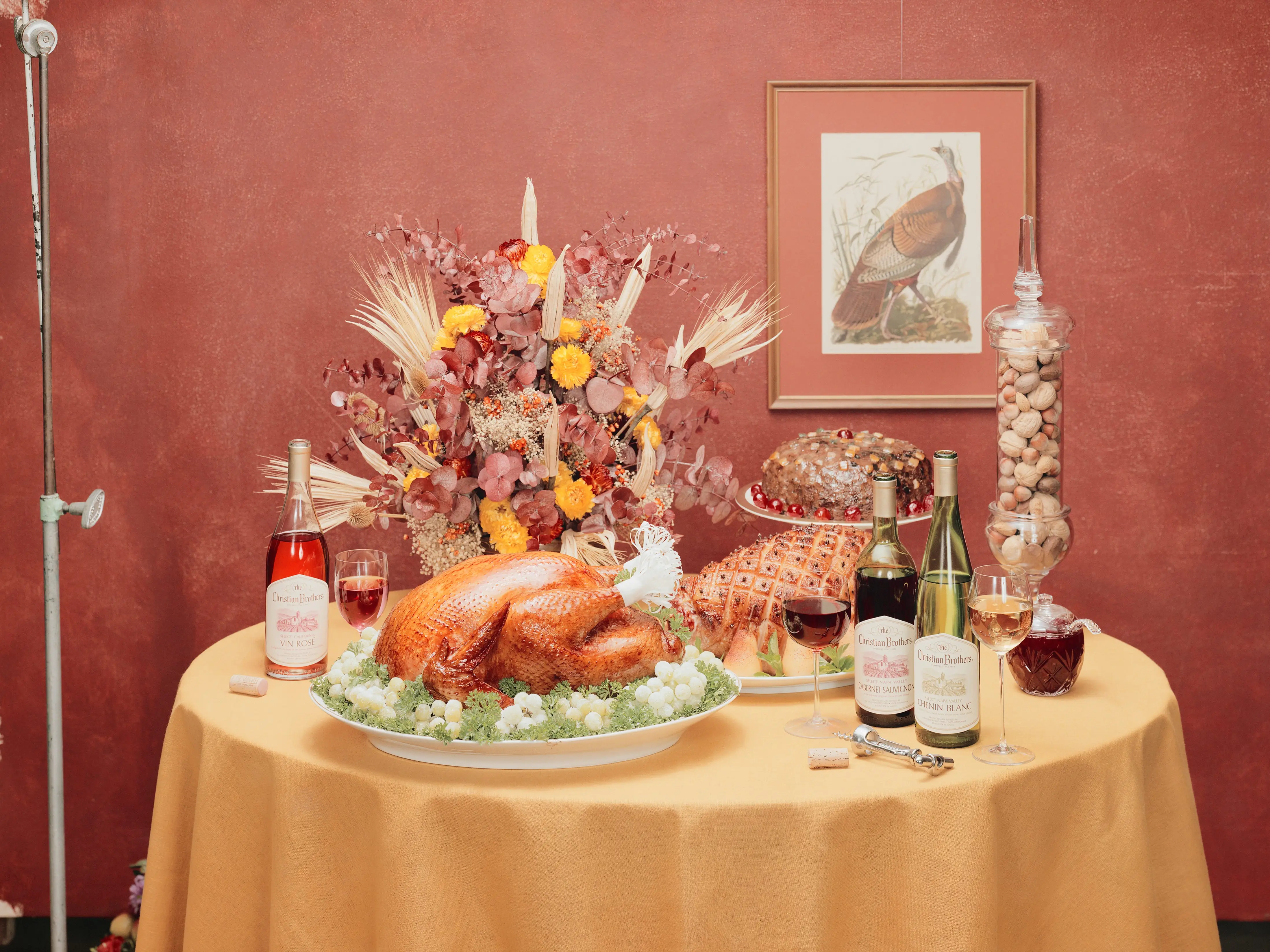
Though this is the first record of a Thanksgiving celebration, it wasn’t until midway through the Civil War that Abraham Lincoln declared it a national holiday. In 1863, he made the proclamation in celebration of a year that he said “has been filled with the blessings of fruitful fields and healthful skies.”
The holiday has inspired some unique offshoot traditions, like the presidential turkey pardon.
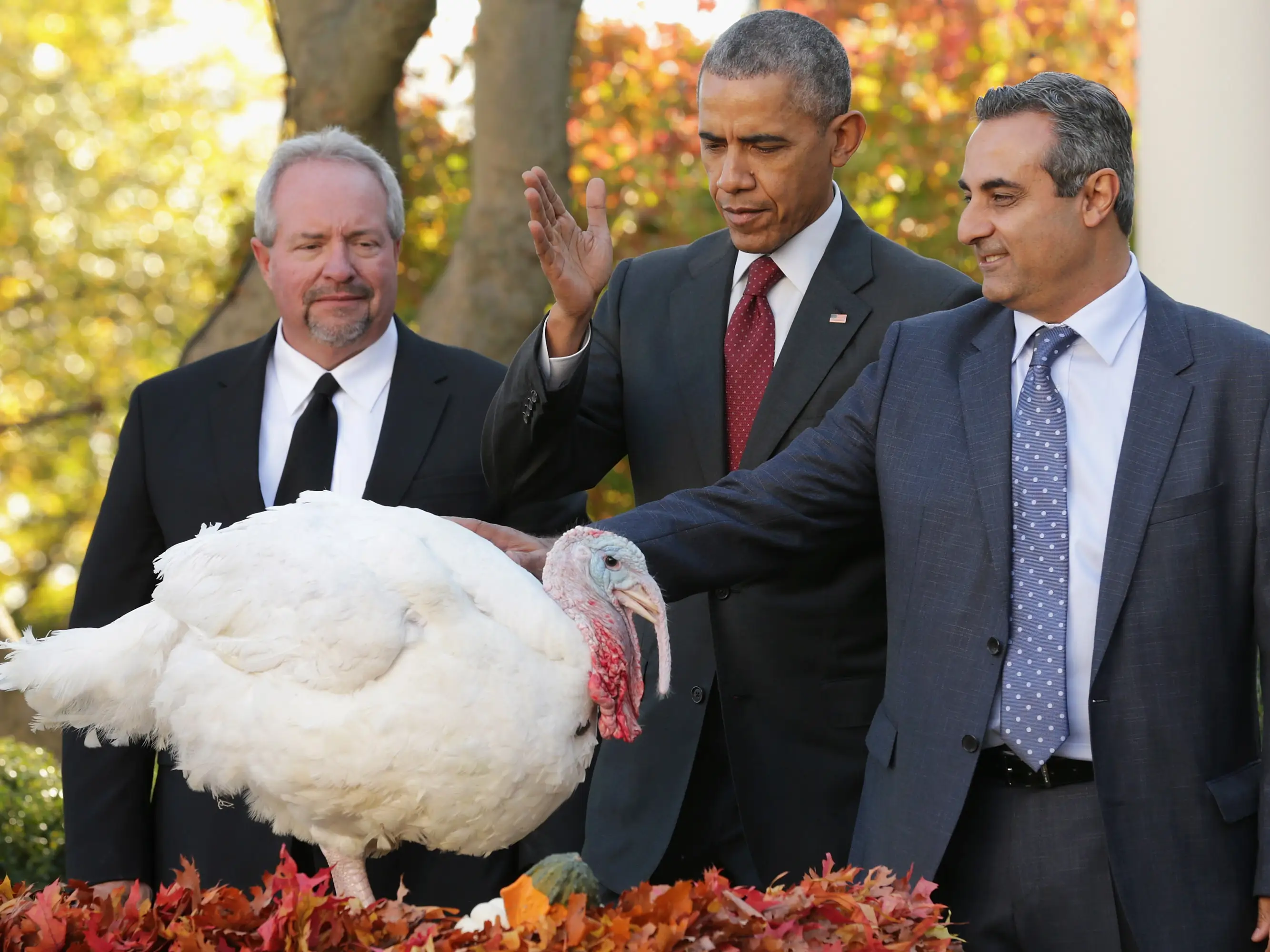
The unusual tradition of turkey pardoning also dates back to Lincoln. According to the magazine American History, the ritual came about when Lincoln’s son, Tad, objected to the killing of a live turkey for dinner. His wish was obeyed, but it didn’t become an annual tradition until much later.
Though other presidents like John F. Kennedy also pardoned turkeys, it was George H.W. Bush who made it official in 1989, according to History.com.
Mardi Gras festivities surprisingly didn’t start in New Orleans.
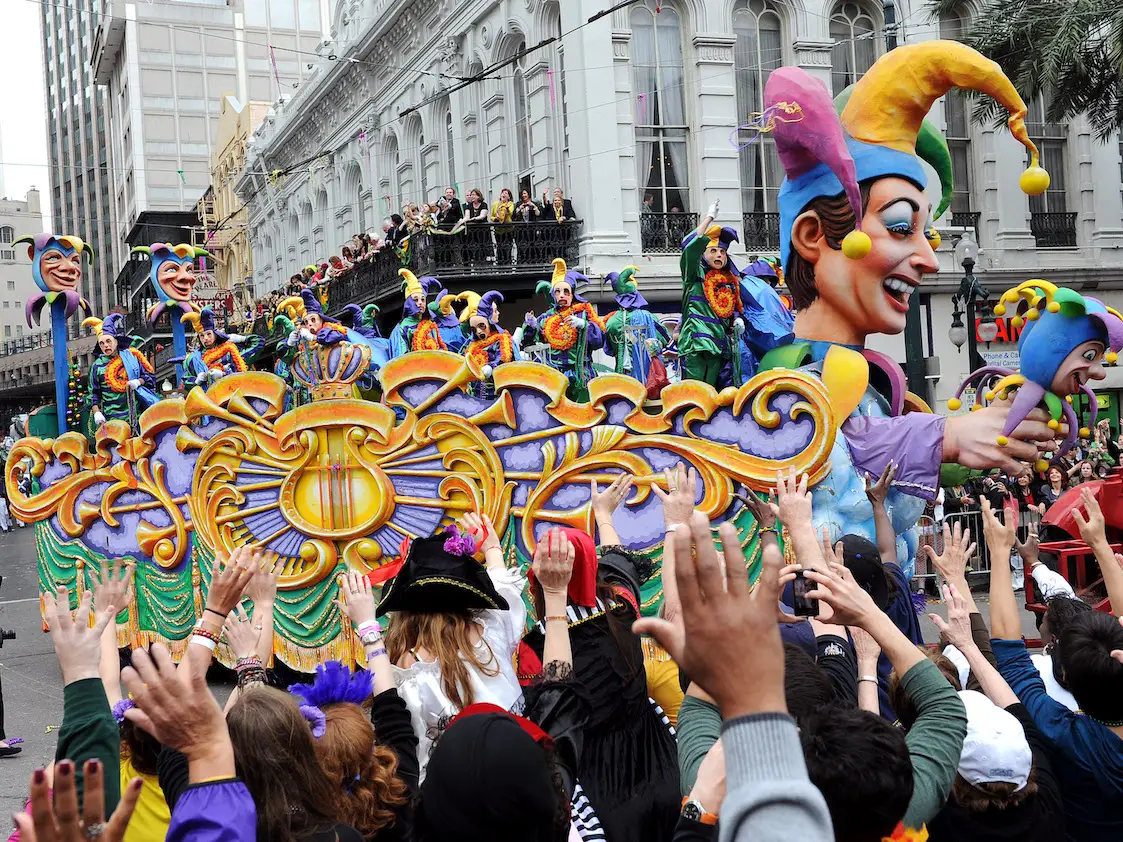
Mardi Gras’s origins come from a French-Canadian explorer, Pierre Le Moyne d’Iberville, who arrived in Louisiana in March 1699. He named the location at the mouth of the Mississippi River Point du Mardi Gras, according to History.com.
But the first recorded Mardi Gras celebration actually took place in Mobile, Alabama, four years later. The holiday, which is French for “Fat Tuesday,” is now widely associated with New Orleans due to the city’s French heritage.
Pumpkin carving has been around since 1866.
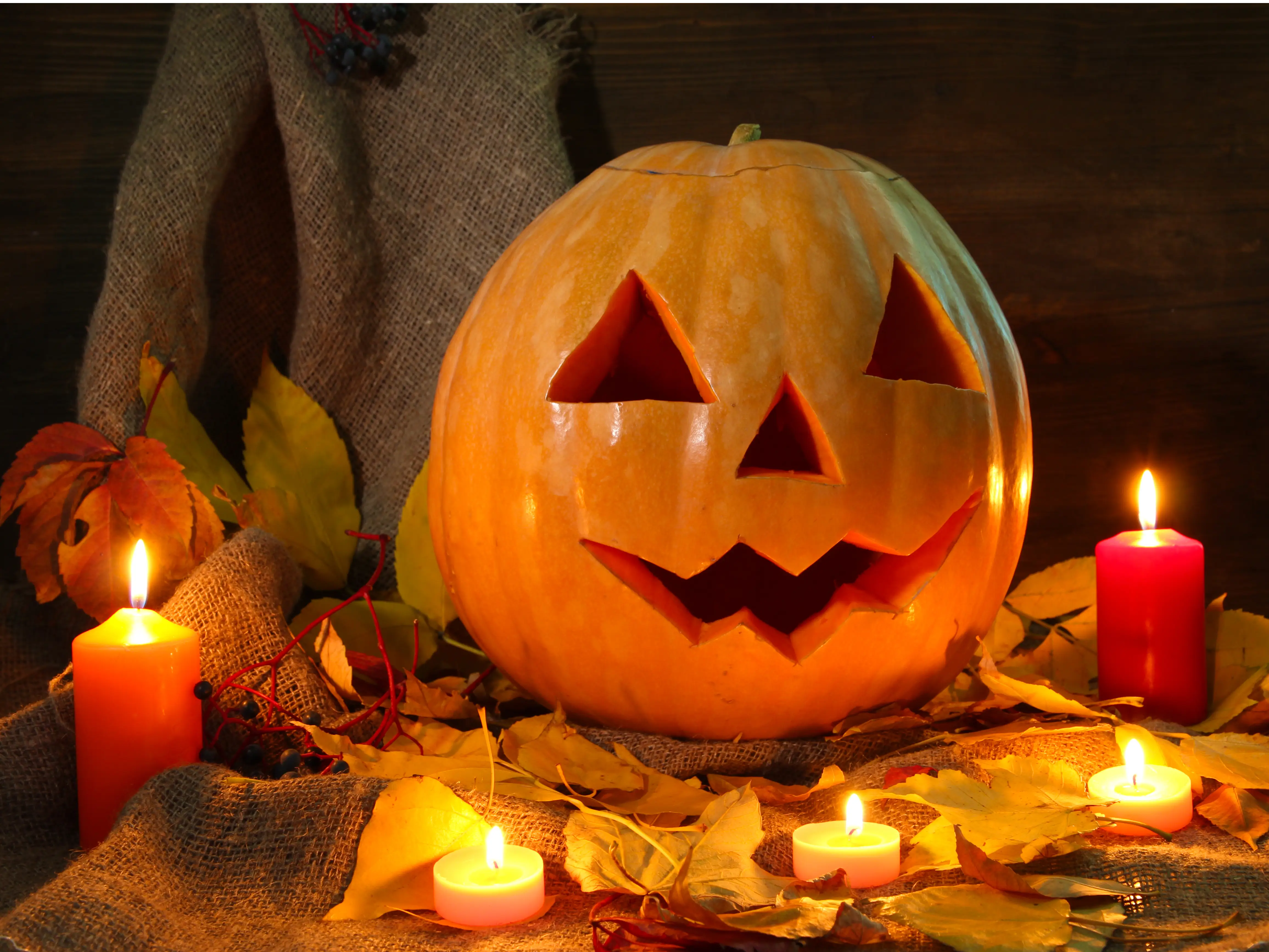
According to legend, the Halloween tradition of pumpkin carving likely has roots in Ireland, where people would carve faces into turnips or potatoes to ward off a man named “Stingy Jack.” It might also have originated among Irish immigrants in the US, per National Geographic.
The first reference to pumpkin carving in the US was in the children’s magazine Harper’s Young People, which reported “a great sacrifice of pumpkins” for Halloween in 1866.
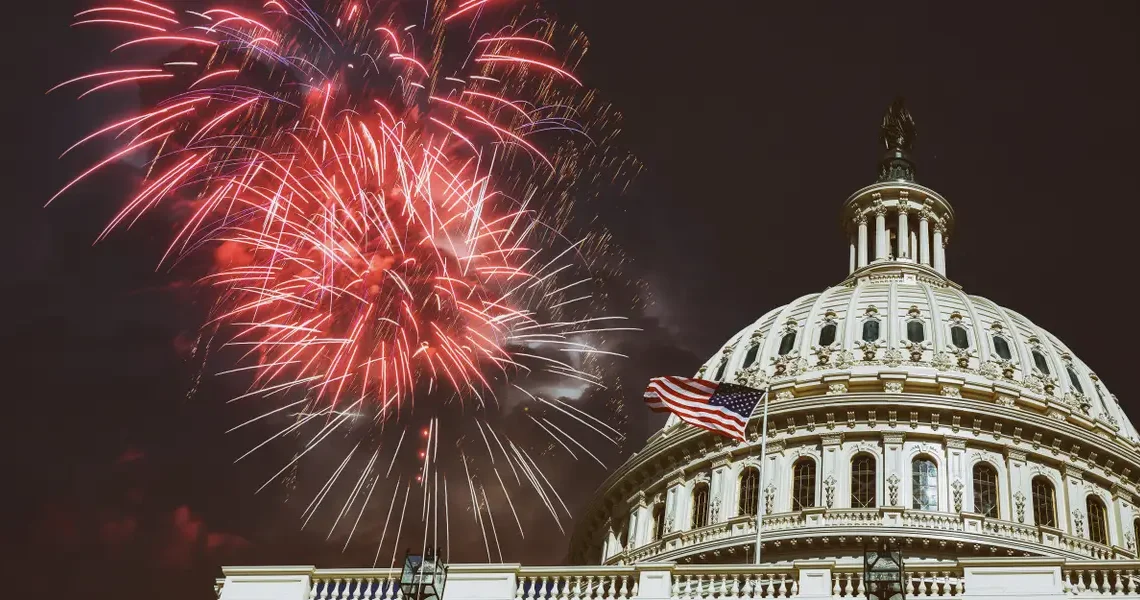
The Fourth of July has been celebrated with fireworks since 1777, a year after the colonies claimed independence from Great Britain.
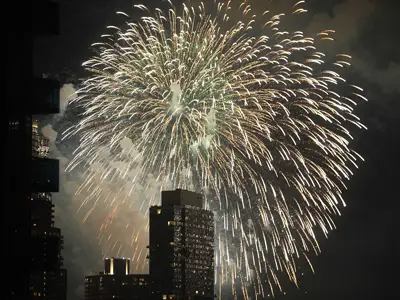
Though Fourth of July celebrations have been a tradition since 1777, it was not made a national holiday until 1870 and a paid federal holiday until 1938, according to Congress.
Fireworks have also been a tradition since the first Fourth of July. That year, the Pennsylvania Evening Post reported, “At night there was a grand exhibition of fireworks (which began and concluded with thirteen rockets) on the Commons, and the city was beautifully illuminated.”
Groundhog Day dates back to 1887.
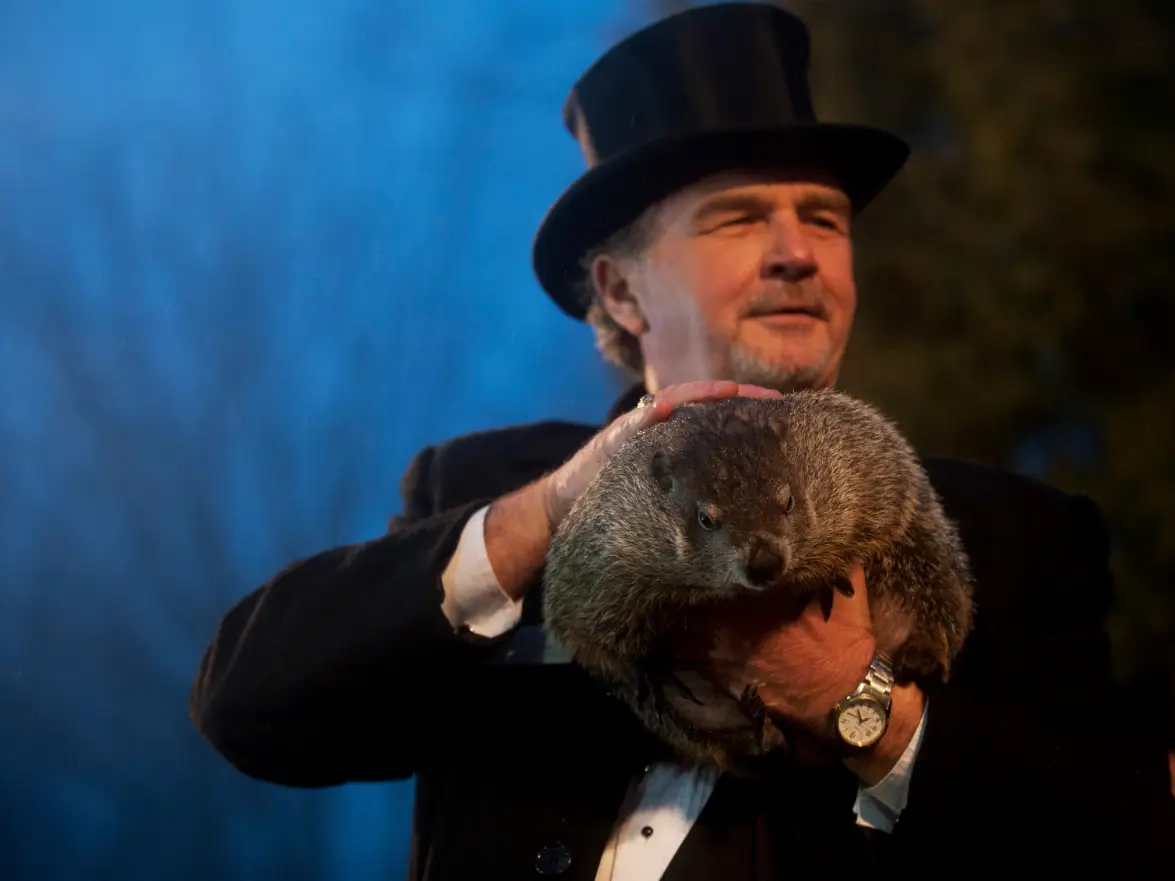
Every year on February 2 in Punxsutawney, Pennsylvania, an elaborate groundhog ceremony is held. Per tradition, if a groundhog named Punxsutawney Phil sees his shadow, it means winter will last for six more weeks; if he doesn’t, it means an early spring.
Other states and cities have their own groundhogs, too. New York City’s official groundhog, known as Staten Island Chuck, has an accuracy rating of 85%, according to the NOAA. This makes him the most accurate groundhog in the US, beating out Punxsutawney Phil, who ranked 17th on the list.
The first Groundhog Day was started by a newspaper editor Clymer Freas, who proposed the idea to the Punxsutawney Groundhog Club, according to History.com.
Stringing lights around Christmas trees started in New York City in 1882.
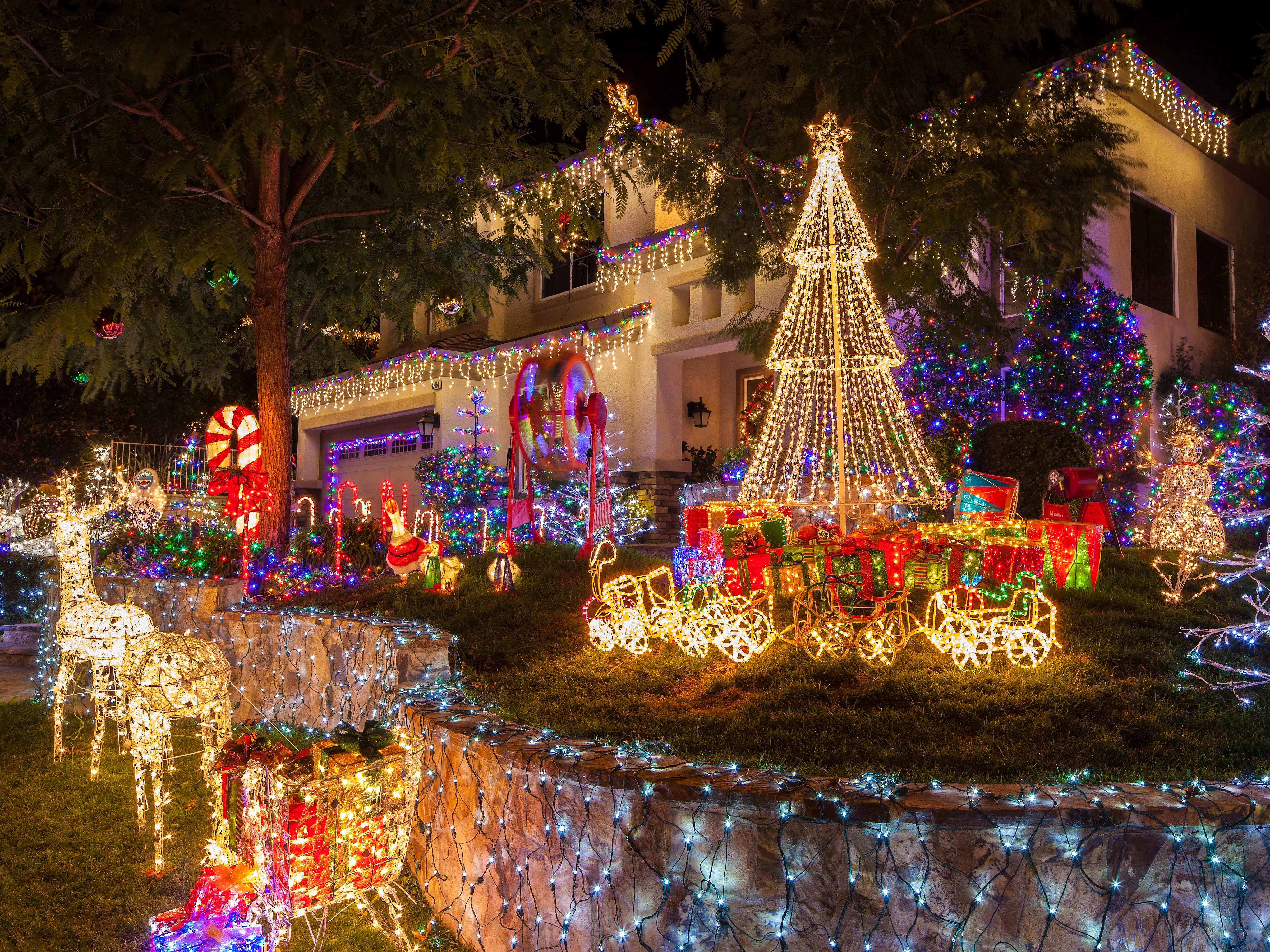
Edward Hibberd Johnson, a friend of Thomas Edison, came up with the bright idea to string lights around Christmas trees, according to the Smithsonian. Trees had previously been lit up with candles, a dangerous fire hazard.
Having pickle-shaped ornaments on Christmas trees has been an American tradition since the late 1800s.
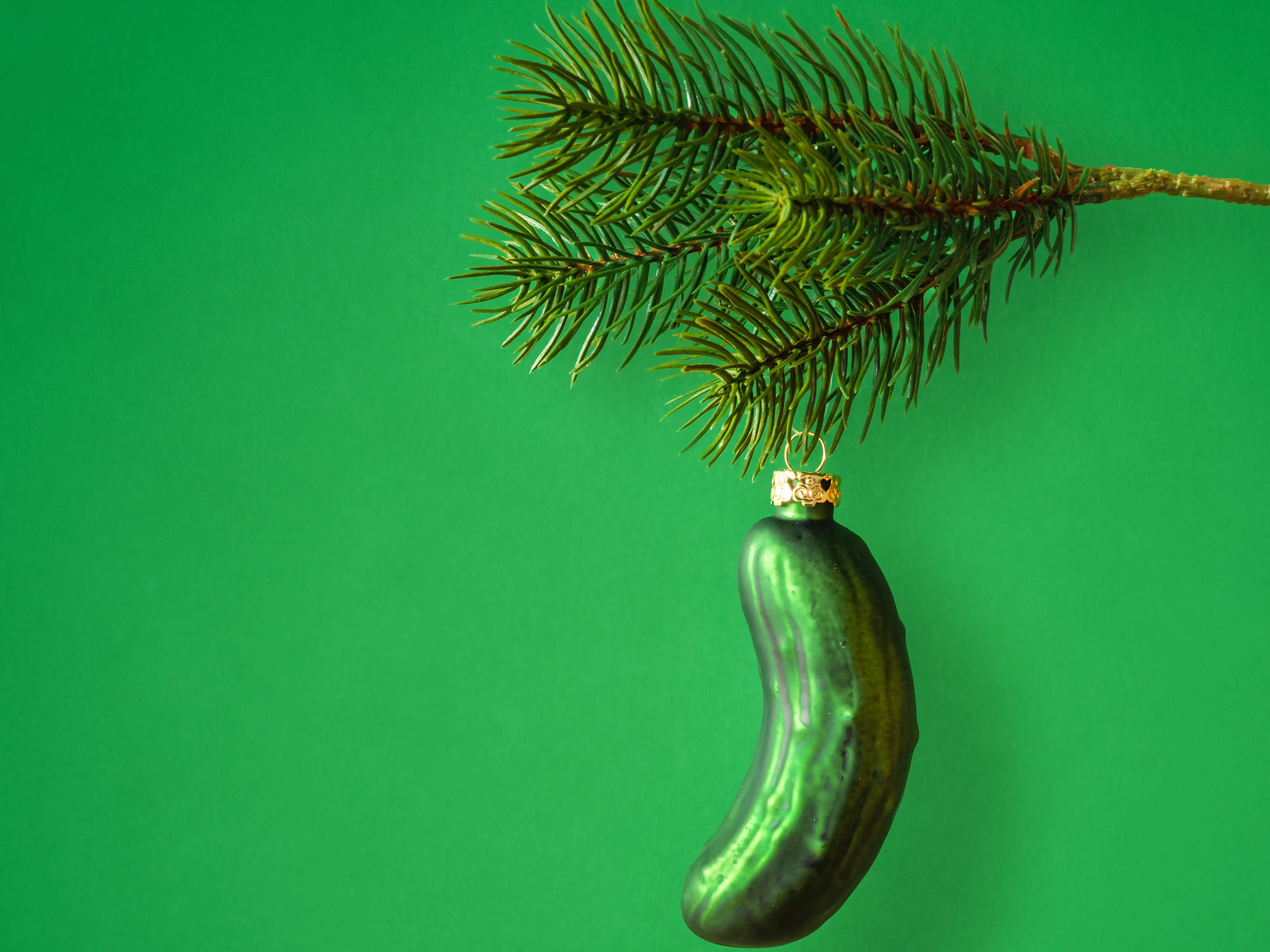
The tradition likely grew from a Woolworths marketing strategy. After the store received a huge shipment of pickle-shaped ornaments, it proposed the idea of hiding a pickle in the Christmas tree to see who could find it, according to History.com.
Gift-giving at Hanukkah was started by European Jews who moved to America.
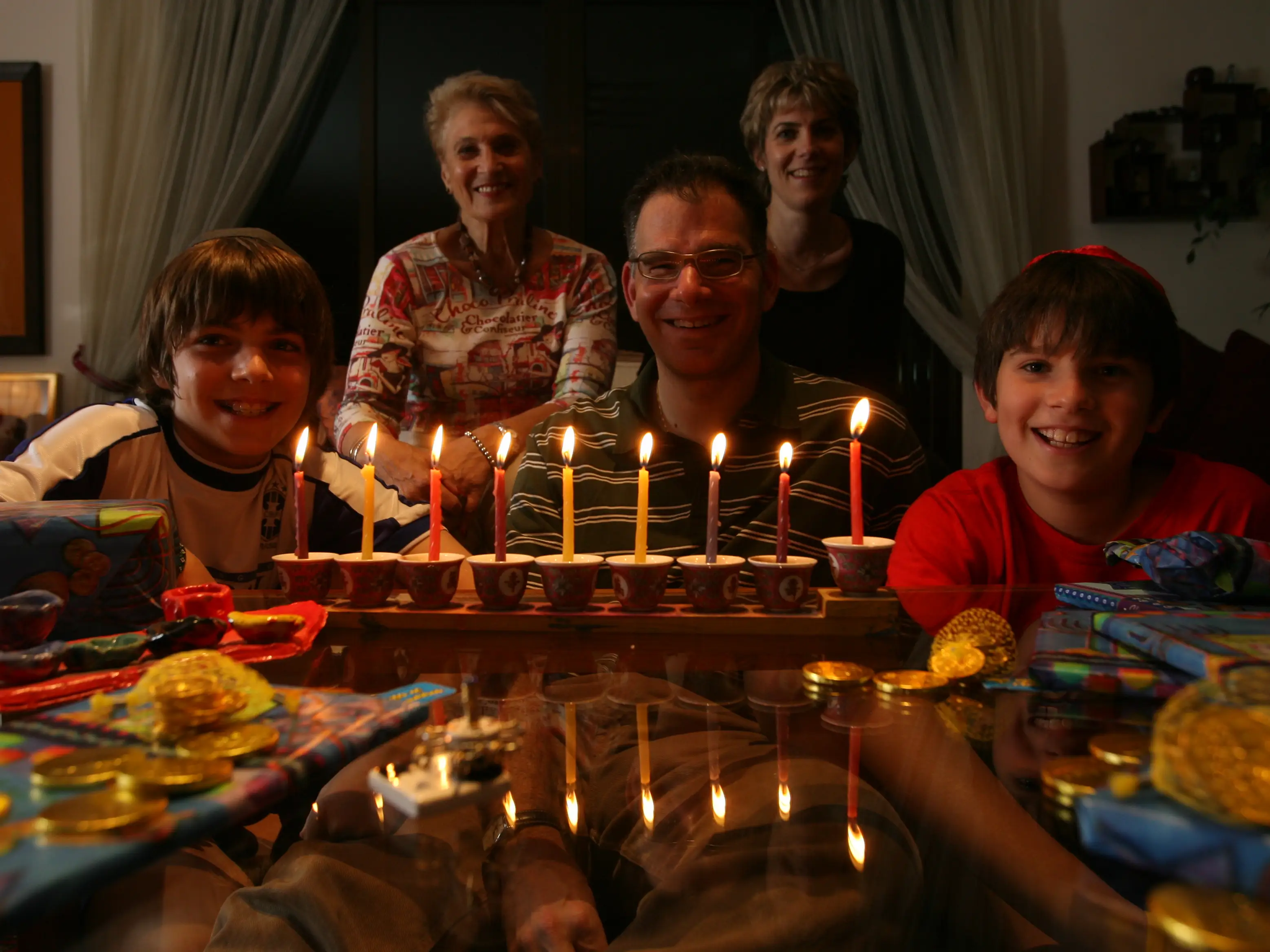
Hanukkah was actually a relatively minor holiday before it saw a rise in popularity in the US. Gift-giving had started by the 1920s, largely because “parents didn’t want their children to feel left out as their peers received presents every December” at Christmas, Time reported.
Easter fashion parades started in New York City in the mid-1800s.
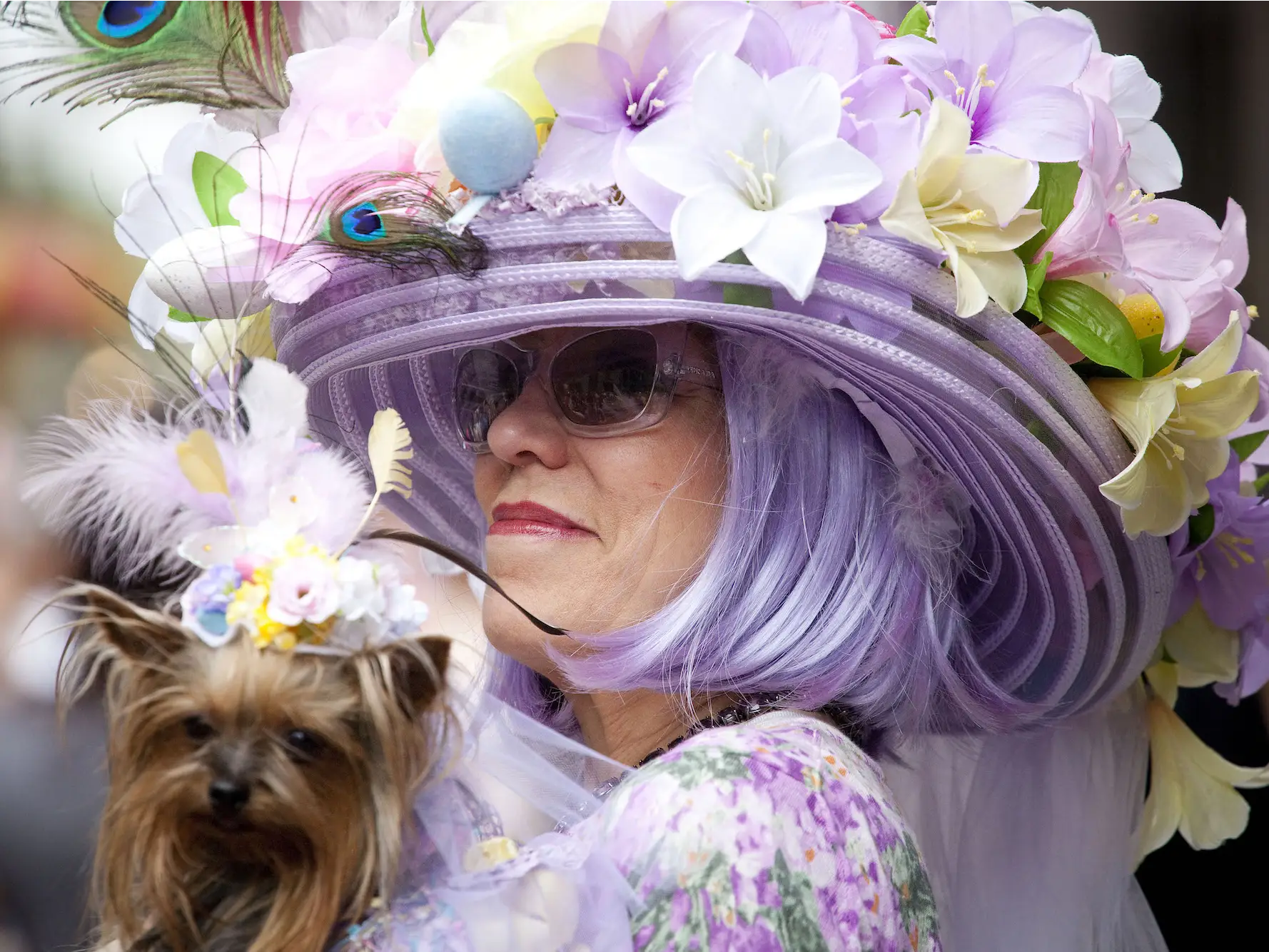
The parades were founded on an old superstition that wearing new clothes at Easter time meant good luck for the remainder of the year, according to Time.
In the mid-1800s, wealthy New Yorkers leaving the churches along Fifth Avenue would parade their fine clothing.
The first White House Easter Egg Roll was held in 1878.
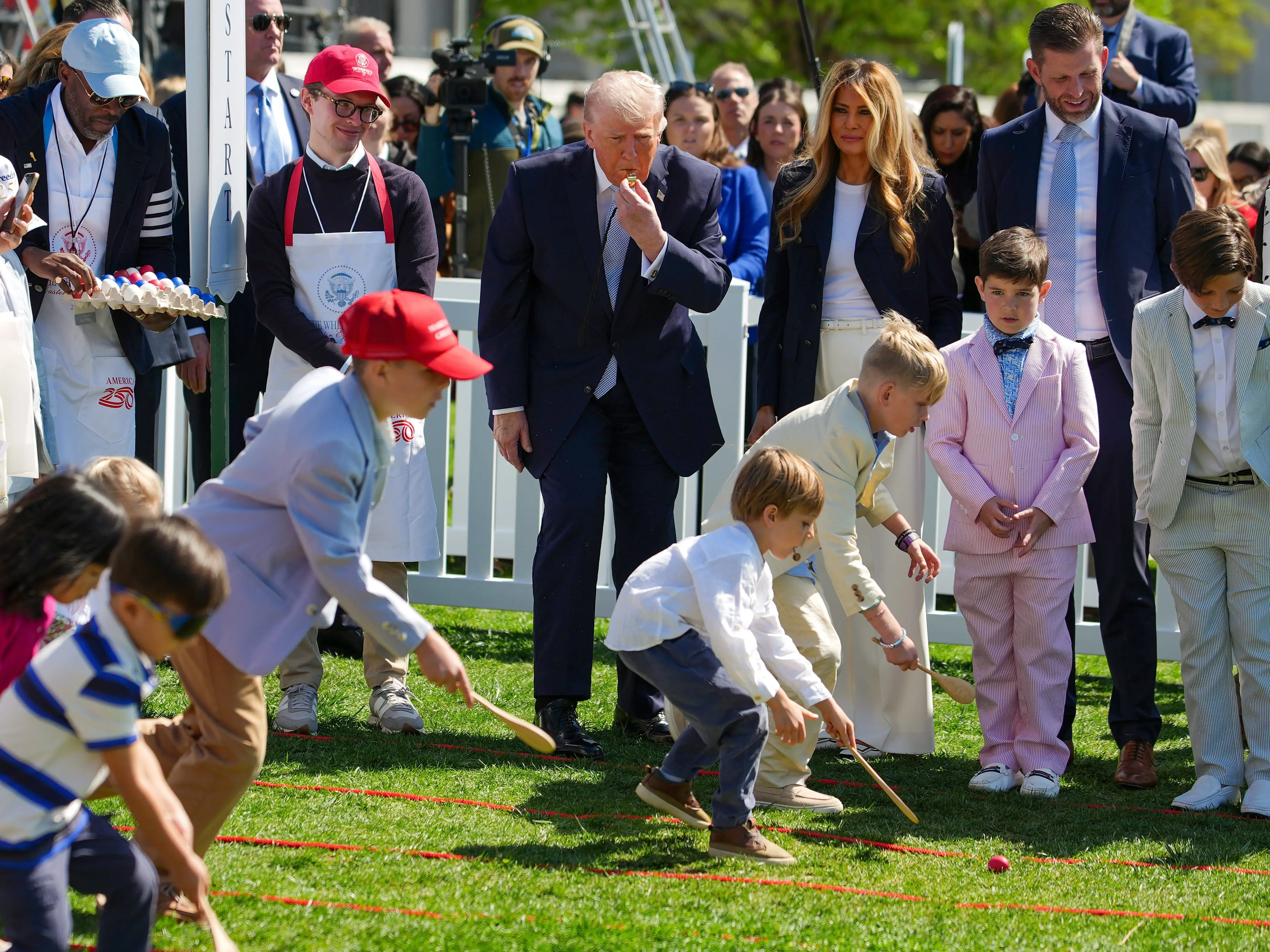
That year on Easter Monday, President Rutherford B. Hayes opened up the grounds to children looking to roll their Easter eggs. Seven years later, Grover Cleveland began the tradition of presidents speaking to the children and partaking in the activities.
The event has been canceled at various points since the tradition began, including during and after World War II and in 2020 and 2021 due to the COVID-19 pandemic.
Labor Day commemorates the achievements of American workers and has been a federal holiday since 1894.
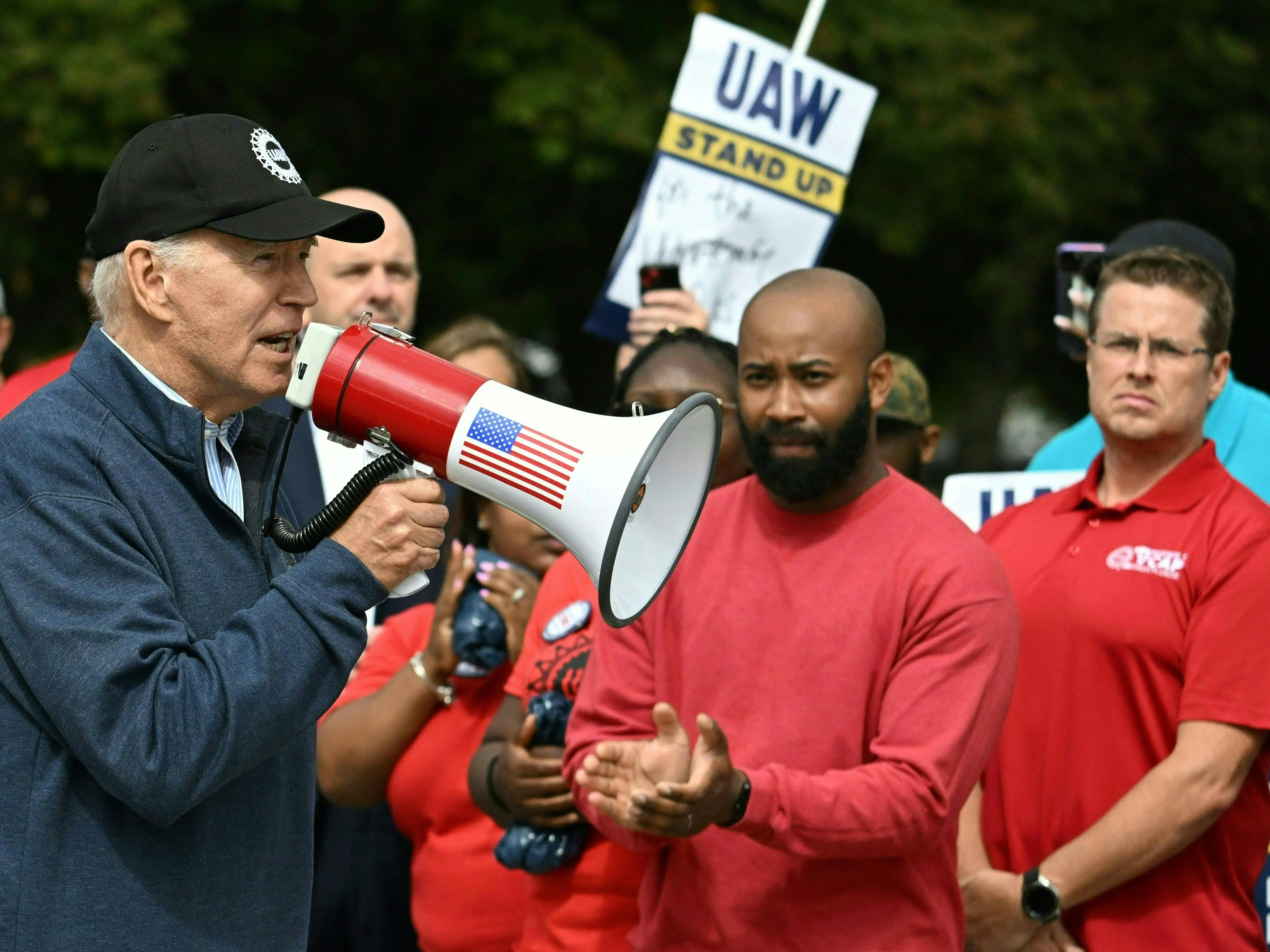
Labor Day was created by the labor movement in the late 19th century and signed into law by President Grover Cleveland in 1894, per History.com. It is traditionally observed on the first Monday of September, and includes parades, parties, and athletic events.
Presidents’ Day, previously celebrated on Washington’s birthday, was declared a federal holiday in 1879.
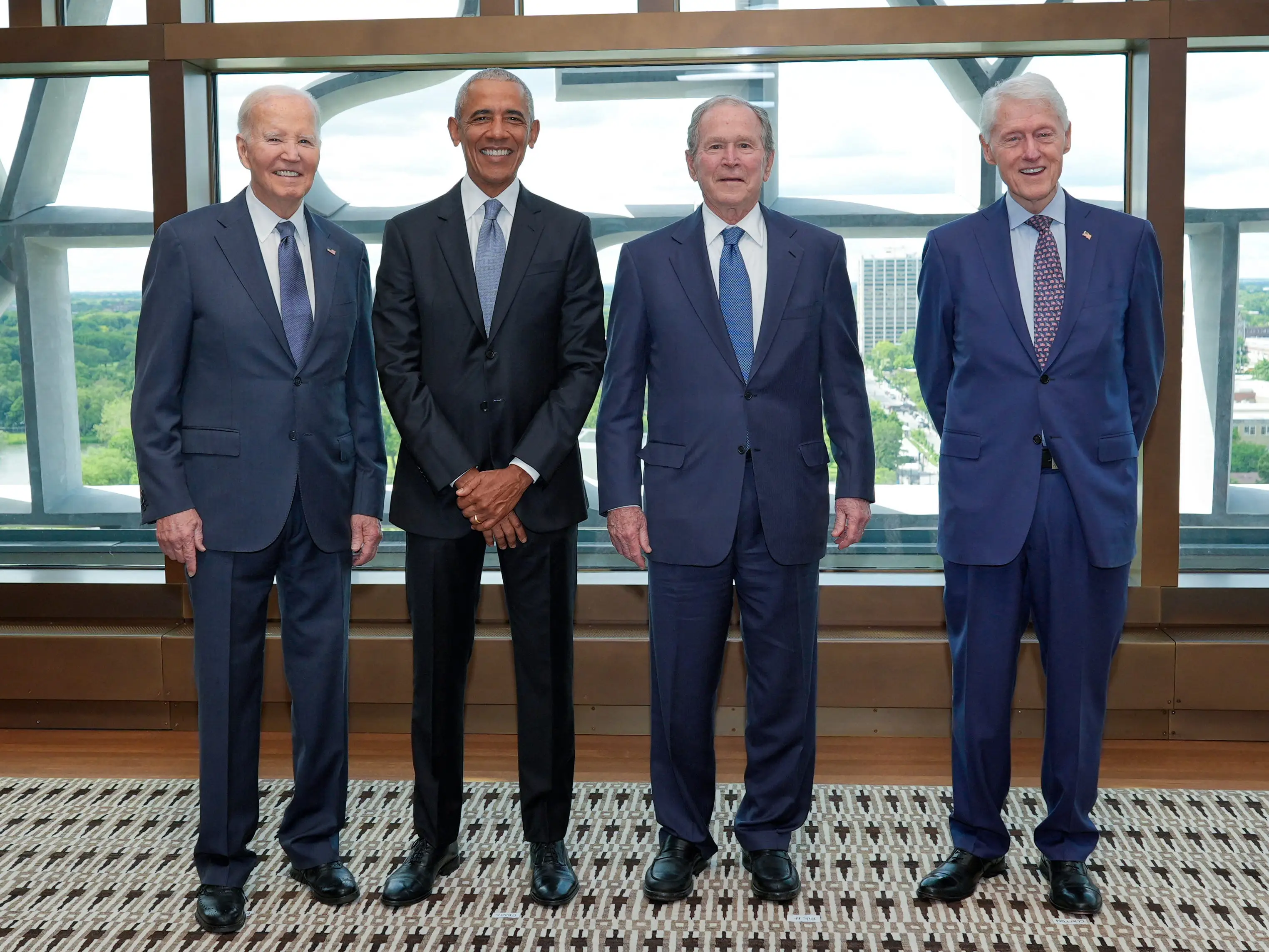
The holiday was originally celebrated on Washington’s actual birthday, February 22, until the Uniform Monday Holiday Bill of 1968 shifted the date to the third Monday in February, according to Britannica. The holiday is now more commonly referred to as Presidents’ Day, and is meant to honor all presidents of the United States.
Guidelines for the president’s inauguration are a part of the Constitution, but the ceremony itself is rooted in tradition rather than law.
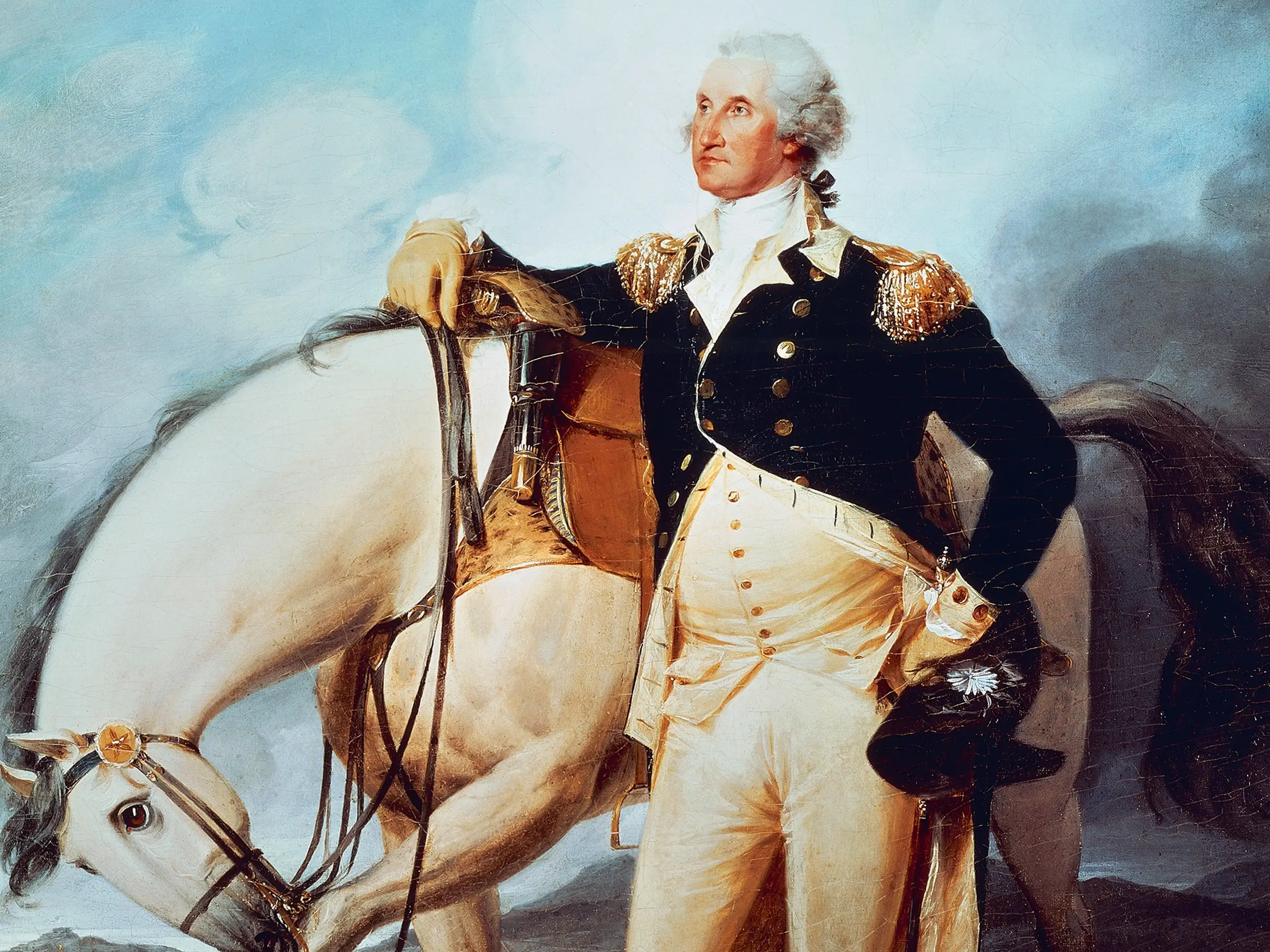
The Constitutional guidelines for the president’s inauguration only specify the date and words of the oath.
The president’s inaugural address is a tradition, and every president has given one. Inaugural celebrations are another tradition. George Washington famously danced the minute after his inauguration, according to the White House Historical Association.
Similarly, while most presidents have been sworn in while touching a Bible, it’s not required.
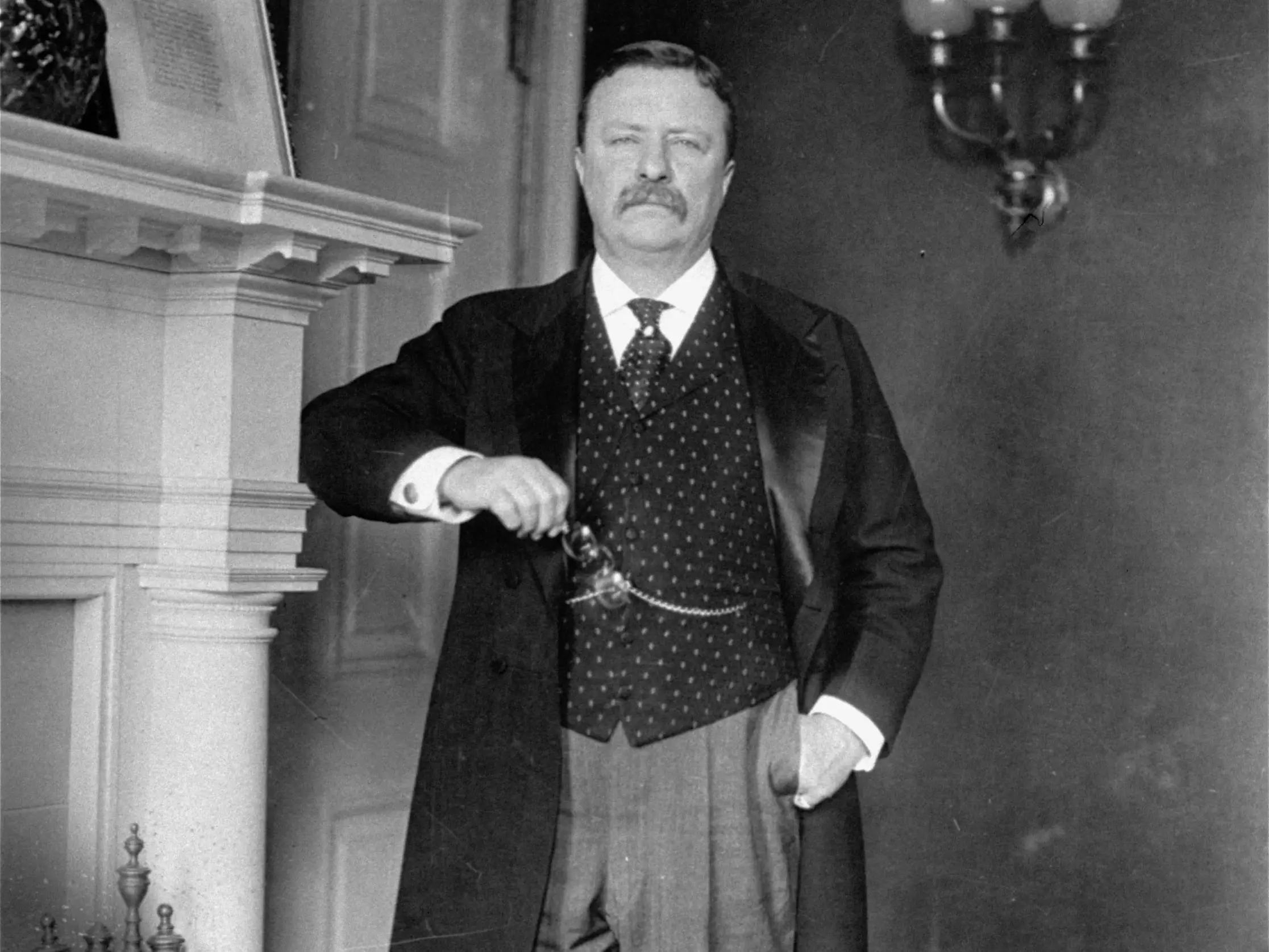
The tradition dates back to Washington. Most notably, Theodore Roosevelt, Franklin Pierce, and John Quincy Adams did not swear their oaths of office on the Bible; instead, they swore on law books.
Lyndon B. Johnson, sworn in on Air Force One after John F. Kennedy’s assassination, mistakenly used a prayer book, ABC News reported.
Whether or not the president swears on the Bible, by taking the oath, they commit to upholding the Constitution and executing the role of the president lawfully.
Alaska’s Nenana Ice Classic has been a tradition since 1917. It involves guessing what day the ice on the Nenana River will break in spring.

The tradition was started by railroad engineers, who bet a total of $800 on when the ice on the Nenana River would break, down to the date, hour, and minute, according to the National Snow and Ice Data Center.
Today, the jackpot for guessing right is far higher — this year’s was about $145,000. The event had a record jackpot in 2014 of $363,627.
Many universities also have long-standing traditions. Dartmouth’s Winter Carnival was first held in 1910 and continues to this day.
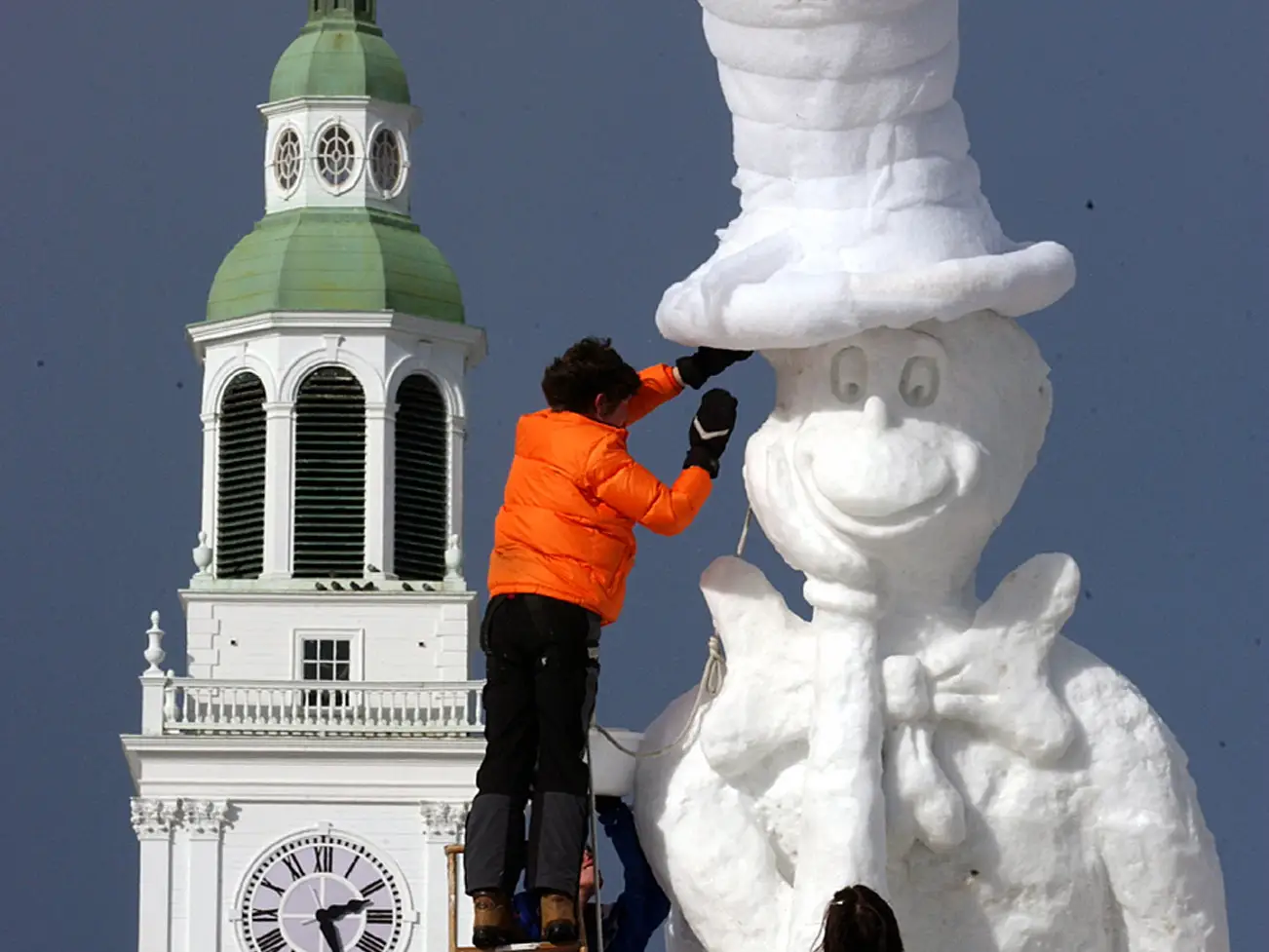
The carnival features events such as ski races, an ice sculpture contest, a polar bear swim, and a human dog sled race.
The World Series has been a tradition since 1903.
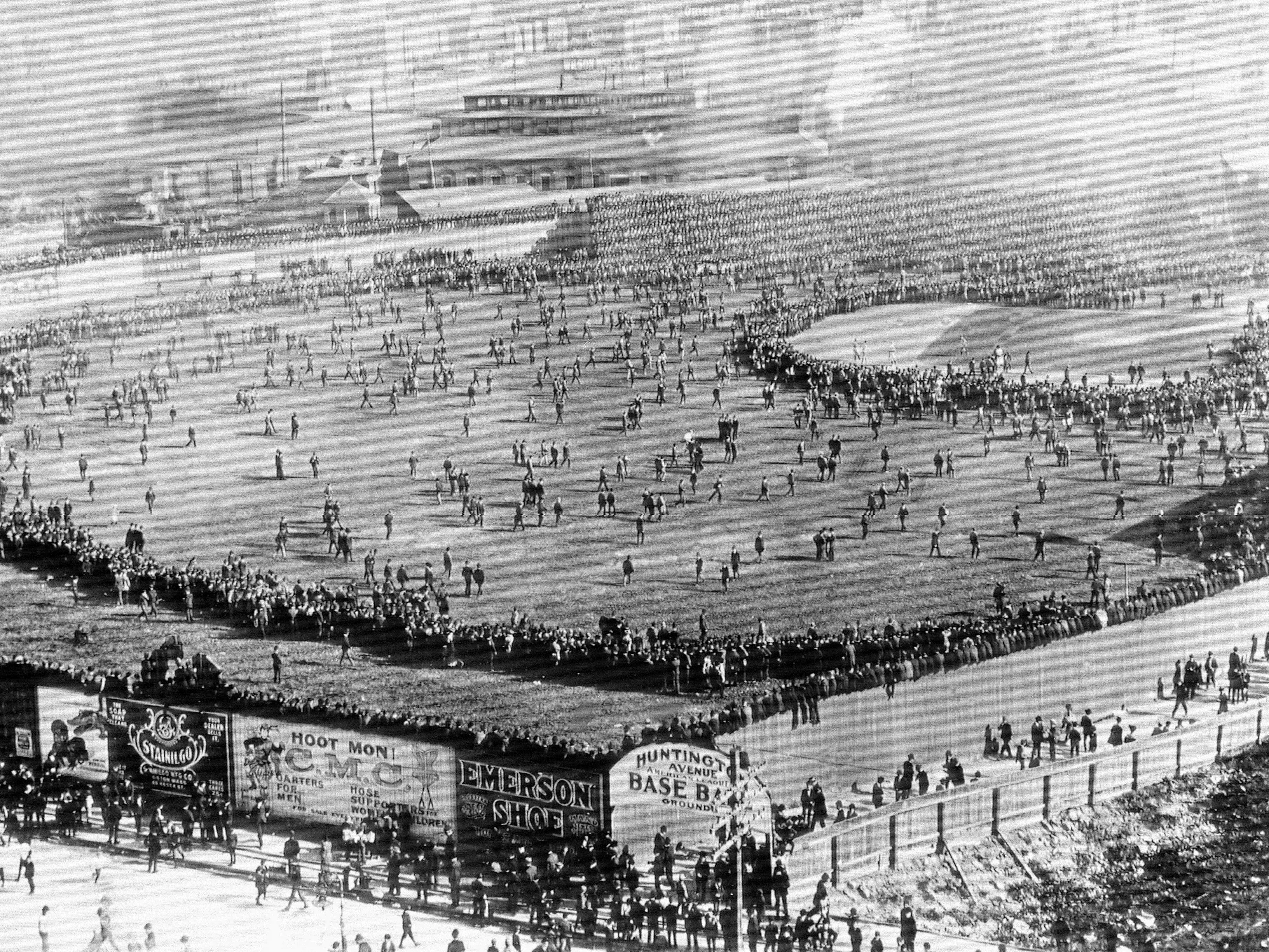
The first World Series was held between the National League’s Pittsburgh Pirates and the American League’s Boston Americans, according to Baseball Almanac. Boston won five games to three in a best-of-nine series.
The first Army-Navy college football game was played in 1890.
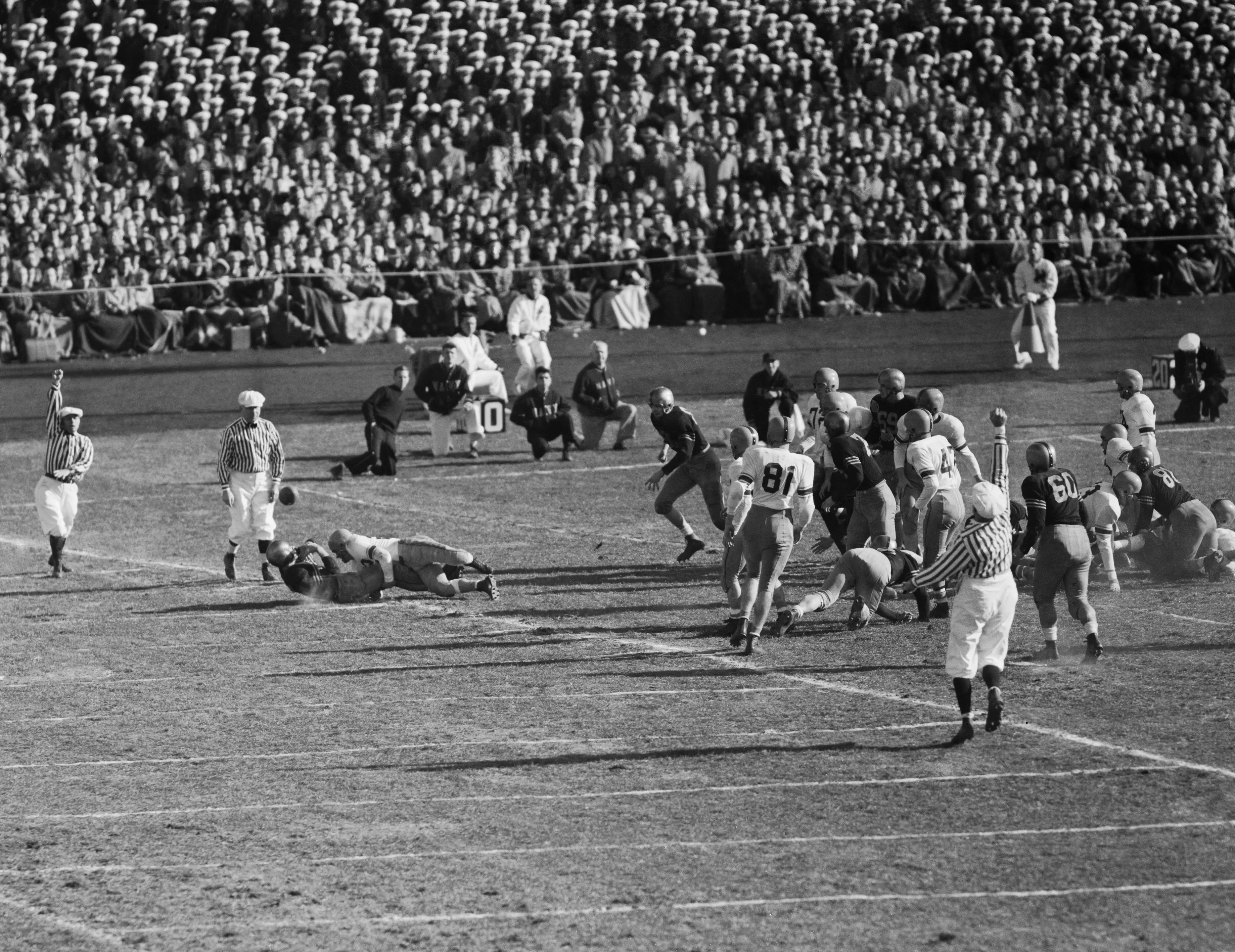
Since then, there have been 10 times when the annual game wasn’t held, per the Army. The two teams have played 119 times, with Navy winning 60 games to Army’s 49.
The game between Harvard and Yale is even older.
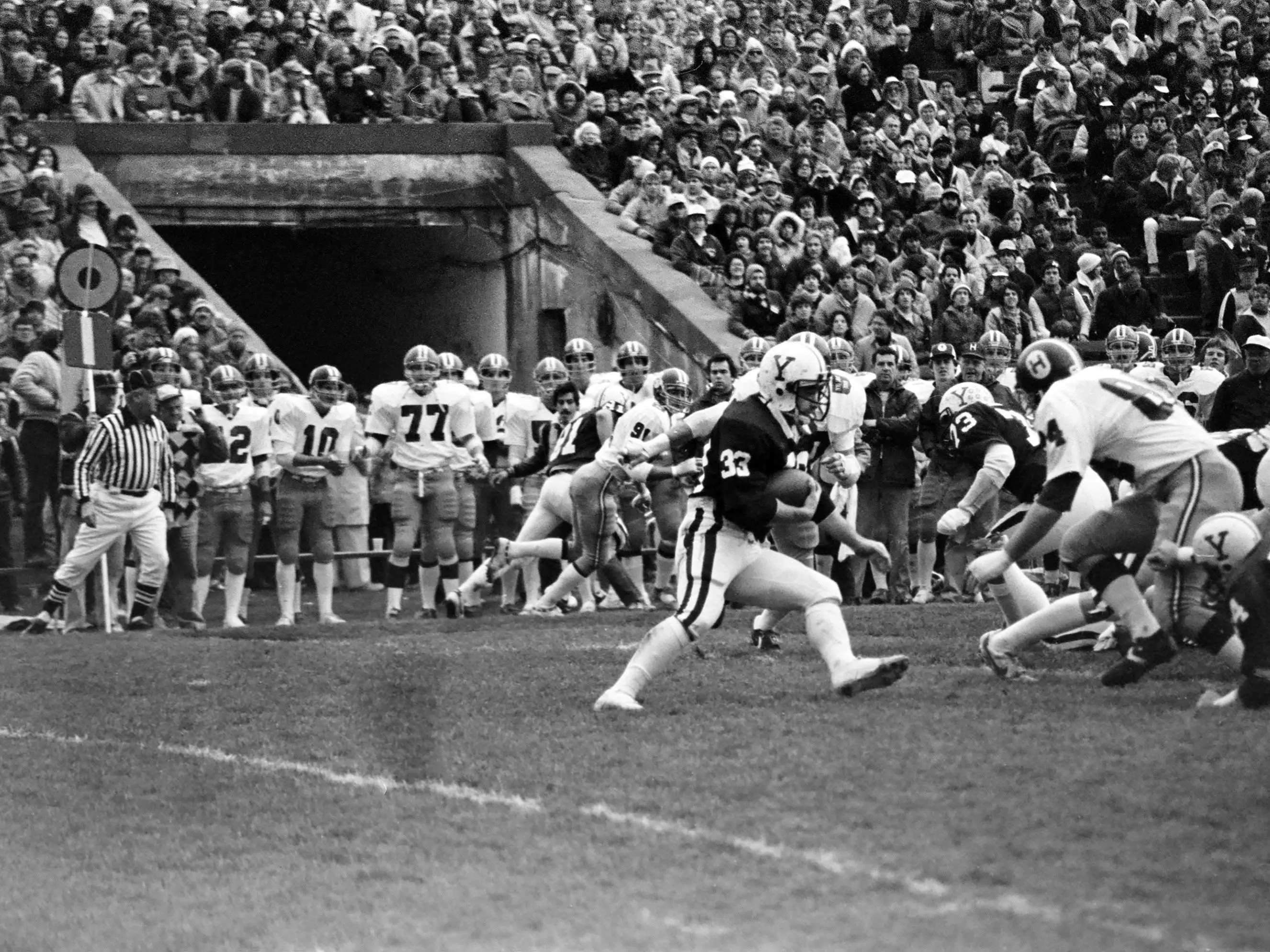
On November 13, 1875, Yale and Harvard wore the first team uniforms in an American intercollegiate football game, per Connecticut History.
Cheerleaders performing alongside athletes is another American tradition — it was started by a male cheerleader in 1898.
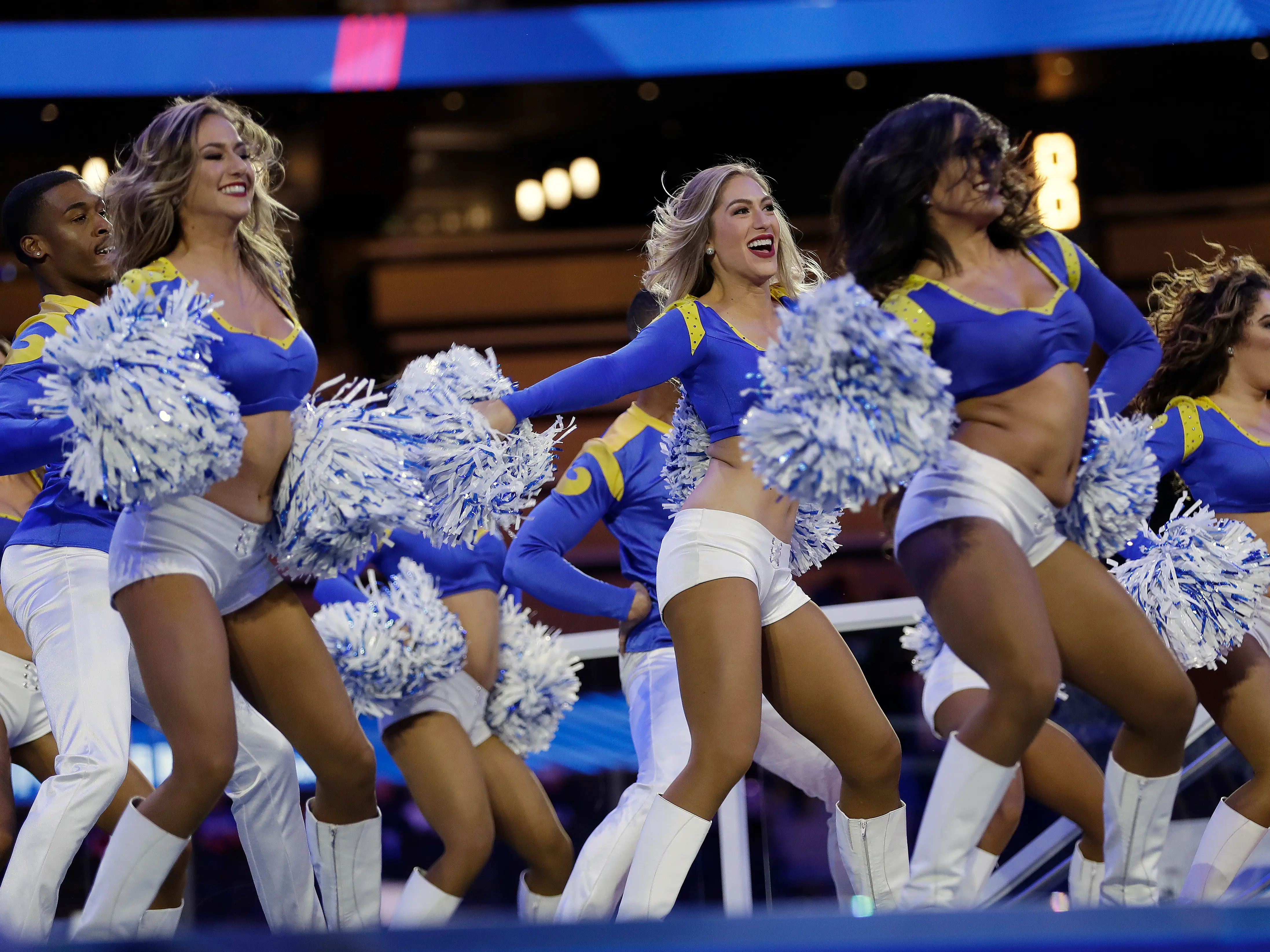
On November 2, 1898, University of Minnesota student Johnny Campbell led the first organized cheer at a football game between Minnesota and Princeton University, according to USA Cheer.
The Pledge of Allegiance has been widely recited in schools since 1892.
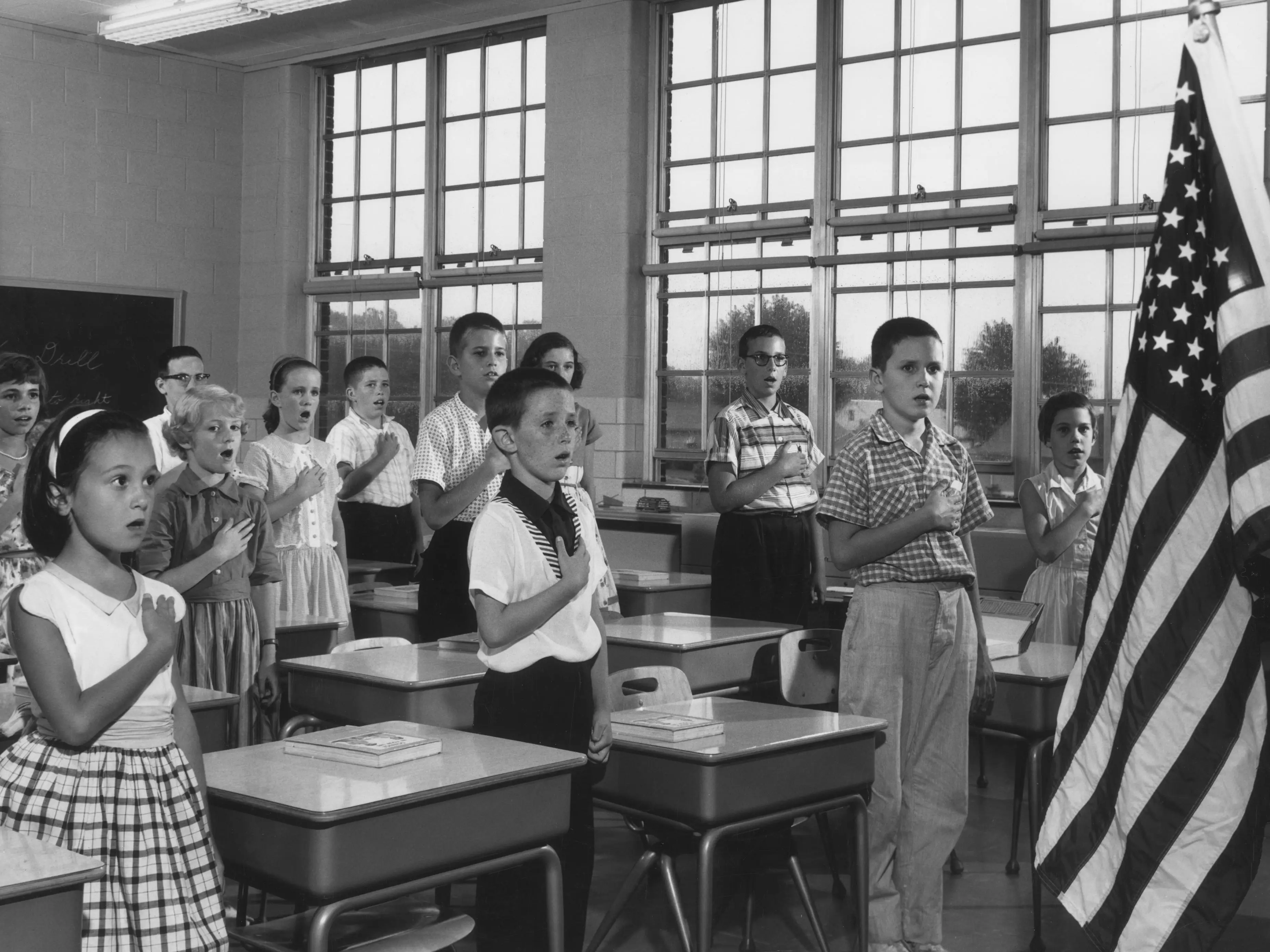
Francis Bellamy wrote the first version of the pledge in the late 19th century and began promoting it to schools as part of a marketing effort from the magazine Youth’s Companion, Smithsonian Magazine reported.
The words “under God,” weren’t added until the 1950s, when Congress launched an effort to distinguish itself from the atheism of the Soviet Union.
“The Star-Spangled Banner” has long been a mainstay at sporting events.
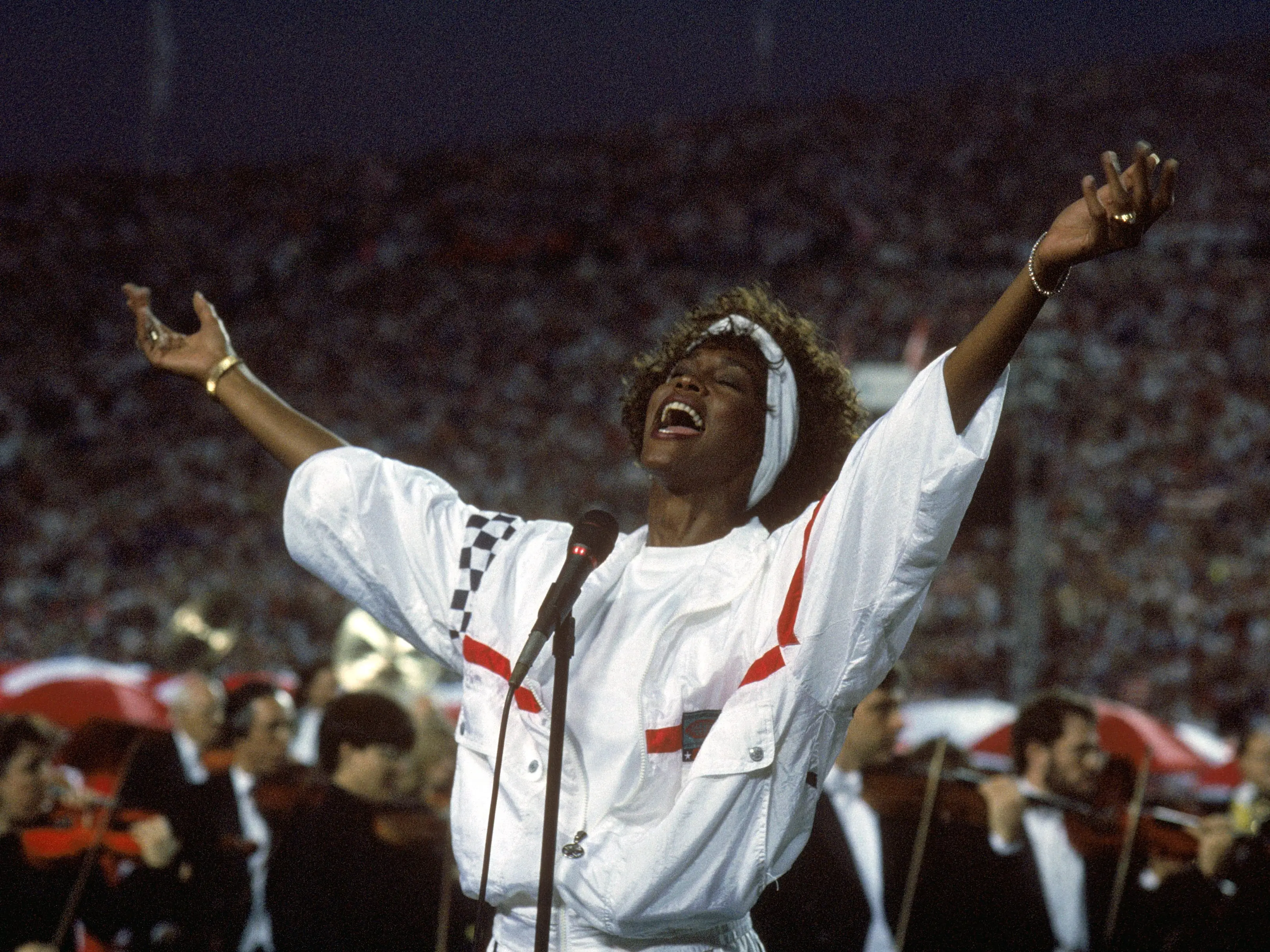
The first documented performance of “The Star-Spangled Banner” at a sports game occurred in Brooklyn in 1862 at a baseball game, Time reported. The song was still about 70 years away from becoming the official national anthem of the US.
In 1918, it was performed before a World Series game during World War I, to much enthusiasm. As the century went on, the performance of the national anthem became an essential ritual at games.
The first state fair was held in 1841 in Syracuse, New York.
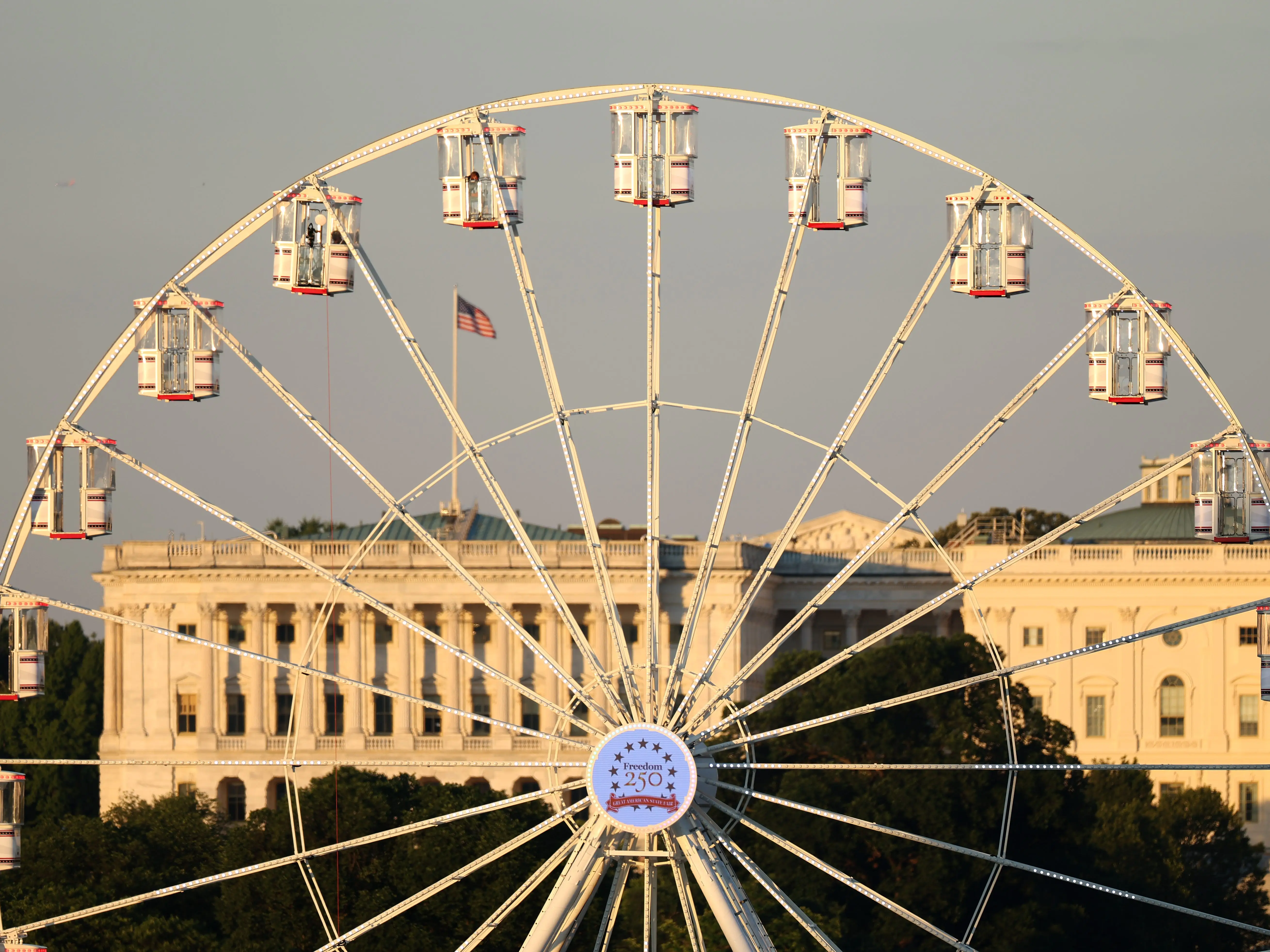
Roughly 10,000 to 15,000 people attended and enjoyed animal exhibits and other attractions, per New York State.
Texas can claim the most annual attendees of any state fair, which in 2022 drew more than 2.5 million people over a 24-day period.
Read the original article on Business Insider
The post 24 of the oldest traditions in America that are still carried out today appeared first on Business Insider.