Americans should never have to choose between making voting easy and making it difficult to cheat. A healthy democracy can and should do both.
That’s the wrong question.
That’s why the latest controversy over the US Postal Service’s proposal to require states to share voter information before mailing ballots misses the broader point.
Critics, mostly Democrats from blue states, quickly labeled the proposal an attack on voting rights. They posed the familiar question: “Where’s the evidence of widespread fraud?”
Election integrity isn’t just about catching fraud after it happens. It’s about building systems that earn public confidence before a single ballot is cast.
Banks don’t wait for money to disappear before verifying identities. Airports don’t abandon security because most passengers aren’t criminals. Every serious institution understands that trust depends on verification.
Our elections should be no different.
California has built one of the nation’s most expansive vote-by-mail systems. Prior to COVID, voters had to request an absentee ballot.
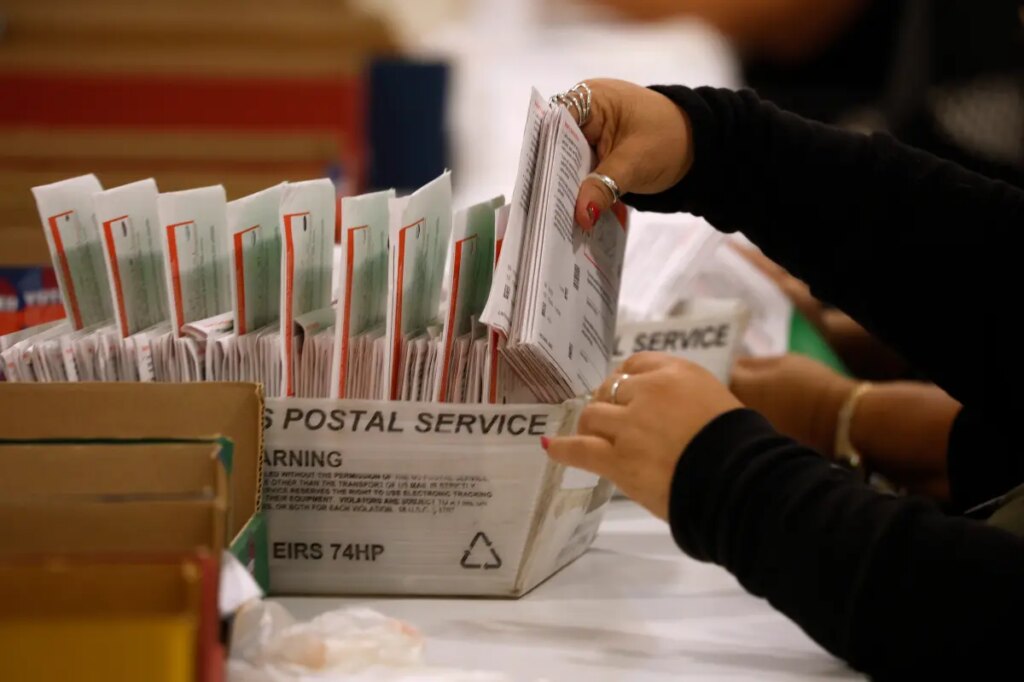
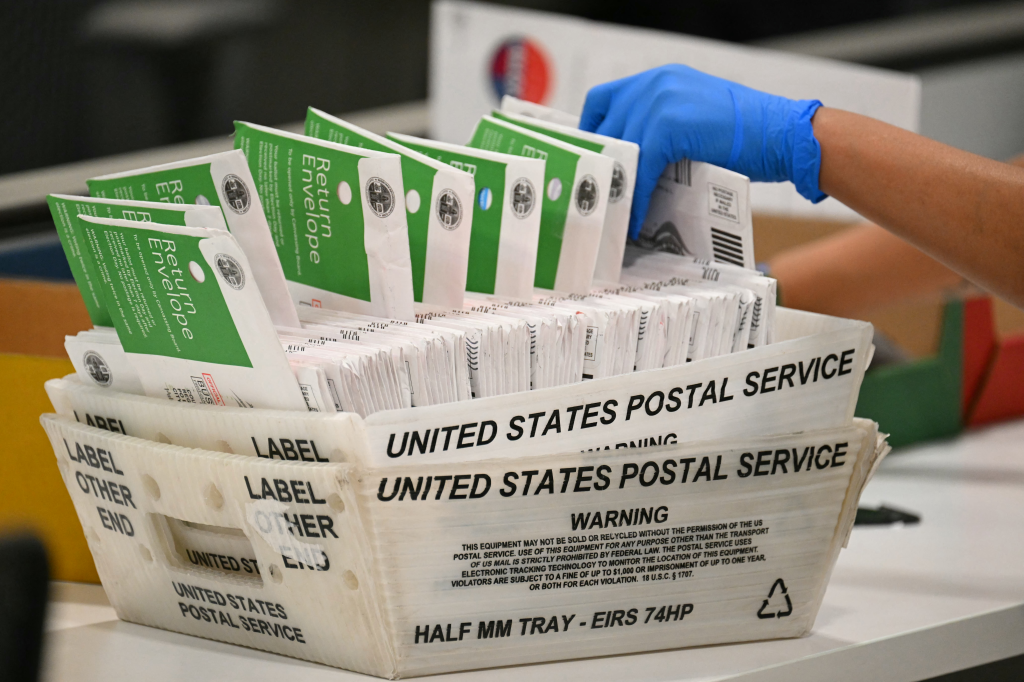
Today, every active registered voter automatically receives a ballot by mail. Millions of ballots travel through the US Postal Service (USPS) during every statewide election.
At the same time, California permits any eligible voter to register online, and election laws allow ballots postmarked by Election Day, even by hand, and received up to a week afterward to be counted if they meet statutory requirements.
The system is designed to maximize participation, but it’s painfully slow. It also depends heavily on the accuracy of voter rolls and election administration.
Those policy choices inevitably raise questions about how confidence in the system is sustained.
California’s election laws are built largely on trust. That trust may be well placed, but trust alone is not a substitute for verification.
Asking whether additional verification is appropriate should not be treated as political heresy. It does mean that reasonable people can ask whether additional verification would strengthen public confidence.
Instead, those questions are loudly dismissed as the ravings of conspiracy theorists or deemed politically unacceptable.
Anyone who calls for greater transparency is accused of trying to suppress votes.
Anyone who suggests comparing databases or verifying eligibility is portrayed as attacking democracy itself.
That’s backward.
Confidence in elections doesn’t come from demanding blind trust. It comes from demonstrating that reasonable safeguards are in place and that officials are willing to explain how they work.
The federal government has legitimate interests at stake, too. Congress sets qualifications for federal elections, federal agencies help enforce election laws and USPS delivers millions of ballots through the national mail system.
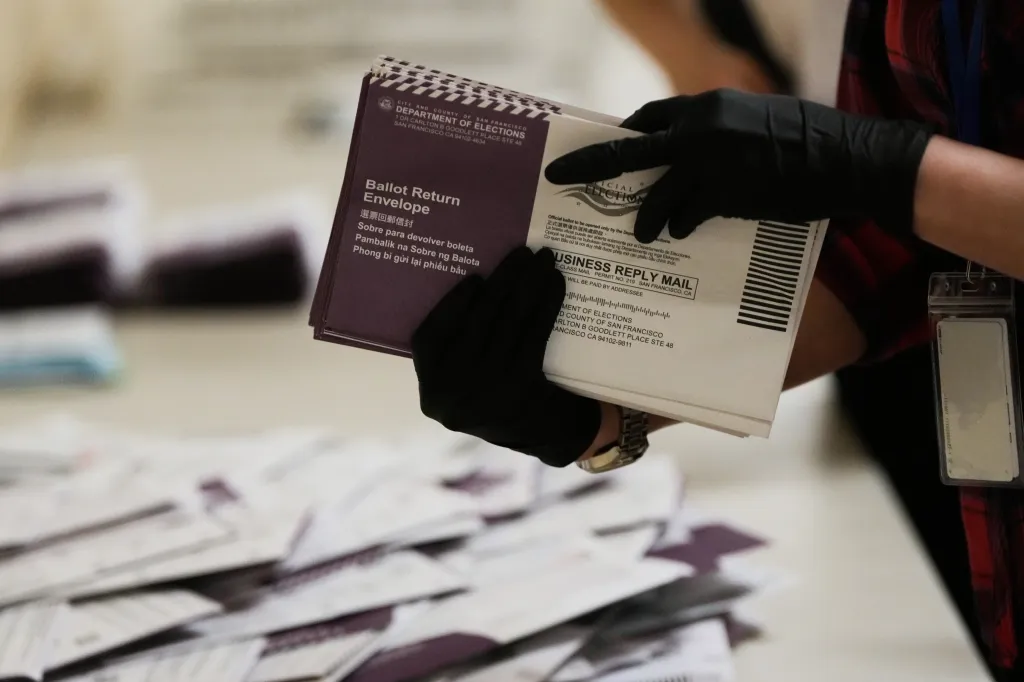
It is hardly radical to argue that federal officials should be able to work cooperatively with states to ensure that election mail is delivered through a secure, well-administered process.
Whether this proposal is legally permissible is ultimately for the courts to decide, but seeking greater transparency is not an unreasonable objective.
A federal judge has already blocked implementation of the current USPS proposal while challenges proceed, underscoring that the legal questions deserve judicial resolution rather than political slogans.
Americans routinely accept verification across nearly every important aspect of civic life. We verify identities to board airplanes, receive government benefits, open bank accounts, fill prescriptions and purchase firearms.
Verification isn’t an insult or a threat.
It’s an acknowledgment that important systems deserve protection.
Voting deserves at least that same level of protection.
Our democracy functions when citizens believe elections are both accessible and trustworthy. Expanding access and strengthening verification are not mutually exclusive goals. In fact, they reinforce each other.
Americans should reject the false choice that we must either trust every election process without question or undermine democracy itself. The stronger principle is simpler: trust is earned through transparency, accountability and verification.
That’s not voter suppression.
That’s good government… and it certainly shouldn’t be partisan.
Matthew Klink is the owner and president of Klink Campaigns, Inc., a Los Angeles-based public affairs firm.
The post Voter verification needed to build trust in mail-in ballots appeared first on New York Post.