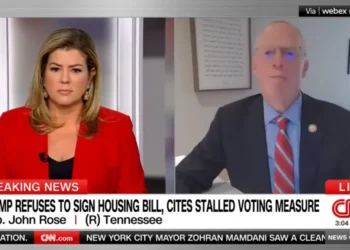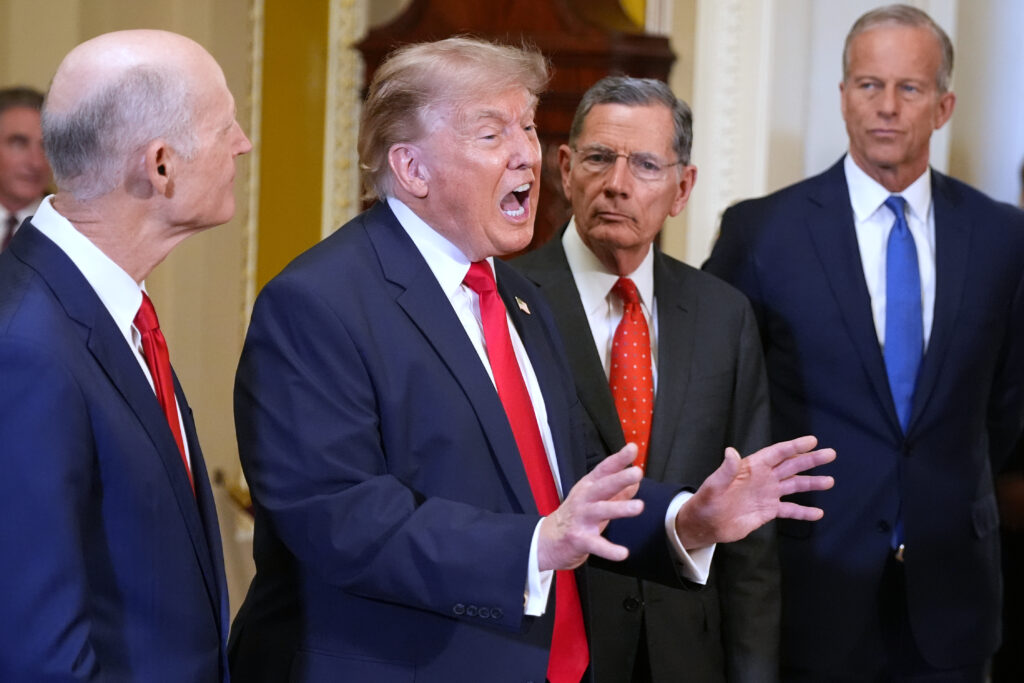
A bipartisan housing bill was ready for closing Wednesday morning after clearing both chambers of Congress with veto-proof majorities. But President Donald Trump flipped the table 90 minutes before the scheduled signing ceremony, refusing to accept a good deal for a bad reason.
Trump caught GOP lawmakers and some on his own staff by surprise when he announced on social media that he will withhold support until Congress passes the Save America Act. The overhaul of federal election laws has no path in the Senate without destroying the filibuster.
The upshot is that Trump upended a carefully negotiated compromise that, while modest, contains worthy reforms to encourage home construction.
For instance, it speeds up environmental reviews for certain housing projects, which could shave months off the time needed to start construction. It would eliminate federal regulations on manufactured homes, such as a requirement that they include a metal-frame chassis, which can add as much as $10,000 to the cost.
The deal would ease federal restrictions on how much banks can invest in affordable housing and community development projects. That could unlock new financing without risking more federal dollars.
Alas, the power of the national government to influence housing policy has always been limited, since the largest barriers to expanding supply — such as zoning restrictions and building codes — primarily reside at the state and local level. The bill acknowledges this by creating a competitive grant program to encourage local officials to streamline their permitting processes and increase housing density.
Unfortunately, the package would do little to contain federal subsidies that drive up prices. It also bans institutional investors from owning more than 350 single-family homes. The impetus for doing so flows from a false narrative that corporate ownership of properties has worsened the shortage of housing.
House negotiators managed to strip out a worse proposal from Sen. Elizabeth Warren (D-Massachusetts), which would have discouraged such companies from investing in build-to-rent projects. Warren’s plan would have resulted in fewer units of new housing.
On net, the package would be a plus for the housing industry. Local officials across the country are already coalescing behind a movement to tear down barriers to development. This bill would build on that momentum.
The bill could still become law without Trump’s signature, and White House officials aren’t ruling out that the president might change his mind and sign it in the next 10 days. If he doesn’t, lawmakers might be tempted to call Trump’s bluff.
The bill passed the House 358 to 32 on Tuesday and the Senate 85 to 5 on Monday. Republicans are always nervous to break with the president, but overriding his veto could signal to voters that they’re taking affordability concerns seriously four months before the midterms.
The post Trump botches an easy win on housing appeared first on Washington Post.