Ukraine is showing the West why cheap sensors could be important for air defense in future wars, defense officials told Business Insider.
Western militaries have advanced sensors built to detect incoming missiles and fighter jets, but drone warfare has exposed capability gaps requiring new kinds of sensors.
Sir John Stringer, NATO’s Deputy Supreme Allied Commander Europe, told Business Insider that “for defensive air defense purposes, we need to get back to investing in the range of sensors that we need.”
“Some of those are most definitely novel for many Western nations,” he said. The West needs “things like very cheap acoustic sensors” — microphone-based systems that listen for drones — “and we’ve seen the lay down in Ukraine on that,” alongside the more advanced sensors.
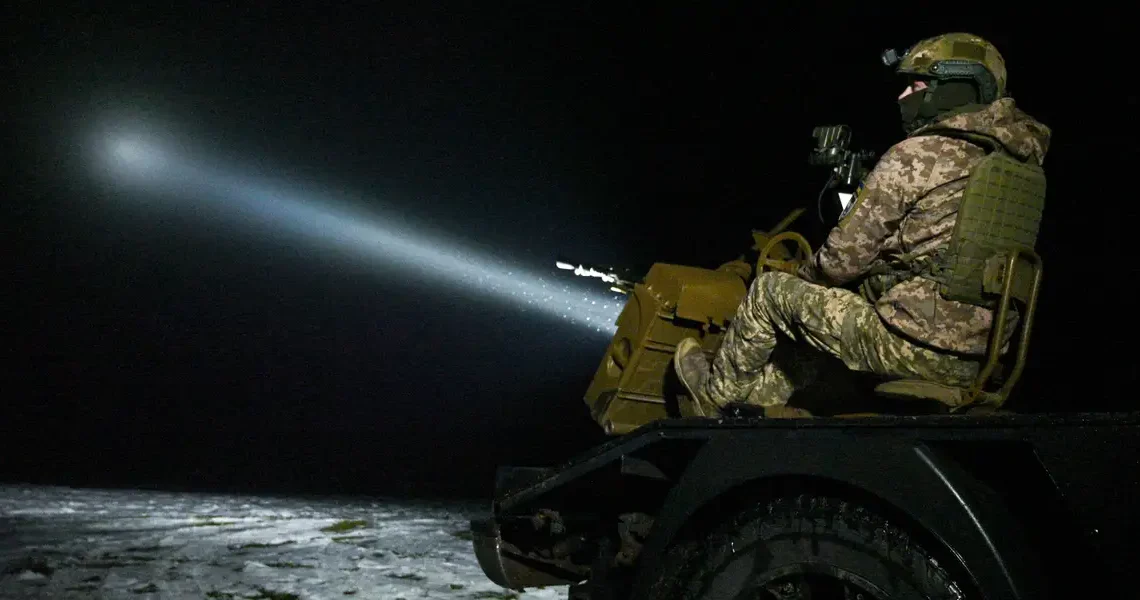
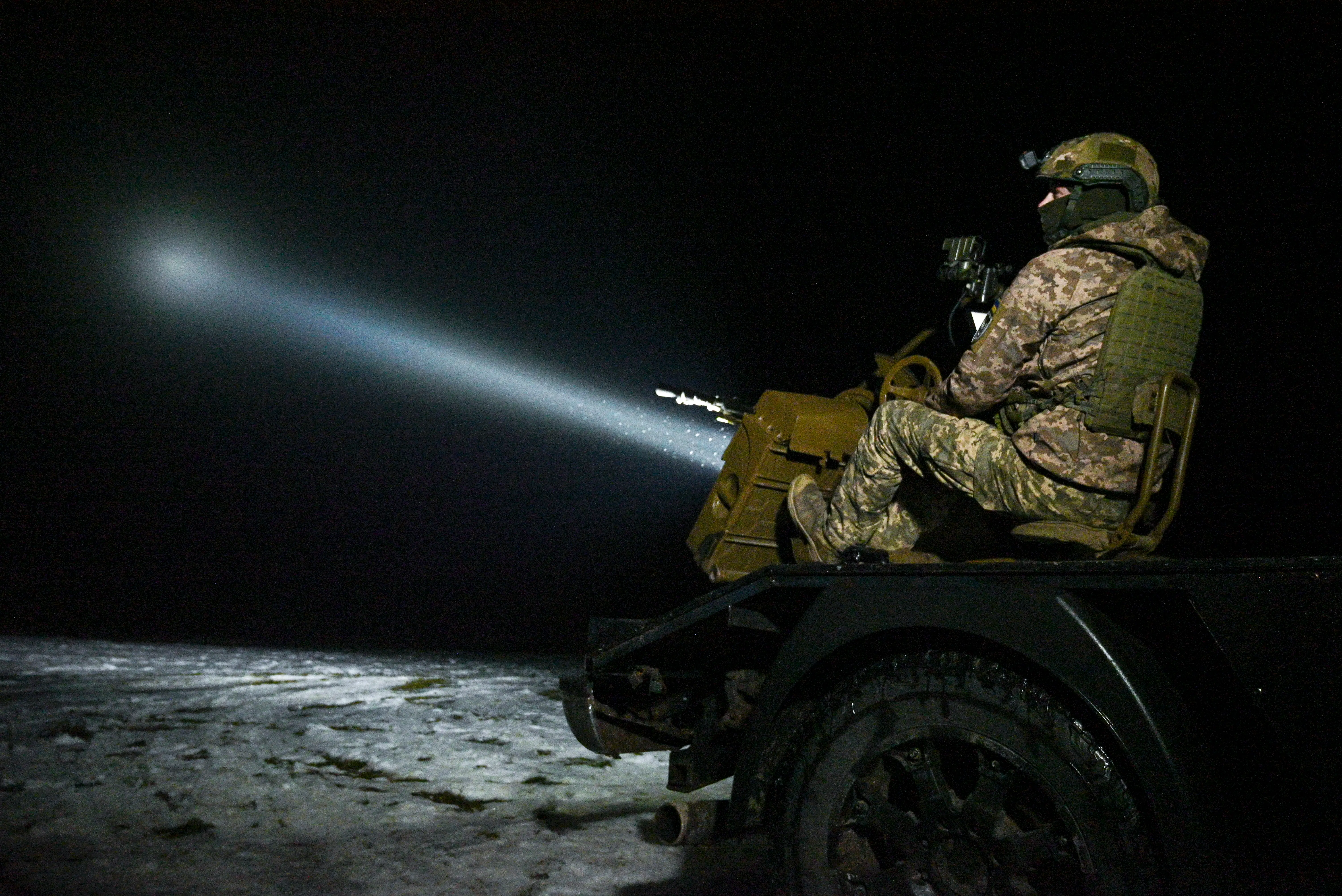
Russia’s full-scale invasion of Ukraine has made drones a daily battlefield threat, and Western militaries are studying how to fight and defend in that kind of threat environment.
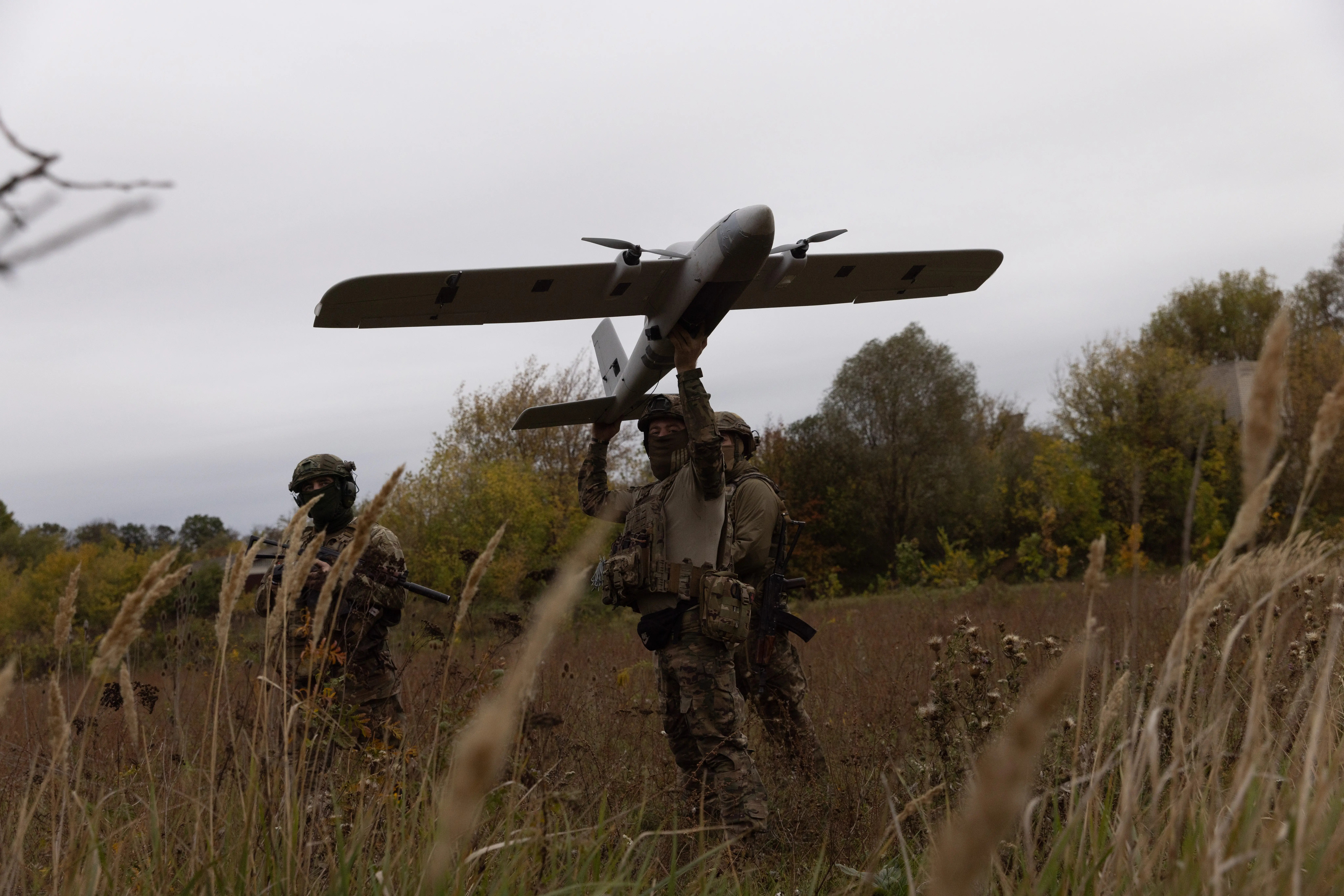
Maj. Modris Kairišs, the head of Latvia’s Autonomous Systems Competence Center, a drone-warfare testing and training hub, told Business Insider that the West needs “to rebuild our system, put a lot of additional sensors for detecting things at low altitude because these drones are flying very low.”
Traditional air defense systems were primarily built around aircraft and missiles that fly higher and faster, so “there are these issues with detection,” he said.
Kairišs said that while quantity is key, so is variety, “because every sensor has strong and weak points.” That gives cheap sensors a role alongside higher-end systems.
He said Western militaries do not need to start from scratch. They already have much of the technology they might need. The bigger issue, he said, is buying and fielding equipment faster.
Justin Bronk, a top airpower expert at the UK-based Royal United Services Institute think tank, previously told Business Insider that air defense is “hugely complicated and requires linking together lots and lots of different types of sensors” to cover different areas, altitudes, and threat speeds.
To handle different threats, he said, an effective air defense network “requires you to layer multiple types of air and missile defense systems around an object or area that you want to protect,” and this ranges from the expensive, high-end interceptors to the cheaper ones designed with drones in mind.
Ukraine is using cheap sensor networks, including acoustic sensors that listen for incoming drones and cost far less than military radars. They form part of a wider air defense system that includes expensive, high-end equipment, and they help Ukraine spot low-cost drones early enough to respond.
Other Western officials want to copy parts of the model. Lt. Gen. Sean Gainey, then the commander of US Army Space and Missile Defense Command, said in 2024 that the US ought to integrate the kind of low-cost acoustic sensors that Ukraine has into its network.
And Tom Goffus, then NATO’s assistant secretary general for operations, said last year that “essentially, Ukraine is covering its entire nation, 1,000 meters and below,” with acoustic sensors for less than $54 million.
“It’s crazy what they’re doing with this,” he said.
Andrius Kubilius, the European Union’s defense commissioner, warned last year that the West does “not have the capability” to detect drones, or only has a limited one. “Our radars see aircraft, they see missiles, but they do not see very precisely drones that fly very, very low.”
He said plans for a European drone wall — a proposed network of sensors and defenses against drones — should emulate Ukraine’s capabilities, as “it has capabilities that we don’t have,” including thousands of sensors.
Baltic countries, NATO members that border Russia, have announced or moved toward buying acoustic sensor systems, citing lessons from Ukraine.
Drones are different targets from jets and missiles, flying lower, slower, and with smaller profiles that are harder for some traditional radar systems to pick up. Some defense companies, however, are now making radar systems designed to detect small drones.
Many traditional air-defense systems were designed around larger, faster, higher-flying missiles and aircraft. Many Western systems can detect drones, but they weren’t optimized for that fight. Another issue is that using them against cheap drones can be expensive.
Cost matters because aerial threats have multiplied. Cheaper sensors let militaries cover more airspace, and Ukraine has reinforced a broader lesson: modern war can burn through equipment quickly, so Western countries need larger stocks of cheaper systems alongside advanced gear.
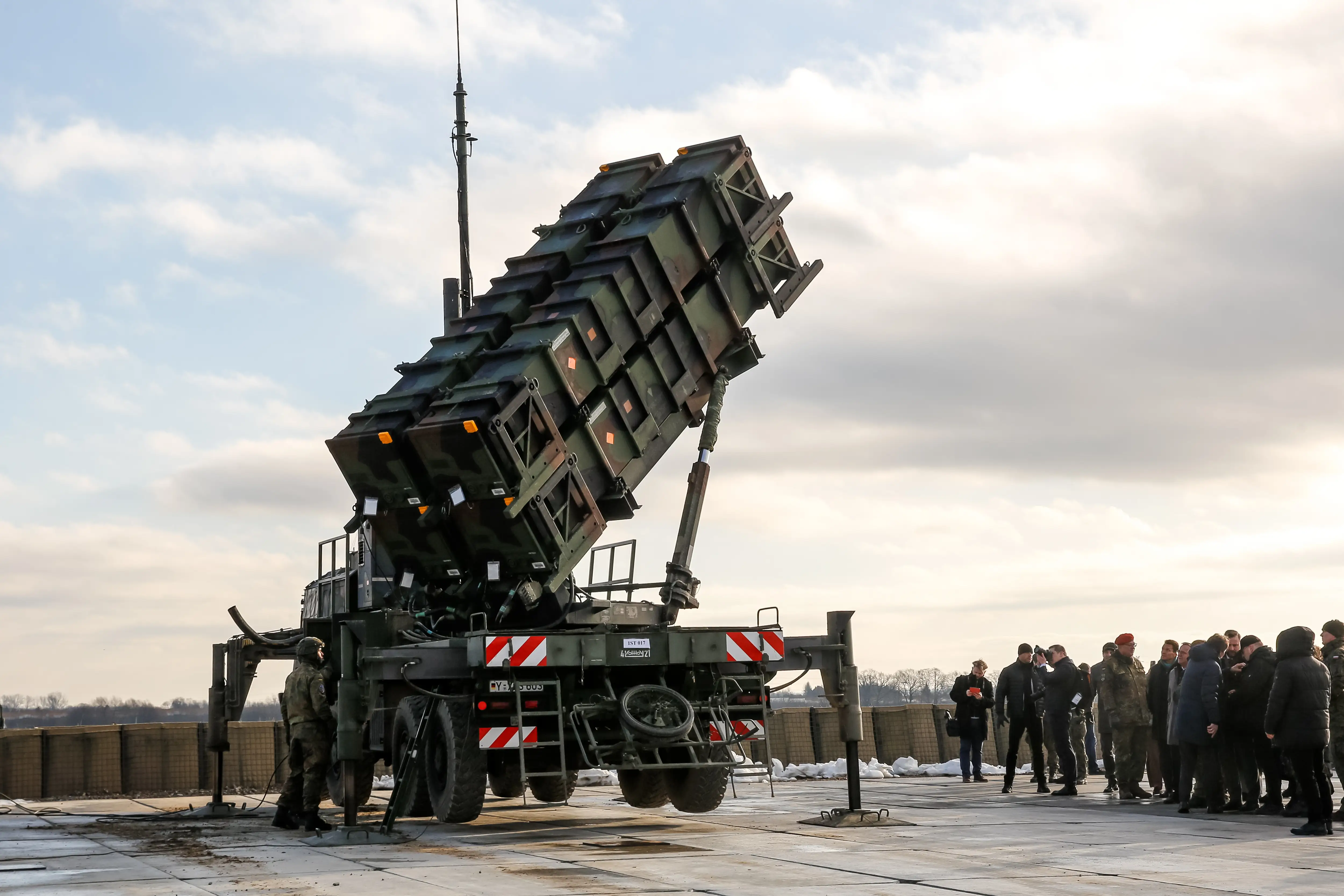
Stringer said the West’s air defense response needs to “be on the right part of what we call the cost curve” — using defenses that are not wildly more expensive than the threats they are meant to stop. He said that a clear example of doing it wrong would be using multimillion-dollar interceptors against far cheaper drone threats.
For example, the Iranian-designed Shahed one-way attack drones, versions of which Russia also makes, cost an estimated $20,000 to $50,000 each, while US-made Patriot Advanced Capability-3 (PAC-3) interceptors are estimated to cost roughly $3.7 million each. That math is “unsustainable” in a long air war, Stringer said.
The push for new sensors reflects a harder reality from Ukraine: future wars may make the kind of air dominance Western militaries achieved in some recent conflicts much harder to secure.
But Stringer said militaries can’t give up trying. “You still need to secure air superiority. The ways of doing it may change, but it fundamentally provides a foundation on which the entire joint force operates. So if you’re not able to secure the access and then the maneuver that you force needs, then you’re failing.” New sensors, he said, could be part of how militaries get there.
Read the original article on Business Insider
The post Ukraine is showing the West why cheap sensors could be key to defending the skies in future wars appeared first on Business Insider.