- In today’s CEO Daily: Questions about the Fed loom large.
- The big leadership story: Introducing Europe’s Most Innovative Companies
- The markets: Mixed globally with the KOSPI and Nikkei hitting fresh highs.
- Plus: All the news and watercooler chat from Fortune.
Good morning from Detroit, where we hosted a reception yesterday at Gilly’s Clubhouse to bring together local leaders ahead of the Fortune 500 Innovation Forum on Nov. 16 and 17. In addition to being the epicenter of the global automotive industry, Detroit is a leader in robotics, logistics, aerospace manufacturing, clean energy, and is one of the country’s fastest-growing areas for startups.
As a hub of American invention—and reinvention—it feels like a perfect place to talk about the state of the U.S. economy. While issues like tariffs, energy costs, geopolitical tensions, and AI have shaped cities like Detroit, there’s no consensus on how they will play out.
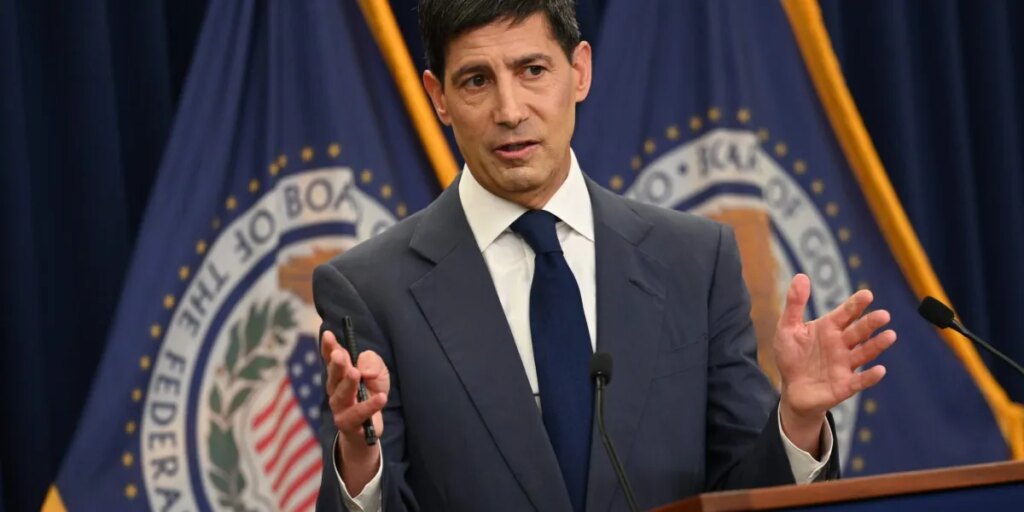
For business leaders gathered in Detroit, few questions loom larger than what the Fed does next. Kevin Warsh held his first meeting as Federal Reserve chairman yesterday, with the net result that the central bank held its benchmark rate steady. Whether Warsh will prove to be a dove or hawk remains unclear. For now, as my friend and longtime Fed watcher Jon Hilsenrath said, “that was the hawkish Kevin talking.” Some takeaways for leaders:
Interest rates could become less predictable. Warsh indicated that he’s not going to be signaling what’s on the radar in the same way that his predecessor Jerome Powell did. That means less visibility. With four dissenting votes among the 12 cast on the Federal Open Market Committee—the most since 1992—that could also mean more volatility, too. Three regional Fed presidents (Beth Hammack, Neel Kashkari and Lorie Logan) voted against the FOMC statement because they objected to language hinting at rate cuts. Meanwhile, Fed Governor Stephen Miran voted against because he thinks rates should be lowered.
Borrowing costs are unlikely to come down. The 10-year Treasury is above 4.4%. The Consumer Price Index hit 4.2% in May. Oil and gas prices should come down if the Iran peace deal holds and the Strait of Hormuz opens up, which could ease inflation and give the Fed more room to move. But electricity prices will likely swing in the opposite direction, thanks to demand for AI and the state of the grid. Anyone with a large debt load or plans to buy a company, home or other asset shouldn’t count on a rate cut.
And the Fed rate does not determine who will win in this new era of innovation or how cities like Detroit can reinvent and grow again. That will be determined by the creativity, resilience and skills of the talent—homegrown and immigrant, of all races and creeds. We will not publish this newsletter tomorrow to honor Juneteenth, a federal holiday that marks June 19, 1865, a day when Union troops arrived in Galveston, Texas to announce the end of slavery. Having long been the country’s largest Black-majority city—with Memphis now catching up—Detroit thrived when it unlocked excellence in all its forms and gave many the path to a good life. Contact CEO Daily via Diane Brady at [email protected]
The post Kevin Warsh’s hawkish tone: What CEOs need to know about rates today appeared first on Fortune.