Jeffrey Epstein’s death in federal custody in August 2019, which was ruled a suicide by New York City’s medical examiner, has been the subject of suspicion and intrigue for nearly seven years. The belief that Epstein was murdered, perhaps by someone with an interest in keeping him quiet, is widely held. For the most in-depth investigation yet into his death, we consulted tens of thousands of pages of newly released documents, obtained Epstein’s own notes handwritten in jail — never before made public — and interviewed dozens of people related to the case.
Here are six takeaways from our article in The Times Magazine.
Lots of new evidence suggests that Epstein was determined to end his life.
Some important aspects of Epstein’s last days remain unknown or mysterious — but an unknown is not the same thing as an alternative explanation.
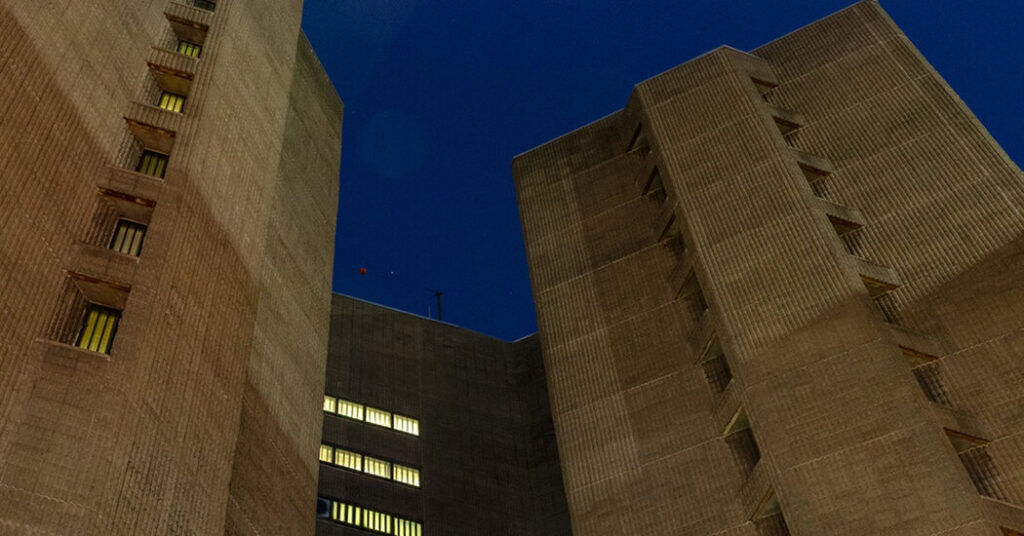
Our analysis of the security and staffing of the jail determined that entry to his cell by a would-be murderer in the period before his death would almost certainly have required an elaborate plot involving numerous participants with extensive, precise knowledge of the facility’s particular security systems, malfunctions of those systems and security protocols. In scores of interviews and the cache of documents, we found no indication that such a plot existed.
By contrast, we found abundant evidence — much of it never before revealed — that for weeks before his death, Epstein had written about and discussed the idea of suicide and attempted it at least once, and possibly three times.
Epstein might have tried to kill himself more times than was previously known.
Two and a half weeks before his death, Epstein made an apparent attempt to hang himself in his cell, an effort that failed because of the intervention of his cellmate at the time. Jail officials never officially determined whether it was a suicide attempt. But Epstein made his intentions clear in a note he left in his cell, found by a cellmate days later — a note that in both its content and its handwriting closely resembled other similar jail writings by Epstein that we obtained.
And it might not have been the only previous attempt. Epstein’s cellmate told us that he caught Epstein preparing to kill himself by hanging twice before. He said that he mentioned both incidents to corrections officers but that they were not taken seriously.
Epstein often talked about suicide in the weeks before his death.
For weeks before his death on Aug. 10 at the Metropolitan Correctional Center, Epstein made clear allusions to suicide in conversation with lawyers and inmates and in his own writings in jail. Besides the suicide note found by his first cellmate, Epstein left behind other despairing notes, writing of “ONLY PAIN TO ME & Others in the future” and wondering “Why should people I Lov suffer for my problem.”
In conversations with lawyers and other inmates, he spoke frankly about his inability to endure life in jail. More than one of them worried openly about his risk of self-harm based on his statements and his behavior, and his reassurances were sometimes ominous. When Epstein’s second and final cellmate was moved to a different facility, he recalled telling the jail staff: “He’s not good to be alone.”
Warnings about Epstein’s risk of suicide, and the need to protect him, were routinely ignored.
By the time of his death, Epstein had been assigned twice to a special observation cell because of his suicide risk. He was known to have possibly attempted suicide once. Both of his cellmates said they relayed concerns about him to corrections officers, and he was flagged as a suicide risk by federal officers transporting him between jail and court. In spite of all this, he was left alone and unobserved in his final hours, in violation of specific orders that had been given about his supervision — an error that led directly to his death.
The handling of the death scene and evidence in Epstein’s cell helped lead to lasting suspicions around his death.
Only one guard saw Epstein’s undisturbed body in his cell. The guard immediately moved Epstein in a futile attempt to resuscitate him, recalled few specifics about the position in which he found the body and told investigators what he knew only years later. Even which noose Epstein used to kill himself is not known for certain: There was more than one length of knotted fabric in his cell, and the only one taken into evidence at the time was determined by federal investigators years later to be the wrong noose. The death scene was disturbed by jail employees and paramedics to such a degree that federal investigators did not bother to collect DNA evidence. (In other cases, forensic teams routinely collect DNA at trampled crime scenes.)
As a result, crucial information needed to accurately determine how Epstein died was lost. And the noose taken into evidence, which seemed at odds with the marks on Epstein’s body, created the impression of mysterious inconsistencies in the physical evidence that would only be tentatively explained years later.
There are limits to what the autopsy of Epstein’s body can tell us.
Photographs taken of Epstein’s body during his autopsy, some of which we reviewed with a number of pathologists, are among the few pieces of clear evidence regarding his death, and they present often conflicting and confounding indications about how he may have died.
But based on the limited information available — about how Epstein’s body was found, the noose he most likely used and how it was attached to the bunk bed in his cell — several forensics experts we interviewed thought the photos were still potentially consistent with at least one specific suicide scenario. And almost none of them believed that his manner of death — suicide or homicide — could be conclusively settled based on the medical evidence alone.
If you are having thoughts of suicide, call or text 988 to reach the 988 Suicide and Crisis Lifeline, or go to SpeakingOfSuicide.com/resources for a list of additional resources.
The post Six Takeaways From the Times Investigation Into Epstein’s Death appeared first on New York Times.