The Russian threat is real, and it’s time for European defense companies to start copying Ukraine and break up production across multiple sites, a Ukrainian official and multiple defense firms told Business Insider.
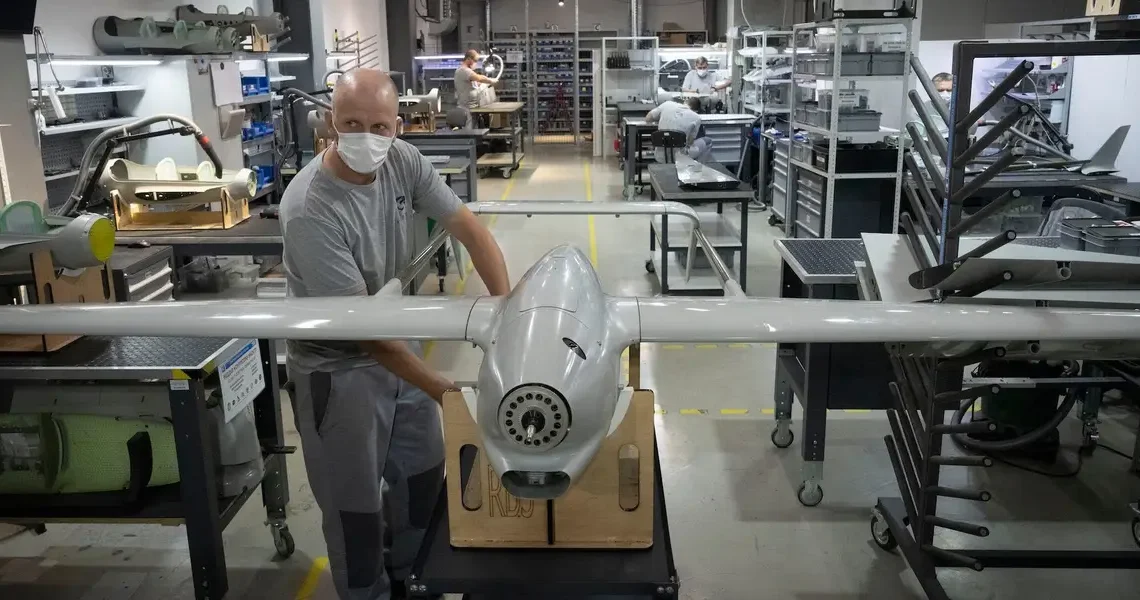
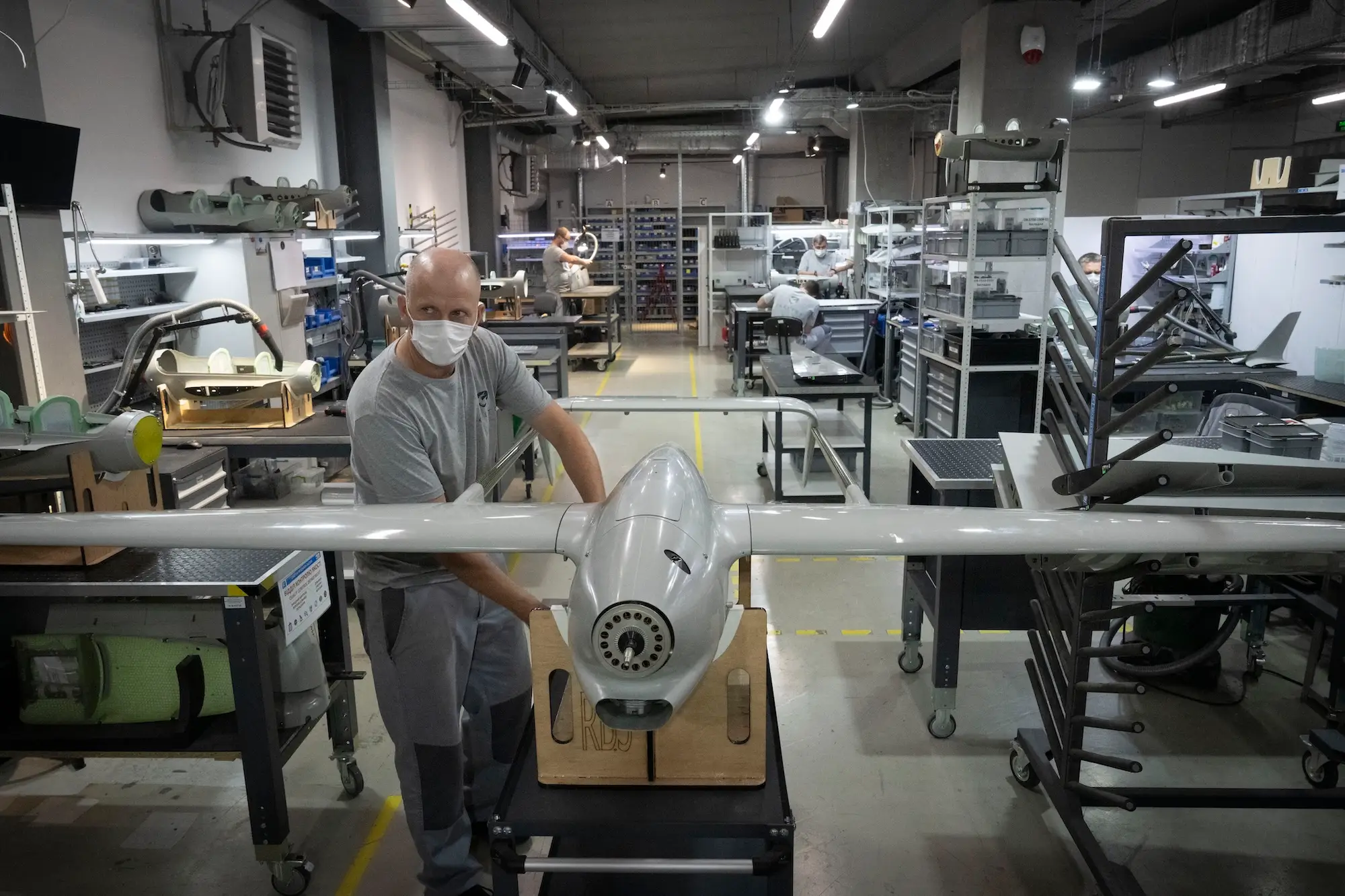
Russia’s drone and missile attacks are so widespread that weapons companies working in Ukraine typically can’t afford to work in large factories and warehouses that are more easily detected and struck. Factories in Ukraine, including those of US firms, have been hit. It has pushed many companies to split their sites up and go underground, though that makes their work producing weaponry harder and more expensive.
Davyd Aloian, the deputy secretary of Ukraine’s National Security and Defense Council, told Business Insider that the threat Russia poses to Europe is such that some allies need to start doing the same. “Some countries definitely should,” he said.
This is standard practice for many Ukrainian defense manufacturers. The CEO of Ukrainian-Estonian technology and defense company and ground drone maker Ark Robotics told Business Insider that his company had to do it despite the drawbacks, and it should become the norm for European defense manufacturing.
The CEO, who asked to go by the pseudonym Achi out of concern for his safety, said his company’s main strategy “is what we call distributed manufacturing: Breaking things up so that different components are made at different sites. It’s necessary, but it’s not ideal.”
“We try to avoid building a gigafactory. I would love that to be honest, I think this is literally the best way to do it. You build a huge factory, everything is in there.”
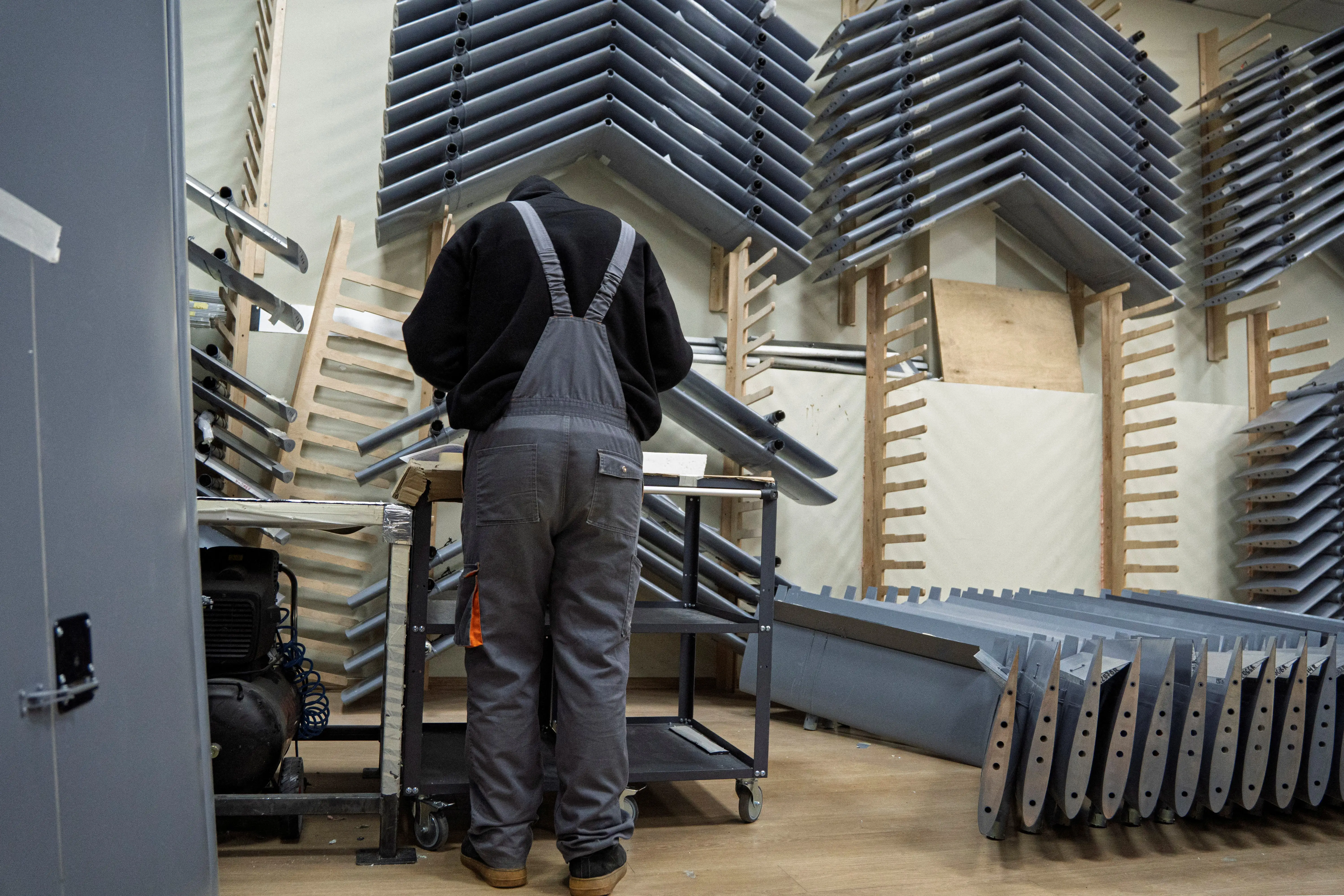
“We try to be smart about it and not create a big enough target for it to attract too much attention or to disclose where our operations are happening,” the CEO said.
The company, headquartered in Estonia and with its R&D center in Kyiv, makes drones, ground robots, and software that enable thousands of different autonomous vehicles to work together.
It has more than 50 engineers and specialists across Europe, including teams in Ukraine that design communication software and test ground drones, including near the front lines, and engineers in Estonia who test and design electronics and electrical systems for drones and robots.
The company is branching out production into other parts of Europe due to “just insane amounts of destruction” in Ukraine, the CEO said. Attacks mean he worries about his staff, too: “It’s really hard to even sleep with that. You know that you have tens of people working there constantly under danger, and you don’t know when the strike is coming.”
Nor are a company’s risks limited to its physical sites. A NATO official confirmed that Russia plotted to kill the CEO of the leading German arms maker, Rheinmetall, which has produced weapons for Ukraine.
Other European countries are far safer from Russian missiles, as attacking them could spark a much wider war that Russia, at least for now, is not instigating. But Achi said that, to be ready for a potential future war, defense manufacturers need to prepare.
Dispersed production should be the “default for defense-based manufacturing going forward,” he said. Even for any future sites his company has abroad, “we don’t want to build a huge factory.”
He said, “We believe one of the key lessons from Ukraine is that resilience cannot depend on a single site, a single supplier, or a single geography. Modern defense requires distributed capabilities that can continue operating under pressure.”
Enduring the loss of a site
Mykyta Rozhkov, the chief business development officer at Ukrainian drone and weapons maker Frontline Robotics, told Business Insider that European companies “absolutely” need to start spreading things out. He said some European firms have asked his company for advice on changing their manufacturing.
He said his company has adapted so it “can endure the loss of any site.” Any loss is still “painful,” but the company can survive. And everything is set up so it’s “as easy as possible to move.”
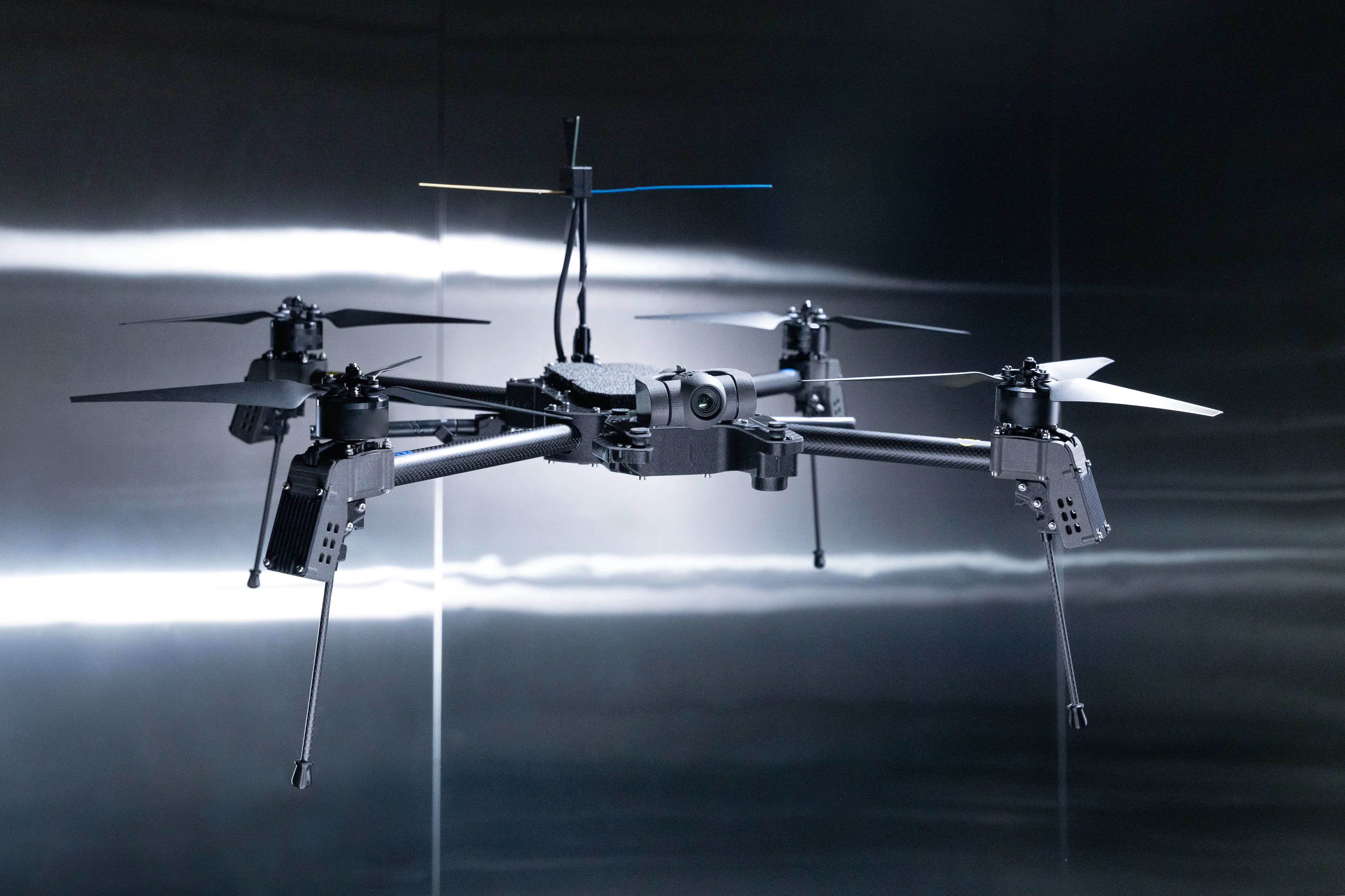
But that makes the work harder: “It’s all constantly moving parts and holding it all together demands a new approach.” The company, which makes aerial drones and autonomous remote weapon turrets, has more than 400 employees, and its gear is used by more than 60 Ukrainian units. It operates teams of engineers, specialists, drone instructors, and warehouse staff in multiple locations in Ukraine, and is starting to produce in Germany with the German company Quantum Systems, forming a joint venture called Quantum Frontline Industries.
Estonian company Krattworks, which makes drones used by Ukraine, agreed. Karmo Saar, the head of sales, told Business Insider that in a war with Russia, if European companies don’t disperse more, “I think we’re going to be punished.”
Some of Ukraine’s major drone makers operate across more than 15 sites, he said, even though working out of a single large facility would be “a lot more economical, cheaper, and better.”
Other Ukrainian companies have described breaking up their facilities. Misha Rudominski, the CEO of Himera, a secure communications systems firm, told Business Insider that his company has split its manufacturing across multiple sites and keeps its stock in another location to avoid becoming a big target that’s “worth it” for Russia to hit.
He said that many companies split production into “5, 10, 15 locations” that often only have a few dozen people at each. He said bigger options are rare unless they are underground.
Aloian, the Ukrainian official, said that a challenge for much of Europe in doing this is the smaller size of many nations compared to Ukraine. Some European countries that border Russia and feel most threatened, such as the Baltic states, are among the continent’s smallest.
He said that means they lack the “strategic depth” Ukraine has, with fewer regions and space to truly spread out and hide manufacturing. He said some could spread out manufacturing across multiple countries to solve this.
The West needs to disperse
The warnings for defense companies come as Western officials, Ukrainian officials, and analysts warn that the air threat has grown so much that Western militaries need to start breaking up and moving other strategic assets after decades of not having to do so.
Sir John Stringer, NATO’s deputy supreme allied commander Europe, told Business Insider that Ukraine shows that after decades of relying on big air operations centers to plan its aerial missions, that is “no longer viable.”
The change makes operations more difficult, but means there are fewer big targets that could be taken out in devastating blows.
Taras Berezovets, the head of the military cooperation department of Ukraine’s Territorial Defense Forces, said the West must learn from Ukraine that drone units and command centers must be mobile or underground, because they are priority targets.
Western allies are also studying Ukraine’s flexible strategy of dispersing its aircraft and often landing at different bases than they launch from — tactics that have kept their smaller air force from being wiped out.
Read the original article on Business Insider
The post Ukraine’s defense firms split themselves up to avoid being a big target. Europe now needs to do the same, they say. appeared first on Business Insider.