William J. Watkins Jr. is a research fellow at the Independent Institute and the author of “The Independent Guide to the Constitution.”
Naturally, the main event of America’s 250th anniversary celebrations will be the Fourth of July, in honor of the Declaration of Independence. But a little tailgate party would be appropriate for the Twelfth of June. For it was on that date, 250 years ago, that Virginia’s Declaration of Rights was adopted.
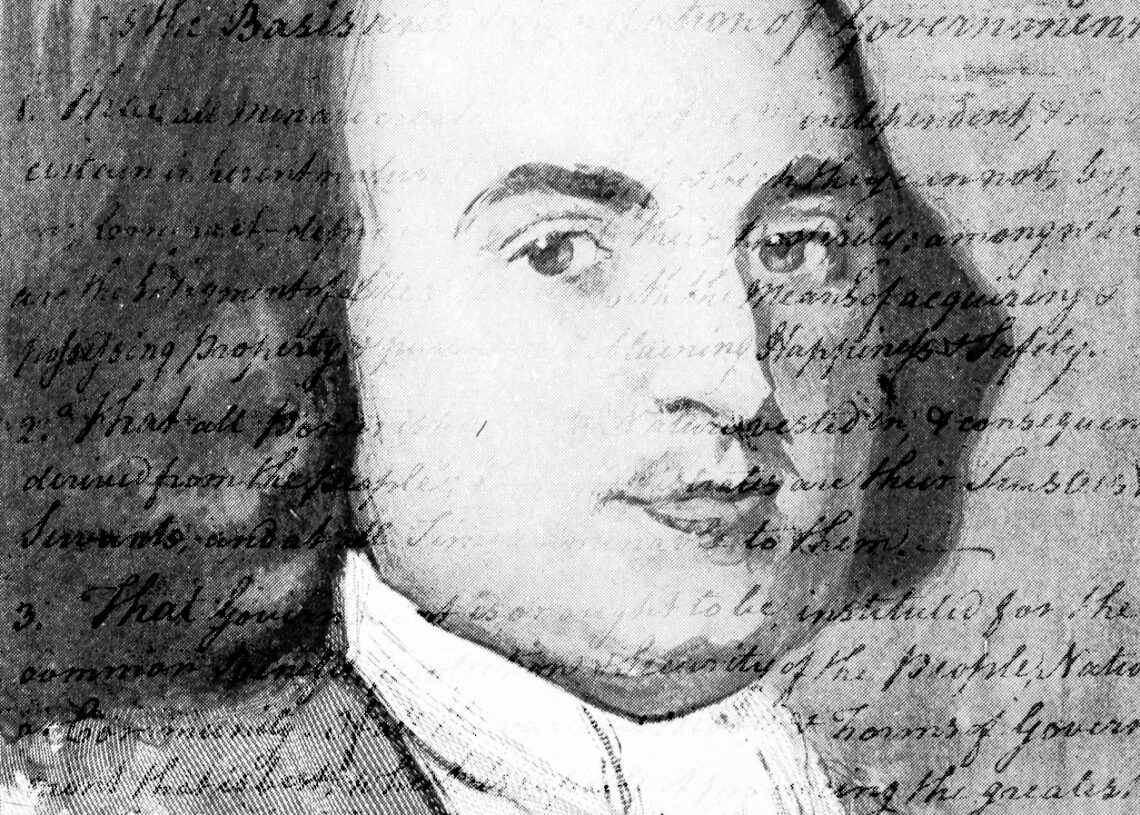
Written primarily by George Mason, Virginia’s declaration inspired Thomas Jefferson in writing the nation’s founding document. It set forth in plain language America’s first principles and provided guideposts for the establishment of a republican government.
It’s no accident that this seminal declaration originated in Virginia. Jamestown, founded in 1607, put many of those principles and structures into action well before 1776. As Lyon Gardiner Tyler — son of President John Tyler and himself president of William & Mary from 1888 to 1919 — observed, “jury trial, courts for the administration of justice, popular elections in which all the ‘inhabitants’ took part, and a representative Assembly” were created in the Old Dominion “before any other English settlement was made on this continent.”
In the Declaration of Rights’s first section, Enlightenment thought and Christian principles intersect to affirm the equality of all men and their possession of rights such as “the enjoyment of life and liberty, with the means of acquiring and possessing property, and pursuing and obtaining happiness and safety.” If this language sounds familiar, it’s because another Virginian — Jefferson —borrowed from it when composing the second paragraph of the Declaration of Independence.
The Virginia declaration’s second section rejects the British idea that an artificial body such as Parliament could possess ultimate authority. In the commonwealth, “all power is vested in, and consequently derived from, the people,” the declaration states. Government officials are thus “trustees and servants and at all times amenable to” the people.
The third section proclaims that “government is, or ought to be, instituted for the common benefit, protection, and security of the people, nation, or community.” If a government fails to achieve these ends, “a majority of the community has an indubitable, inalienable, and indefeasible right to reform, alter, or abolish it, in such manner as shall be judged most conducive to the public weal.”
In the next four sections, the declaration rejects the hereditary offices found in the British system; asserts that power should be divided among three branches of government; commands frequent and free elections so the people can deliberate on the conduct of their magistrates; and prohibits the suspension of duly enacted laws without legislative consent.
After setting forth these principles of republican government, the Declaration of Rights turns to individual liberties necessary for a free society. Many of these provisions would later appear in the Bill of Rights — the first 10 amendments to the Constitution, ratified in 1791.
Section 8 deals with the rights of an accused person in criminal cases. A criminal defendant has a right to confront the government’s witnesses, present evidence in his own defense and demand a speedy trial by a jury of his peers. Prosecutors are prohibited from compelling the accused to give evidence against himself or hiding the nature of the charges from the defendant.
The ninth section, mirrored almost exactly by the Eighth Amendment to the Constitution, avers “that excessive bail ought not to be required, nor excessive fines imposed, nor cruel and unusual punishments inflicted.”
Section 10 outlaws the British colonial practice of using general warrants — a legal process that authorized searches and seizures without specifying the premises to be searched or the alleged contraband to be seized. No such fishing expeditions would be allowed in Virginia. Similar prohibitions in the Constitution’s Fourth Amendment are modeled on the Declaration of Rights.
The remaining sections protect civil jury trials, freedom of the press, freedom of religion and civil control of the military.
A society can remain free, the Virginia Declaration of Rights teaches, “but by a firm adherence to justice, moderation, temperance, frugality, and virtue and by frequent recurrence to fundamental principles.”
So, yes, on July Fourth, by all means heartily cheer the 250th anniversary of the Declaration of Independence. But to understand the principles behind the American Revolution and republican government, dust off George Mason’s Virginia Declaration of Rights and study its plain language. It is essential to discerning the pillars of America’s government and the purpose of the nation’s independence.
The post Celebrate the Fourth of July. But don’t forget the Twelfth of June. appeared first on Washington Post.