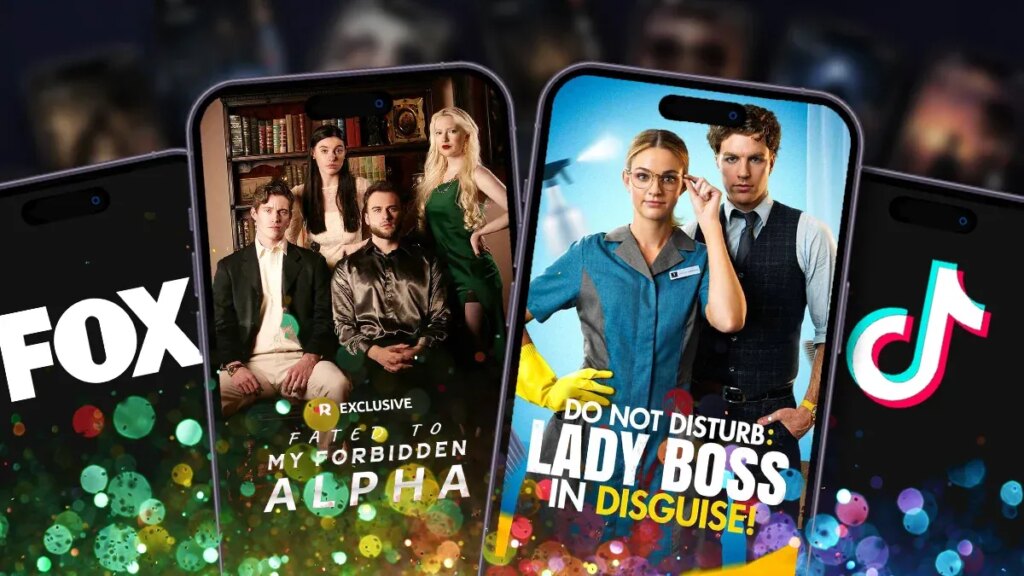
Joey Jia, the CEO of the leading microdrama platform ReelShort, knows that the future of his format is driven by artificial intelligence.
“If I’m 100% a businessman, I would stop live-action today, because AI response for market is way better than live-action,” he told a roomful of creators, studio executives and investors this week. “We rely on independent and talented freelancers to create a story, but AI will definitely improve the efficiency of producing this content.”
The co-founder, whose platform made $1.2 billion in consumer spending alone last year, spoke at Owl & Co.’s inaugural Vertical Media Summit this week.
AI was one of the hot button themes at a conference held to discuss the explosion of the microdrama medium, which is starting to attract major players like Fox, NBCUniversal and TikTok. At the event, Owl & Co. revealed new data that estimated that the vertical video industry will reach $150 billion in revenue, excluding China, in 2026 — up 42% year-over-year from $106 billion.
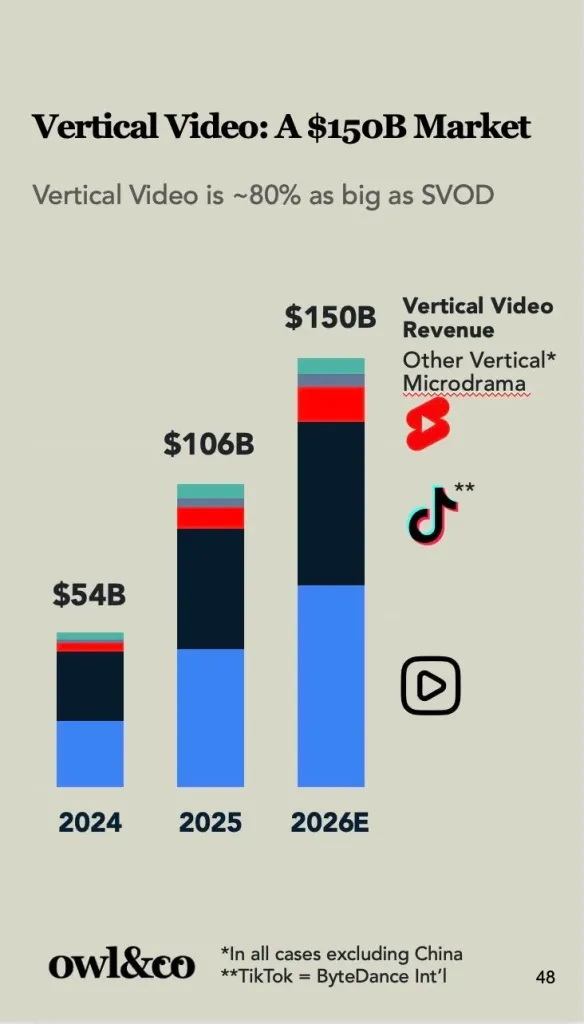
The numbers illustrate how microdramas — which conference attendees began referring to as microseries (more on that later) — continues to be one of the rare areas of growth in an entertainment industry wrestling with box office revenue just coming back from the pandemic dip, shrinking linear ratings and declining ad revenue. It’s why there’s so much rabid interest in the space.
Over 250 investors, entrepreneurs and entertainment industry professionals gathered at the event to discuss where it’s heading next. Leaders from TikTok, Google, NBCUniversal, My Drama, Hoorae Media and Fox Entertainment, among others, gave insights into how their businesses are actionably approaching this new format and where they see it going in the next six months.
“Wednesday” and “Top Gun Maverick” executive producer Tommy Harper said that the microseries mainstream moment is imminent.
“I think it’ll happen this year,” he told Owl & Co. founder Hernan Lopez. “It’s going to take some impact with either a social media actor or a brand that comes in and infuses it to get in the zeitgeist of the world.
AI is having a vertical moment
While Jia surprised the audience with his AI admission, he wasn’t the only one to talk about the game-changing impact of the new tech.
Other platforms like Holywater’s My Muse have leaned fully into AI-generated microseries. Founder Bogdan Nesvit said that his company’s AI series have the same retention, conversions and engagement as the microdramas on its accompanying live-action app My Drama. My Muse was first just a testing ground for new stories for the company, but it has turned into its own entertainment ecosystem.
Jia, for his part, stressed that ReelShort will approach AI’s integration into the platform’s content through a hybrid model. He stated that ReelShort “cannot stop making live-action” content and that they remain committed to helping content creators make better stories.
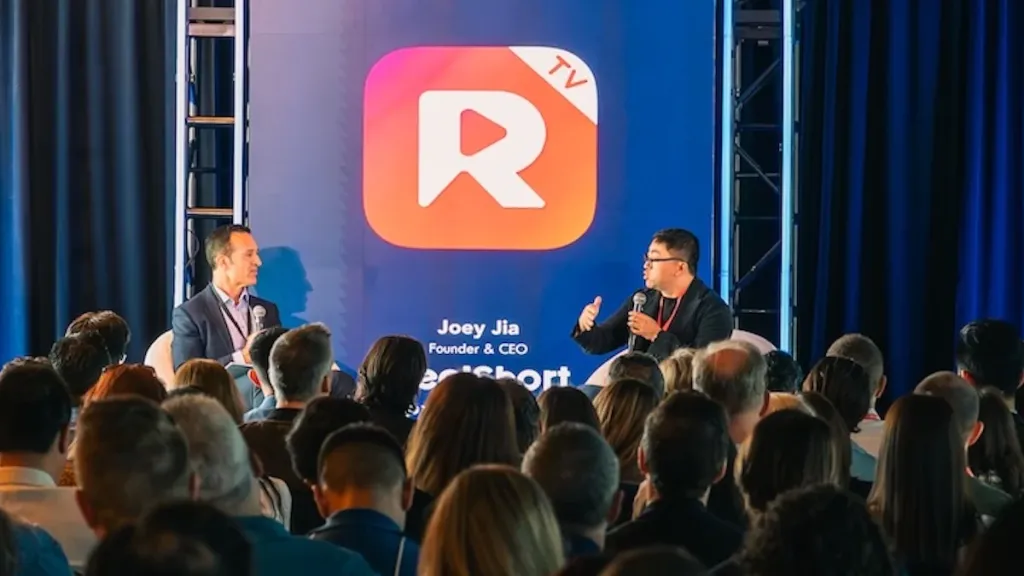
“The AI consumer will be the early adopter and will be the core users of the future microdrama algorithms,” he said.
Though vertical series are embracing AI in production, Harper said that Hollywood’s tolerance is still low. There’s also the question of whether audiences will accept AI-generated scenes that require more complicated acting and nuanced emotions.
“You can make anything you want in AI,” he said. “If you don’t have the human emotion, you don’t feel it. Nobody’s going to watch it, so you have to have a good story that starts with that.”
TikTok takes active role in development
TikTok, which first pushed short videos into the mainstream, is now taking an active hand in the development of this medium.
Dawn Yang, head of global entertainment partnerships and business development for TikTok, revealed that the platform’s first microdrama “Screen Time” scored 250 million video views in its first month. TheWrap exclusively revealed its partnership with Issa Rae’s Hoorae Media last month, reporting that the series earned 75 million views in its first week.
Rather than releasing the series as one binge, “Screen Time” was split into two parts — a recommendation from Rae, who initially wanted the series to release an episode a day. Yang noted that this was a test for the platform and it succeeded. The second part’s viewership surpassed the first week peak by 50%, so viewers tuned back in to watch and finish the show.
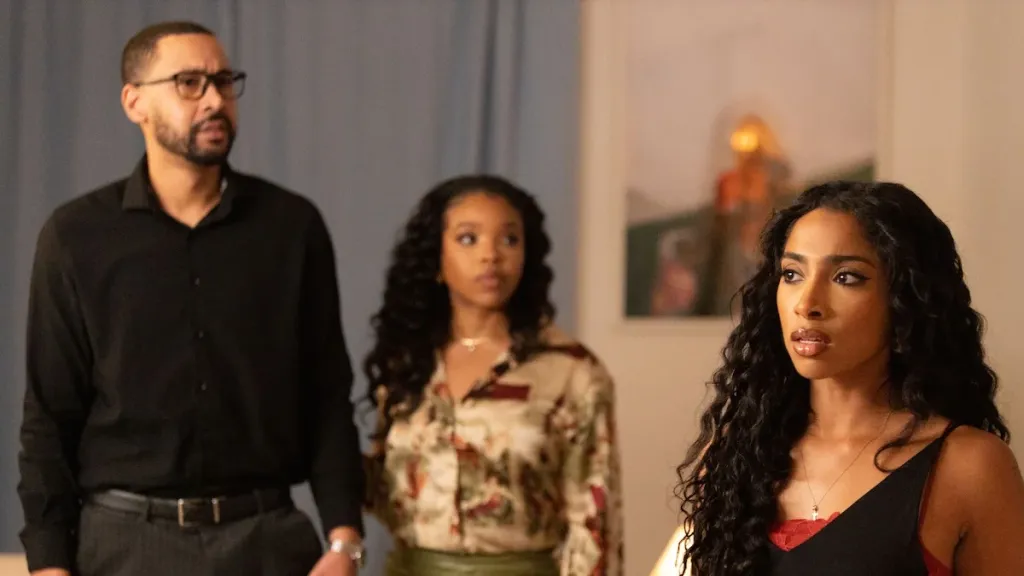
“TikTok is the closest thing to Hollywood in Big Tech,” Montrel McKay, president of development and production for Hoorae Media, said.
A unique feature that comes with TikTok entering into the scripted microseries space is the comment section. Yang told TheWrap that this feature gives the technology team as well as the producers invaluable direct feedback from audiences. She noted that the comment section is revealing of actual engagement, suggesting that many other platforms have not yet jumped on board and are missing out.
Yang also announced that TikTok and Sundance Institute will collaborate on the creation of a microseries writing program.
“The gap that is really missing between the creator economy and creator space and the actual business side of microseries is the ability to provide them with the tools and the access of industry experts that help educate and bring them to the platform,” Yang said.
Microseries > microdramas
As the microdramas medium has expanded, industry executives and investors are giving it a new name: microseries.
Attendees both onstage and offstage kept dropping the new name, which frees the medium from its attachment to a single genre. The change signifies a larger investment in microseries and how it can expand.
“[Audiences] don’t care if it’s microdrama or a normal TV series, they care if it’s good story,” said Xian Li, principal at independent studio Ideali Projects.
Hoorae Media’s McKay said that he had Paramount executives contacting him about talent from his microdrama series, considering them for roles in traditional series.
These formats are overlapping and vertical is not going away. “This shows that all this stuff is merging, and I think vertical videos here to stay,” McKay added.
That’s evident in the next theme.
Genre expansion
Timothy Oh, chief marketing officer at digital content company COL Group, announced that its FlareFlow vertical drama platform will release a first-of-its-kind vertical wildlife documentary series in partnership with Bomanbridge Media. “Mapogo: The Lion Throne” will premiere globally this fall and expands the microseries format beyond soapy dramas.
Genre expansion was a common theme during the conference. Fox Entertainment Studios President Fernando Szew discussed how his studio is repurposing Season 3 of its reality series “Farmer Wants a Wife” into a microdrama with Holywater’s My Drama. The season will be divided into 101 episodes in what the company calls a “mobile-first binge experiment.”
One genre ReelShort’s Jia thinks viewers will support is action because it has a built-in fanbase. He also noted that founders should not abandon the core audience that fell in love with the format.
“Those genres with a strong, high fan base will jump in to support the early development of this economy,” he said.

Major studios are jumping in
Fox’s Szew announced that Bento Box Entertainment, best known for “Bob’s Burgers,” will develop the first an adult animation microseries, but no release date or production details have been announced.
Both Nesvit and Szew also detailed Fox’s ongoing partnership with Holywater’s My Drama — the media giant has an equity stake in the vertical video studio. Szew said that the Holywater team was interested in experimenting beyond the typical microdrama romantic tropes, which was attractive to the entertainment studio.
“It wasn’t just about the microdramas or the romance, it was about finding different genres, different audiences and being able to grow within that,” he said. “We’re wanting to experiment aggressively and scale very thoughtfully as we go into what we’re going to become as a next generation studio.”
Dhar Mann Studios CEO Sean Atkins told TheWrap that the studio’s first five microdramas for Fox are nearly in the can and will be distributed in the third quarter. The YouTube star is contracted to create a 40-title slate of microdramas for Fox. Fox Entertainment Global will distribute the programming worldwide following an exclusive debut window on the My Drama app.
Peacock, meanwhile, has licensed microdramas from ReelShort and has plans to release unscripted microdramas starring Bravo talent this summer.
At least they’ll be featuring real live people.
The post Microdramas Are Exploding: Here Are 5 Ways People Are Talking About Them appeared first on TheWrap.