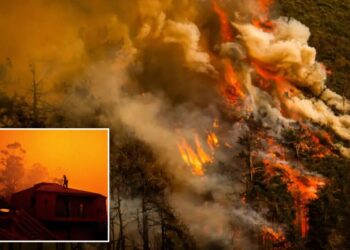
The landscape across California has begun its annual transition into tinderbox season, as temperatures warm, rain becomes scarce and vegetation dries out. The arrival of summer brings with it a common worry: What will the fires do this year?
Peak wildfire season is already in full swing in the southern part of the state, where several fires have led to brief evacuations in recent weeks. Throughout the rest of June, the threat of fires is expected to spread into Northern California and to intensify across the state.
But fire experts say the outlook for the rest of the summer is less certain than usual. The intensity of a fire season in California is typically influenced by warm, dry weather, but this year, the state may not stay dry all summer as it often does. The eastern Pacific hurricane season was expected to be active this summer with an intense El Niño forming, and moisture from storms over the Pacific Ocean could bring more rain than usual, especially to Southern California.
“There are no guarantees, but El Niño stacks the odds,” said Jonathan O’Brien, a meteorologist with the U.S. Forest Service.
Peak fire season has begun in Southern California.
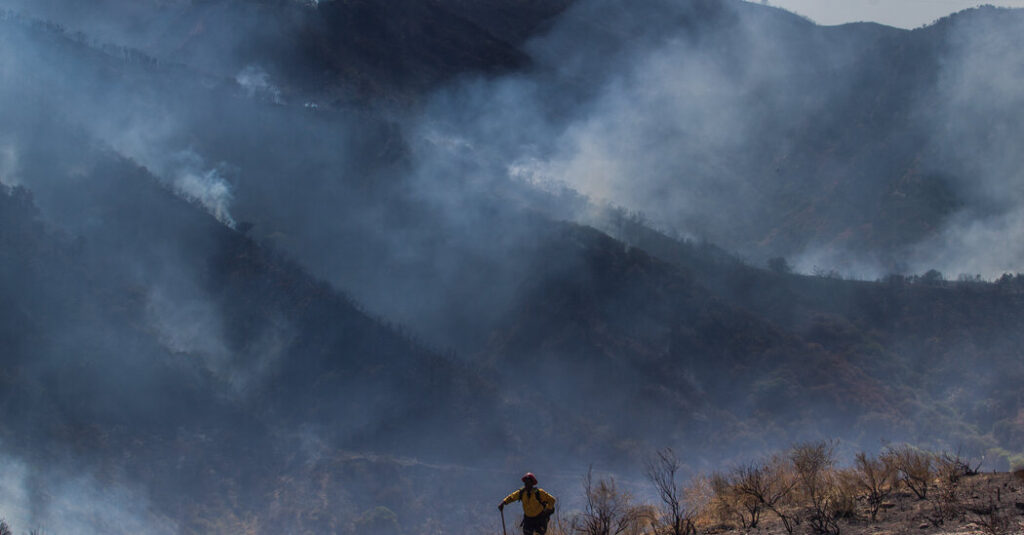
While devastating fires occur year-round in California, the peak season typically runs from June through October. This year, though, activity began in May across Central and Southern California, where more than half a dozen fires each surpassed 1,000 acres last month.
A fire on Santa Rosa Island, part of Channel Islands National Park, spread across 18,000 acres. The Sandy fire forced more than 30,000 people to evacuate from their homes in the Simi Valley, 40 miles northwest of Los Angeles.
“You usually don’t see a lot of significant fire activity there at this time of year,” Mr. O’Brien said of the Sandy fire.
Winter rains that were followed by a record-breaking heat wave in March were partly to blame. The combination led to early vegetation growth in Southern California. Grass and brush turned green earlier than usual thanks to the rain, but it also dried out four to six weeks earlier than normal, becoming fuel for spring wildfires.
“A lot of the fires are burning and behaving in a way that’s more typical in July,” Mr. O’Brien said.
Northern California is facing a different picture: Late-season storms that brought rain and snow last month helped vegetation dry out more slowly, keeping the fire risk lower for a time. Warmer weather this week is expected to push the wildfire threat above normal through the rest of June.
What will El Niño do?
California is expected to be hot this summer, and forecasters predict that above-average temperatures from June through September will bake the vegetation, making it easier for fires to start and to spread more quickly when they do.
As the temperatures rise, melting in the Sierra Nevada can help ease wildfire risk by keeping the landscape moist in the drier months. But this winter brought a record-breaking snow drought to the west, leaving the layer of snow in the mountain range thin and unlikely to provide relief.
Meteorologists and firefighters are watching one wild card: the likely arrival of a strong El Niño, the weather pattern that can drastically reshape the intensity of seasons around the globe. The El Niño forecast has many bracing for an active hurricane season in the eastern Pacific Ocean, and remnant moisture from a hurricane could bring heavy rain to the state at a time of year when the land is most often dry.
This is especially the case for Southern California. In August 2023, Tropical Storm Hilary was fueled by El Niño as it soaked the region and significantly diminished wildfire risk for weeks.
Forecasters are also expecting an active monsoon season in the Southwest, with summer rains that could feed moisture into California.
But thunderstorms bring with them their own risks: While the rain helps to reduce fire danger, as the systems move north through the state, they can also dry out. Dry lightning — which strikes as the rain from passing thunderstorms evaporates before it reaches the ground — can spark wildfires, and this summer the threat of dry lightning is higher in Northern California. Some of the most devastating fires in 2020’s record season began with dry lightning.
“The further away you go from the moisture sources, the better potential for drier thunderstorms,” said Brent Wachter, a meteorologist with the U.S. Forest Service. “The consensus is that Northern California will be on the edge of the wet versus dry thunderstorms.”
Amy Graff is a Times reporter covering weather, wildfires and earthquakes.
The post California’s Wildfire Season Is Off to an Early Start. What’s Next? appeared first on New York Times.