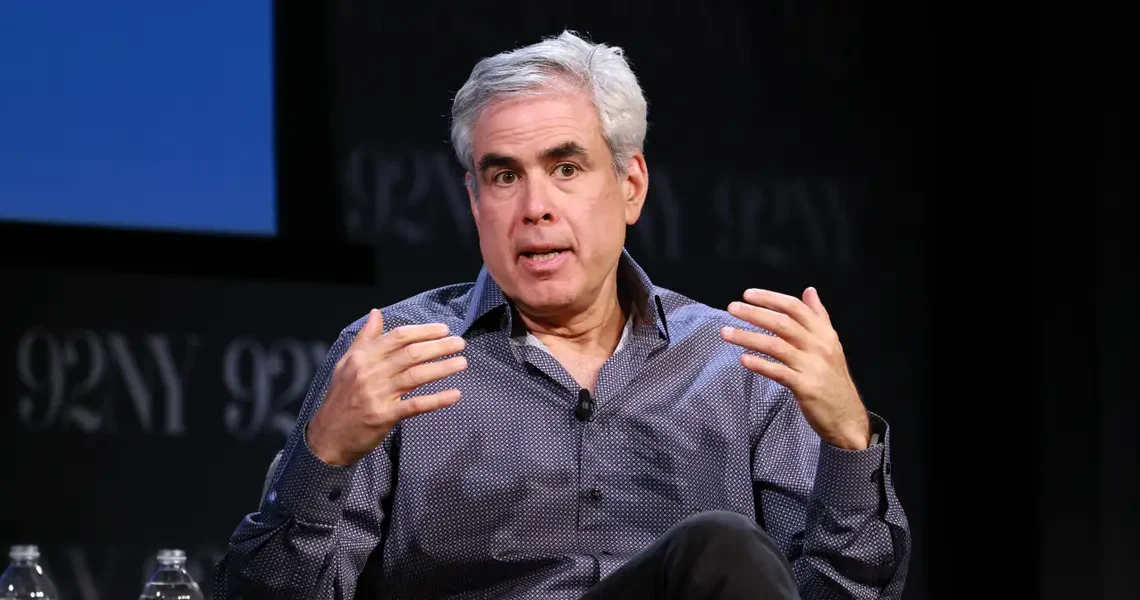
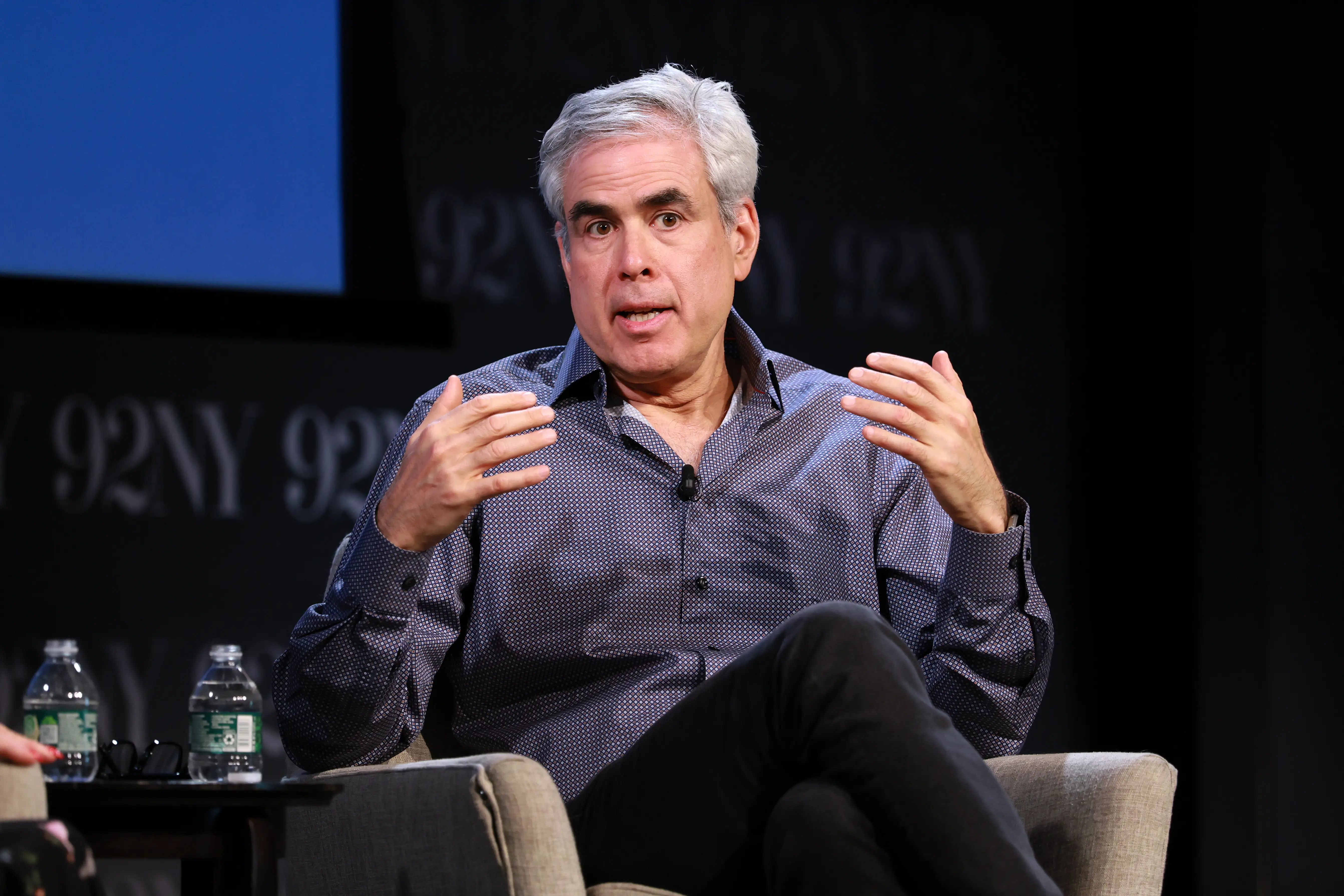
Jonathan Haidt, the NYU Stern School of Business professor whose book “The Anxious Generation” helped spark a global debate about the impact of smartphones and social media on young people’s mental health, has a new concern: AI toys designed for children.
Speaking at a recent TED Talk, Haidt said that the rapidly growing market for AI-powered toys and chatbots could interfere with children’s relationships with their parents by becoming emotional attachment figures.
“We’re seeing a booming AI toy market. Chatbots are being put into dolls and teddy bears,” Haidt said.
While he didn’t single out specific products, a growing category of AI-powered toys and companions has emerged over the last couple of years.
Examples include Moxie, an AI-powered social robot designed to be children’s friend, tutor, and mentor, as well as chatbot-enabled dolls and teddy bears developed by startups like Curio. Toy giant Mattel has also partnered with OpenAI to explore AI-powered products, showing how quickly the category is evolving.
Market research firm Grand View Research estimates that the global smart toy market, including AI toys, will grow from $14.39 billion in 2025 to $44 billion by 2033.
The social psychologist said these products are designed to be highly responsive to children, offering comfort, conversation, and companionship whenever they’re needed.
That constant availability could make them especially appealing to young users.
“These chatbots are super responsive to the child. They’re always there to offer comfort, to be there for the child — and of course, the parents are often busy,” Haidt said.
The danger of artificial relationships
Haidt’s warning comes as AI companions are already reshaping people’s social and romantic lives.
Users say they’ve fallen in love with AI partners, relied on chatbots for daily companionship, and even feared losing the relationships they’ve formed with virtual companions.
Haidt’s concern, however, centers on how children form attachments.
Young children naturally gravitate toward people who consistently respond to their needs, he said. If AI companions become more reliably responsive than parents, they could begin to occupy an unhealthy role in a child’s emotional development.
“If the chatbot is super responsive while the parents aren’t as responsive, the child’s attachment system, which is looking for who in my environment is the person who responds to me, may well imprint or focus on the chatbot, which is going to compromise their relationship with their own parents,” Haidt said.
Techno-skeptic
The warning is part of a broader argument Haidt has been making about what he calls “techno-skepticism.”
He said society moved too quickly in allowing social media companies to shape children’s social lives and educational technology companies to reshape classrooms.
“We let social media companies take over our kids’ social lives, and they’ve harmed our kids’ social lives and their mental health,” he said, adding: “We let EdTech companies take over our kids’ schools, and they appear to be doing more harm than good.”
Now, he said, AI companies are targeting an even more intimate part of childhood: relationships.
“AI companies are coming for their relationships, to be their friends, their therapists,” Haidt said. “What could go wrong?”
While he said AI therapists may eventually have a role, he said that companies should not be allowed to deploy emotionally persuasive AI products to children without years of safety testing.
“Give them nothing that conveys that it understands the child or that it cares,” Haidt said. “Because it doesn’t.”
Read the original article on Business Insider
The post AI toys could weaken kids’ bond with their parents, ‘The Anxious Generation’ author says appeared first on Business Insider.