It has never been easier to be intoxicated all day, every day in the United States.
Consider a few trends:
-
In 1950, the typical American would have had to spend 75 percent of his or her daily pay (after taxes) to buy a bottle of vodka. Today, that number is less than 5 percent. Atrophying alcohol taxes and growing incomes have effectively brought the cost down to one-fifteenth of what it once was.
-
The legalization of marijuana made it much easier for anyone to buy the drug. It also has made the drug cheaper. In Oregon, the average price of marijuana per gram is down more than 60 percent since legalization.
-
Powerful synthetic drugs, such as fentanyl and meth, have taken over illegal drug markets. These drugs went from cheap to cheaper, with the price of fentanyl dropping by 50 percent over five years. They can also be much more potent than nonsynthetic drugs, meaning users have to buy less to obtain the same high.
-
Other costs are lower, too. Drug use no longer carries the threat of incarceration that it once did. In some progressive cities, people often use drugs in public and face zero legal consequences. Some drug use has also become more culturally acceptable, including marijuana consumption and the microdosing of psychedelics.
Americans may be struggling to afford food, gas and a visit to the doctor, but drugs and alcohol are more affordable than ever.
The upshot is a society that can easily get drunk and high. That’s a less healthy society: About 48 million Americans are addicted to some kind of drug, a statistic that includes alcohol. Roughly 70,000 a year die from overdoses. Despite a welcome dip in drinking, about 178,000 die each year from excessive alcohol consumption. It’s a less safe society, too, as intoxication and illegal drug markets so often fester into crime. And it’s a less rational one; most people don’t make their best decisions when stoned or drunk. It’s even a less free society. Addicts often describe dependence on a drug as its own kind of prison.
For legal substances, there is a straightforward way to curb these trends. It doesn’t require a return to Prohibition or to earlier forms of the war on drugs, both of which failed. Lawmakers can simply raise prices by increasing taxes. Alabama, Maryland and Utah have enacted such measures in recent years, showing it’s politically possible.
Such taxes work. Raising the price of alcohol by 10 percent would reduce drinking by 5 percent and the death rate from alcohol-caused diseases by 9 to 25 percent, studies have found. Taxes on marijuana products are also associated with reduced demand.
One argument, often made by the alcohol industry, is that such taxes are regressive, and it’s true that higher prices hit the poor harder. But with higher taxes, those communities would also reap the benefits of less drunken driving, violence and disorderly behavior.
Taxes would also cost problematic users more than casual consumers. If one drink of rum costs 10 cents more, you won’t feel that as someone who has a couple of drinks with friends once or twice a week. If you drink heavily every day, the extra cost will quickly add up — and maybe lead you to rethink your habit, or stop you from drinking so much to begin with.
What about illegal drugs? Their users are also responsive to cost. A 10 percent increase in the price of illegal drugs leads to a 9 percent decrease in demand, a review from the Australian Institute of Criminology found. One of the most promising treatments for meth and cocaine addiction is “contingency management,” which gives users cash or other financial rewards to stop using drugs; it imposes a monetary cost on drug use, leading even addicts to cut back. Other kinds of costs can work as well: The threat of short but consistent jail sentences has been effective in curbing substance use among illegal drug users and those arrested or convicted of alcohol-related crimes.
Of course, lawmakers can’t simply raise taxes on illegal drugs. For these substances, they will have to impose less direct costs. The country is right to move away from long prison sentences for drug use, but that doesn’t mean it has to eliminate all the social costs associated with illegal substances. In Portugal, officials have used the threat of civil penalties — fines, community service, the revocation of professional licenses — to push people into addiction treatment. American drug courts follow a similar model with the threat of jail or prison, but are notoriously underfunded and often steer people into the wrong kinds of treatment. Those are fixable problems.
The key point is that imposing at least some cost can help lead people away from using drugs. Policymakers should also reduce the cost of quitting drugs by making effective addiction treatment more affordable and available. The goal should be to make it easier, and less costly, to get help than to get high.
Friction matters. When you make something costlier or more difficult to obtain, people seek less of it. As much of the country dials back policies, like mass incarceration, that we’ve decided are too punitive, we should look for other ways to attach friction to substances that in abundance can hijack our minds and lead us to overuse, addiction or worse.
No one wants to be a buzzkill, but a nation awash with cheap drugs is a nation with more drug problems. It’s time for an intervention.
German Lopez is a writer for the New York Times editorial board.
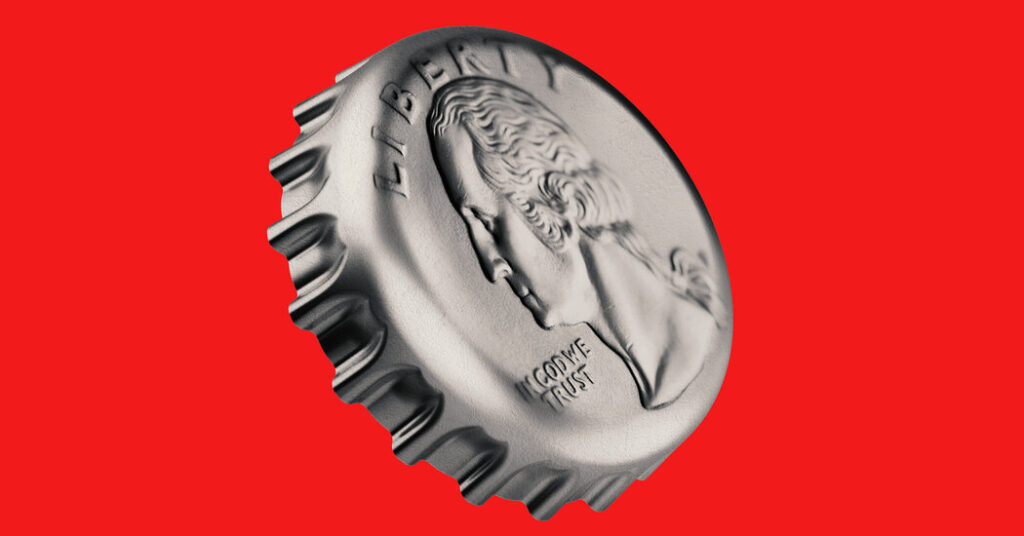
Source photograph by Stockbyte/Getty Images.
The Times is committed to publishing a diversity of letters to the editor. We’d like to hear what you think about this or any of our articles. Here are some tips. And here’s our email: [email protected].
Follow the New York Times Opinion section on Facebook, Instagram, TikTok, Bluesky, WhatsApp and Threads.
The post It Shouldn’t Be This Easy to Get High appeared first on New York Times.