The history of the modern box office and film industry is permanently entwined with “Star Wars.” While Steven Spielberg’s “Jaws” got the ball rolling, the debut of George Lucas’ sci-fi film in 1977 gave rise to the merchandise and sequel-driven economic model that Hollywood has been pursuing for almost 50 years.
Over the course of three trilogies, multiple re-releases and a mixed bag of spinoffs, “Star Wars” has seen the twists and turns of Hollywood including the rise and fall of physical home media, the takeover of streaming, and of course, the war for IP acquisitions as its creator, George Lucas, sold the franchise and its studio, Lucasfilm, to Disney for $4 billion in 2012.
That history comes with years of theatrical dormancy, and the most recent period is coming to an end this weekend with “The Mandalorian and Grogu,” the first “Star Wars” theatrical release since the critically derided “The Rise of Skywalker” in 2019. As Disney fights to get the audience reinvested in what was once a crown jewel of blockbuster cinema, it’s worth looking back at how we got here.
“A New Hope”
On its opening day on May 25, 1977, “Star Wars” made $254,809 from just 32 theaters. Like many Hollywood hits, distributor 20th Century Fox didn’t know what they had, as pre-release marketing was minimal. But upon release, buzz quickly spread, and lines soon gathered outside the select few theaters screening the film.
While massive changes to movie ticket prices make direct comparisons inexact, the opening day total for “Star Wars” equates to roughly $1.4 million in today’s money after inflation adjustment. If a specialty release today made that much money from its opening day — a per theater average of $43,750 — they would be touting that as a huge sign that the film was a hot ticket in major cities.
Over the next month, “Star Wars” rapidly expanded to 1,700 theaters as moviegoers eagerly anticipated the arrival of one of the best reviewed films of the year at their local cinema. At a time before VHS was widely available, there was nothing stopping a hit film from playing in theaters for months on end, and “Star Wars” stayed No. 1 from its seventh weekend to its 22nd weekend, finishing with a North American box office total of $225 million and passing “Jaws” for the all-time record.
“The Empire Strikes Back”
Of course, a sequel to a film that big isn’t going to go unnoticed on opening weekend, but 20th Century Fox chose to keep the opening weekend of “The Empire Strikes Back” limited to 126 theaters, hoping to build up anticipation as it made $7.2 million over a 5-day opening on Memorial Day weekend. Of course, when word got out that the film had what would go on to become the most famous twist in film history, the hype around “Empire” exceeded that of its predecessor.
But despite that twist and its modern reputation as the best “Star Wars” film ever, “Empire” didn’t get the legs of “Star Wars.” Released at a time of great economic uncertainty in the summer of 1980, the darker tone of the sequel, complete with Han Solo captured and frozen in carbonite and Luke losing his hand, divided both critics and fans at the time of its release. While still a hit and the year’s highest grossing film, “Empire” grossed less than its predecessor with an estimated $209 million in North America.
“Return of the Jedi”
“Return of the Jedi” didn’t have that problem with American moviegoers in 1983, as its uplifting payoff to the “Empire” cliffhanger drove it to a year-best $252 million domestic total, more than double the $108 million of the next highest grossing film that year, “Terms of Endearment.” By the time “Return” completed its original theatrical run, the “Star Wars” trilogy had grossed more than $1 billion worldwide with re-releases included and provided the blueprint for studio windfalls through merchandising and other ancillary revenue that would be seen just a year later with films like “Ghostbusters.”
Re-releases and home video
But in the 14 years after the fall of the Galactic Empire, “Star Wars” didn’t have much of a cultural footprint aside from anniversary re-releases and Timothy Zahn’s novels continuing the story of the films. That changed in 1993 when it was first reported that Lucas, seeing the advent of computer technology, decided to make a new trilogy of films showing Darth Vader’s origins as a Jedi named Anakin Skywalker.
To prime the pump, the original trilogy was re-released in 1997 with updated computer effects from Lucas that stoked the anger of many longtime fans. Despite that, the “Star Wars: Special Edition” was one of the most successful re-releases in box office history, grossing $472 million worldwide between the three films and even forcing a move of the re-release date for “Return of the Jedi” as a new generation of “Star Wars”-loving families turned out for the previous two installments…and bought millions of action figures and toys along with it.
“The Phantom Menace”
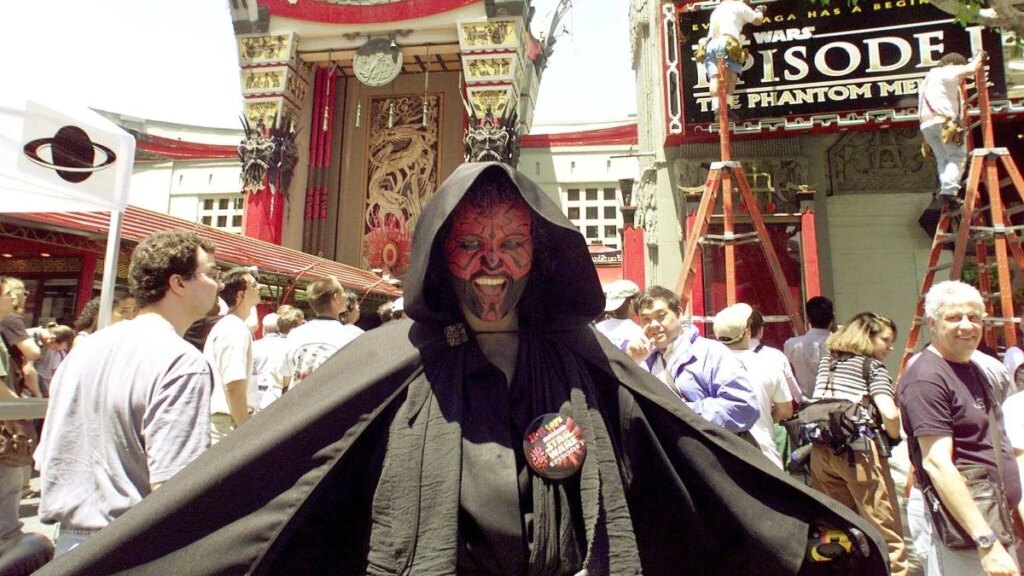
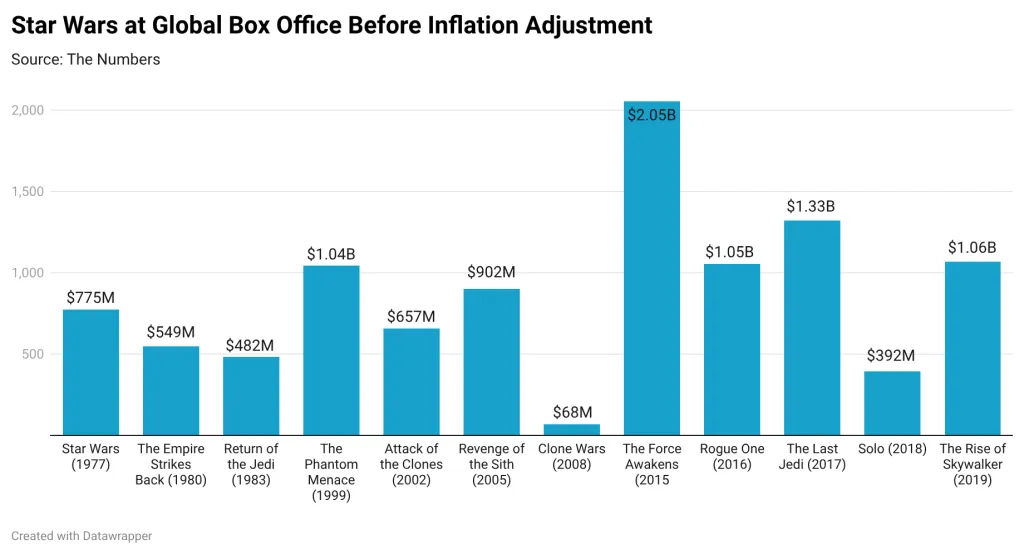
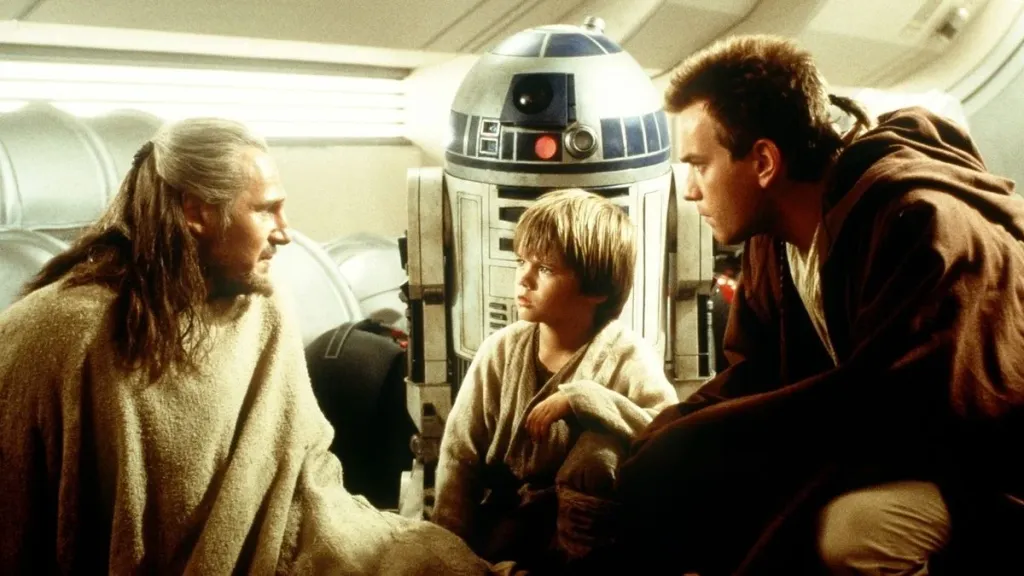
That led directly to the release of “Episode I: The Phantom Menace,” a film release that lives in both theatrical fame and infamy. Once again, “Star Wars” fans lined up more than a week before the film’s premiere to make sure they got tickets to the first screenings, and the film’s arrival was a cultural phenomenon, grossing $924 million in its original 1999 release and becoming the highest grossing film of that year.
Of course, we know what happened afterwards. Jar-Jar. Midichlorians. The digital effects. And that was just the beginning. Over the next six years, the “Star Wars” prequels became reviled by the franchise’s fans and turned George Lucas into an object of ire, even as they continued to bring in hundreds of millions of dollars at the box office.
“Attack of the Clones” and “Revenge of the Sith”
“Episode II — Attack of the Clones” grossed $645 million and became the fourth-highest grossing film of 2002, while “Episode III — Revenge of the Sith” made $850 million in 2005, second only to “Harry Potter and the Goblet of Fire” on that year’s charts. In total, more than $2.4 billion in global grosses before re-releases and inflation.
With Lucas announcing that he was finished with “Star Wars” — and the fans seemingly finished with him — it seemed like that was it for the franchise theatrically. A 2008 Warner Bros.-released addendum to the prequels, “Star Wars: The Clone Wars” went nowhere with just $68 million grossed worldwide, though it did serve as a launch for a Cartoon Network series that was well received by fans at the time…and would become a part of what would come next.
“The Force Awakens” and “Rogue One”
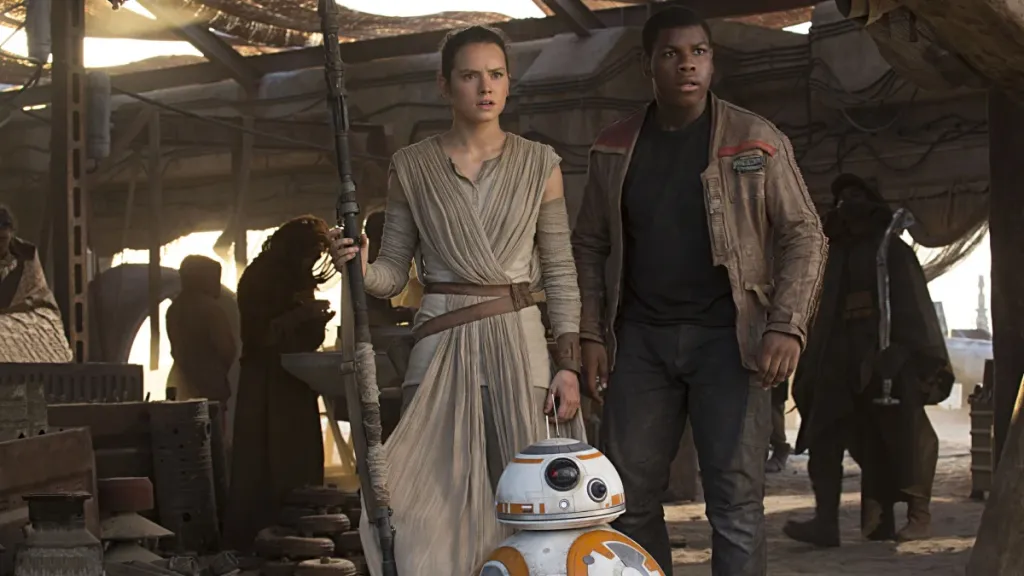
In 2012, the news dropped: Disney was buying Lucasfilm, and “Star Wars” was coming back to theaters. The hype cycle kicked into high gear all over again, as fans got excited for J.J. Abrams’ “The Force Awakens,” which released in December 2015 and blew all expectations out of the water.
Like “Empire” 35 years prior, the pop culture discourse was filled with talks of the film’s big twist, this one being the shocking death of Han Solo. With fans desperate to see the film before being spoiled, “The Force Awakens” earned a then-record $248 million opening weekend and became just the third film to gross $2 billion worldwide before inflation adjustment, with a $936 million domestic total that still remains a North American record.
With Disney riding high off this relaunch of the franchise, the studio, along with Lucasfilm chief Kathleen Kennedy, took a big bet on the public’s appetite for more “Star Wars.” Not only would there be a new trilogy, but the years in-between those installments would bring anthology films that told tales from various parts of the “Star Wars” timeline.
No more years-long gaps between new releases. “Star Wars” would become an annual box office mainstay like the Marvel Cinematic Universe. That seemed to work in 2016 with “Rogue One,” a film set just before the start of the original trilogy that grossed $1.05 billion worldwide and which, years later, spawned a Disney+ prequel trilogy in “Andor” that stands as Disney’s most acclaimed “Star Wars” tale to date.
“The Last Jedi” and “Solo”
But then, in 2017, came “Star Wars: The Last Jedi,” arguably the most polarizing film of the 21st century with adoring fans and vicious haters who blamed the franchise’s downfall upon it. Earning a $220 million opening weekend, the film’s $1.33 billion box office total made it the highest grossing film of 2017, but the $730 million gap between that and the $2.07 billion total of “The Force Awakens” was seen by its detractors as proof that the film wasn’t enjoyed by enough people to truly leg out at the box office.
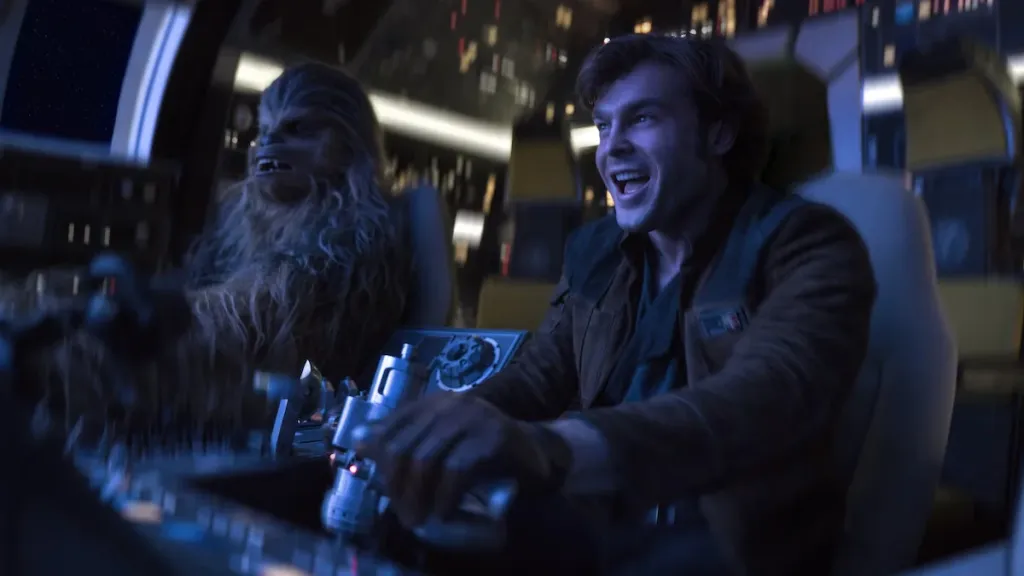
The real undisputed bust for Disney came less than six months after “Last Jedi” with the next anthology film “Solo: A Star Wars Story,” which grossed a mere $392 million worldwide from its Memorial Day weekend opening amidst lukewarm reviews. It was a clear message from the public to Disney that, no, they weren’t interested in seeing “Star Wars” every year, and the plans for yearly anthology films were soon scuttled between that film’s results and the COVID-19 pandemic in 2020.
“The Rise of Skywalker”
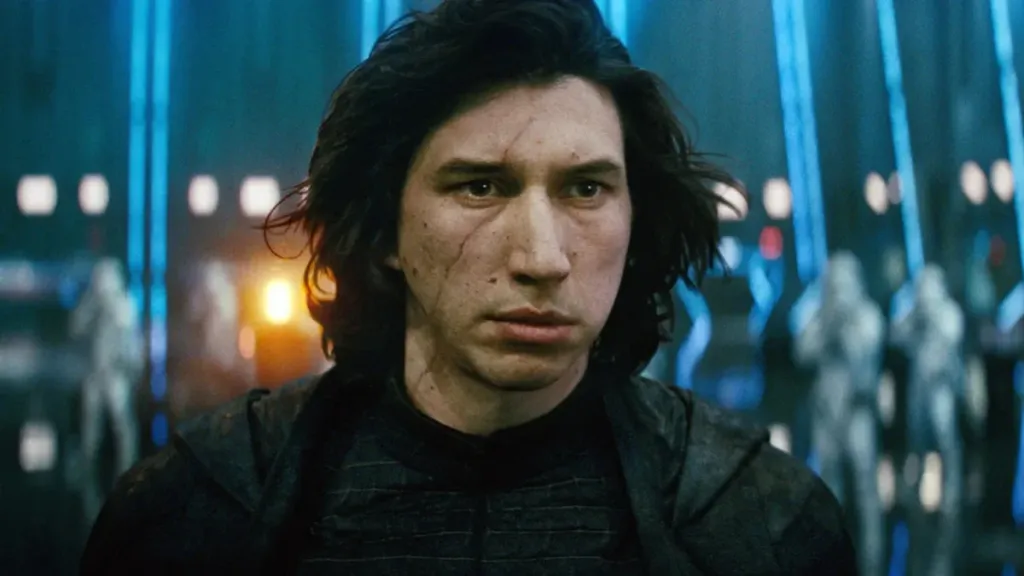
But before the pandemic, there was one more film to release: “Star Wars: The Rise of Skywalker,” the film that gave us the phrase “Somehow Palpatine returned.” Panned by critics for walking back some of the bolder moves of “The Last Jedi” and failing to displease the fans disgruntled by its predecessor, “Rise” still turned a theatrical profit from its 2019 release but needed to stretch out just to join the $1 billion club.
Between the poor reception of “Rise of Skywalker,” the online debate around the Sequel Trilogy being mostly whether or not it was worse than the Prequel Trilogy, and the stronger reception for “The Mandalorian” on streaming, “Star Wars” transitioned in the 2020s from a cinematic franchise to a television one. But that shift hasn’t done much to fix Disney’s image in the eyes of many fans.
While “The Mandalorian” and “Andor” have been successes, and fans of the “Clone Wars” animated series were thrilled when Disney brought that series back, other titles like “Skeleton Crew,” “Obi-Wan Kenobi,” “The Acolyte” and “Ahsoka” were met with, at best, mixed reception and downright rejection at worst. Amidst all of this, the decision was made in 2023 to pivot plans for a fourth season of “The Mandalorian” into a standalone feature film, “The Mandalorian and Grogu,” which would mark the franchise’s return to theaters.
What’s next
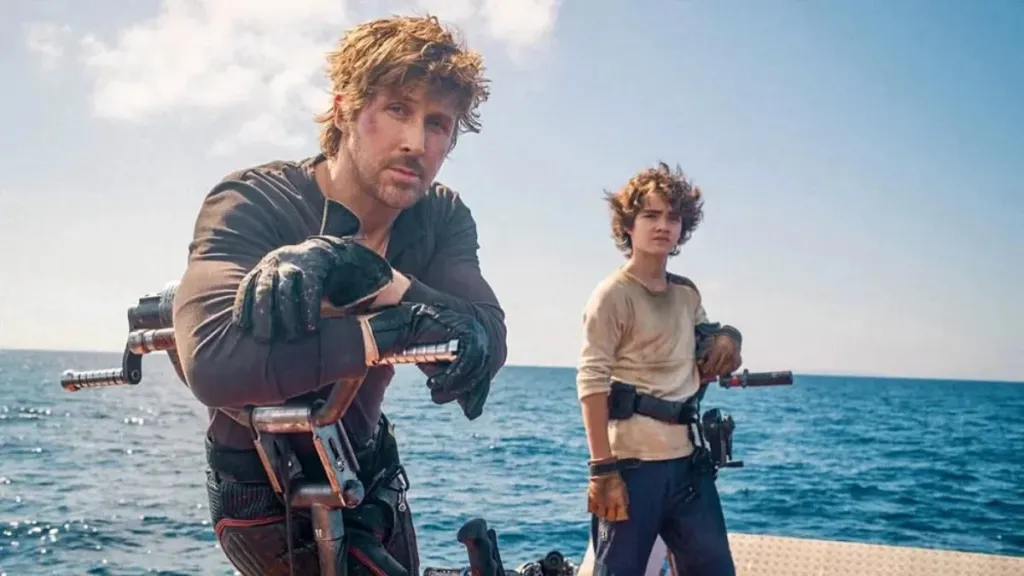
Meanwhile, after theatrical projects ranging from a Patty Jenkins-directed “Rogue Squadron” to a “Solo” spinoff “Lando” starring Donald Glover have fallen into development hell, another standalone film, “Star Wars: Starfighter” has gotten off the ground and will hit theaters in 2027. “Deadpool & Wolverine” director Shawn Levy is attached, as is “Barbie” Oscar nominee Ryan Gosling fresh off his latest box office hit, “Project Hail Mary.”
But for now, “The Mandalorian and Grogu” is looking at a $90 million 4-day domestic opening weekend, below the $103 million for “Solo.” It is quite possible that the film may finish with a global total below “The Devil Wears Prada 2,” which once upon a time might have seen as an impossibility for any “Star Wars” film.
While still a lucrative IP for Disney, “Star Wars” has lost its box office luster, and who knows how long it will take, if ever, to get it back.
The post ‘Star Wars’ at the Box Office: A Crash Course on a $10 Billion Franchise appeared first on TheWrap.