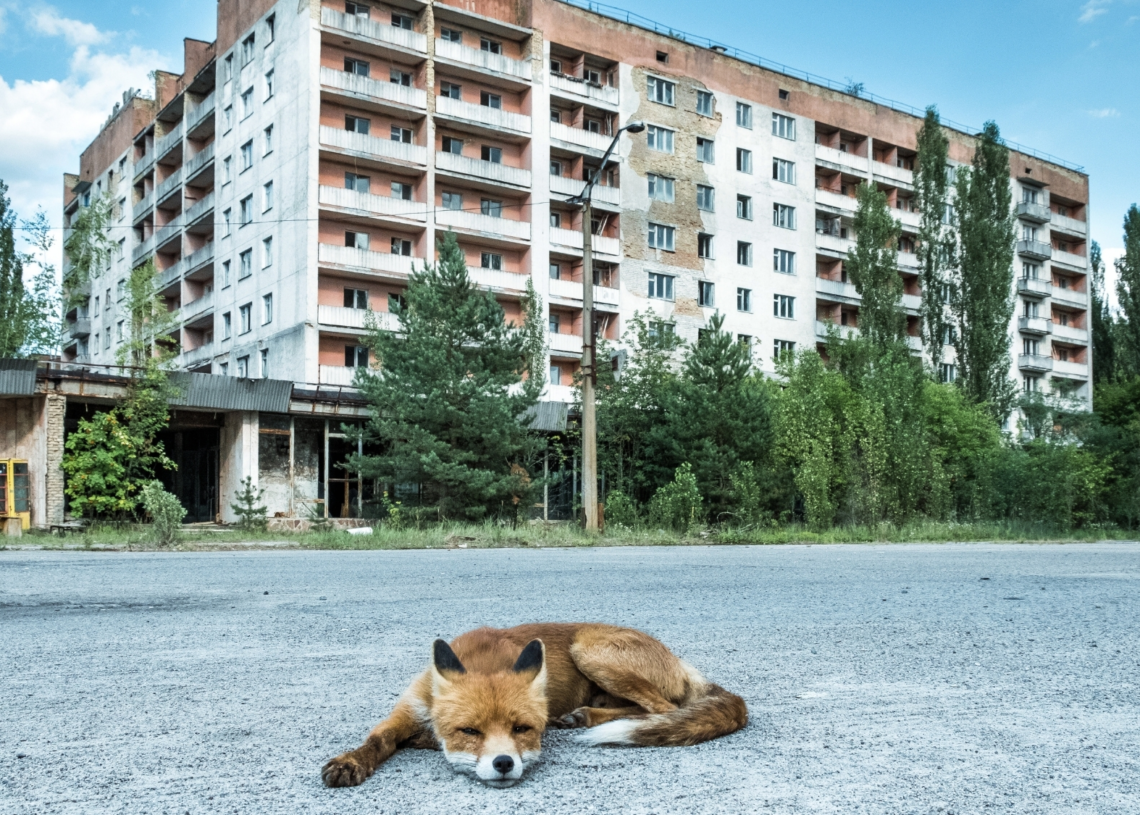
Forty years after one of the worst nuclear disasters in history, Chernobyl has become something nobody anticipated: a wildlife sanctuary.
A new study published in the Proceedings of the Royal Society B has documented a striking number of large animals thriving inside the Chernobyl Exclusion Zone, the 2,600-square-kilometer stretch of northern Ukraine that has been largely off-limits to humans since the 1986 reactor explosion. Wolves, brown bears, Eurasian lynx, moose, Przewalski’s horses, wild boar, red deer—13 wild species in total, living their best lives in one of the most radioactive places on Earth.
The research, led by ecologist Svitlana Kudrenko of the Albert Ludwig University of Freiburg, used camera traps across a 60,000-square-kilometer study area between 2020 and 2021. Of the 31,200 total animal sightings recorded, nearly 20,000 came from the Chernobyl reserve alone. The numbers drop significantly in isolated reserves and the crater in unprotected areas.
The key variable wasn’t radiation levels. It was us.
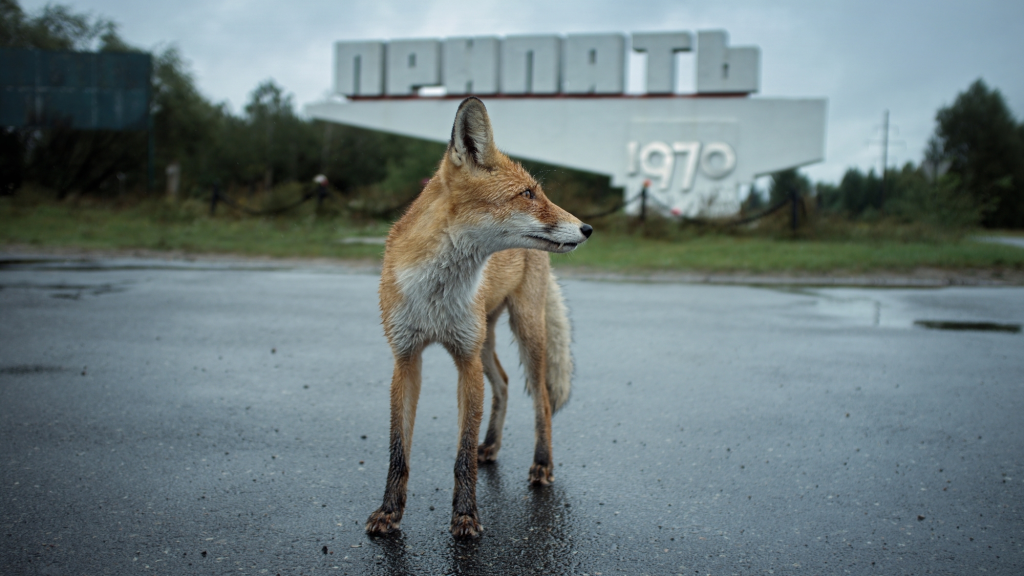
40 Years After the Disaster, Chernobyl Has Accidentally Become a Wildlife Haven
Reserves that were larger, better connected, and more strictly enforced against human entry had dramatically higher animal diversity and occupancy. Moose, in particular, were especially sensitive to human presence—their numbers fell noticeably whenever researchers entered the area. The animals aren’t thriving despite the exclusion zone. They’re thriving because of it.
Ukraine officially established the Chernobyl Radiation and Ecological Biosphere Reserve in 2016 as a formal sanctuary, but scientists have suspected for years that the absence of human activity was doing more for local wildlife than any conservation program. This study makes that case with hard data.
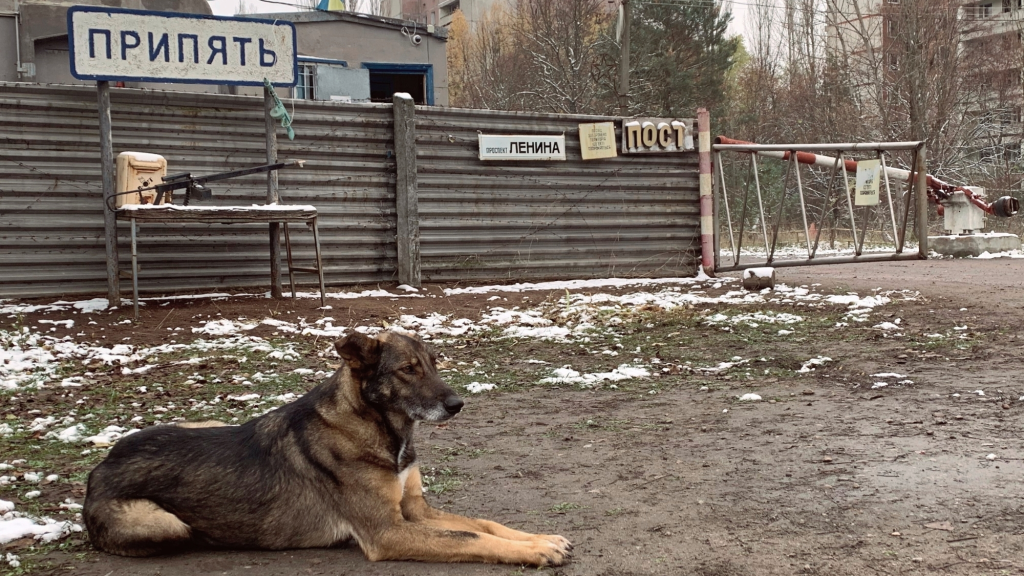
The researchers were careful to note they weren’t studying the effects of radiation on these animal populations. That question remains open. What they wanted to know was simpler and, depending on your perspective, more depressing: what happens to wildlife when people leave? The answer, apparently, is that it does extremely well.
Access to the region has become significantly more difficult since Russia’s invasion of Ukraine in 2022, which means follow-up research is on hold for now. In the meantime, the Chernobyl exclusion zone continues to function as an accidental case study in what the natural world looks like without human interference.
The conclusion practically writes itself. For a growing list of species, a radioactive no-man ‘s-land is a better option than wherever we are.
The post Wild Animals Are Thriving in Chornobyl 40 Years After the Disaster, and the Reason Why Is Pretty Depressing appeared first on VICE.