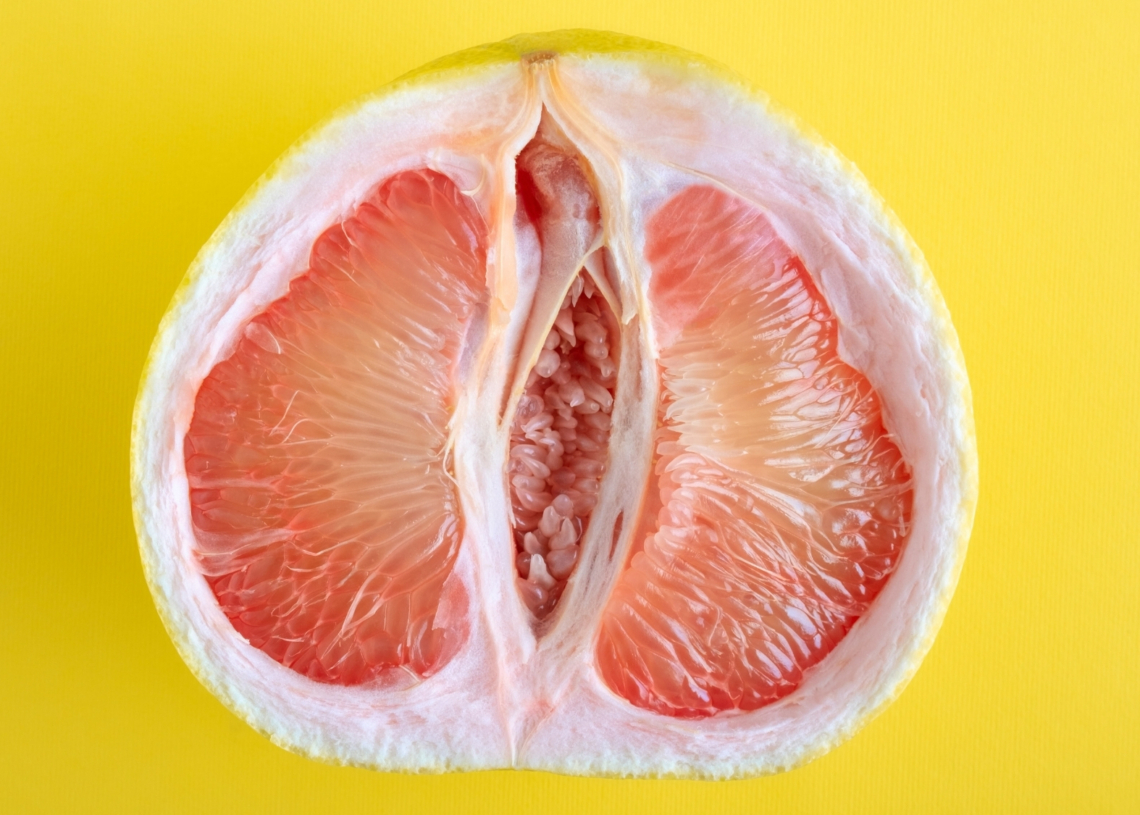
The wellness industry has a new target, and gynecologists have some thoughts. “Vagina-maxxing”—the social media trend pushing women to alter the appearance, smell, tightness, or general perceived attractiveness of their vulva and vagina—is officially on doctors’ radar, and not in a good way.
Dr. Ravina Bhanot, a women’s health GP and founder of The One Labs, previously described the trend to Tyla as attempts to “‘improve’ the appearance, smell, tightness, grooming or perceived attractiveness of the vulva or vagina with beauty routines, supplements, procedures or products.” The product lineup includes tightening gels, vaginal steaming, whitening creams, washes, deodorants, and supplements marketed for “feminine freshness.”
Basically, if someone can make a woman feel insecure about it, there’s a product for it.
The ‘Vagina-Maxxing’ Trend Is Getting a Serious Medical Warning
Gynecology experts at Daye, a women’s health company, are sounding the alarm on the surge of unproven intimate wellness products hitting the market—specifically vaginal melts and tightening gels. Valentina Milanova, Daye’s founder and CEO, whose research has appeared in multiple peer-reviewed medical journals, says the business model here is pretty transparent.
“The business model behind these products appears to rely, in part, on women feeling insecure about the natural scent of their vaginas—an insecurity that is particularly common among younger women and girls, despite natural variation in vaginal odor being a normal aspect of biology,” Milanova says. “Changes in scent also reflect different stages of women’s cycles, which isn’t something that needs to be ‘masked.’”
Money isn’t the only thing at stake. A lot of vaginal melts are made with coconut oil, which eats through condoms—putting users at serious risk of STIs and unintended pregnancy. Internal use also messes with the vaginal microbiome, making infections like bacterial vaginosis, yeast, and UTIs more likely. “It’s ironic,” Milanova says. “A product marketed to improve the smell of the vagina may leave women with BV, candida, and potentially even UTIs.”
Tightening gels are their own disaster. Some widely available options contain capsicum, which is a direct irritant to vaginal and vulvar tissue. Milanova also has little patience for the premise behind them. “Tightening gels often play on insecurities and the persistent myth that a vagina becomes ‘looser’ with sexual activity. This reflects an outdated ‘virgin standard’ narrative rather than biology.” Whatever effect users perceive usually comes from reduced lubrication, which increases friction and raises the risk of microtears and infection.
The vagina was handling things just fine before the wellness industry got involved.
The post ‘Vagina-Maxxing’ Products Are Going Viral, and Doctors Are Begging People to Stop appeared first on VICE.