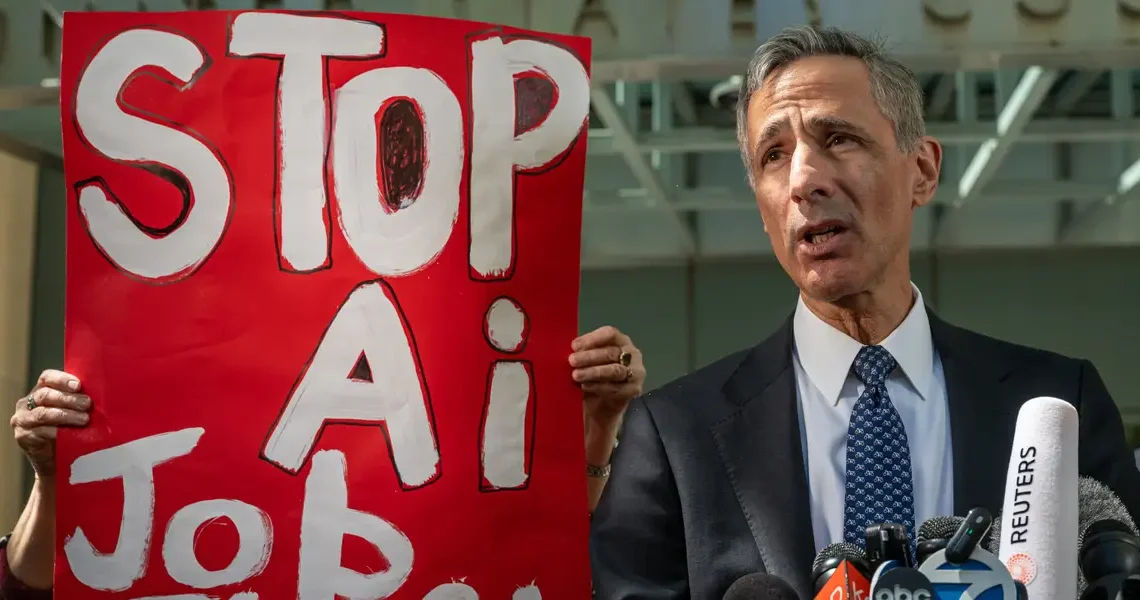
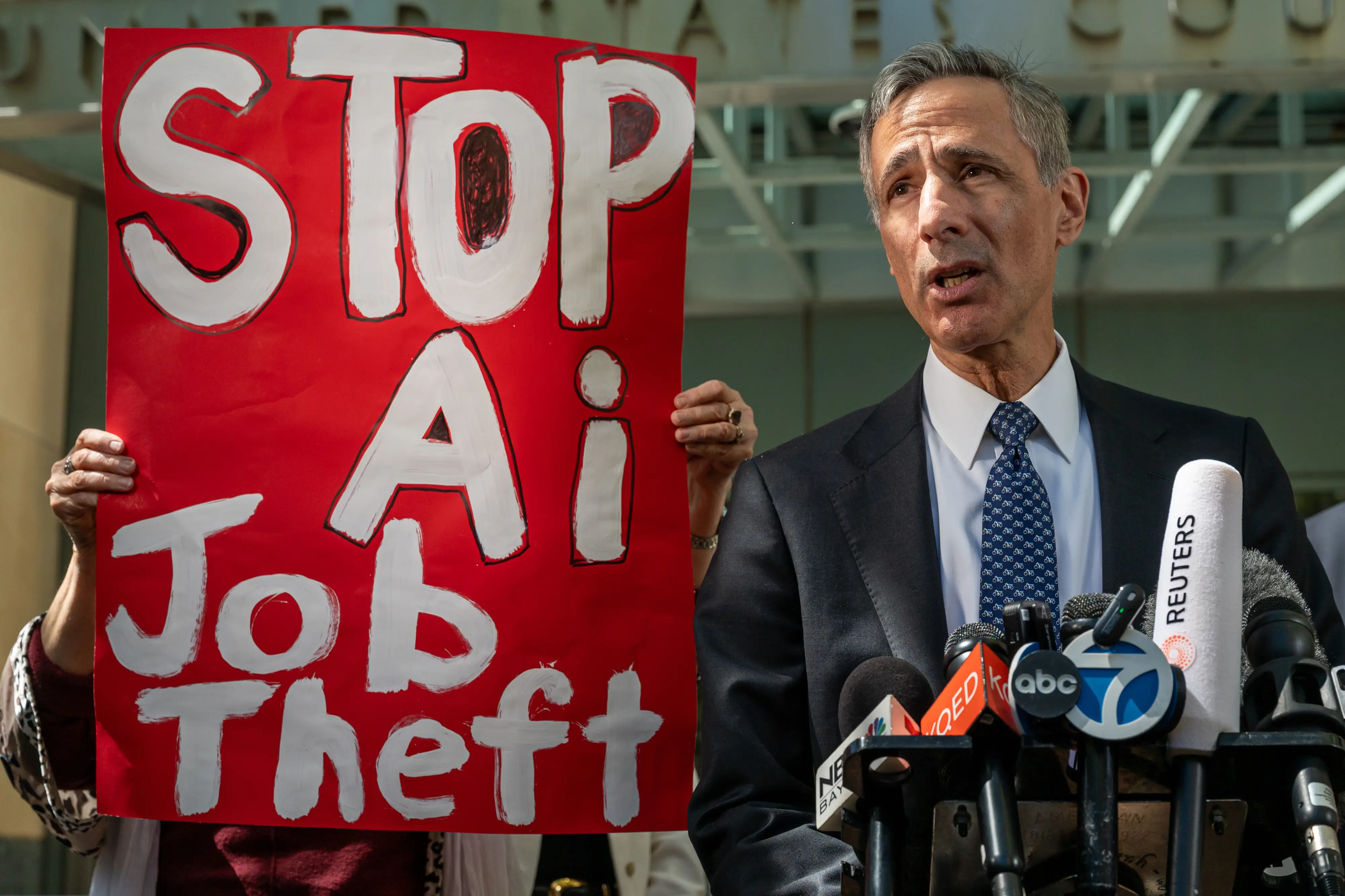
Corporate America and Silicon Valley have been taught a new lesson: don’t praise AI during a commencement speech unless you’re OK with getting booed at by students.
AI anxiety is growing and, in some cases, it’s boiling over into public backlash. The 2026 graduation season has seen speakers at commencement ceremonies, including former Google CEO Eric Schmidt and Big Machine Records CEO Scott Borchetta, get booed when they mention AI.
This backlash is highlighting a gulf between people who feel technology offers new opportunities and the Gen Z audience, which is growing increasingly anxious about what AI means for their future.
Fear of AI taking jobs
There is evidence that some Gen Z attitudes toward AI have grown increasingly negative.
A survey from earlier this year, conducted by the Walton Family Foundation, GSV Ventures, and Gallup, and sampling 1,572 14‑ to 29‑year‑olds, found that Gen Z’s excitement toward AI has dropped 14% over the past year, while feelings of anger toward these tools have risen.
I attended the University of Arizona commencement ceremony, where Eric Schmidt @ericschmidt faced boos throughout his speech.
If you don’t know how young graduates feel about AI, this post is for you.
The message is clear: it reflects growing skepticism toward AI narratives… pic.twitter.com/zVKMqCSrVF— Christina Kueppers, LL.M in IP & Technology Law (@cvkueppersbooks) May 16, 2026
The grad job market has steadily worsened since 2023 after a hiring surge in the years immediately after the pandemic.
Some recent grads have told Business Insider they have been searching for months for full-time jobs after college, and resentment has been brewing among young people who chose their majors before the rise of generative AI.
That frustration has likely only deepened as companies increasingly cite AI as a reason for layoffs.
A survey conducted by AI company Writer and research firm Workplace Intelligence, published in April, found that 29% of employees — including 44% of Gen Z — said they had undermined or resisted their company’s AI strategy.
The survey included 1,200 C-suite executives and 1,200 employees across the US, UK, and Europe.
Among those who said they had worked against their company’s AI strategy, some said they did so because they didn’t want AI to take over their jobs.
Deal with it
Big Machine Records CEO Scott Borchetta’s word of advice to grads about AI? Deal with it.
That was his response when grads at Middle Tennessee State University booed him for saying that AI is rewriting production. “You can hear me now, or you can pay me later,” he added.
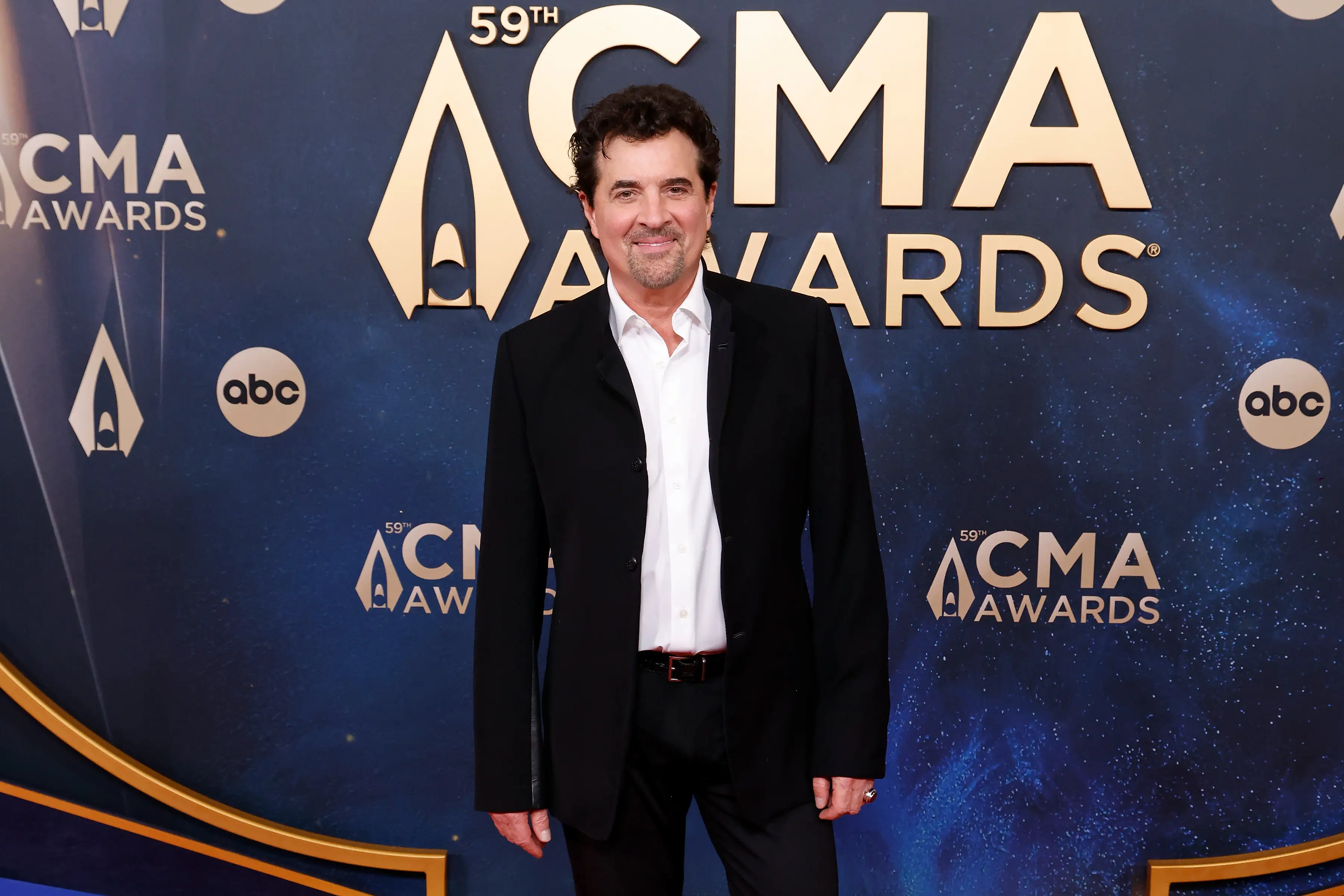
Some young people do resonate with Borchetta’s sentiment. Some Gen Zers say AI is enabling them to advance more quickly in their career, for example.
While negative feelings toward AI are increasing, over half of 14- to 29-year-olds say they use AI daily or weekly, according to the study by the Walton Family Foundation, GSV Ventures, and Gallup.
But it’s clear the mood toward AI has shifted.
AI anxiety is affecting culture, too — it has sparked a nostalgia for old tech and helped propel a trend toward going analog.
“OK, I struck a chord,” was what speaker and real estate exec Gloria Caulfield said when she heard the boos from the audience at the University of Central Florida’s spring commencement.
If you are a Gen Zer with a story to share, please contact this reporter via email at [email protected] or Signal at @royashahidi.36. Use a personal email address and a nonwork device; here’s our guide to sharing information securely.
Read the original article on Business Insider
The post Gen Z’s AI backlash is getting louder appeared first on Business Insider.