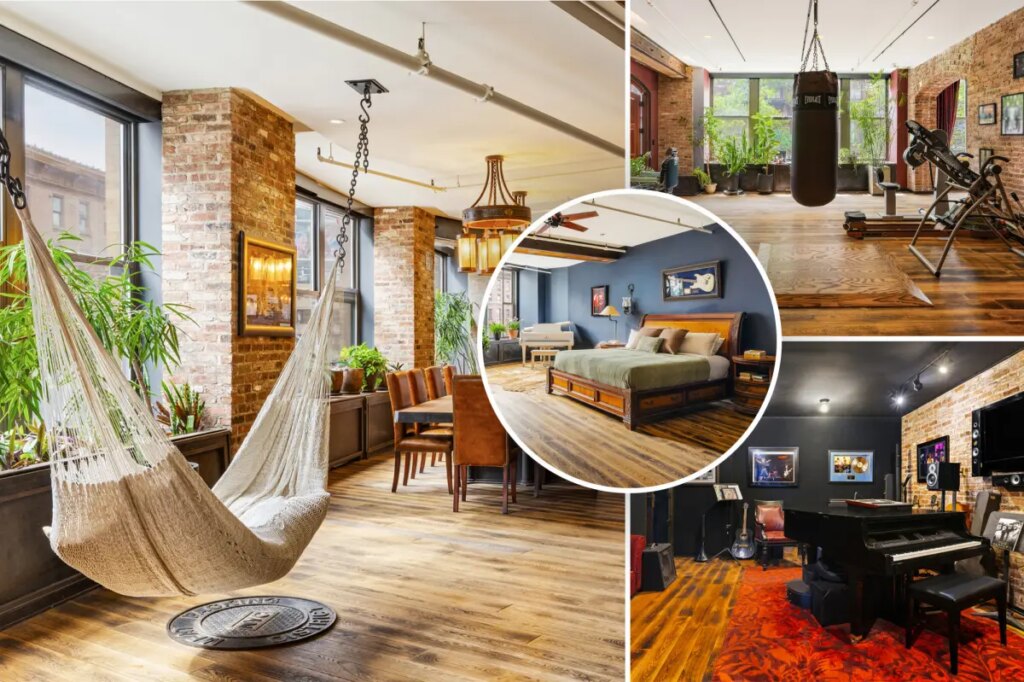
A nearly 7,000-square-foot downtown loft with industrial manholes embedded in the floor, a 1950s phone booth that still works and a gym bigger than some boutique fitness studios is about to test the limits of New York luxury real estate.
The sprawling residence at 345 W. 13th St. in the Meatpacking District has hit the market for $25 million, and according to listing broker Peter Ocean of Serhant, the property holds a title no other Manhattan apartment can claim.
“From my research, it is the largest two-bedroom from what I can find in the history of Manhattan. And certainly today. So you won’t find anything this large today,” Ocean, who shares the listing with Ryan Serhant, told The Post.
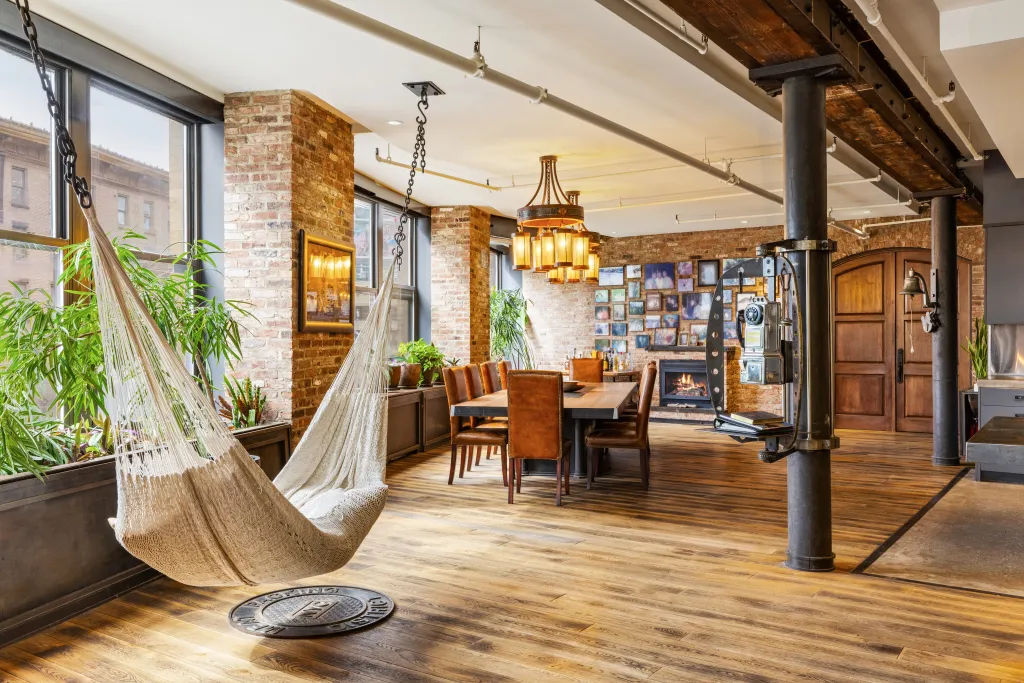
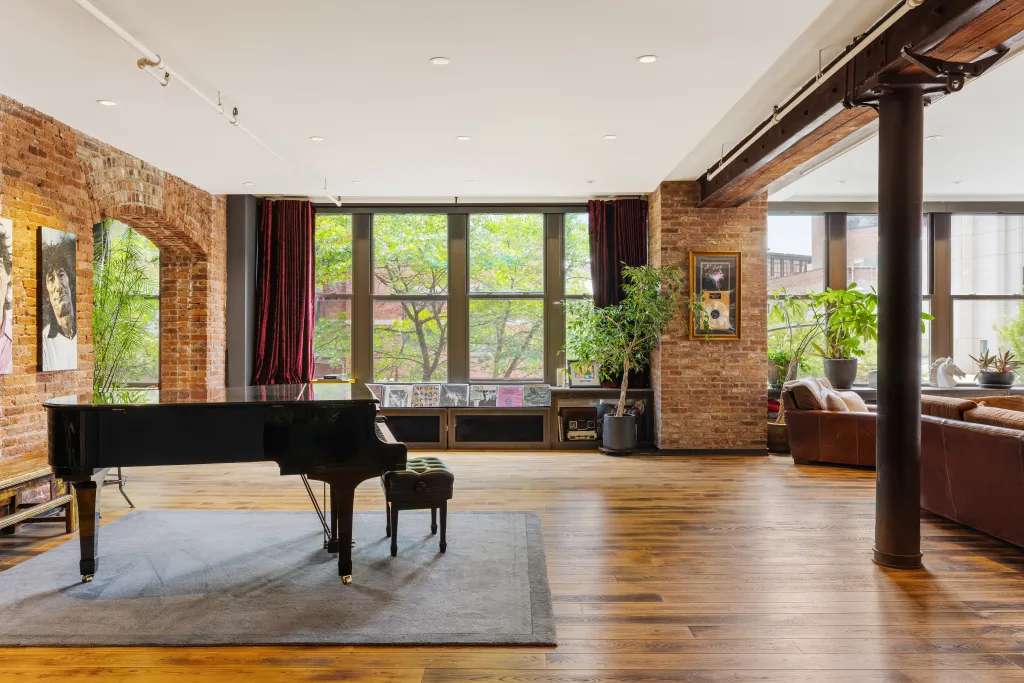
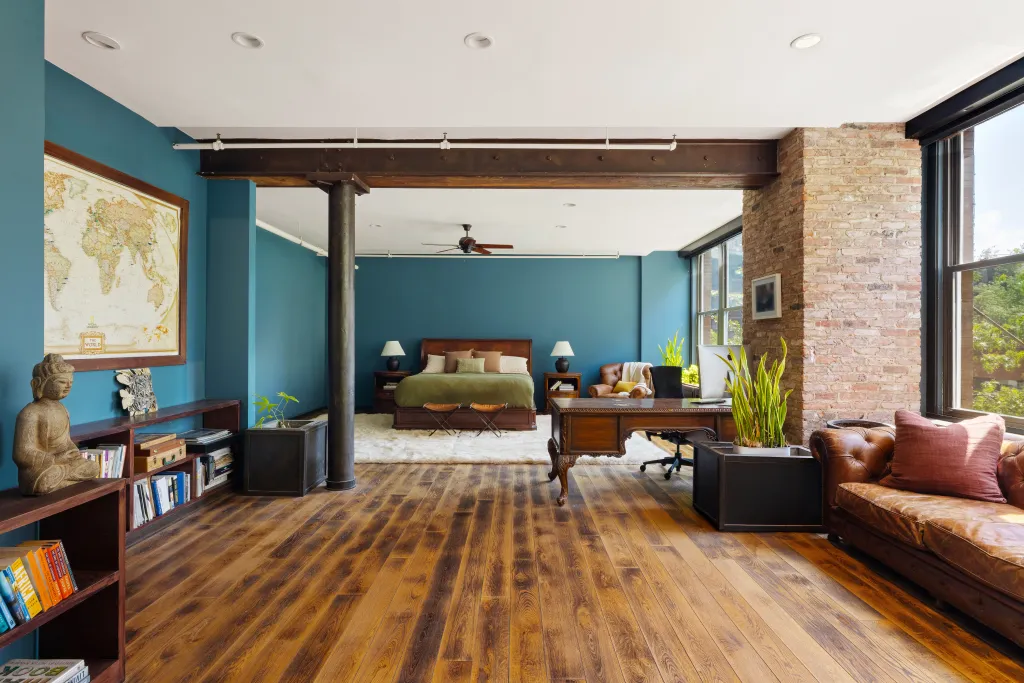
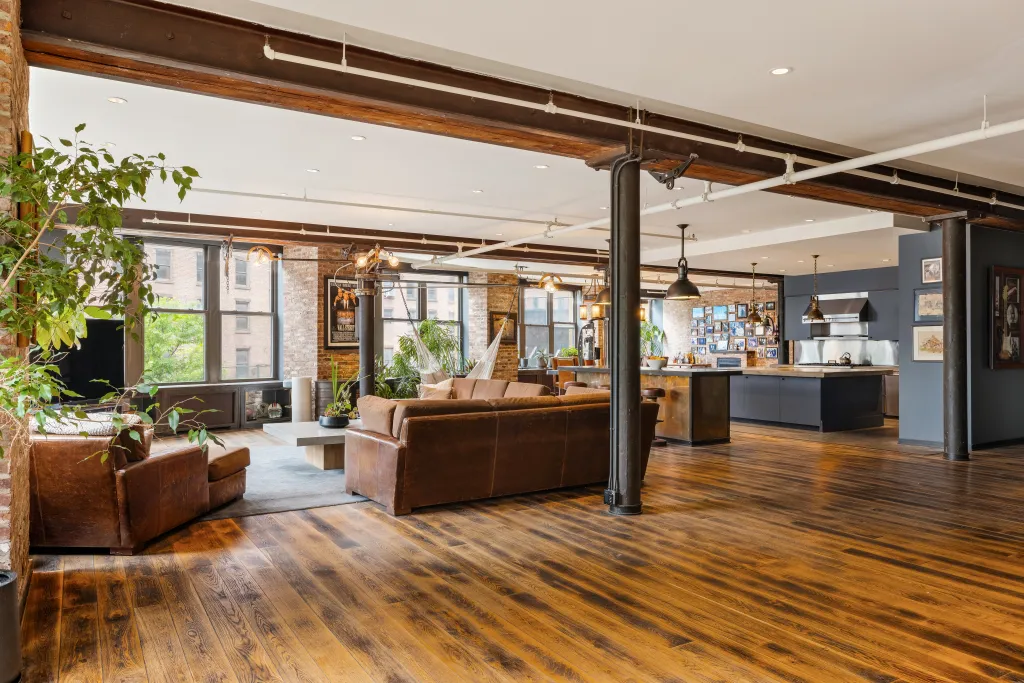
Known internally as “Loft345,” the home was stitched together from three separate units over several years beginning in the mid-2000s before being fully completed around 2012. But instead of carving the footprint into a maze of bedrooms, the owners leaned into scale, openness and spectacle.
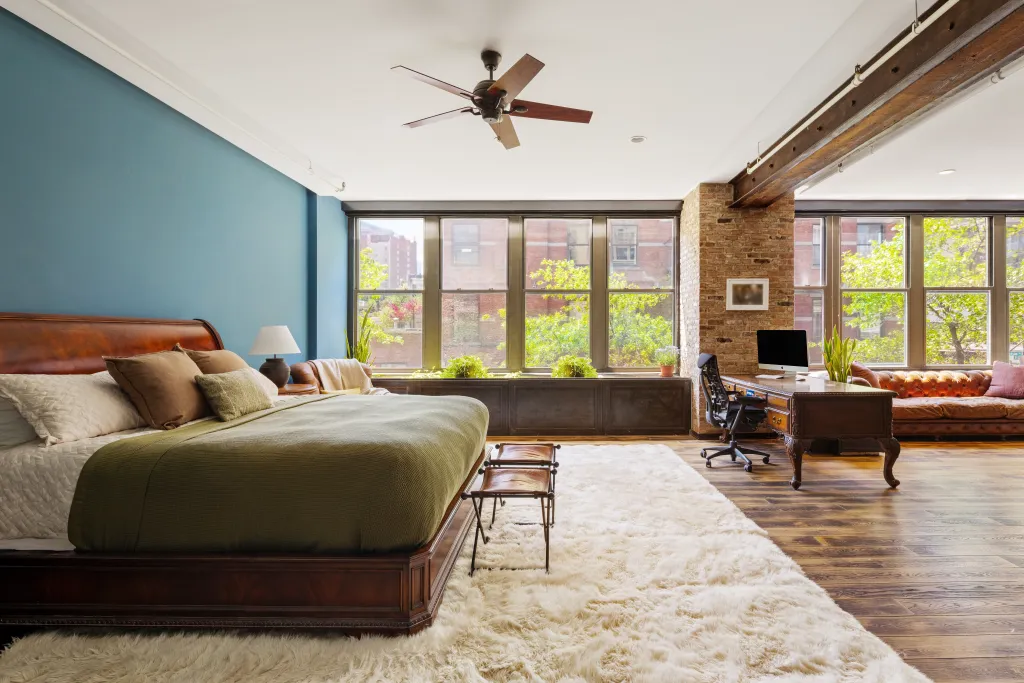
“The apartment was born out of three apartments that were combined, but it was intentionally built as a two-bed,” Ocean said. “Certainly one can change it and make it into a larger unit, more bedrooms, for instance, four, five, even maybe six bedrooms pretty easily. However, they opted to have it into a true loft-style apartment.”
The result feels less like a conventional residence and more like an ultra-curated private club hidden above one of Manhattan’s busiest downtown corners.
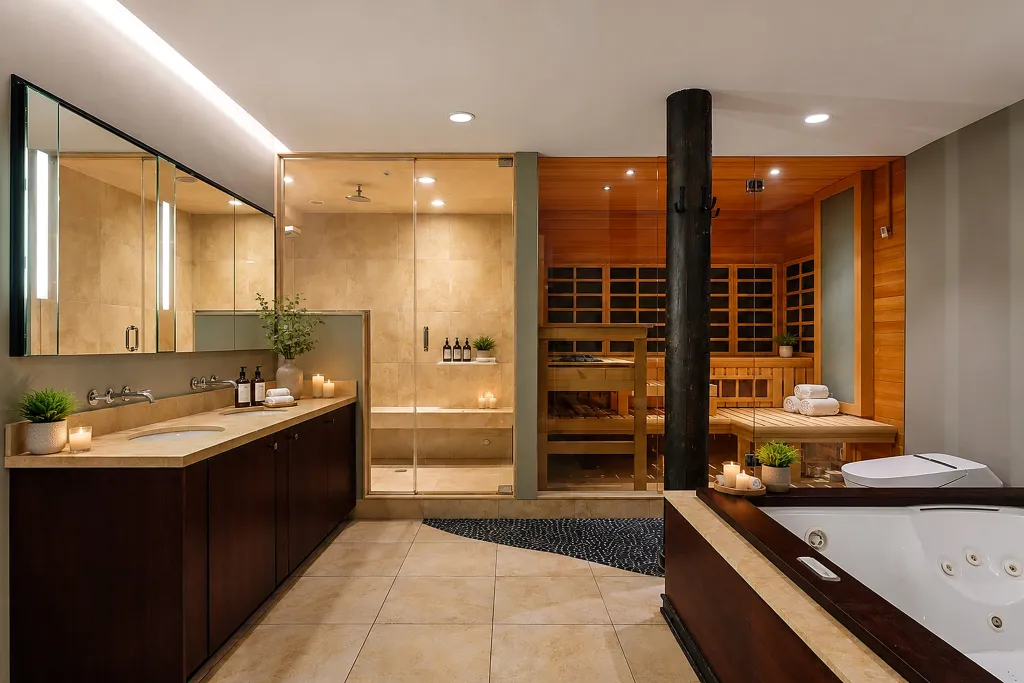
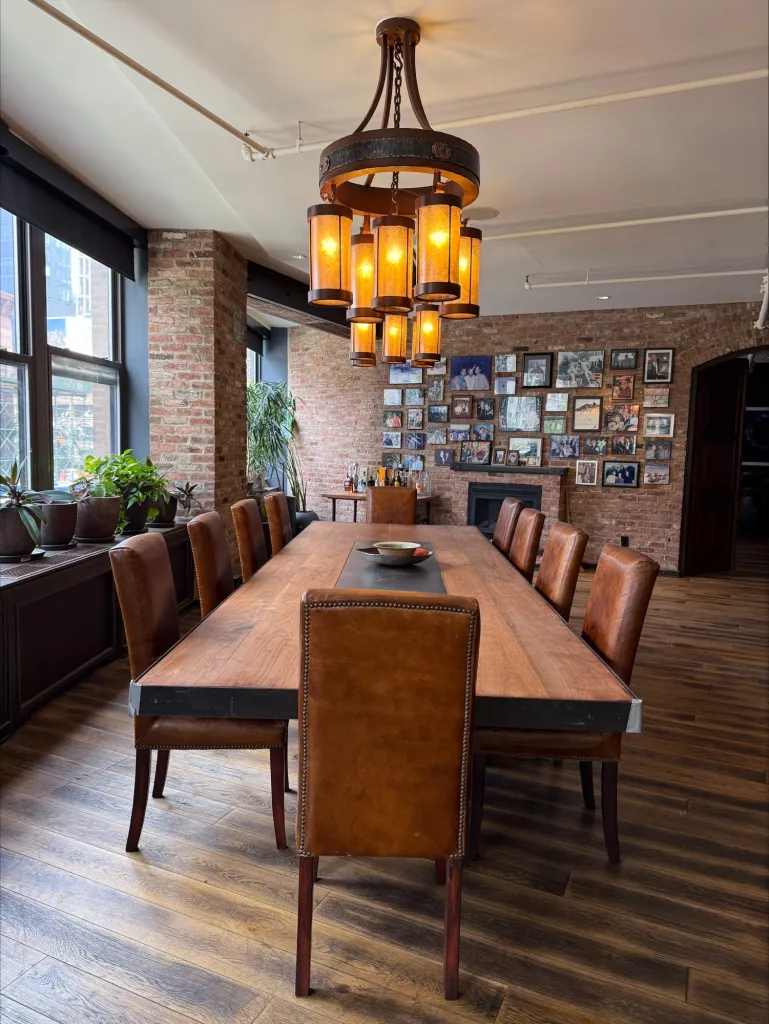
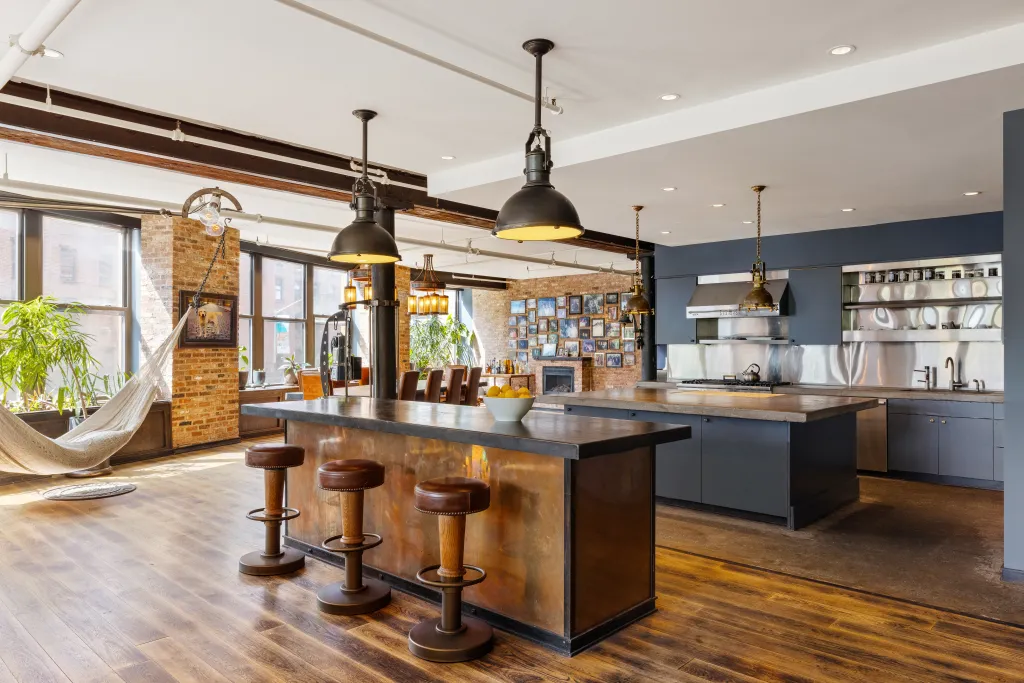
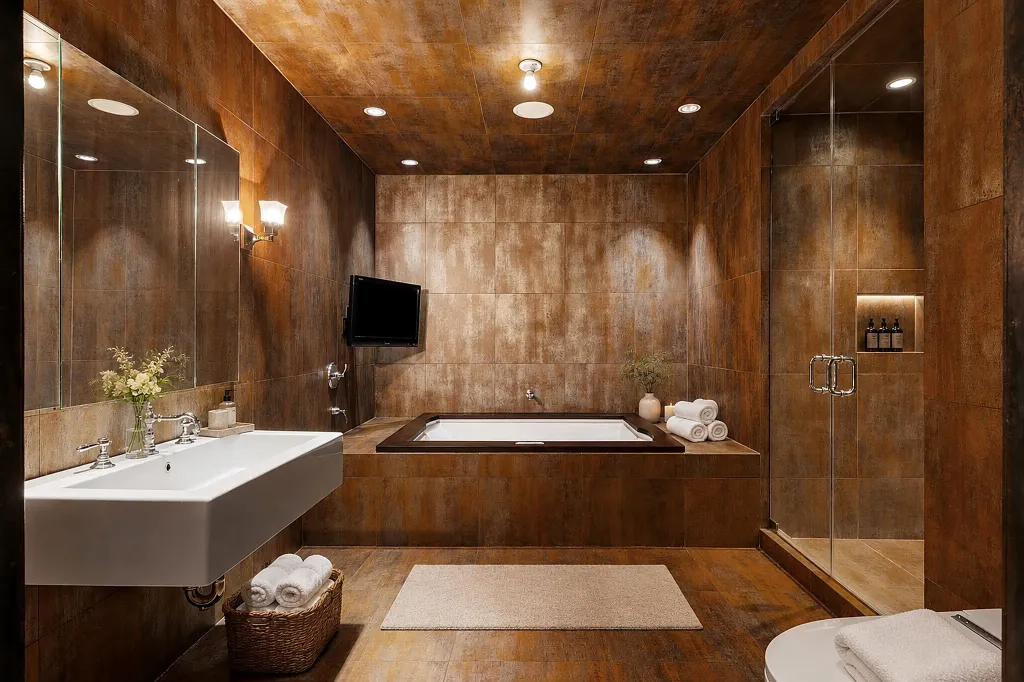
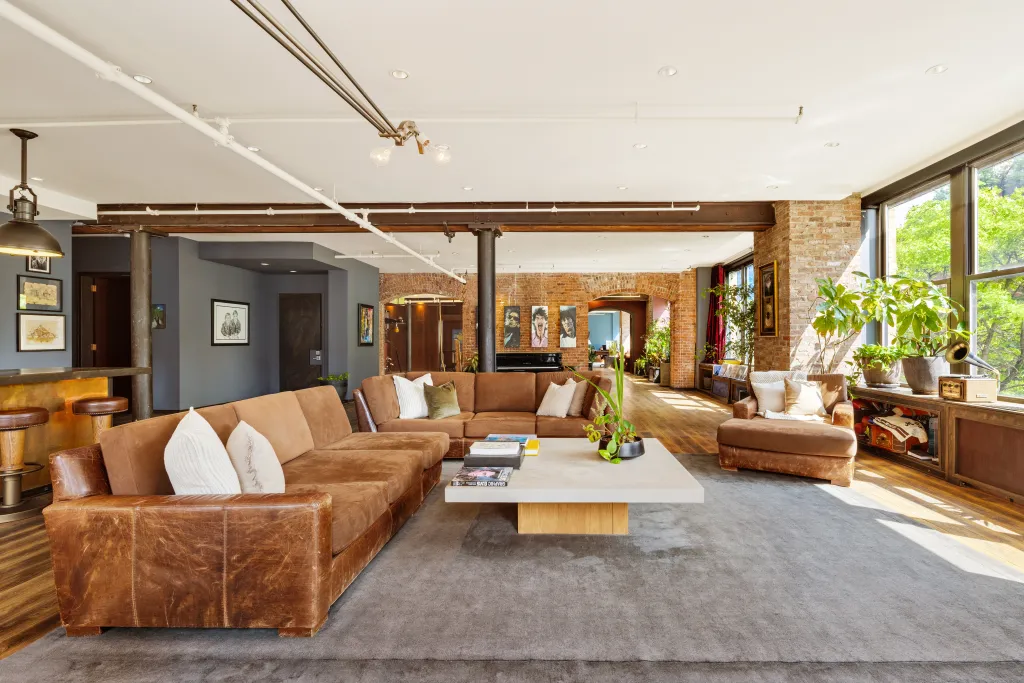
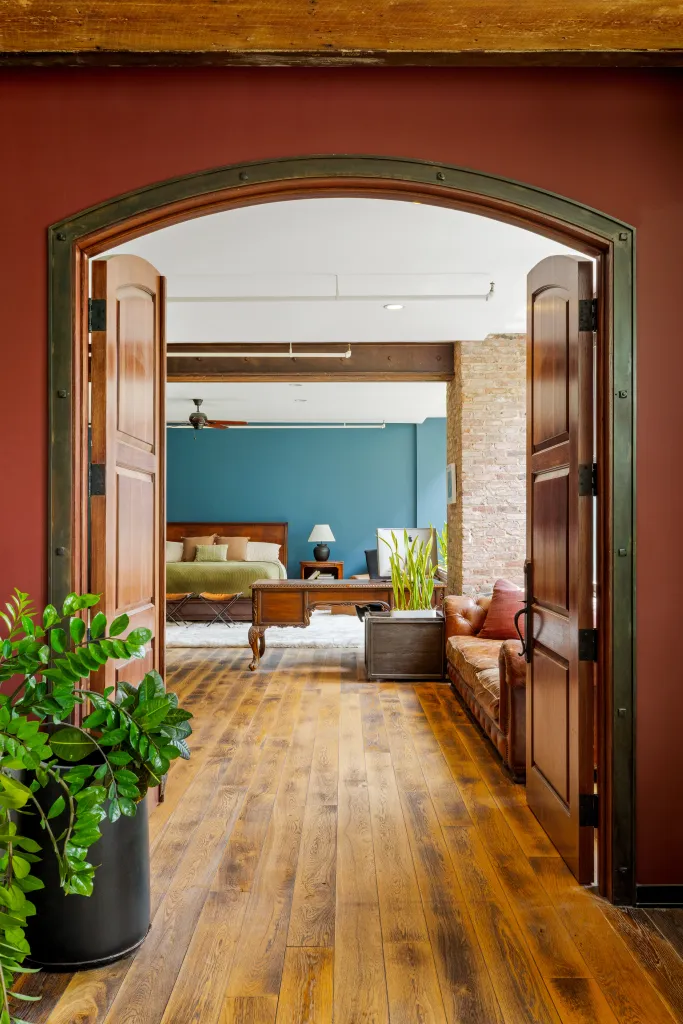
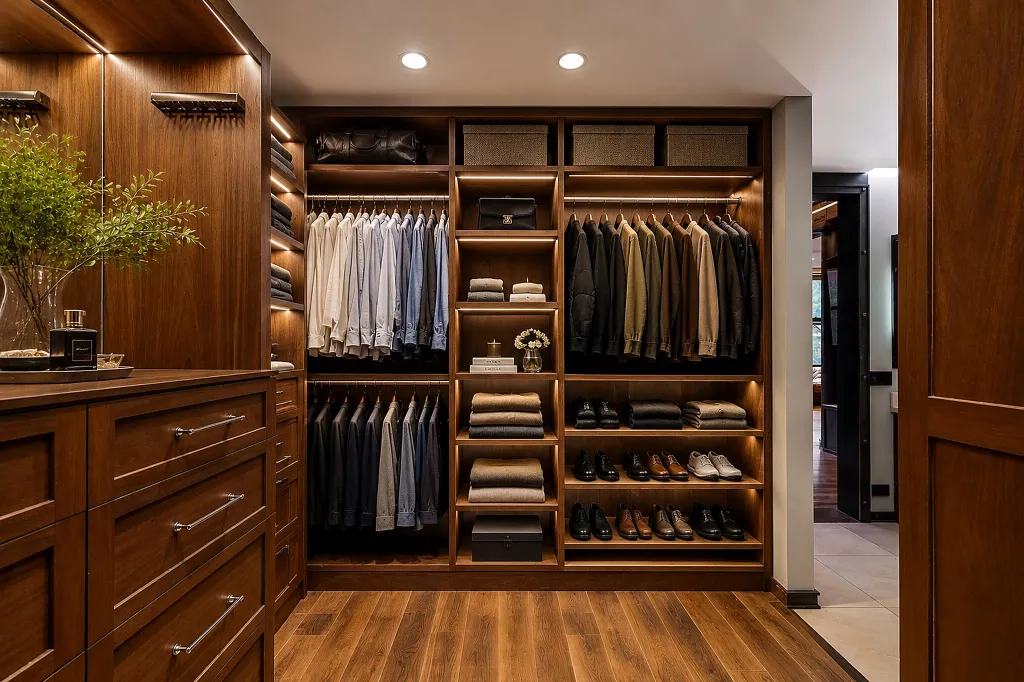
Inside, towering warehouse windows flood the loft with sunlight across massive entertaining spaces wrapped in exposed brick, steel columns and original timber beams. A soundproof music studio sits off the main living area. A grand piano occupies its own dedicated room. Each bedroom wing stretches beyond 1,000 square feet and includes spa-style bathrooms with oversized Jacuzzis and custom wellness features.
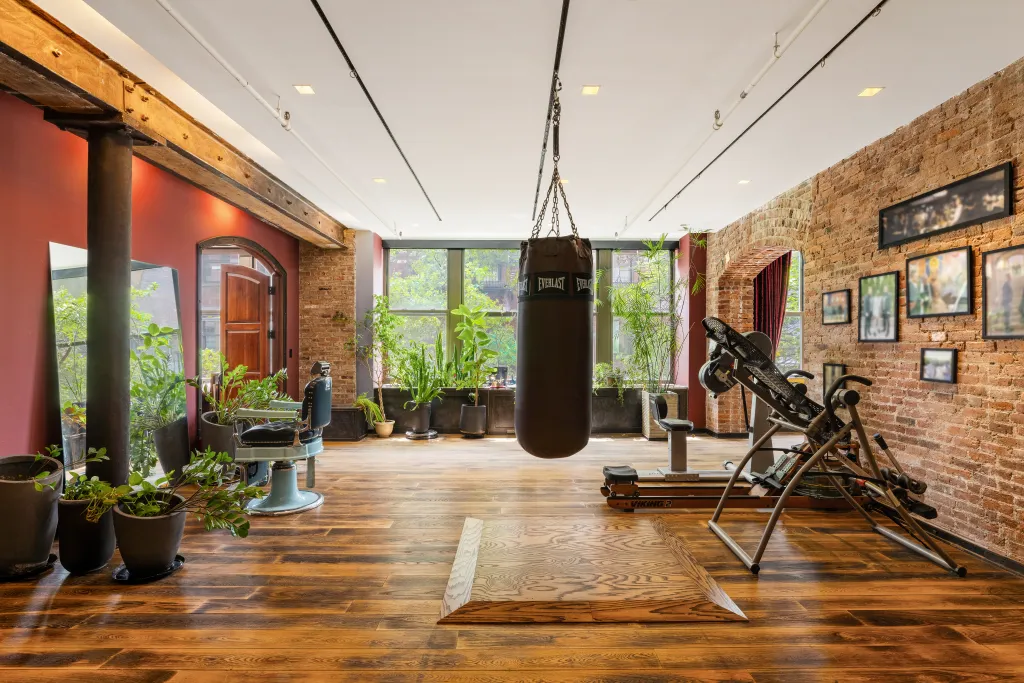
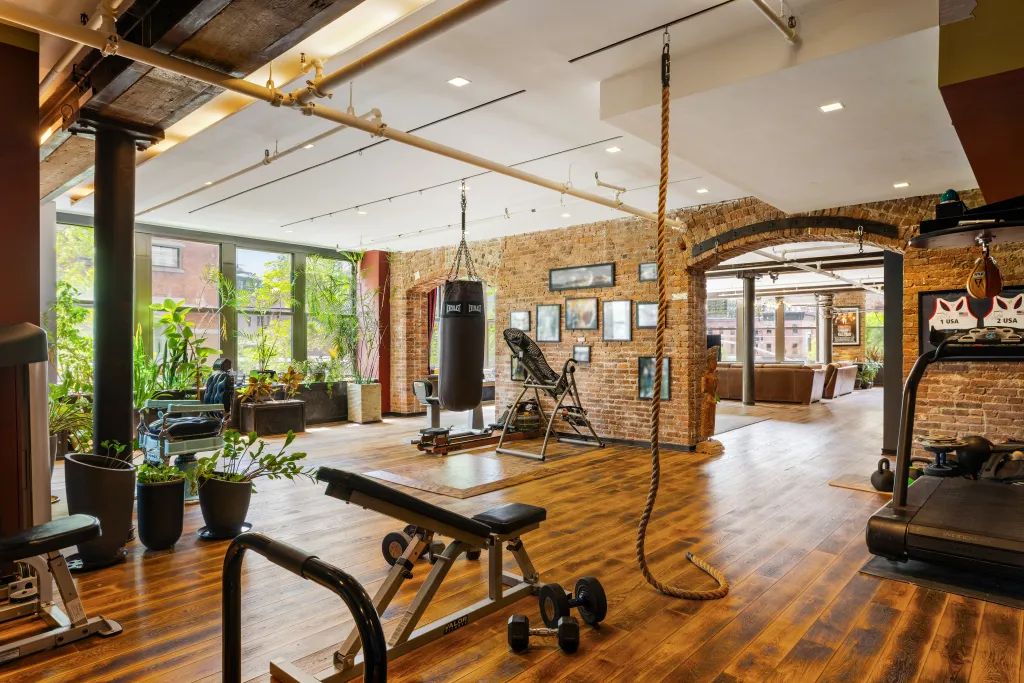
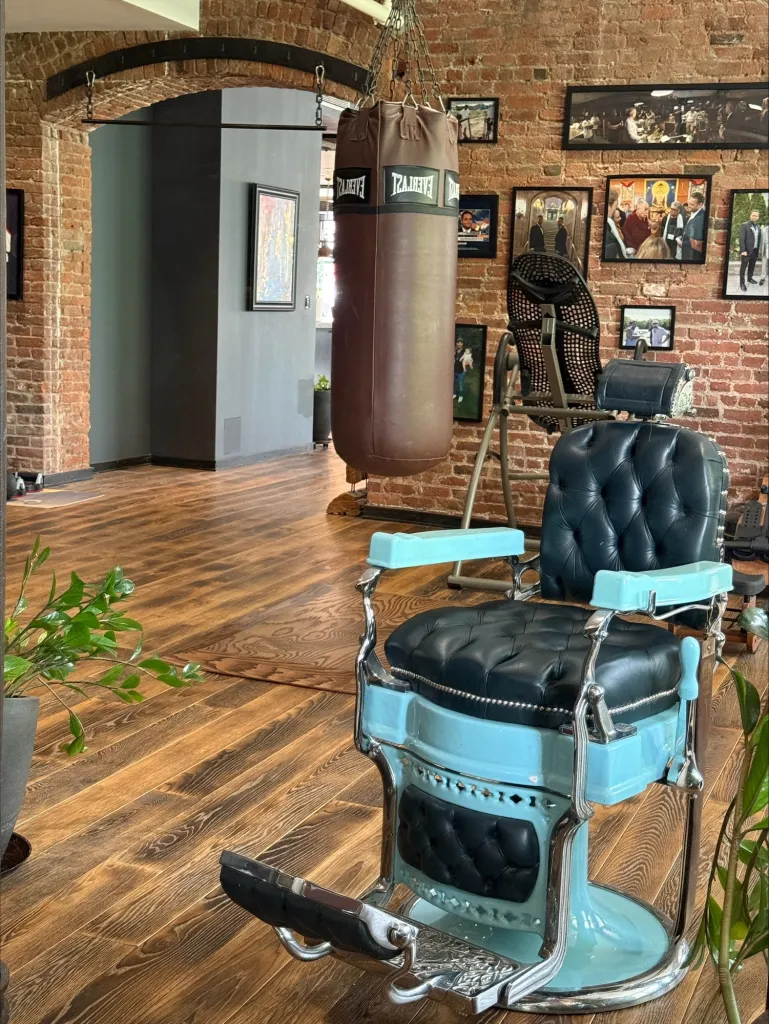
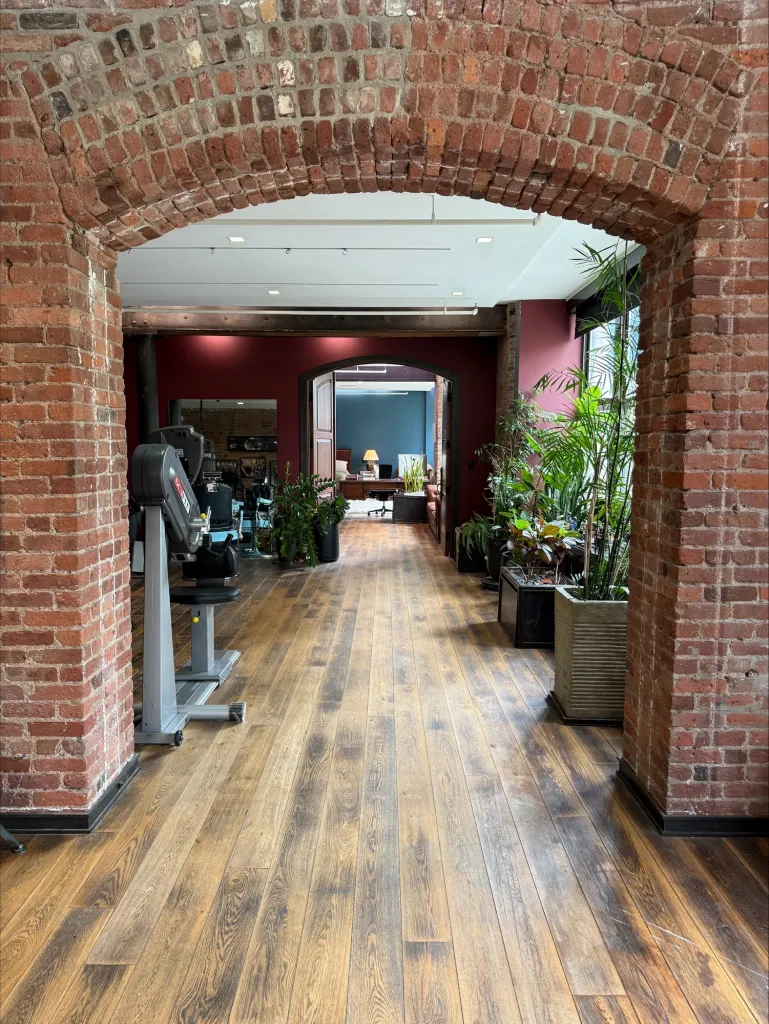
One entire section of the loft is devoted to fitness and recovery. The private gym alone spans more than 1,000 square feet and includes equipment that would look more at home in a luxury training facility than a residence.
“When you see the pictures for this, you’ll see it’s larger than some buildings’ gyms, let alone other people’s home gyms,” Ocean said. “So it’s a real workout gym.”
The apartment’s owners, brothers involved in wellness-focused real estate consulting, designed the home around health optimization and sensory experience. The loft includes circadian lighting systems programmed to shift depending on mood or activity, advanced air and water purification systems and even posture-focused flooring intended to improve body alignment while walking through the space.
“You can literally set it, and the apartment is built to help you, whether you’re trying to be productive, whether you’re trying to unwind, whether you’re working out in the gym,” Ocean said.
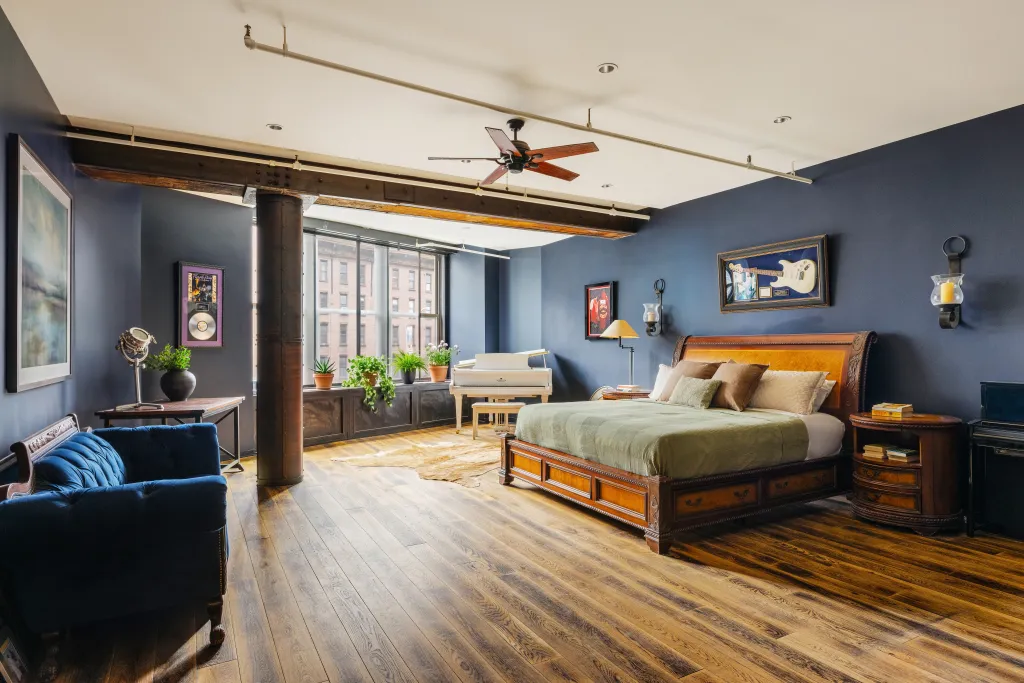
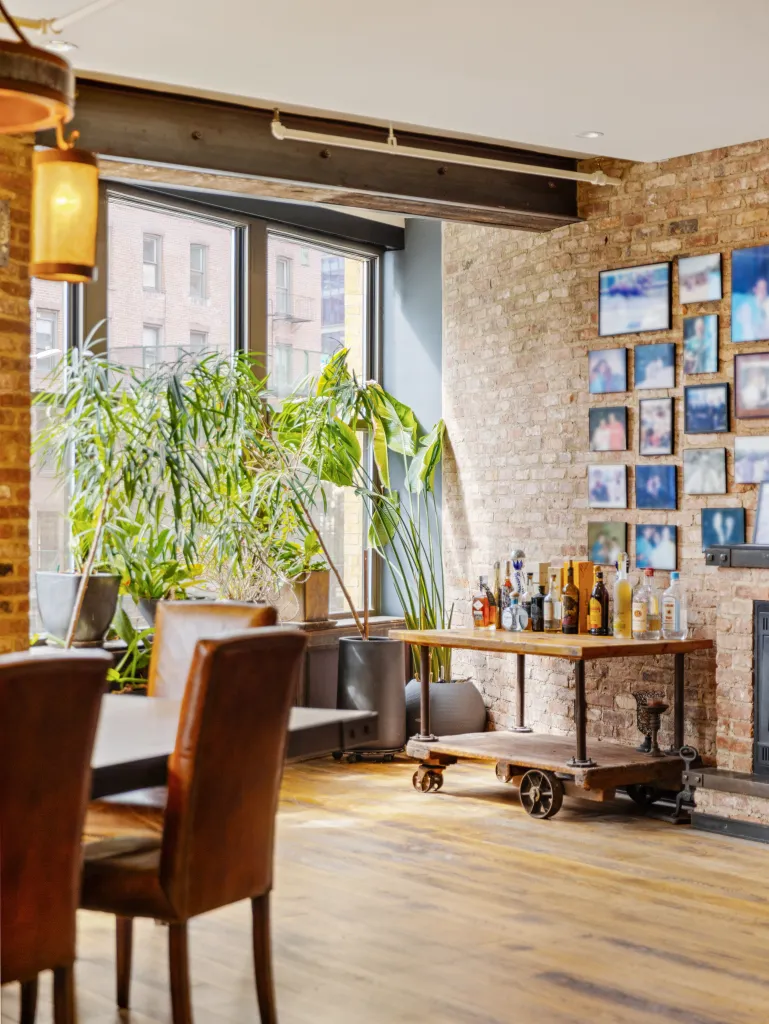
But what truly separates the loft from every other downtown trophy property may be its obsessive commitment to industrial theater.
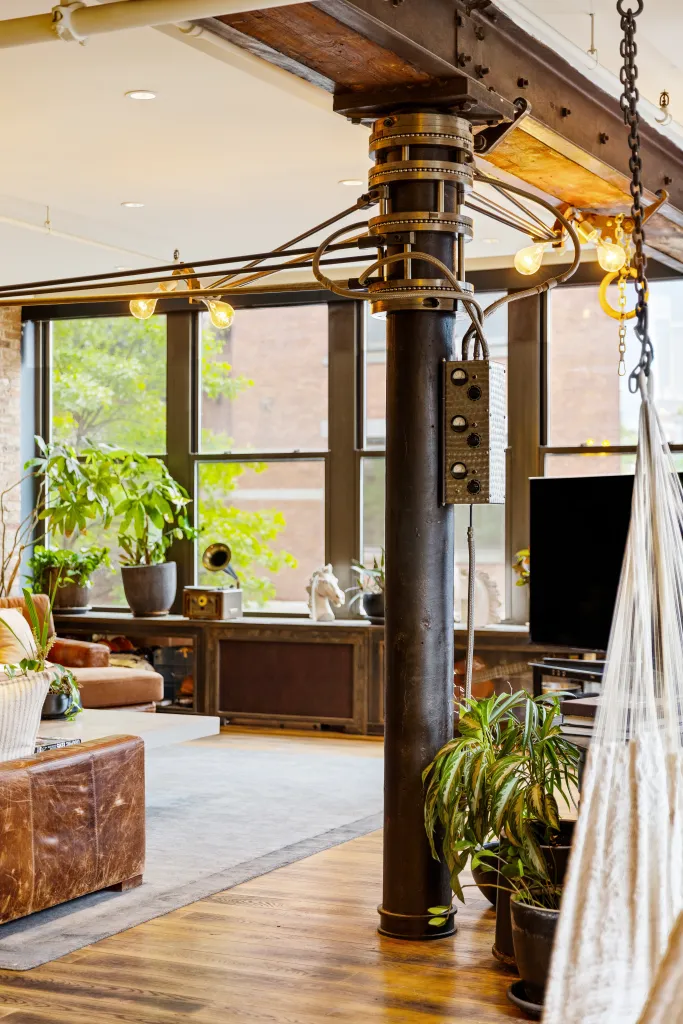
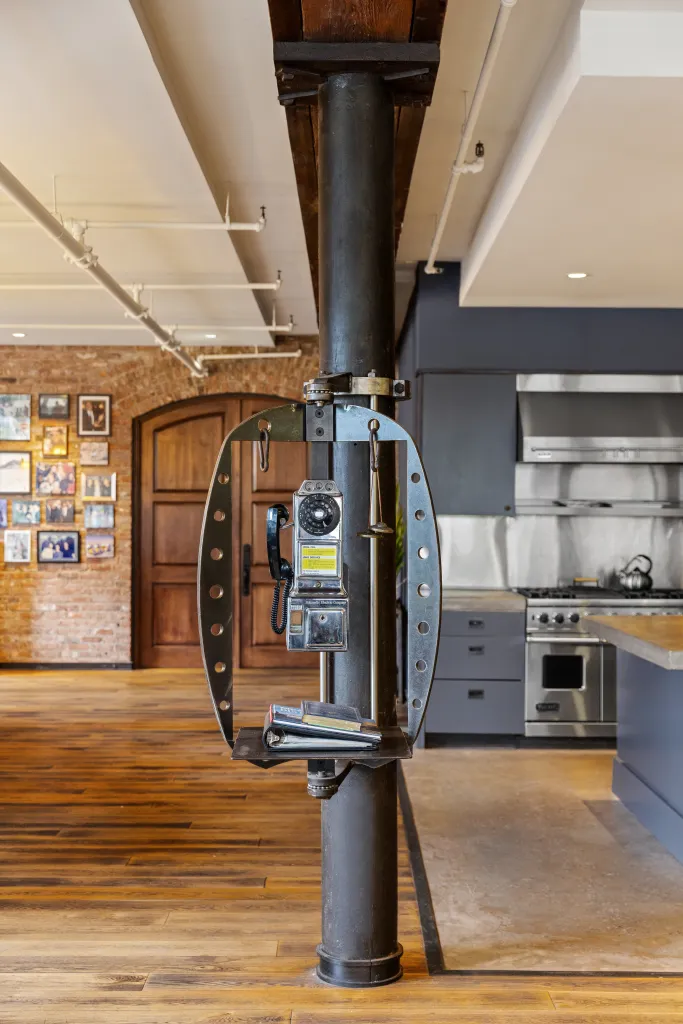
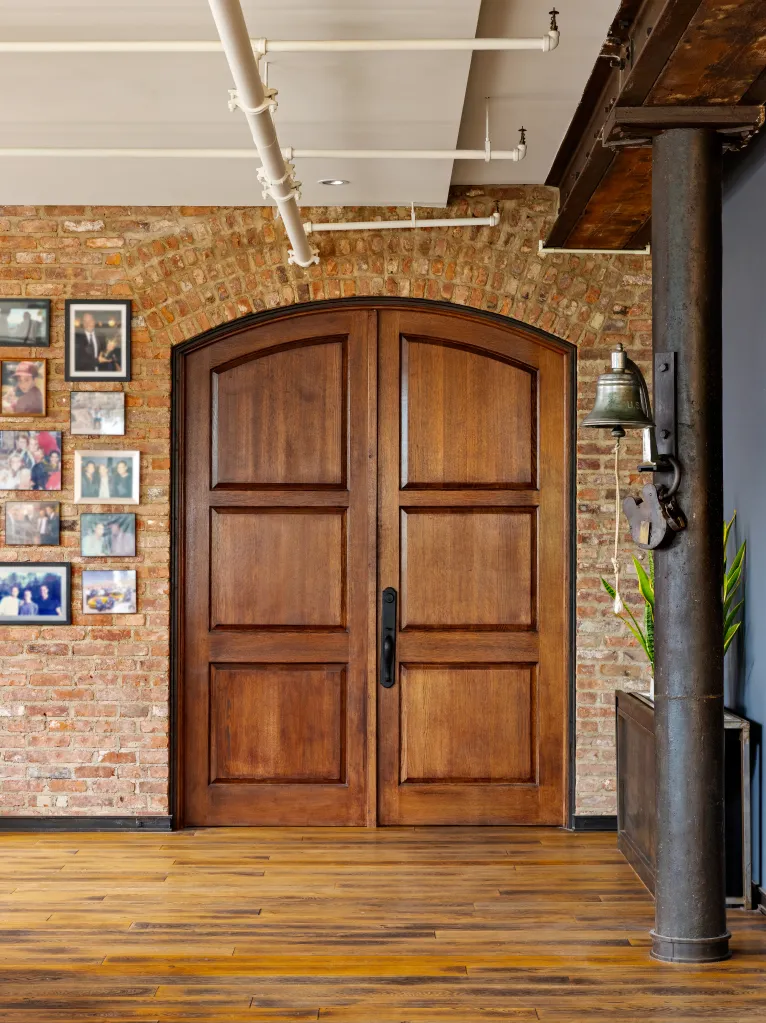
The owners filled the apartment with rare salvaged pieces and custom fabricated details that blur the line between museum installation and luxury design. There are genuine industrial manholes embedded into the floor, a vintage bell once used to call a dog for dinner and a 1926 barber chair positioned among the exposed masonry and steel.
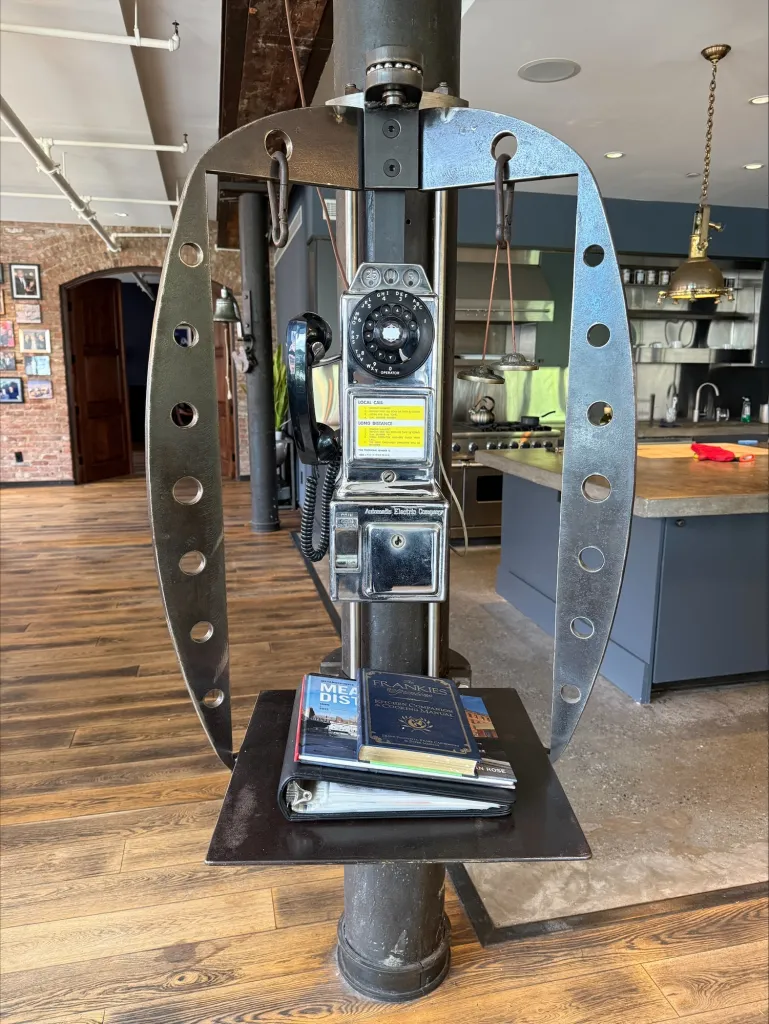
A restored 1953 telephone booth still functions as the home’s working phone line.
“When’s the last time you walked into an apartment and saw a manhole, let alone two manholes? It is extraordinarily unique,” Ocean said.
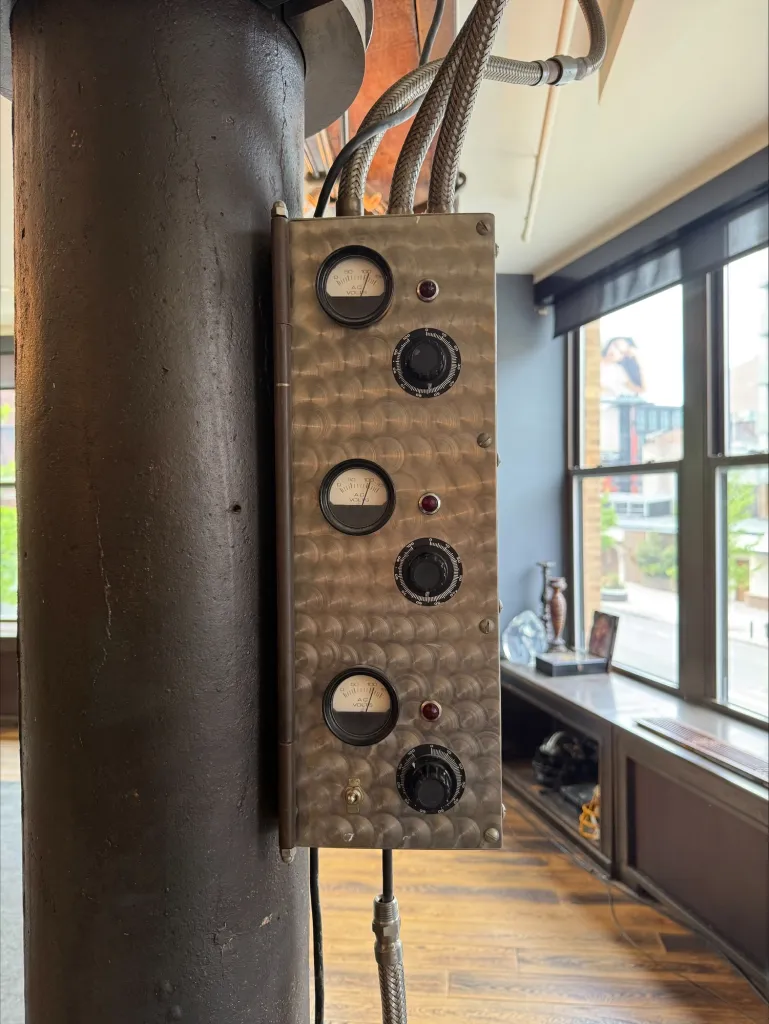
The lighting system may be the most eccentric detail of all. Massive industrial fixtures mounted to steel poles can rotate and dim through oversized mechanical-style control panels designed to resemble vintage factory equipment.
“So you see the wattage going up and down as you turn the dial to dim it or increase the light,” Ocean said. “They could have easily installed a fancy sort of dimmer. But this is super, super unique, really, really hard to find, extremely industrial.”
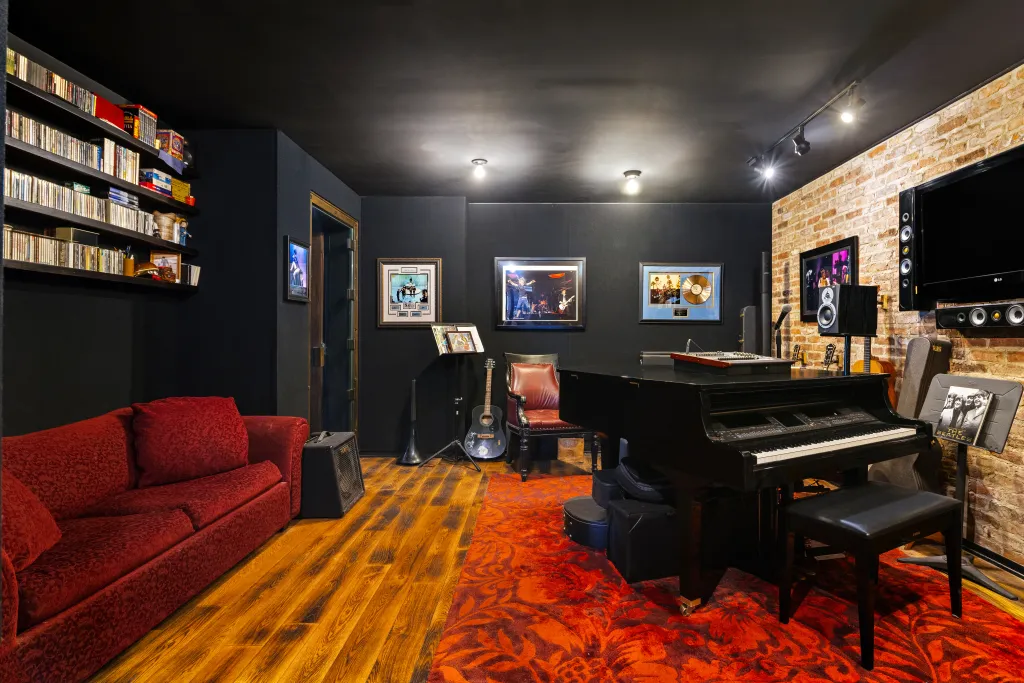
According to Ocean, nearly every collectible and custom piece inside the loft will remain with the sale.
“The sellers will also be leaving all items for the buyer,” he said.
The building itself comes with its own pedigree. Originally constructed in 1890 as part of the Astor Estate’s manufacturing holdings, the property was converted into loft condominiums in 1999 while preserving many of its original industrial details, including cast iron columns, brick arches and oversized warehouse windows.
Today the address sits directly where the West Village collides with the Meatpacking District, across from the Gansevoort Hotel and steps from the High Line, Chelsea Market, Soho House, the Whitney Museum and some of Manhattan’s most coveted retail and nightlife.
“And the building itself is impeccable,” Ocean said. “It feels like you’re walking into one of those luxury hotels when you walk into the lobby.”
Despite the eye-popping $25 million ask, Ocean argues the loft’s rarity makes it impossible to replicate in today’s market.
“If you were to buy three different apartments, which would be terribly hard today to find three apartments adjacent to each other and combining them — just the combination cost is an extraordinarily high cost,” he said. “You’re buying a piece of art here. You’re not just buying a normal apartment.”
It is equal parts wellness retreat, entertainment venue, recording studio, industrial time capsule and trophy residence.
“When you think of loft, when you think of New York City, when you think of downtown, the images that you will see from this are exactly what you would imagine a loft would look like,” Ocean said.
The post The largest 2-bedroom apartment in Manhattan’s history lists for $25M — with a 1,000-square-foot gym appeared first on New York Post.