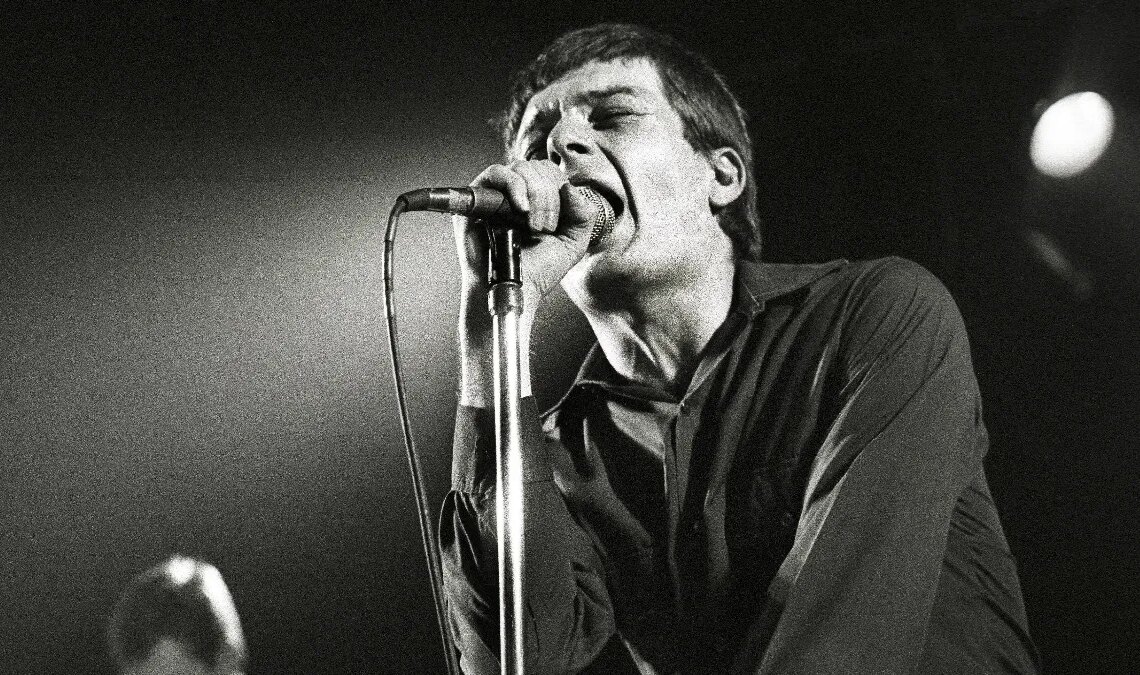
May 18 is a dour day for grunge and post-punk fans alike. In 1980, it was the day Ian Curtis of Joy Division died by suicide. 37 years later, Soundgarden frontman Chris Cornell died the same way. Both served as influential figures in their respective subgenres, and their deaths devastated fans.
In March 1980, Joy Division was recording what would be their final album, Closer. Bassist Peter Hook, speaking to The Guardian in 2011, recalled Curtis first attempting suicide that April. After experiencing seizures in late 1978, Curtis officially received an epilepsy diagnosis in 1979. His condition was severely debilitating and worsened his existing depression.
Additionally, Curtis’ medication caused mood swings, which noticeably altered his personality. Pressures from performing and recording, along with drinking, smoking, and poor sleep, quickly worsened his health.
Joy Division Worked So Hard For Their Popularity, They Felt They’d lose it If They stopped
“He was having a lot of blackouts,” Hook said in 2011. “There was one horrible occasion where he was missing for two hours in the studio. I went in the toilet, and there he was spark out on the floor—he’d had a fit and split his head open on the sink. There were a lot of occasions like that.”
Peter Hook recalled the band pulling long nights in the studio, not eating or sleeping well, and, once, playing four gigs within three days. Sessions were fraught and tense, but there also seemed to be a sense that something important wasn’t being said.
“Ian’s illness was getting worse, and we didn’t help him, through ignorance really,” said Hook. “But also, Ian was his own worst enemy—he never wanted to upset you, so he’d tell you what you wanted to hear. So we never knew what he was suffering or thinking.”
Ian Curtis actually made two unsuccessful suicide attempts before hanging himself on May 18, 1980. His first involved taking a knife to himself while drunk, while the second was an overdose. Hook recalled Tony Wilson, their label exec, bringing Curtis to rehearsal straight from the hospital. After that, they played a few more shows as Joy Division, but Curtis’ illness was taking a severe toll.
“Then our last gig in Birmingham was a grim affair,” said Hook. “Ian’s illness was dragging the whole thing down, but we’d spent three years going from playing to no people in Oldham to being revered. It was what he’d fought for all his life. None of us wanted to let it go. We all felt that if we stopped, we might never get it again.”
After his death on May 18, at the age of 23, Ian Curtis and Joy Division became icons of post-punk, for better or worse. His remaining bandmates formed New Order, which Peter Hook described as them essentially “put[ting] Joy Division in a box and clos[ing] the lid.”
Soundgarden Fans Recall Chris Cornell’s Tortured Last Days on Tour Before His Death
Soundgarden was on a reunion tour when vocalist Chris Cornell took his life on May 18, 2017. The music world was shocked, and many fans still recall Cornell’s final shows with heavy hearts. According to those who attended that tour, there was something different about his demeanor.
“I saw them live about 10 days or so before [Cornell’s death], and it was so strange because I got a really bad vibe from the show,” one fan wrote on the Soundgarden subreddit. Another fan noted that “In 2016, he looked healthy, was really present, funny as hell, sounded great. He took requests, brought the whole audience in.”
They added, “But that May [2017], his face looked pinched. He was thinner. He seemed distracted —like someone operating from a distance.”
Following a show in Detroit, Cornell retreated to his hotel room. His bodyguard gave him his prescribed Ativan, then left him alone. According to Cornell’s wife, Vicky, she spoke to him around 11:30 p.m., and by 12:15 a.m., he was dead at 52.
Like Ian Curtis, Cornell also had a long history of depression and anxiety, which, alongside his drug use, slowly drained him. The aftermaths of their deaths are also similar; Cornell and Curtis remain enshrined in music history for their incredible contributions to rock. But, unfortunately, also due to the tragic circumstances of their deaths.
The post On This Day 37 Years Apart, the World Lost Two Men Who Helped Define Rock Across Eras appeared first on VICE.