Witnesses at the OpenAI trial had criticisms about Sam Altman’s management style.
The high-stakes OpenAI trial, where Elon Musk is seeking more than $100 billion in compensation from OpenAI after accusing its founders of “stealing” a nonprofit, entered its seventh day on Wednesday.
Shivon Zilis, a former OpenAI board member and the mother of four of Musk’s children, took the stand as a live witness. The jury also heard video depositions from another former OpenAI board member and a former company executive.
Many of the criticisms raised by witnesses emerged during Altman’s brief ouster as CEO in 2023, but the trial is resurfacing them.
In a recent blog post following a New Yorker article questioning Altman’s honesty, the OpenAI CEO wrote that he is “not proud of being conflict-averse,” which caused “great pain” for OpenAI and led to a “huge mess for the company.”
Here is what three witnesses said about working with Altman while at OpenAI.
Sam Altman ‘told people what they wanted to hear,’ ex-OpenAI exec tells jury
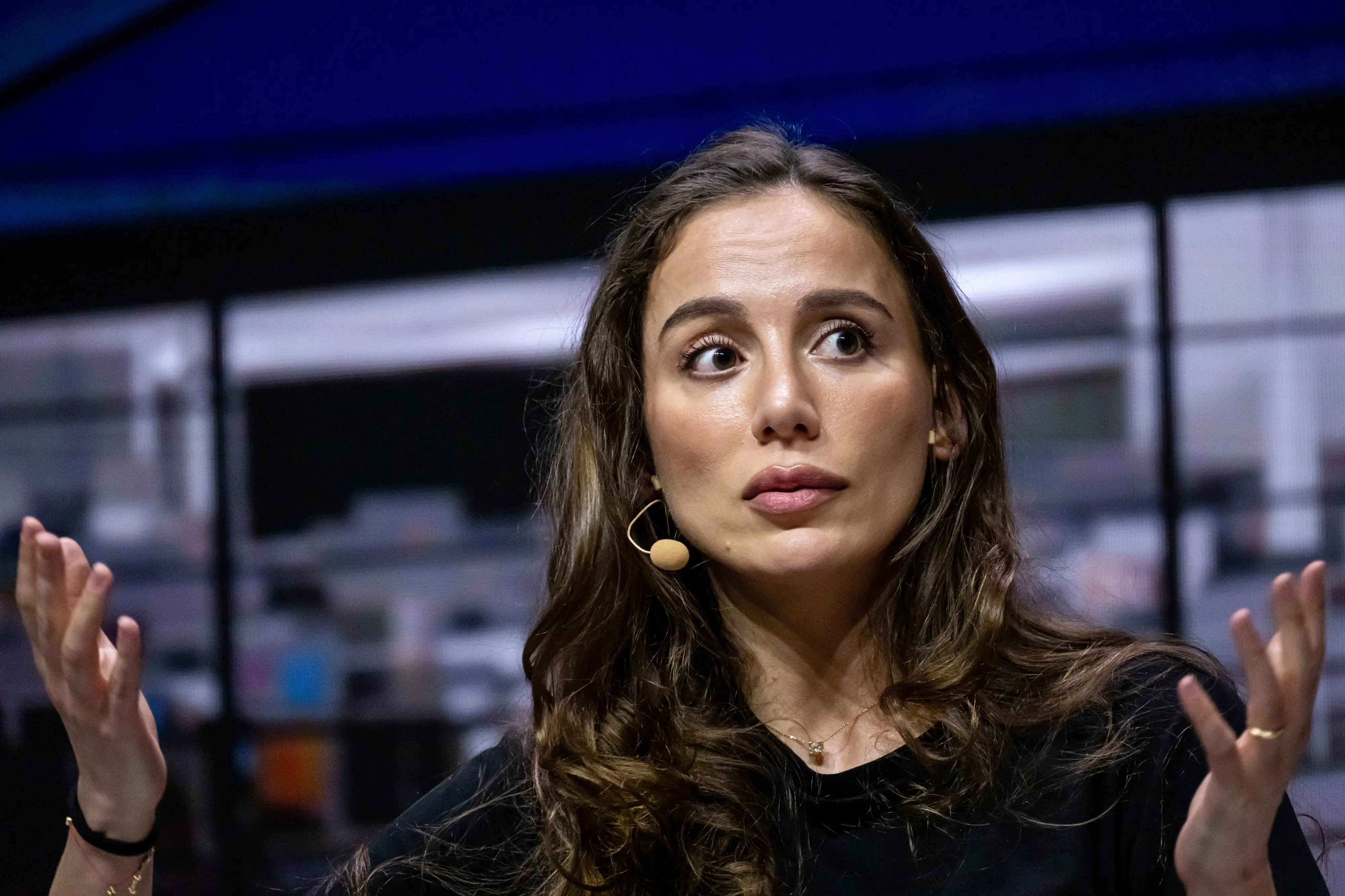
The first witness was Mira Murati, OpenAI’s former chief technology officer and now founder of her own AI shop, Thinking Machines Lab.
Jurors watched a recorded video deposition of Murati, who was also OpenAI’s interim CEO after the board briefly ousted Sam Altman.
Murati’s testimony focused on her concerns about Altman’s “difficult and chaotic” management style. She said Altman had trouble “making decisions on big controversial things.” He also had a habit of telling people what they wanted to hear.
“My concern was about Sam saying one thing to one person and a completely different thing to another person, and that makes it a very difficult and chaotic environment to work with,” said Murati.
Murati said that her issue with Altman was not about safety, “it is about Sam creating chaos.”
She said she supported Altman’s return to OpenAI because the company “was at catastrophic risk of falling apart” at the time of his ousting. “I was concerned about the company completely blowing up.”
Zilis also took issue with Altman’s communication
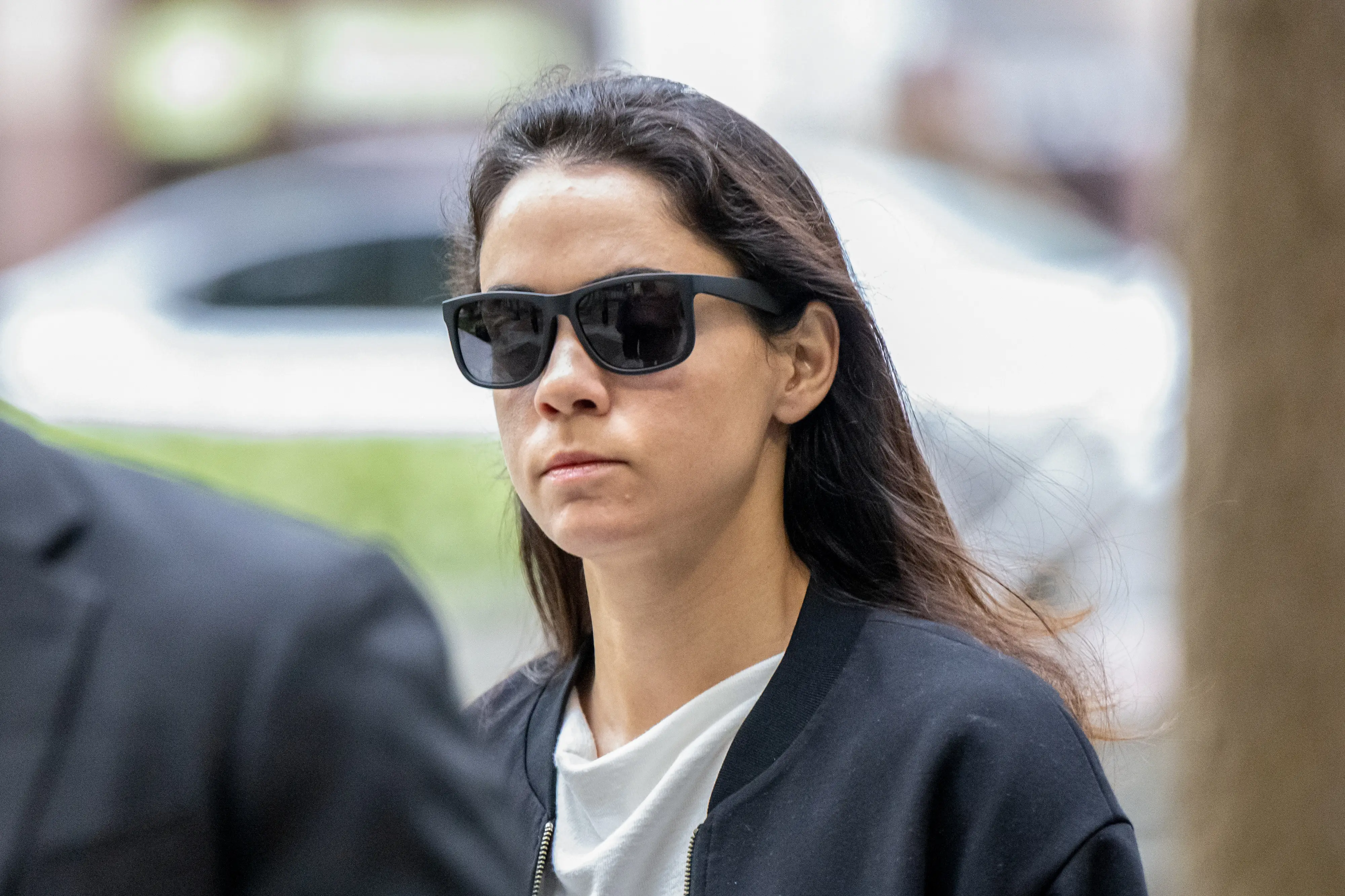
Zilis said she was upset that Altman rolled out ChatGPT without involving the board.
“It wasn’t just me but the entire board raised concern about that whole thing happening without any board communication,” she said.
Zilis said she was also concerned about a potential OpenAI deal with a nuclear energy startup called Helion Energy because both Altman and Greg Brockman were investors.
Although the executives had disclosed the investment to the board, Zilis said the deal talk made her uneasy.
It “felt super out of left field,” she said. “How is it the case that we want to place a major bet on a speculative technology?”
Another board member said she learned more about ChatGPT from Twitter
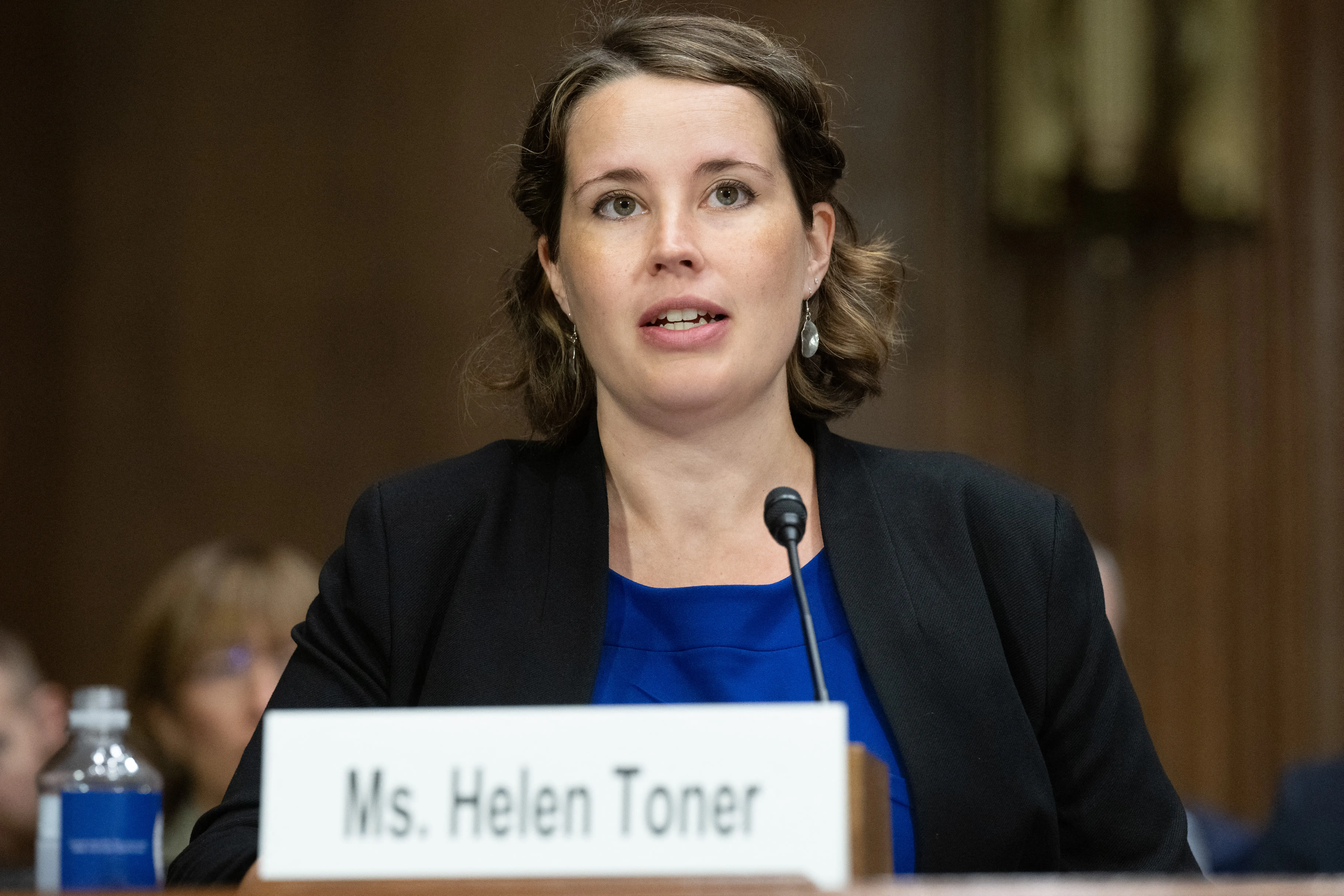
In a video deposition, Helen Toner, a former member of OpenAI’s board who resigned in 2023, said she first became aware of ChatGPT’s release when an OpenAI employee asked another board member whether the board was aware of the development.
The researcher described that she then started seeing screenshots of ChatGPT on Twitter, and the board knew little about it. When asked if she was surprised, Toner said: “No, because I was used to the board not being very informed about things.”
Toner also elaborated on why the board, including herself, voted to remove Altman as CEO in 2023.
“There were a number of things — the pattern of behavior related to his honesty and candor, his resistance of board oversight, as well as the concerns that two os his inner management team raised to the board about his management practices, his manipulation of board processes,” said Toner.
Read the original article on Business Insider
The post Sam Altman’s management style comes under the microscope at OpenAI trial appeared first on Business Insider.