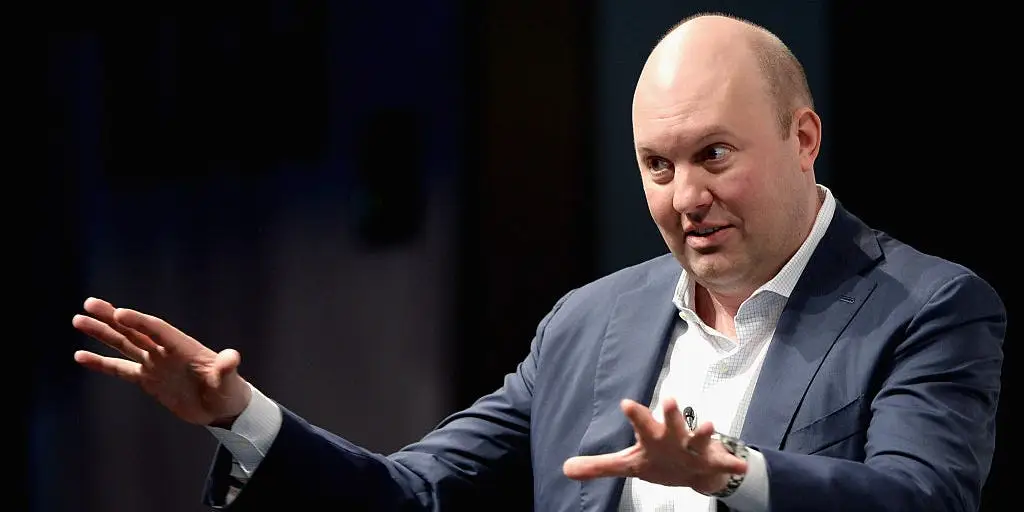
Marc Andreessen says he wants his chatbot to be smarter — and a lot less polite.
In a Monday post on X, the Andreessen Horowitz cofounder shared his “current AI custom prompt,” calling for systems that are “provocative, aggressive, argumentative, and pointed.”
The post underscores Andreessen’s increasingly outspoken stance against what he sees as “woke” constraints in AI — and offers a bit of a window into how top tech leaders want their models to work.
Here is his full prompt:
Andreessen’s vision of a more combative, less filtered AI isn’t universally shared.
In an X post, Gary Marcus, an emeritus professor of psychology and neural science at NYU and a longtime critic of AI hyperscalers, zeroed in on the prompt’s demand for perfect accuracy. Zach Tratar, an AI engineering team leader at Notion, also wrote that the prompt is outdated.
Hilarious (and maybe a little bit scary) that even in 2026 Marc Andreessen still hasn’t learned that LLMs don’t know how to reliably follow system prompts. https://t.co/wYpoHSsbbM
— Gary Marcus (@GaryMarcus) May 4, 2026
Interesting that Marc himself is still stuck in 2025.
Many of these tricks stop being effective around GPT 4.1. https://t.co/gbVifpFaia— Zach Tratar (@zachtratar) May 5, 2026
Their critiques point to a core limitation of today’s AI systems: even detailed instructions don’t guarantee consistent behavior. Large language models can still hallucinate, ignore constraints, or fail to “double check” their own answers — especially when given long or potentially conflicting directives.
The exchange also reflects a broader divide in the AI world.
Leading model-makers like OpenAI and Anthropic say they’ve spent years building guardrails into their models, aiming to make them safe, predictable, and broadly usable. Andreessen’s prompt, by contrast, calls for fewer constraints — including explicitly instructing the AI to avoid discussions of “morals or ethics” unless asked.
Read the original article on Business Insider
The post How Marc Andreessen says he sets up his AI chatbot — and why critics are skeptical it works appeared first on Business Insider.