Getting a dog is the easy part. Figuring out whether that dog actually feels safe in your home is where things get complicated. Dogs can’t tell you when something’s wrong, and a lot of owners spend years misreading the signals.
According to Shannon Walker, a dog trainer and canine behaviorist based in the Pacific Northwest and owner of Man’s Best Friend kennel and training facility, the answer is written all over your dog’s body. “When a dog feels safe at home, it relaxes, seeks connection with you, the owner, and trusts you to lead,” Walker told Newsweek. “True safety breeds calm confidence. This is ultimately the sign of a happy and content dog.”
Here’s what to look for.
Relaxed Body Language
Walker says the first indicator is physical. Soft eyes, a loose mouth, relaxed ears, and a tail that’s not on high alert all point to a dog that’s comfortable rather than bracing for something. A tense dog looks tense. A safe dog looks like it has nowhere better to be.
Restful, Consistent Sleep
The American Kennel Club notes that dogs sleep or rest for most of the day, which makes their sleep habits a surprisingly useful window into their emotional state. “If your dog is sleeping soundly and settling quickly, this shows that the dog trusts the environment and expects consistent care,” Walker said. A dog that can’t settle or sleeps fitfully is a dog that’s still on guard.
Confident Approachability
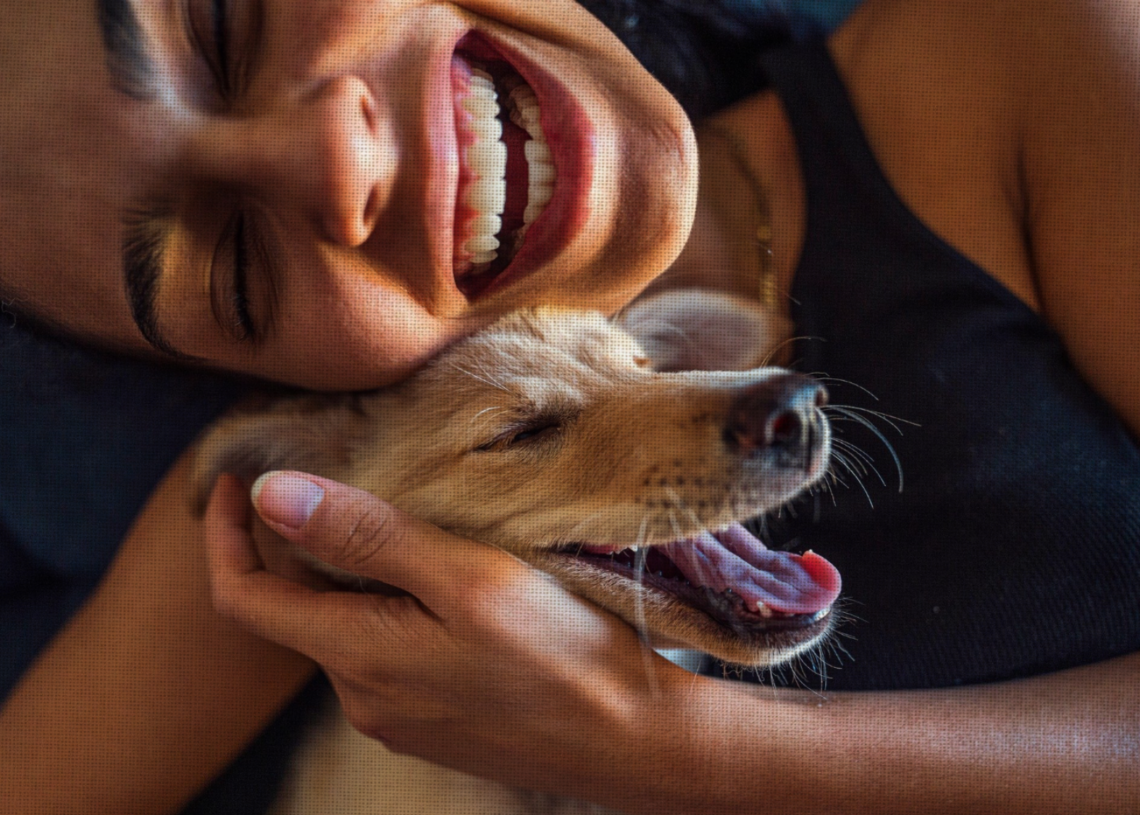
When a dog seeks you out, gravitates toward proximity, and makes easy physical contact, affection is only part of what’s happening. “If your dog willingly comes to you, seeks proximity or gentle contact, this means the dog trusts you and feels secure seeking attention,” Walker explained. The keyword is willingly. A dog coming to you because it wants to is a very different thing from a dog that flinches when you reach for it.
Calm Eating Without Guarding
Food behavior is also a good safety indicator. Research published in Preventive Veterinary Medicine found that fearful dogs in multi-dog households were more likely to guard resources, eat rapidly, or show avoidance around meals. A dog that eats calmly, without anxiety or aggression, is a dog that trusts its environment. “If your dog eats comfortably without guarding or anxiety, it means that it is not stressed and trusts in having enough food to survive,” Walker said.
Playfulness and Curiosity
A dog that plays is a dog that’s not consumed by stress. Walker is straightforward on this one: a dog that acts curious and engages in play is a dog that’s not operating from a place of fear. Curiosity takes confidence. A dog still assessing its surroundings doesn’t have the bandwidth for it.
If the signs above aren’t showing up yet, Kennel Club-accredited trainer Joe Nutkins recommends building a reliable daily routine, not necessarily one tied to exact times, but one built around predictable activities and interactions. “Creating a routine isn’t about exact times,” Nutkins told Newsweek. “It is more about the pattern of activities, where they happen, and who does them with the dog.”
The post 5 Signs Your Dog Feels Safe and Happy With You appeared first on VICE.