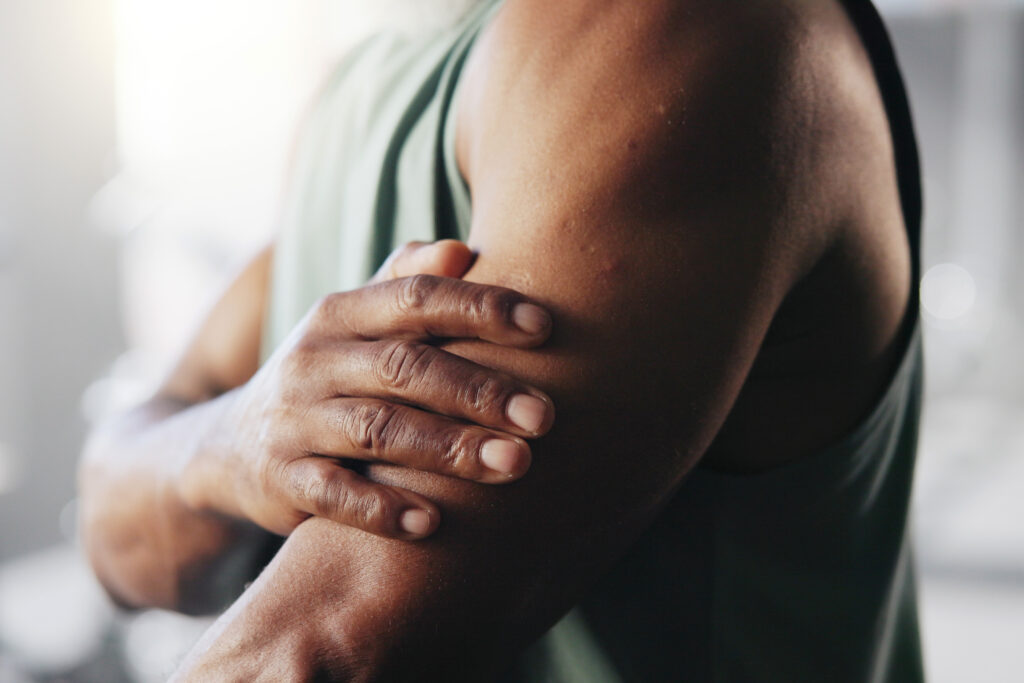
Bone strength is something many people don’t think about much until something goes wrong, such as an unexpected fracture or an osteoporosis diagnosis. But there’s a lot you can start doing ahead of time to help keep your bones strong — and prevent problems — as you age, experts said.
People generally reach their peak bone mass around age 25. “After age 25, our goal is to maintain what we’ve got,” said Elizabeth Matzkin, an orthopedic surgeon and sports medicine doctor at Mass General Brigham and associate professor at Harvard Medical School.
The good news is that “bone is living tissue,” Matzkin said. That means it’s constantly repairing itself and growing in response to inputs such as nutrition and exercise. “It’s modifiable at every age,” Matzkin said. “So there’s a lot that we can do to improve our bone health.”
Maintaining bone strength comes down to a handful of core, science-backed habits. “You’re trying to get into certain lifestyle habits that will already have you in prevention mode as you get into your 50s, 60s and 70s,” said Kurt Kennel, an endocrinologist and medical educator at the Mayo Clinic who focuses on bone health.
Here are the key things that experts recommend you start doing now to keep your bones in good shape.
Exercise
If you had to choose one place to focus your efforts to maximize bone strength as you age, it should be physical activity, Kennel said. Specifically, strength training, as bone responds to load, impact and resistance, Matzkin explained.
When you contract your muscles, support weight or create impact, it puts a mechanical stress on your bones that triggers increases in bone density, Kennel said — not unlike how you build your muscles by stressing them.
A strength-training program that promotes bone strength looks pretty similar to one focused on building muscle, Kennel said. Think: lifting progressively heavier weights, handling your own body weight (with planks or squats), moving against gravity (by hiking or climbing stairs) and moderately high-impact moves (such as jump squats).
The International Osteoporosis Foundation recommends doing 30 to 40 minutes of weight-bearing aerobic exercises — walking, running, dancing, playing sports — and muscle-strengthening exercises three to four times a week. More is often better, Kennel said. “From a bone point of view, if you could do resistance exercise six days a week, that wouldn’t be a bad thing.”
Opt for lower numbers of reps with heavier weights over lighter weights or resistance bands, Kennel said, in order to maximize mechanical stress on the bones.
If you’re new to this kind of exercise or have any musculoskeletal concerns (such as arthritis), talk to your doctor or see a physical therapist or certified personal trainer for individualized guidance.
Nutrition
“A diet that’s good to maintain bone strength is not meaningfully different from the same dietary patterns that are associated with heart health, stroke prevention, Alzheimer’s disease prevention and whatever else,” Kennel said.
Both experts pointed to the Mediterranean diet as a good baseline. “There is some specific data for Mediterranean diet and fracture risk,” Kennel said. A 2026 review of 16 studies found that this way of eating is linked to a slightly lower risk of fractures and potentially lower risk of osteoporosis. The largely plant-based way of eating emphasizes vegetables, fruits, whole grains, legumes, nuts, seeds and olive oil, as well as a moderate amount of fish, poultry and fermented dairy products.
One nutrient worth paying some special attention to is protein. “Protein is important to help maintain our bone and muscle mass,” Matzkin said. Kennel and Matzkin said that 1 to 1.2 grams of protein per kilogram of body weight per day is a good target. (For a 200-pound person, that’s about 90 to 110 grams.)
What about calcium and vitamin D? Getting enough of both — 1,000 to 1,200 milligrams of calcium and 600 to 800 IU of vitamin D per day for most adults — is important for bone health, Kennel said, ideally through food (calcium) or food and sun exposure (vitamin D). Some good food sources include leafy greens (calcium), fish (vitamin D) and fortified dairy products or dairy alternatives (calcium and vitamin D).
If you have a deficiency, correcting it with supplementation is beneficial, Kennel said. “But if people are supplementing with calcium or vitamin D and they’re already getting enough, it’s not going to help.”
Body weight
While much of the public health conversation focuses on weight loss, “there’s a tension between desiring a lower body weight and the ability to maintain bone mass with aging,” Kennel said. “Being underweight is bad for bone health.”
Lower body weight means less mechanical load on the skeleton — reducing the stimulus for bones to stay strong, Kennel explained. A meta-analysis of over 1.6 million people found that people with a BMI of less than 18.5 were at higher risk of fractures than those who weighed more (a BMI of 18.5 to 24.9). For reference, a person who is 5 foot 4 inches would have a BMI of 18.5 if they weigh 108 pounds.
But body composition is also important (and not factored into BMI, which only considers a person’s height and weight). “A person could have a lower BMI but have excellent muscle mass,” Kennel pointed out. Having more muscle is beneficial, since muscle mass stimulates bone formation, Matzkin explained.
Weight-loss efforts that involve decreasing energy intake while increasing physical activity also pose a risk. Matzkin said she often sees patients with stress fractures due to exercising more while cutting calories. People trying to lose weight and/or taking a GLP-1 should work with their doctor and a nutritionist to make sure they’re getting enough nutrients to support their bones.
The picture with obesity is more complex. While excess weight puts more mechanical stress on bones, increasing bone density, the inflammation associated with obesity is linked to a decrease in bone health and may counteract the effects, Matzkin explained.
No smoking or excessive drinking
Finally, if you need one more reason to cut back on drinking or quit smoking, consider your bone strength.
“Nicotine impairs bone healing and remodeling. It can result in more brittle bones,” Matzkin said. Excessive drinking can also inhibit bone formation, Matzkin added. Research suggests that consuming three or more alcohol-containing drinks a day is connected with a higher risk of fractures.
No quick fixes
What about trendy supplements and wellness products touted for bone strength? Experts said they are intrigued by the evidence but not yet convinced.
Some small, short-term studies have found that vibration plates, vitamin K2, vitamin K7 and collagen peptides may positively influence markers of bone metabolism. “That implies that they are doing something,” Kennel said. But as for whether they actually improve bone strength and reduce fracture risk in the long term, “we have no data that supports that,” Kennel said. “I don’t think there’s harm in them, but I don’t think they’re the magic answer,” Matzkin added.
If you’re worried about osteoporosis and looking for other bone-preserving options, ask your doctor whether medications might be right for you. Bisphosphonates may be used preventively to slow bone breakdown, and selective estrogen receptor modulators (SERMs) such as raloxifene (Evista) are an option to increase bone density in postmenopausal women.
Ultimately, preserving bone strength as you age means combining all the strategies that we know work — and keeping up with them over time. “It’s the whole gambit of things together,” Matzkin said. “And it is a lifelong commitment. Being consistent in your lifestyle choices is probably the most important thing.”
The post Science-backed ways to keep your bones strong as you age appeared first on Washington Post.