Would you ever ask your partner, “What’s the worst thing you’ve ever done?” Such is the starting point for not one but two new projects out this month. The first was A24’s buzzy marital dramedy The Drama. The second is Netflix’s docuseries Should I Marry a Murderer?, a three-part documentary directed by Josh Allott and streaming April 29, in which a woman recounts the horrors of learning about the murderous past of a man she nearly married.
Should I Marry a Murderer? centers on forensic pathologist Dr. Caroline Muirhead, who discovered that her fiancé, Alexander “Sandy” McKellar, took another man’s life only a few years before meeting her. The true-crime story takes place in Scotland, where Glasgow-based Muirhead recounts how McKellar swept her off her feet over the course of a five-week whirlwind romance. Before the couple set out to tie the knot, Muirhead asked her fiancé if she knew all there was to know about him; in turn, McKellar confessed to his future wife that he was involved in a homicide three years prior from which he was on the run. He even led her to the location where he had buried the body. Muirhead then faced a decision: She could lean into her plans for a happily ever after, or turn McKellar in to the authorities. Muirhead tells her shocking story in Should I Marry a Murderer?, the documentary, in turn, asking viewers what they would do if they were in her position.
“When I first heard Caroline Muirhead’s story, I thought this must be the plot of a drama, not the real experiences of a living person,” Should I Marry a Murderer? director Allott said in a statement through Netflix. “Her dilemma is so unimaginable, but it’s also one that’s impossible not to hypothesise in your own relationship. The person you’ve just said you’ll spend the rest of your life with tells you that they have a terrible secret. Do you choose to keep that secret and live with the awful consequences, or reveal it, and destroy the person you love and everything you’ve hoped for?”
How Muirhead and McKellar fell in love
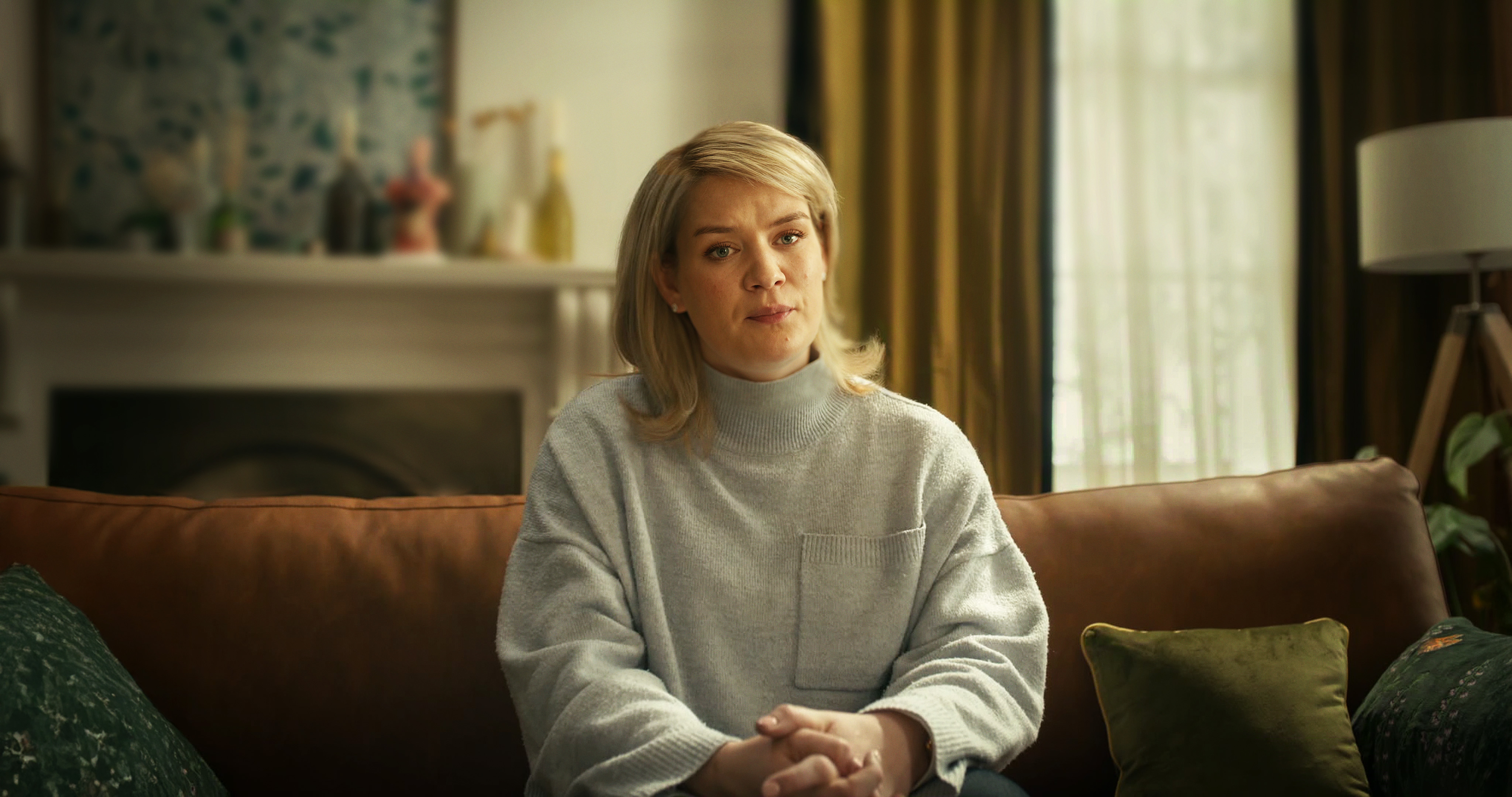
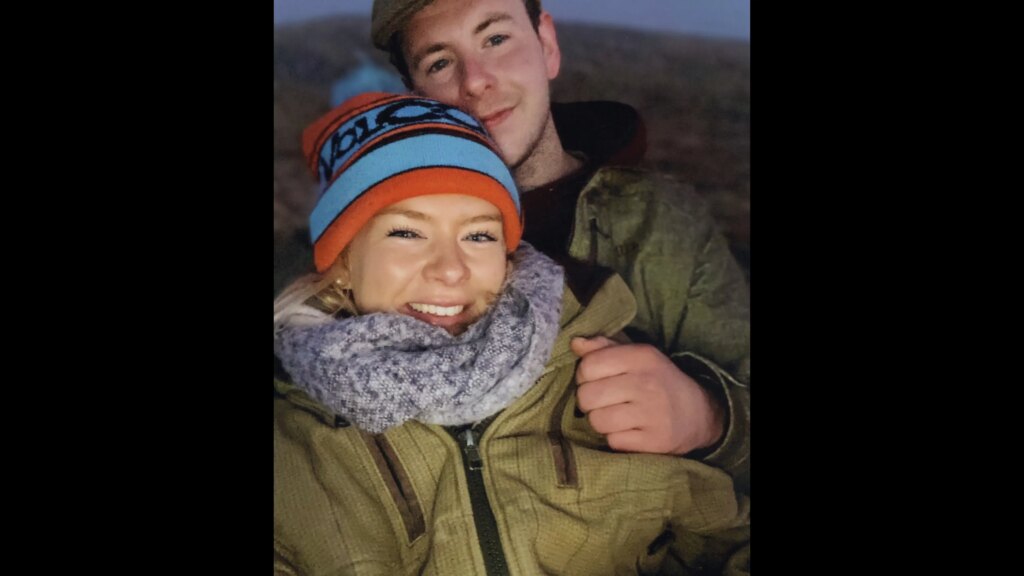
Muirhead, who was 32 when this story begins at the start of the pandemic in 2020, performed autopsies by day and, by night, was still reeling from an abusive relationship. Just as she was feeling ready to live again, her whole life changed. While swiping on Tinder, she stumbled across McKellar, a seemingly eligible 31-year-old bachelor. The handsome suitor looked like “an escape” from her toxic ex, as Muirhead told the Sunday Mail (via Bored Panda). Muirhead admits that she was “vulnerable” at the start of her new relationship, which led to an accelerated timeline and talks of marriage after just over a month together.
“Imagine you fall in love with someone who made you feel accepted, wanted, seen, who made you feel whole and loved and special, and you are just so happy,” she says in Should I Marry a Murderer? But Muirhead didn’t yet know all there was to know about her new love.
McKellar confesses to Muirhead
In late November 2020, in an effort to answer those lingering questions before making their relationship official in the eyes of the law, Muirhead asked McKellar if there was anything about him that could “hinder” their future together. She recalls that she just happened to pose the question outside, as a police car passed by. “I asked him, ‘What is it? What is going on? What is it you’re not telling me?’” Muirhead recounted to the The Scottish Sun in 2023. “He started having a panic attack. He was gasping and started wailing.”
McKellar then told Muirhead that he had a “horrible” secret. “Then he told me what he’d done… something that he’d got away with for years,” Muirhead said. “I was in shock, frozen almost. I didn’t know what to believe. This man I thought I could be with for the rest of my life had just told me he was a killer. I didn’t know what to do.”
Muirhead later says in Should I Marry a Murderer?, “[To have your fiancé] say to you, ‘I’ve done a horrible, horrible thing,’ [it’s] something so vile it flips your entire world upside down. To remain in love, you have to keep this secret that you know is going to destroy you. But if you reveal it, then you destroy everything.” She then addresses the camera, “I mean, what would you do?”
The night of the crime

On Sept. 29, 2017, three years before McKellar confessed to Muirhead, he was driving with his twin brother, Robert, in the Scottish Highlands. McKellar was speeding and driving while drunk late at night after having dinner with his hunting group at the Bridge of Orchy hotel.
Also stopping by the same resort was former Royal Navy officer Tony Parsons, who was in the midst of a charity cycling tour to mark having survived prostate cancer. The father of two and 63‑year‑old grandfather was determined to make the 100‑mile fundraising ride through Argyll and Bute in one go, and not spend the night at the hotel; Parsons reportedly stopped for a coffee at the resort and resumed his cycling route soon thereafter despite the heavy rainstorm.
It was after 11 p.m. that night when Parsons and the McKellar brothers met in an ill-fated crash: a drunk McKellar struck Parsons with his Isuzu pick-up truck as his twin Robert sat in the passenger seat. The hit and run happened on the A82 near Bridge of Orchy. Instead of helping Parsons and bringing him to a hospital, the McKellar brothers left him there to die. Authorities estimated that Parsons died within 30 minutes of being run over. Parsons died from severe blunt force trauma, with his rib fractures most likely the cause of death since the injuries would have restricted his breathing. However, Parsons’ death was not instantaneous, meaning that the McKellars had time to alert emergency services to attempt to save him.
How the McKellars covered up the crime
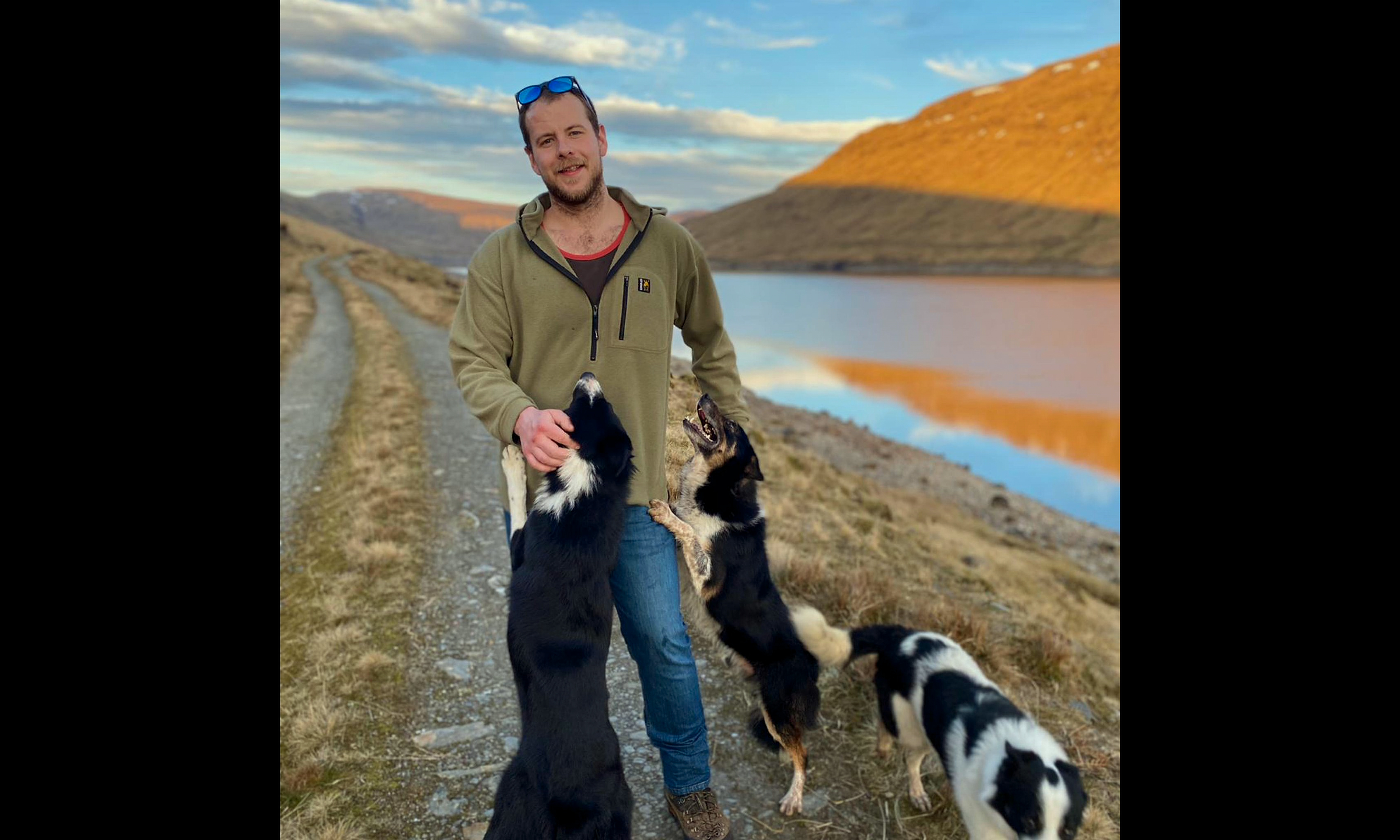
After running over Parsons, the McKellar twins drove to their house on the Auch Estate near Tyndrum village. The duo later returned to the crime scene in another vehicle, took Parsons’ body along with his bicycle and all of his belongings, and buried him in a peat bog used to dispose of dead animals on their private property. The bike was hidden behind a waterfall nearby, but it was never recovered by authorities. The McKellar brothers destroyed Parsons’ phone and SIM card, and burned his wallet and helmet. They disposed of all evidence of the car crash. McKellar then repaired the truck that struck Parsons, telling the repairmen that he had hit a deer.
It seemed as though McKellar had gotten away scot-free. That is, until Scottish police received an anonymous letter in August 2018 urging authorities to “pay attention” to the McKellar brothers.
Meanwhile, Parsons’ disappearance led to a major search involving Police Scotland, mountain rescue teams, and media attention. His body was never found, and the McKellars were never connected to his disappearance.
Muirhead quietly collects evidence
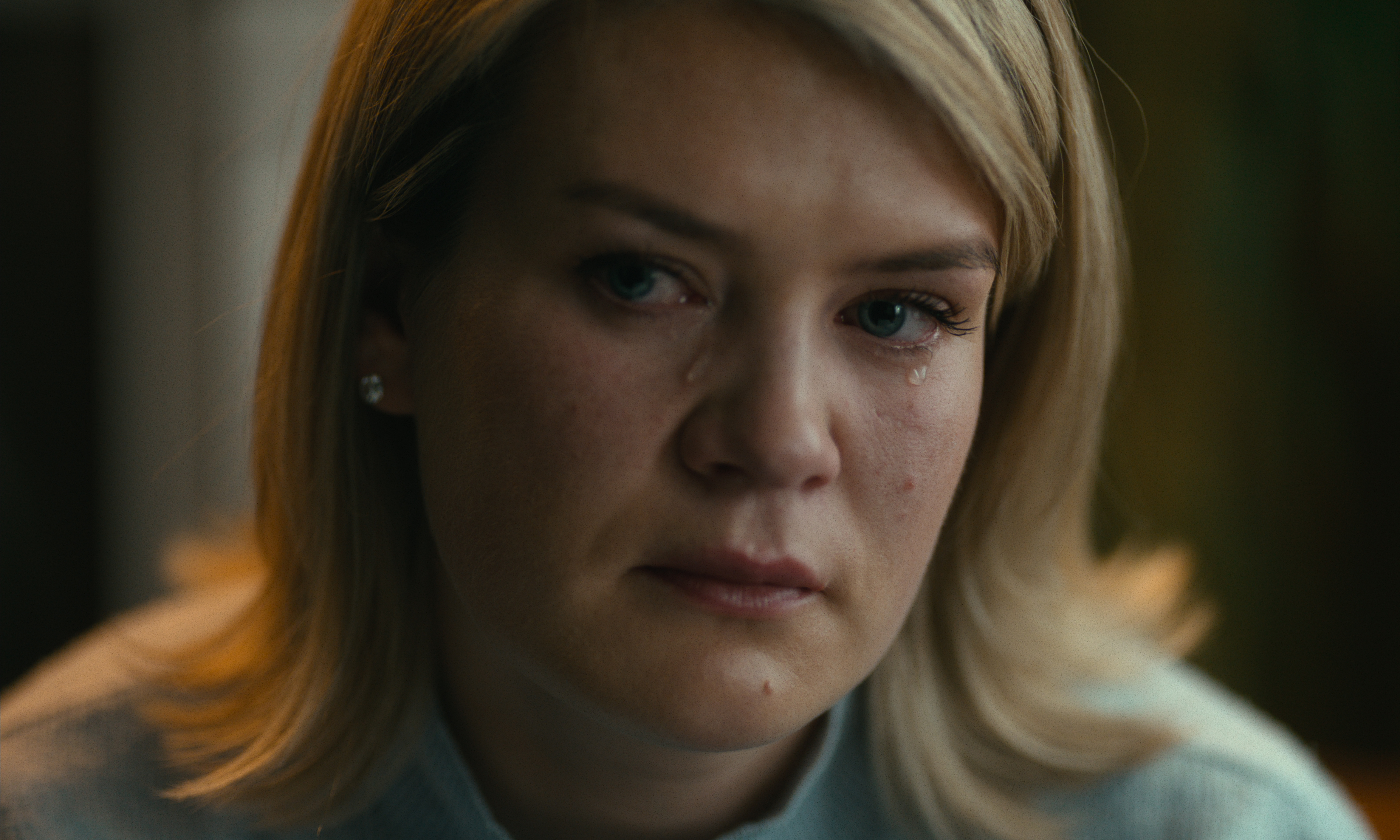
In November 2020, McKellar unburdened himself to his fiancée—all while at the Auch Estate, where Parsons was secretly buried. “We went to bed and he cuddled in next to me and fell asleep,” she recalled to the BBC (via The Scottish Sun) about the immediate aftermath of his confession. “I was wide awake and on my phone trying to Google anything about a missing cyclist to see if this could be true and then I saw the appeals about Tony Parsons.”
Muirhead was in shock: “I was really terrified,” she continued. “I was on a private estate with a man who had just admitted killing someone. And I was scared to leave. His family had an excess of guns and shooting and hunting paraphernalia all over the house.”
McKellar later showed Muirhead the gravesite where he buried Parsons. While there, she subtly dropped a can of Red Bull to serve as a marker in the woods for when she would alert the police. It wasn’t until December 27, 2020, one month later, when Muirhead reported McKellar to the authorities. She claims she spent that month gathering more information about McKellar, including the details of where he disposed of Parsons.
Parsons’ body was recovered by authorities in January 2021. Both McKellars were arrested upon Muirhead’s report. They had no idea that it was Muirhead who had called them in. Despite her fear that they would discover she had turned them in, she bailed them out three days later.
“There is something deeply relatable about staying in a relationship that you know is bad for you, and Caroline was determined to own these mistakes as a lesson to others who might ever be caught in a similar situation,” Should I Marry a Murderer? director Allott said in a press statement.
The aftermath
During this time, Muirhead remained engaged to McKellar and continued living with him and Robert at their estate. She says in the docuseries that she underwent a nine-month undercover stint to help police gather more evidence against the McKellars. She told the Daily Record that she was close to an emotional breakdown and that her mental health made her unable to work. “From the word ‘go’ the police, they were saying if I didn’t cooperate with them I could end up in trouble myself,” she said. “I put so much trust in them and they promised anonymity, support, yet the minute you give them what they want you’re hung out to dry. They suggested from the start that I could also end up in trouble with assisting a criminal, wasting police time, aiding and abetting.”
Muirhead added that because she was a forensic pathologist, she could not also serve as a witness on a prosecution case and therefore could not continue working. She also provided recordings of the twins discussing the case to the police.
“They never said ‘you must record,’ but it was heavily insinuated that the first one was so helpful,” Muirhead says of her decision to provide evidence for the murder trial. “And they’d say, ‘You must have more information, they must be talking about it. You’re with them all the time.’ The police were doing surveillance on them the whole time. I didn’t have any mental health support; they said I wasn’t allowed any because it could compromise the case.”
Muirhead filed multiple complaints against Police Scotland with the Crown Office and cited eight to the Police Investigations and Review Commissioner (PIRC) before the trial against McKellar. Muirhead formally left McKellar in August 2021 and both McKellars were charged with murder in December 2021, 11 months after Parsons’ remains were found on their property.
“I had no security at all,” she says, explaining that she feared for her life should the McKellars seek to retaliate against her. “It’s like I was a police informant who had joined the actual criminals.”
Paul Kavanagh, Muirhead’s lawyer, told the Daily Record, “Without her there they didn’t have enough for the trial. She was absolutely crucial to the case and when I was asked to go and see her with my advocate we were shocked at the way she had been treated.”
Should I Marry a Murderer? filmmaker Allott said in a press statement that it was obvious how much the case impacted Muirhead. “When I met Caroline for the first time, the toll that this decision had had on her life was clear,” he said. “I couldn’t believe that this incredibly intelligent woman in her early thirties, who had been one of the most promising young pathologists in Scotland, had lost so much in such a short space of time.” He noted that justice moved slowly, taking a year for McKellan to be taken into custody and three more for the trial to begin. “Because she was a well educated, beautiful, professional, young woman, Caroline didn’t fit the profile of a vulnerable witness, and was left in limbo without any support, her mental health rapidly deteriorating, unable to move on with her life until the fate of her decision was clear.”
The trial, sentencing, and Muirhead today
Three years later, the trial finally took place. Robert McKellar pled guilty for covering up the murder and was sentenced to five years and three months in jail. Alexander McKellar also pled guilty to both manslaughter and the cover-up and was sentenced to 12 years.
Parsons’ widow, Margaret Parsons, and their children, Mike and Victoria, issued a statement to the BBC that they would “never forgive” the McKellar brothers, saying the duo had “taken Tony and left [our family] for three and a half years not knowing where he was.”
Alexander McKellar’s attorney, Brian McConnachie, told the press that McKellar was not out for revenge against his former fiancée. McConnachie cited that McKellar “never held it against” her for going to the police, saying, “He fully accepts she made the right decision in doing so. He blames no one but himself.”
Muirhead is finally moving forward with her life, putting her romance and the ensuing trauma with McKellar in the rear view. “Since the sentencing, I’ve worked incredibly hard to rebuild and regain control of my life,”. Muirhead said in a statement with Netflix. “It’s only now that I’m finally in a place where I have felt strong and confident enough to tell my story.”
Muirhead continued, “When I came forward in December 2020, I trusted that the [justice] system would stand by me and keep me safe when I was at my most vulnerable but that wasn’t my experience. I hope by speaking out and sharing what happened to me, we can start an honest conversation about greater protection for victims and witnesses and why a far deeper understanding of mental health within the police and court system is so desperately needed.”
The post The Jaw-Dropping True Story Behind Netflix’s Should I Marry a Murderer? appeared first on TIME.