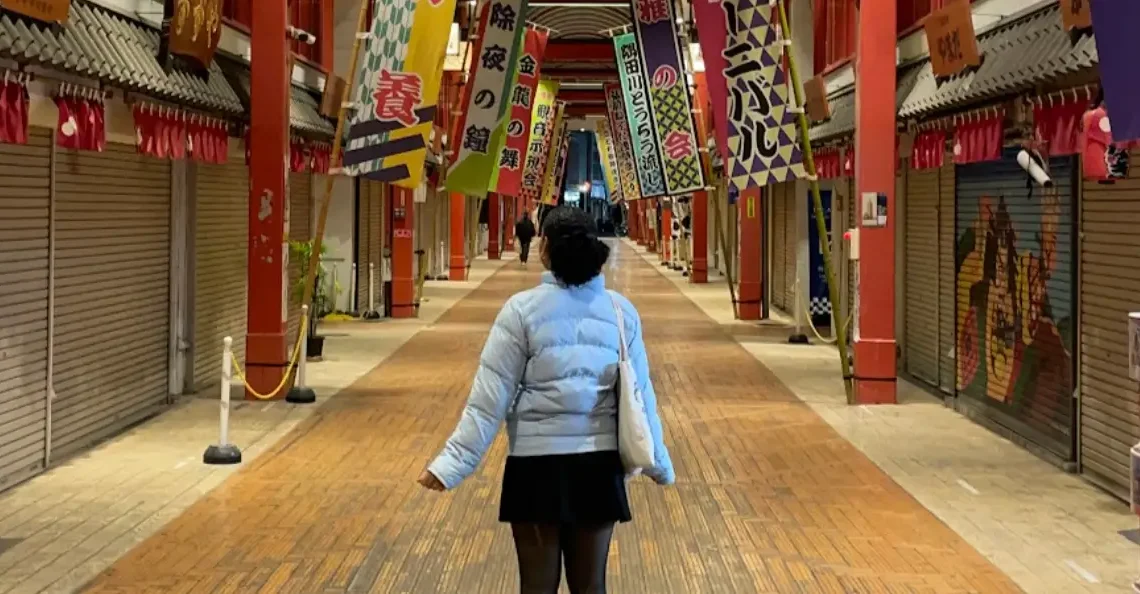
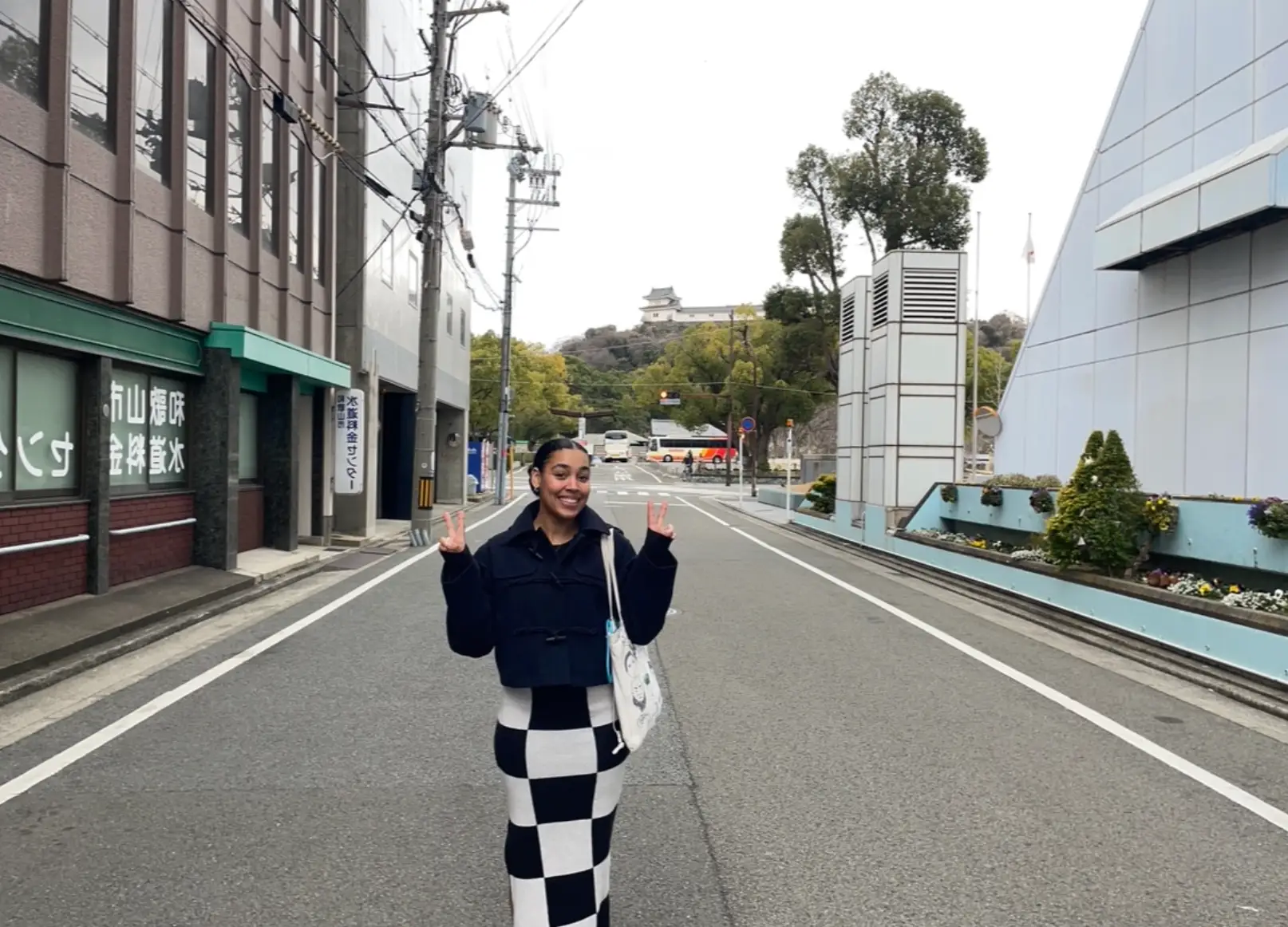
Ready for a change of pace after living in Canada, I moved to Japan four months ago.
I spent my first couple of months in Tokyo before relocating to Osaka, and I’ll be based here until the summer. I’ve been staying in long-term Airbnbs in both cities, and I plan to explore other parts of Japan over the next year.
Since arriving, I’ve noticed improvements in many areas of my day-to-day life, but there have also been a few surprises and lessons learned along the way.
Not everything is more affordable here — especially fruit.
I used to live in Ottawa, one of Canada’s largest cities. Overall, my cost of living has gone down a ton.
Eating out is much more affordable. Back home, I’d easily pay over 20 Canadian dollars for a bowl of ramen. In Japan, the best ramen I’ve had costs the equivalent of around CA$8 to CA$11 — I’ve even had a solid CA$4 bowl.
Now, my husband and I can go out for a full (and delicious) meal together for around 2,900 Japanese yen, or under CA$25 total. Not everything is cheaper, though — and fruit has been the biggest surprise.
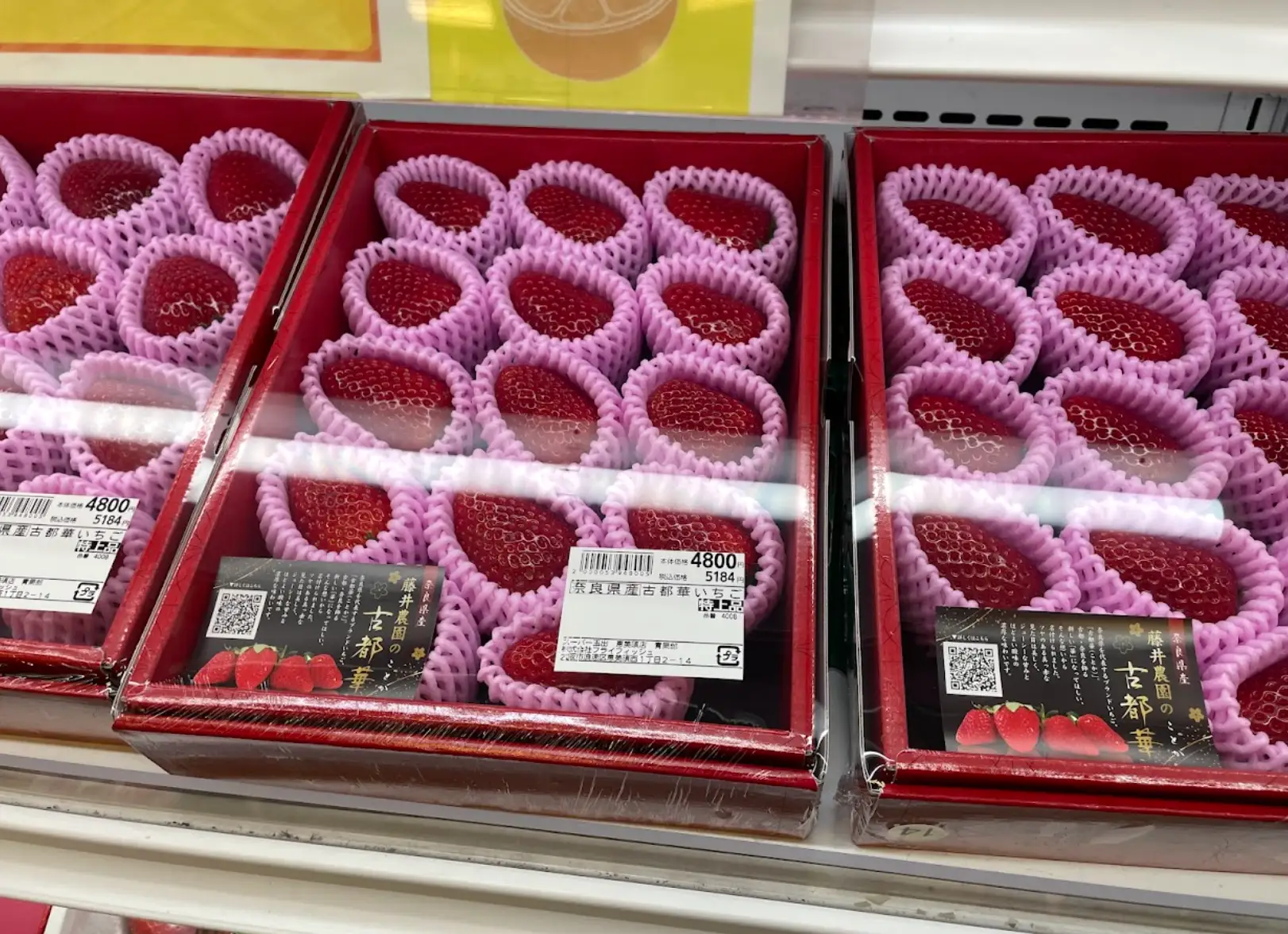
I used to think fruit in Canada was pricey, but in Japan, I’ve become even more selective about what I buy and when. I’ve seen pineapples cost around CA$8, melons for CA$30, and strawberries priced anywhere between CA$10 and CA$40.
I’d heard fruit could be expensive here, but seeing the prices in person has definitely changed how I shop. These days, I reach for cheaper options like bananas and appreciate pricier fruit more when I do buy it.
Trash sorting is extremely specific.
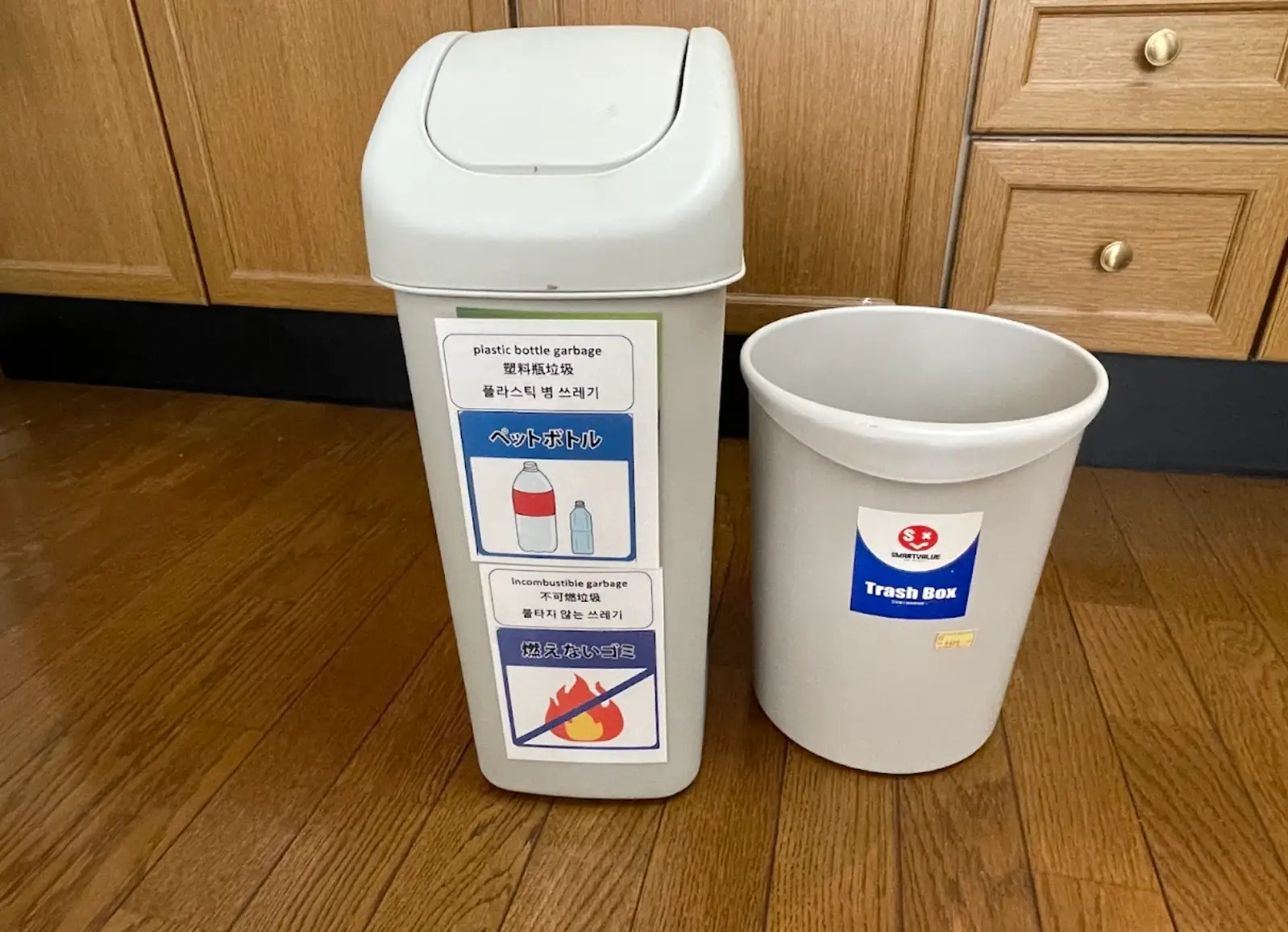
Another adjustment has been Japan’s highly structured trash system. Back home, sorting was relatively simple: paper, plastic, garbage, and compost.
In Japan, it’s much more detailed. Waste is typically divided into categories like burnable, non-burnable, recyclable, and oversize items, each with its own collection schedule.
When I was in Tokyo, I could only put out certain types of garbage on specific days of the month, and only on the morning of pickup. Now that I’m in Osaka, my building is a bit more flexible — I can bring garbage downstairs to a designated area at any time, but the sorting rules still apply.
Even disposing of large items works differently. In Canada, I just left my old couch at the curb, and it was picked up without issue. In Japan, you need to buy a special sticker and register oversize items for pickup.
It took some getting used to, but it’s also very manageable. Plus, my apartments have had labeled bins with pictures, which makes it much easier to sort everything properly.
“Key money” was a completely new concept to me.
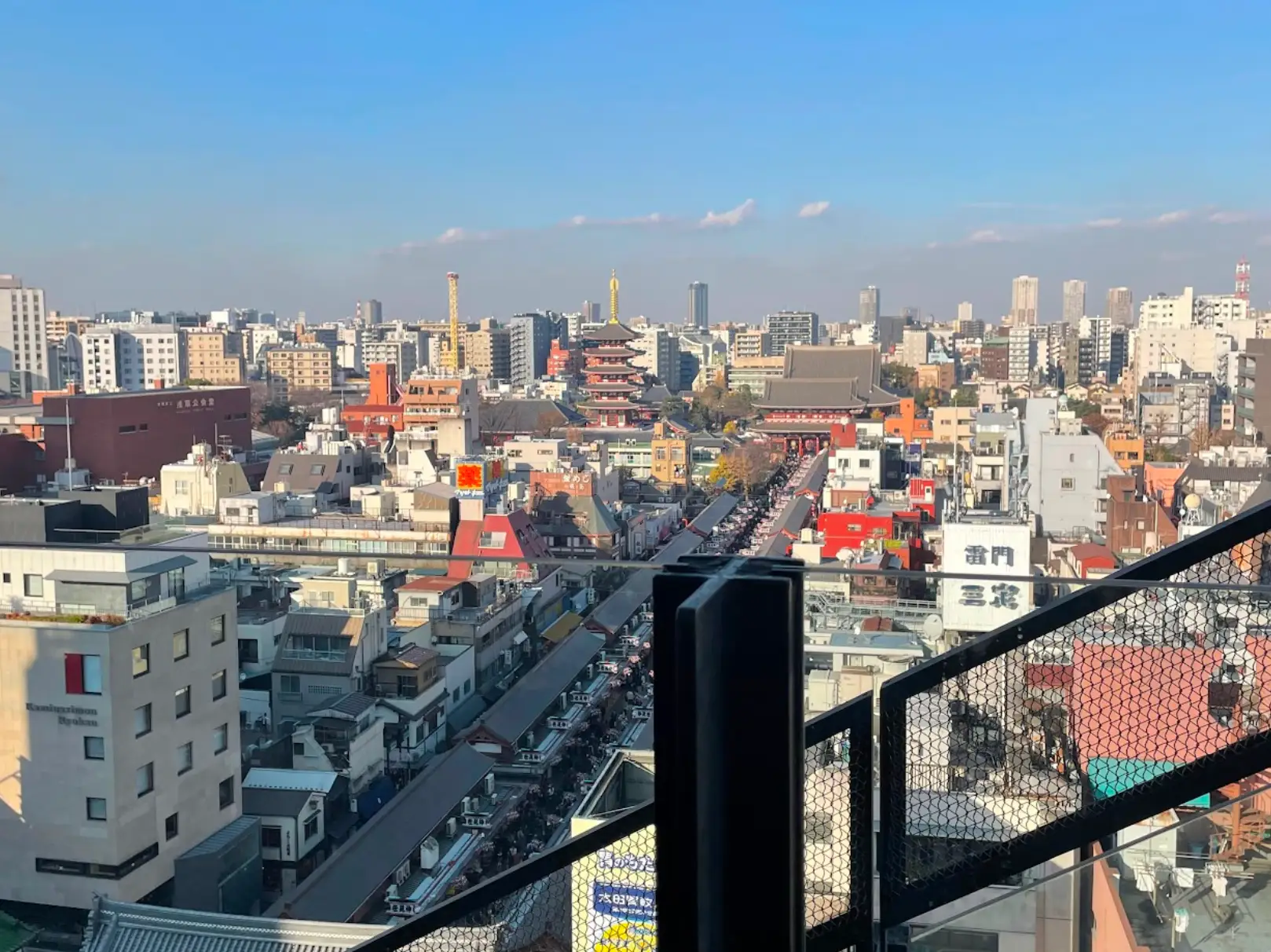
When I first started apartment hunting in Japan, I came across something I’d never heard of before: “key money.”
Key money is a nonrefundable, one-time payment made to a landlord when signing a lease. It’s essentially considered a gift or gesture of gratitude for being allowed to rent the property, usually equivalent to one month’s rent.
Coming from Canada, I was used to paying first and last month’s rent upfront, but the idea of paying an extra month’s rent — that I would never get back — was new.
Though it’s not mandatory at every property, it ultimately influenced my decision to stick with Airbnb rentals while I move around the country.
Getting around without speaking fluent Japanese is easier than I expected.
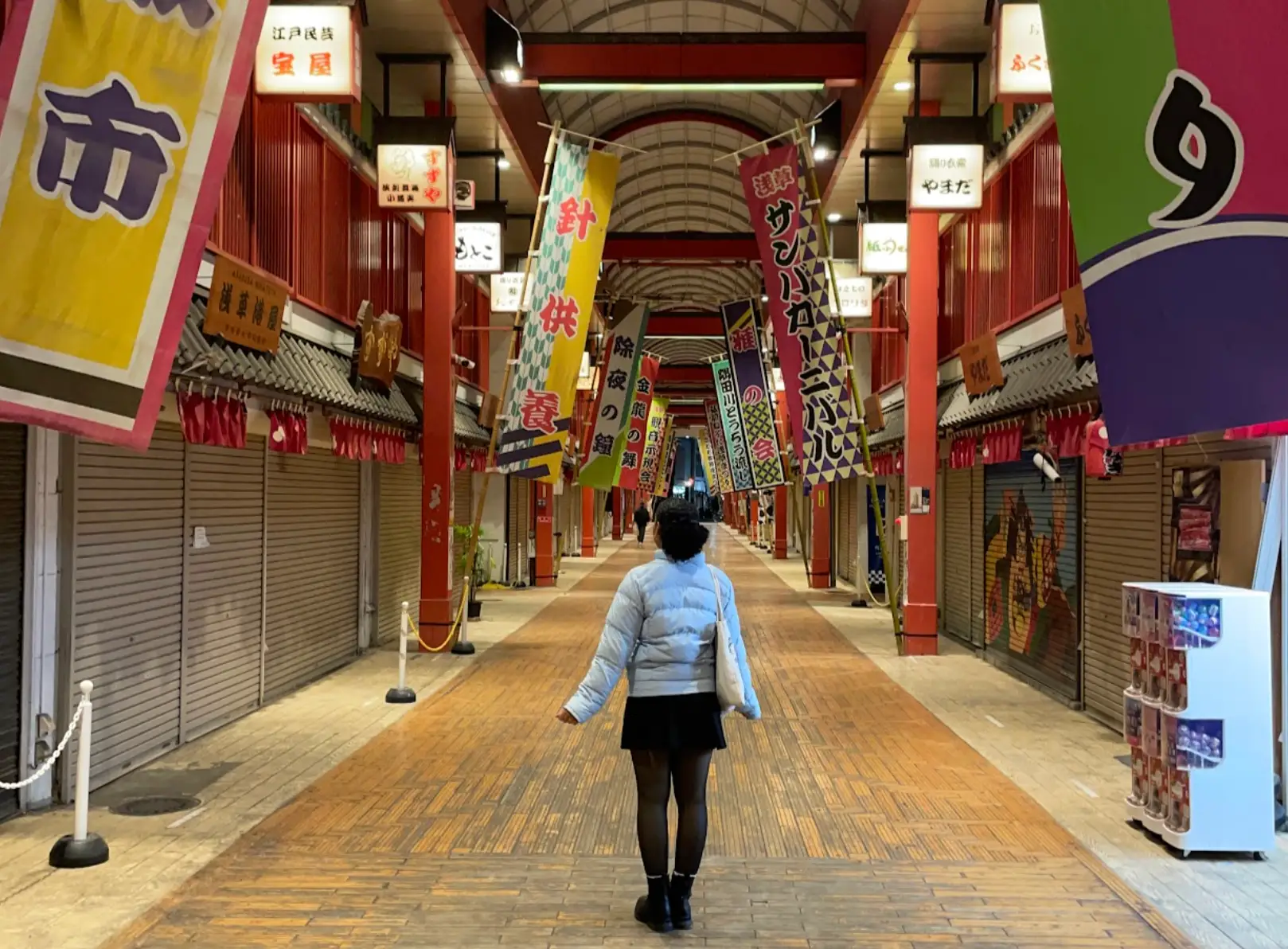
Before moving, one of my biggest concerns was the potential language barrier.
I studied Japanese beforehand and use basic phrases every day — while ordering food, shopping, and getting around — but I’m far from fluent. I expected that to make everyday life much more difficult.
In reality, it’s been way more manageable than I thought. Many signs and menus use English, especially in cities, and I’ve generally found people to be very helpful if I don’t understand something.
When I went to my local ward office to register my address, I was nervous about handling paperwork in Japanese — but the staff used handheld translation devices to communicate with me, speaking into them in Japanese and translating everything into English in real time.
I could also respond the same way, which made the process a lot easier to navigate.
Translation apps have also been really helpful when I’m shopping and eating out, especially for reading menus and product labels.
Japan’s public transportation system has exceeded my expectations.
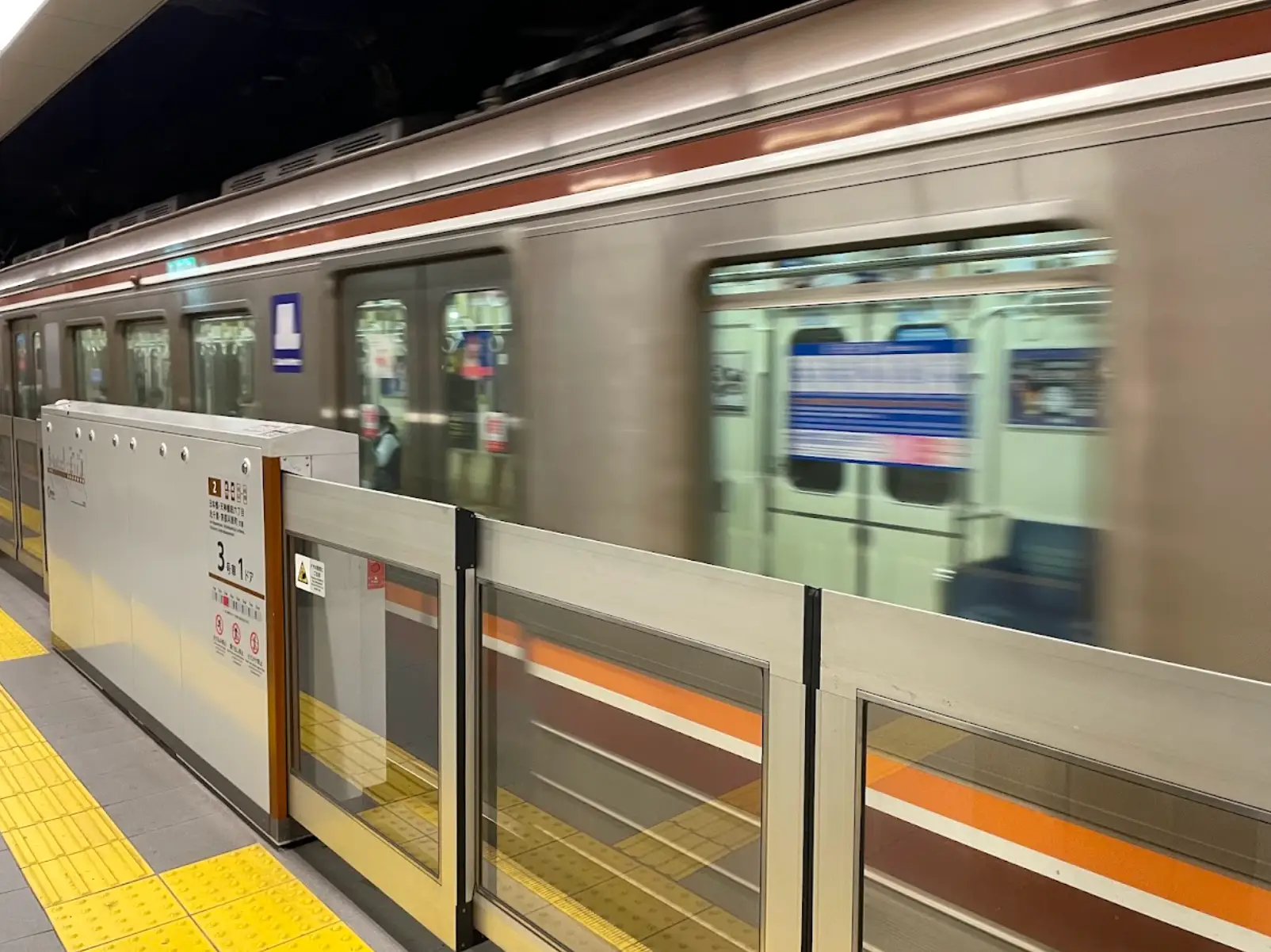
Japan’s public transportation system has easily been one of the most impressive parts of living here.
I’m originally from Ottawa, where public transit often feels pretty unreliable. It’s also expensive, with fares over CA$4 no matter how far you’re going.
In Japan, it’s the complete opposite. Trains are frequent, clean, and most importantly, on time. Fares are also based on distance, so short trips are super affordable.
A trip from my neighborhood to the more central Dotonbori area costs around CA$2 and takes about 10 minutes, whereas walking would take close to an hour.
This has made getting around feel incredibly easy day to day, and I’m so excited to keep exploring more of the country while I’m here.
Read the original article on Business Insider
The post I moved to Japan 4 months ago. So far, the cost of fruit and the country’s transit system have really surprised me. appeared first on Business Insider.