
Celebrity magazine Us Weekly is reportedly gutting nearly half its workforce and abandoning its New York headquarters as insiders warn the onetime tabloid staple is in a “dire” situation — the latest layoffs to slam the struggling publishing industry.
Staffers learned Monday of sweeping layoffs impacting close to half of the magazine’s more than 50 employees, with management citing weak first-quarter performance as the driving force behind the cuts, the Status newsletter reported on Thursday.
The bloodletting hit multiple departments — including the entire social media team and the brand’s Spanish-language operation, according to Status.
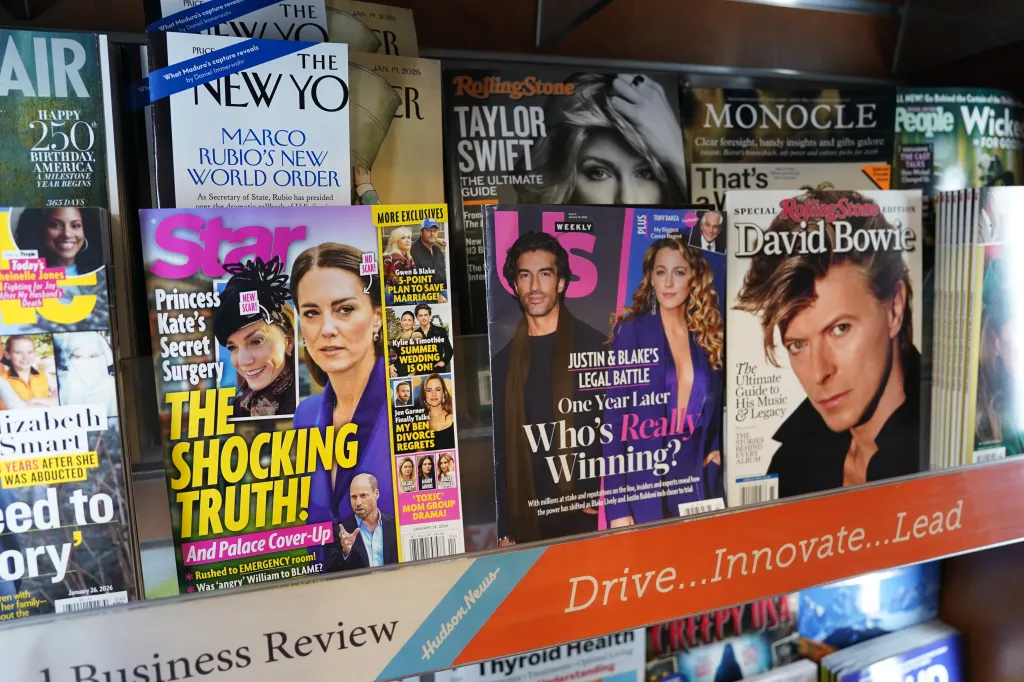
At the same time, owner McClatchy is shuttering the magazine’s New York office, with staff set to go fully remote beginning May 1 as executives scramble to stabilize operations, sources told the newsletter.
The cuts mark a stunning reversal for a publication that once dominated supermarket checkout lines with splashy celebrity gossip and glossy covers.
Founded in 1977, the magazine built its business on print circulation and ad dollars tied to its mass-market reach — a model that has since collapsed under the weight of digital disruption.
As audiences migrated to social media for real-time entertainment news, advertisers followed, draining revenue from legacy print outlets and leaving titles like Us Weekly struggling to adapt.
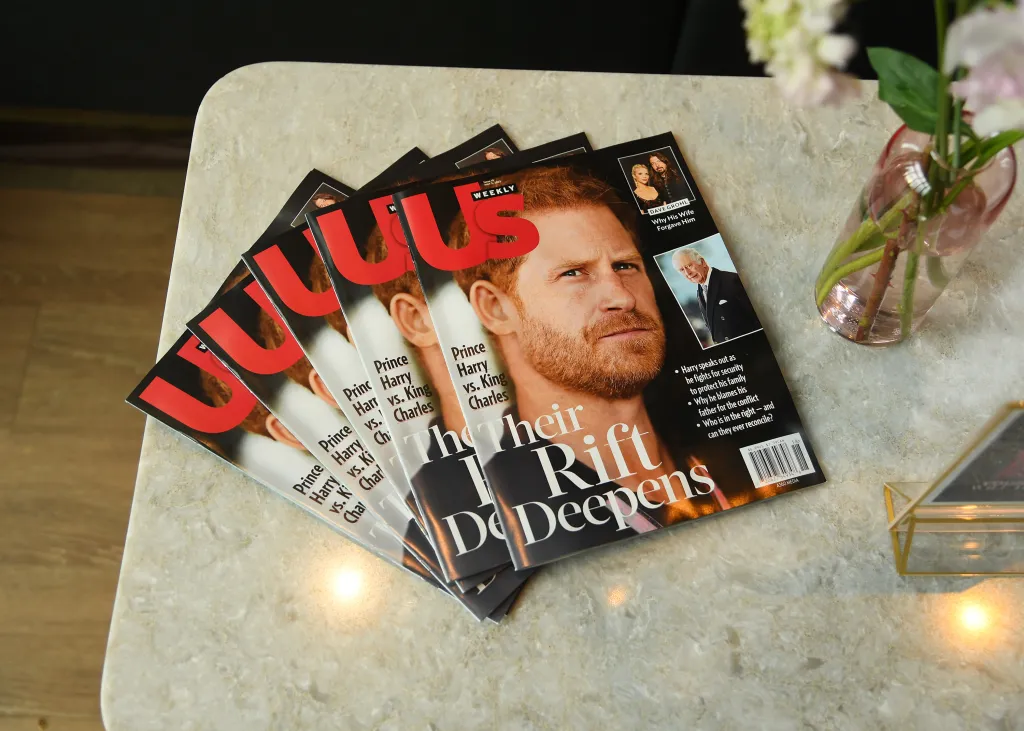
“The business is totally shot,” one former magazine editor told Status. “And there’s a lack of effort to adapt for the digital space in a relevant way.”
The layoffs come just months after Condé Nast rocked the industry with cost-cutting moves, including shutting down SELF as a standalone brand and trimming staff at Glamour and other titles.
Before closing SELF, Condé had already absorbed Teen Vogue into its flagship Vogue operation, resulting in widespread layoffs.
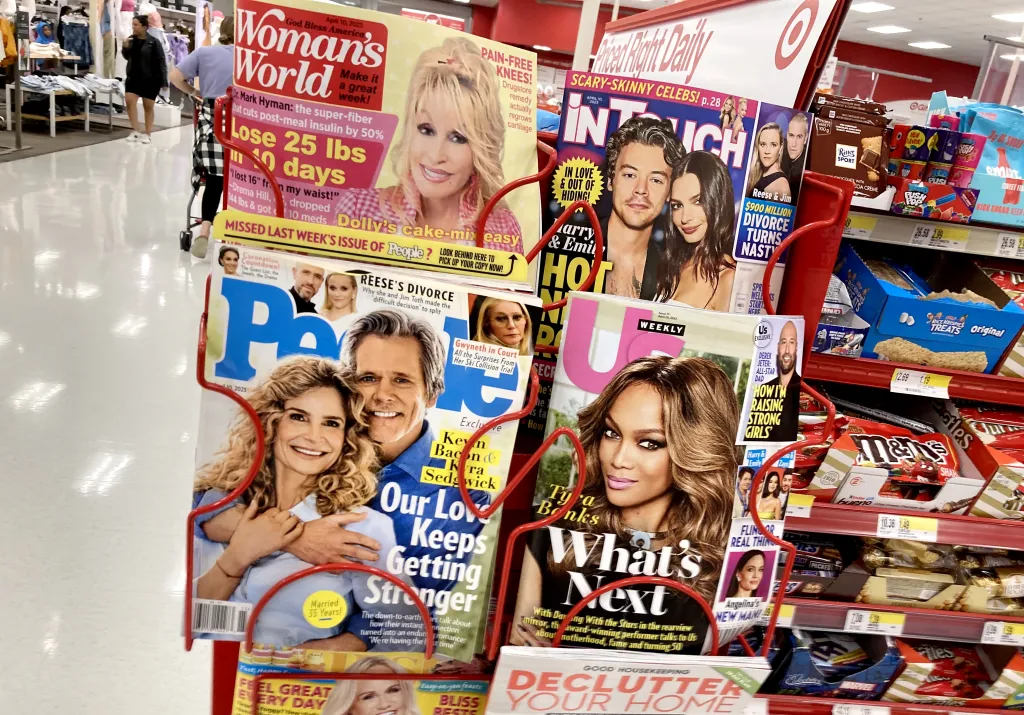
A handful of high-end titles — including The New Yorker, The Atlantic and WIRED — have managed to stay afloat by building subscription-driven businesses targeting affluent audiences, allowing them to invest in video, audio and other digital formats.
Us Weekly, by contrast, remains heavily reliant on advertising tied to a mass audience that has largely migrated online, leaving it chasing a shrinking pool of revenue.
The Post has sought comment from Us Weekly and McClatchy.
The post Us Weekly halves staff, ditches NYC digs to go fully remote: report appeared first on New York Post.