Environmental groups sued the Trump administration on Monday to stop the British oil giant BP, which operated the Deepwater Horizon drilling platform that exploded in 2010, from starting a new $5 billion drilling project in ultra-deep waters in the Gulf of Mexico.
Last month, the Interior Department’s Bureau of Ocean Energy Management approved the project, which is known as Kaskida, about 250 miles off the coast of Louisiana at a depth of nearly 6,000 feet. BP projects it will produce 80,000 barrels of oil per day from six wells starting in 2029 in a section of the seafloor that is estimated to hold 10 billion barrels of crude.
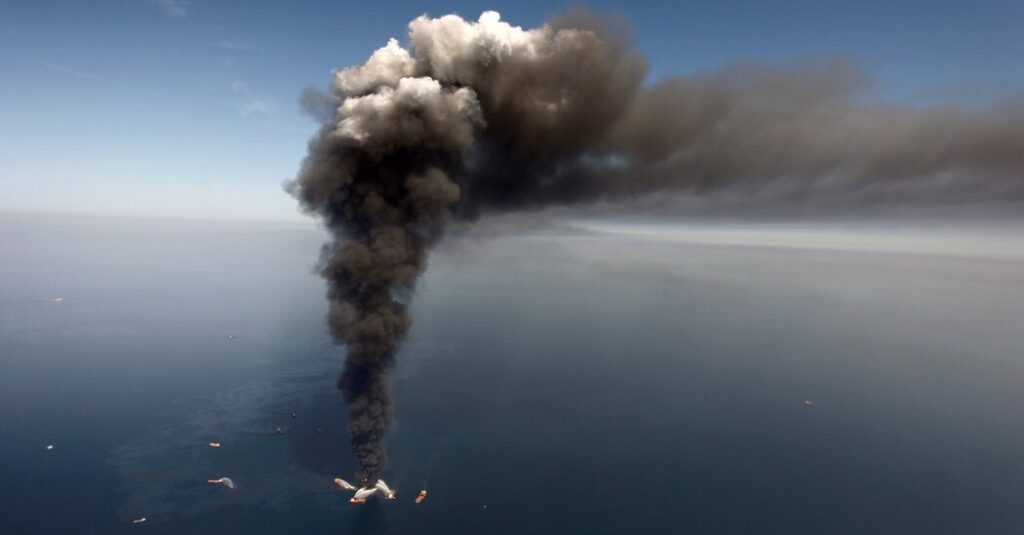
Opponents say the new project poses greater risks than the Deepwater Horizon rig did. A blowout and explosion on that platform exactly 16 years ago killed 11 crew members and spilled 3.2 million barrels into the Gulf, which President Trump calls the Gulf of America, the largest marine oil spill in U.S. history. In a worst-case scenario, they say, the Kaskida project could result in an oil spill of up to 4 million barrels, endangering Gulf communities as well as the marine ecosystem and industries like fishing and tourism.
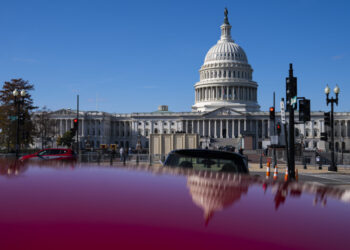
“The Trump administration has teed up the entire Gulf region for a Deepwater Horizon sequel with its approval of BP’s extremely risky ultra-deepwater drilling project,” said Brettny Hardy, a senior attorney with Earthjustice, the environmental nonprofit law firm that is leading the challenge. Five other groups joined the filing, asking the U.S. Court of Appeals for the 11th Circuit to review the Interior Department’s approval of the project.
Charlotte Taylor, a spokeswoman for the Interior Department, declined to comment on the litigation but said the United States produces energy “cleaner, safer, and more reliably than anywhere in the world.”
Ms. Taylor said the agency’s review of permits and plans associated with offshore energy projects “incorporates the highest levels of analysis and scrutiny under the law” and that the Kaskida site “represents a major step forward, unlocking more than 275 million barrels of previously unrecoverable oil in the Gulf of America. This development will drive job creation, strengthen U.S. national security, and help cut energy costs for American families.”
Paul Takahashi, a spokesman for BP, said in a statement that the Deepwater Horizon disaster “forever changed” the company.
“The lessons we learned and the changes we made, from tougher safety standards to better oversight, remain at the forefront of who we are and how we operate every day,” Mr. Takahashi said.
He called the allegations in the lawsuit unfounded, and noted that similar projects already have been approved and are operating safely in the Gulf. BP officials have said Kaskida reflects decades of technological innovation by the company and the offshore oil and gas company.
He said BP “is fully confident in our Kaskida development plan and our ability to deliver this offshore project safely, responsibly and in compliance with US regulations and industry standards.”
BP is one of the largest producers in the Gulf of Mexico. The company discovered the Kaskida field in 2006 and spent several years working with others to develop rig technology that can complete high-pressure wells before seeking federal approval in 2025.
The company has estimated the recoverable resources at around 275 million barrels of oil equivalent from the project’s first phase, starting in 2029. BP has said additional wells also could be drilled in future phases.
But the extracting oil at such depths poses technological challenges, including the need for equipment that can withstand incredibly high pressure.
The Deepwater Horizon blowout, on April 20, 2010, occurred in shallower water.
BP executives noted that the company had started its Argos project, its first since the Deepwater Horizon spill, in 2023 and said the project was operating safely.
Opponents maintain that BP has not done enough since the Deepwater Horizon disaster to prevent spills. They say that the company’s emergency plan for Kaskida is similar to the one that was in place 16 years ago: It proposes using chemical dispersants to break oil into tiny droplets and push it underwater.
Proponents of the technique have said that the dispersants helped diminish oil slicks and improved air quality for responders to the disaster. But studies have also found exposure to the chemicals poses serious health risks and has left thousands of people sick.
The lawsuit contends that information the company was legally required to submit to the government to have the Kaskida project approved was either missing or flawed, including evidence demonstrating that it has the equipment necessary to respond to a spill. It also asserts that the Trump administration used outdated information to assess the risks from oil spills.
Lisa Friedman is a Times reporter who writes about how governments are addressing climate change and the effects of those policies on communities.
The post Environmental Groups Sue to Block BP’s Plan to Drill in Deep Gulf Waters appeared first on New York Times.