Iran’s military announced it has closed the Strait of Hormuz just a day after the country declared the waterway open, claiming the U.S. had breached Tehran’s trust by maintaining its blockade in the region.
The Strait of Hormuz had “returned to its previous state” and “is under the strict management and control of the Armed Forces,” Iran’s military command said Saturday, according to a statement published by Iranian state-backed media.
Iran had agreed to “managed passage” of a number of oil tankers and vessels through the critical waterway, the statement said, but it accused the U.S. of “banditry and piracy under the guise of a so-called blockade.”
“Until the United States ends its interference with the full freedom of movement for vessels traveling to and from Iran, the status of the Strait of Hormuz will remain under intense control and in its previous state,” said the statement, published on Iran’s semiofficial Fars media outlet.
When Iran initially declared the strait open on Friday, the announcement appeared to signal progress in talks between U.S. and Iranian negotiators. But that optimism was soon clouded by conflicting statements from President Donald Trump and Iran’s leadership on the future of the U.S. blockade in the area and progress in talks on Iran’s nuclear program.
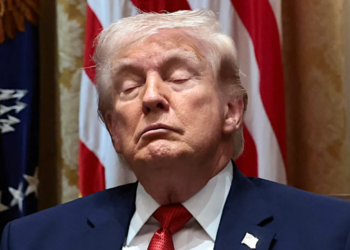
“Iran has agreed to never close the Strait of Hormuz again. It will no longer be used as a weapon against the World!” Trump wrote on Truth Social Friday. Trump’s post came just hours after Iran’s Foreign Minister Abbas Araghchi declared the Strait“completely open” for commercial vessels. Araghchi said while the strait was reopened, Iran would remain in control of crossings.
Later Friday, Trump also said Iran had agreed to halt its nuclear activities and that the two sides would soon convene for another round of in-person talks.
Iran quickly dismissed the assertions as “lies.” A Foreign Ministry statement, posted by state broadcaster IRIB, said: “The Americans talk excessively and create noise around the situation. Do not be misled! There is no new agreement.”
Before the war, around one-fifth of the world’s oil and natural gas supplies passed through the Strait of Hormuz and disruption to critical energy supplies has seen oil prices soar and markets roiled. News that the Strait would reopen led markets to soar and the oil price to fall, although behind the scenes industry experts believe deep, underlying problems remain.
The Trump administration has attempted to respond to Iran’s closure of the strait by increasing the economic pressure on Tehran with a U.S. blockade. Since the U.S. blockade took effect Monday, U.S. forces have turned back 21 ships, Centcom said Friday.
Earlier, a temporary ceasefire went into effect in Lebanon, another development that appeared to signal diplomatic progress. The Lebanese militant group Hezbollah backed by Iran, and Israel, halted attacks in line with an agreement that was negotiated between the government of Lebanon and Israel. After the truce went into effect, thousands of Lebanese civilians began to return to their homes in the country’s south.
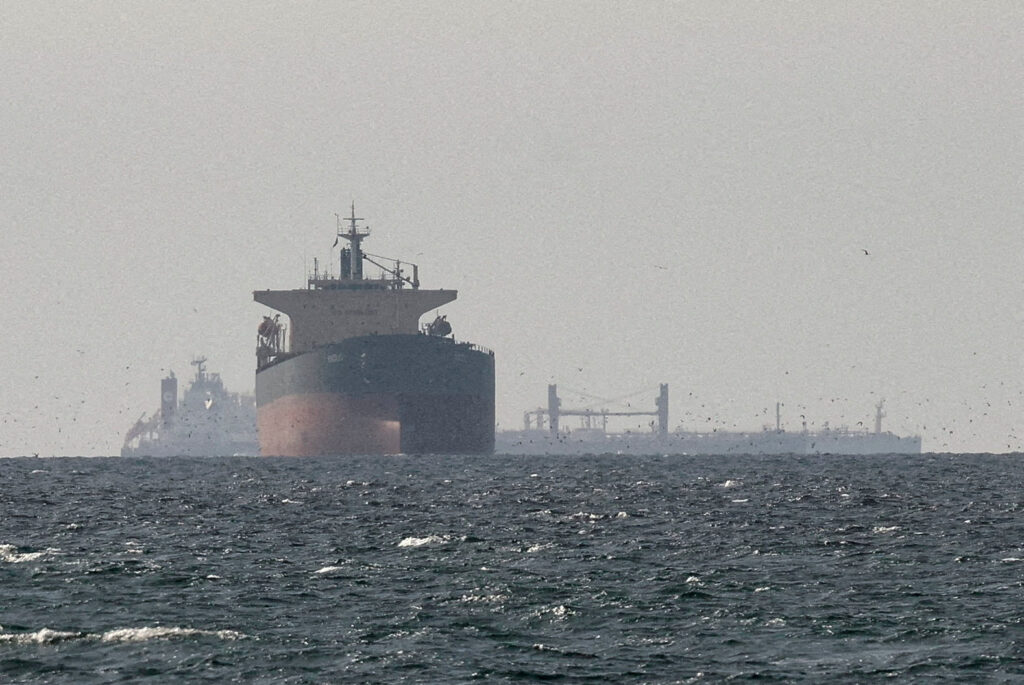
After the U.S. and Israel launched a war against Tehran, Iran mined parts of the critical waterway and attacked tankers in the area. The moves spooked shipping companies and for weeks traffic plummeted over 90 percent to a near halt, according to ship tracking data. Before the war, roughly 100 ships would pass every day.
Later in the war, Tehran began giving a handful of tankers permission to cross, but required them to use a specific route along its coastline and pay a toll.
Suzan Haidamous in Beirut and Lior Soroka in Tel Aviv contributed to this report.
The post Iran says it has closed the Strait of Hormuz again, citing U.S. blockade appeared first on Washington Post.