If you happen to own a multi-million dollar vacation home in New York City, lawmakers are gearing up to increase your tax bill.
Gov. Kathy Hochul unveiled a plan this week for a pied-à-terre tax in NYC, which would tax property owners who primarily live outside the city but have a local home worth over $5 million. Often, these individuals don’t pay city or state taxes because their official address isn’t in NYC. The proposal, which is backed by Mayor Zohran Mamdani, could mark his first step toward taxing the city’s financial elite in conjunction with state leadership. Mamdani said it will raise at least $500 million for the city.
“When I ran for mayor, I said I was going to tax the rich,” Mamdani said in a video posted Wednesday evening. “Well, today we’re taxing the rich.” He stood in front of billionaire Ken Griffin’s $238 million Central Park South apartment, explaining that the Citadel CEO and other wealthy property owners who split their time between the city and elsewhere “reap the huge financial rewards of owning property in, dare I say, the greatest city in the world. And most of the time these units are sitting empty.” Griffin primarily lives in Miami.
Both the governor and mayor hope a tax on the elite’s second homes could help narrow the city’s wealth gap and fund their affordability agendas, including policies focused on housing and childcare.
“The kind of thing we need is more taxes on the rich people, in one way or another. And I’d certainly define people who own homes that they’re not living in as part of the rich,” Morris Pearl, the chair of Patriotic Millionaires, a pro-wealth-tax group of wealthy Americans, and a former managing director of BlackRock, said. “So I think that’s actually a pretty good proxy for rich people.”
New York lawmakers have unsuccessfully proposed a pied-à-terre tax before
It’s difficult to determine exactly how many homes would be affected by this law. The most recent New York City Housing and Vacancy Survey found that there were about 59,000 units that were “held for seasonal, recreational, or occasional use” in 2023 out of 3.7 million total units in the city. That figure, however, does not capture the value of those homes, and results may be skewed based on whether secondary units were occupied at the time of the survey.
Hochul has estimated that around 13,000 units would be subject to the tax; Jonathan Miller, a real estate appraiser, told Business Insider that he estimates around 12,000 to 15,000 units might be eligible.
Around 47% of the city’s projected revenue is set to come from property and real estate taxes; a slowdown in the high-end housing market could take a toll on the city’s bottom line. “What I find is that that will dent demand for higher-end property,” Miller said. “I don’t think it’s a dramatic impact; it will impact it, but not significantly. And I also don’t think that it’ll cascade down to lower price points.”
The new proposal could amount to a momentary blip in those collections and in higher earners’ willingness to buy, but will ultimately likely be baked into the market, according to Miller.
“I’m confident that this isn’t the beginning of the end for New York,” Miller said.
A pied-à-terre tax has been pitched in New York several times. Current Manhattan Borough President Brad Hoylman-Sigal, who spearheaded efforts to enact a similar tax in 2014 and 2019, told Business Insider that, “If you can afford a $5 million second home, you should appropriately contribute to the subways, schools, and public services that protect and sustain your investment.” Major cities like Vancouver and Paris have imposed taxes on second residences in recent years, too.
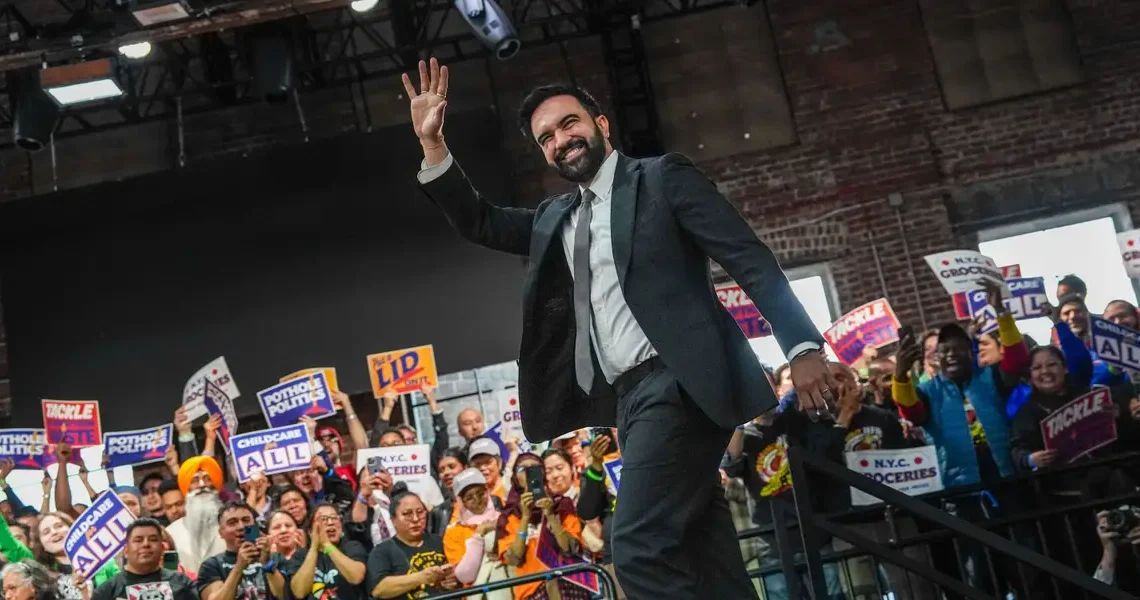
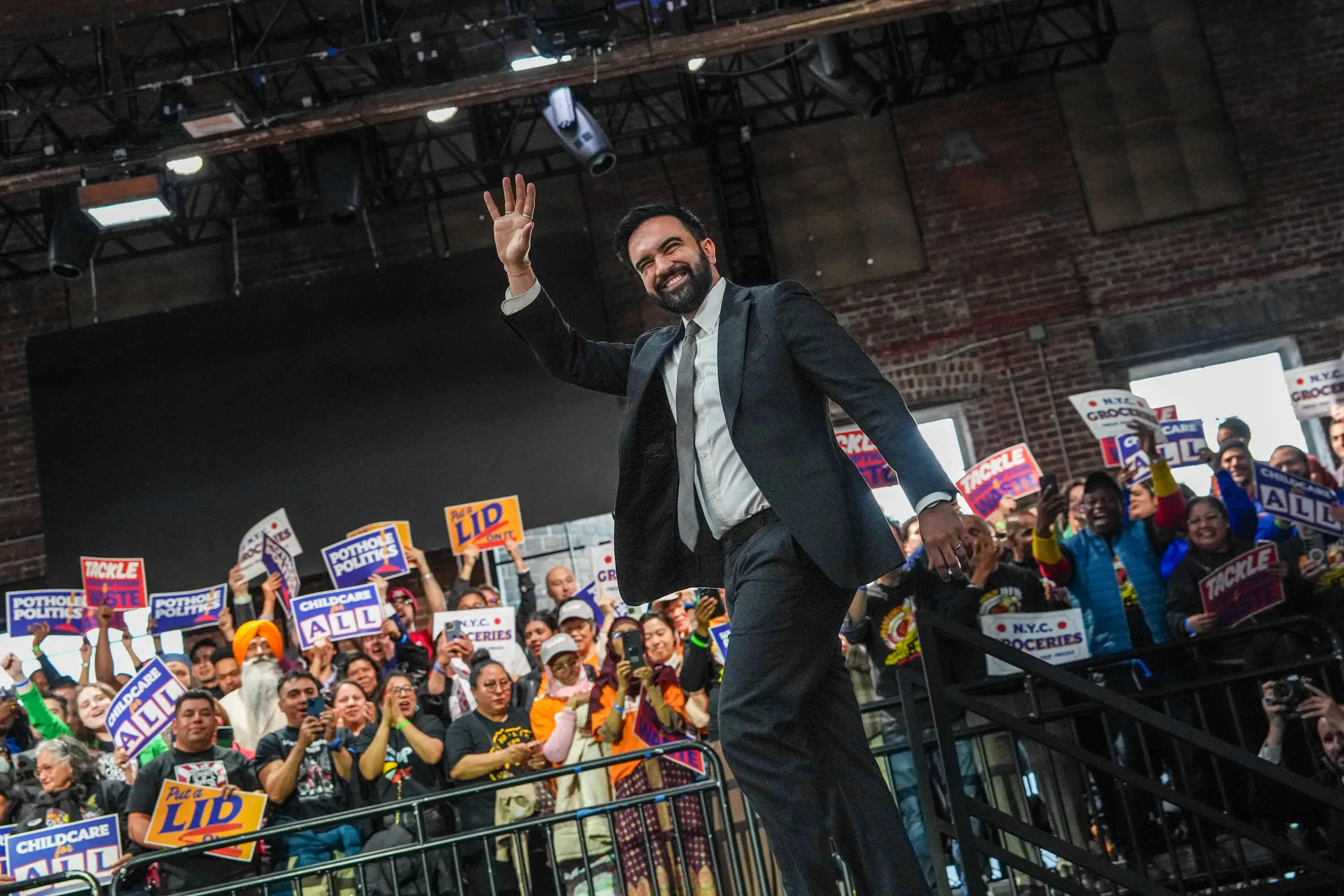
Mamdani reiterated his support for a pied-à-terre tax at an event in Midtown Manhattan on Wednesday morning. The room was filled with journalists, supporters, and CUNY students as the mayor and economists Gabriel Zucman and Joseph Stiglitz discussed inequality and tax equity. Mamdani said that the proposal would tax “the super wealthy who can purchase properties and use them to store their wealth, to benefit from New York City’s real estate market, but not have to pay back into that same city.”
Hochul’s support marks a relatively rare moment of agreement between the city and state on taxes. So far, the mayor’s wealth-related tax plans, which would need sign-on from Hochul and Albany, have been met with mixed reception; Hochul has been tepid on a wholesale increase for the wealthy and corporations.
There are, of course, still looming budget issues. Mamdani has also said that, without backing from Albany to raise more revenue, he might turn to raising property taxes — what he’s said would be “a tool of very last resort.”
“The biggest takeaway I have is that $500 million is a significant chunk of money,” Fiscal Policy Institute acting executive director and chief economist Emily Eisner, told BI. “When I hear $500 million, I don’t sneer at it, but it’s not the size that the mayor needs to fill the budget gap or fund the broader affordability agenda that he campaigned on and is committed to achieving.”
The proposal does mark some common tax ground among the lawmakers, and a potential move toward chipping away at at least some of the deficit looming over the city.
“I believe everyone has a role to play in contributing to our city,” Mamdani said. “And some a little bit more than others.”
Read the original article on Business Insider
The post Live in Miami or Silicon Valley with a luxury apartment in New York? Get ready for a new tax appeared first on Business Insider.