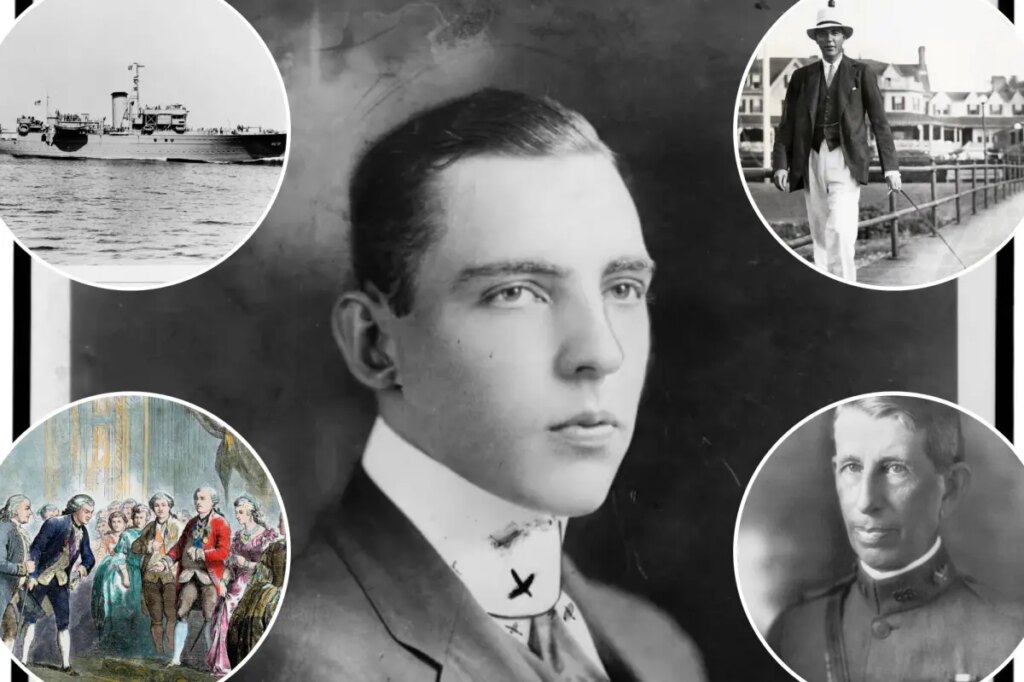
In 1912, a tall and gangly Harvard sophomore named Vincent Astor asked: “Is it unreasonable to suppose that because a man is rich, he is also useless?”
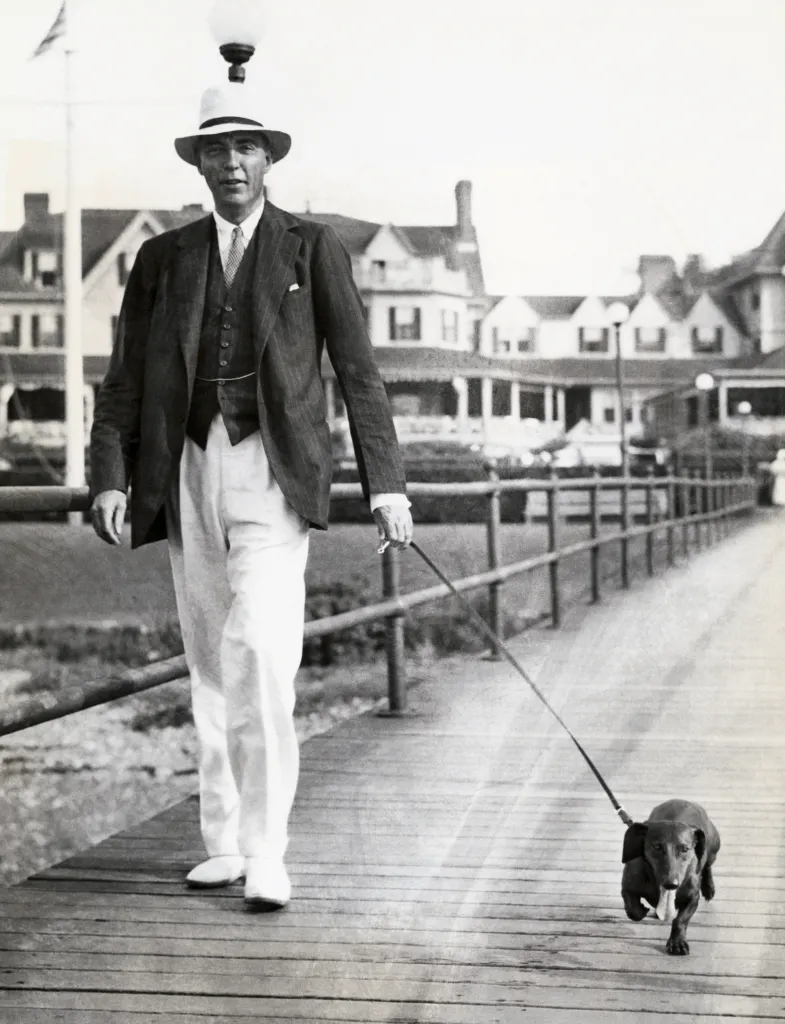
Catapulted to the top of America’s wealth pyramid after his father, John Jacob Astor IV, perished on the Titanic, young Astor craved recognition for more than just the size of his bank balances. Thanks to his efforts in New York, his native city, entire blocks of grimy Astor-owned slum tenements were demolished and replaced with modern public housing and large playgrounds.
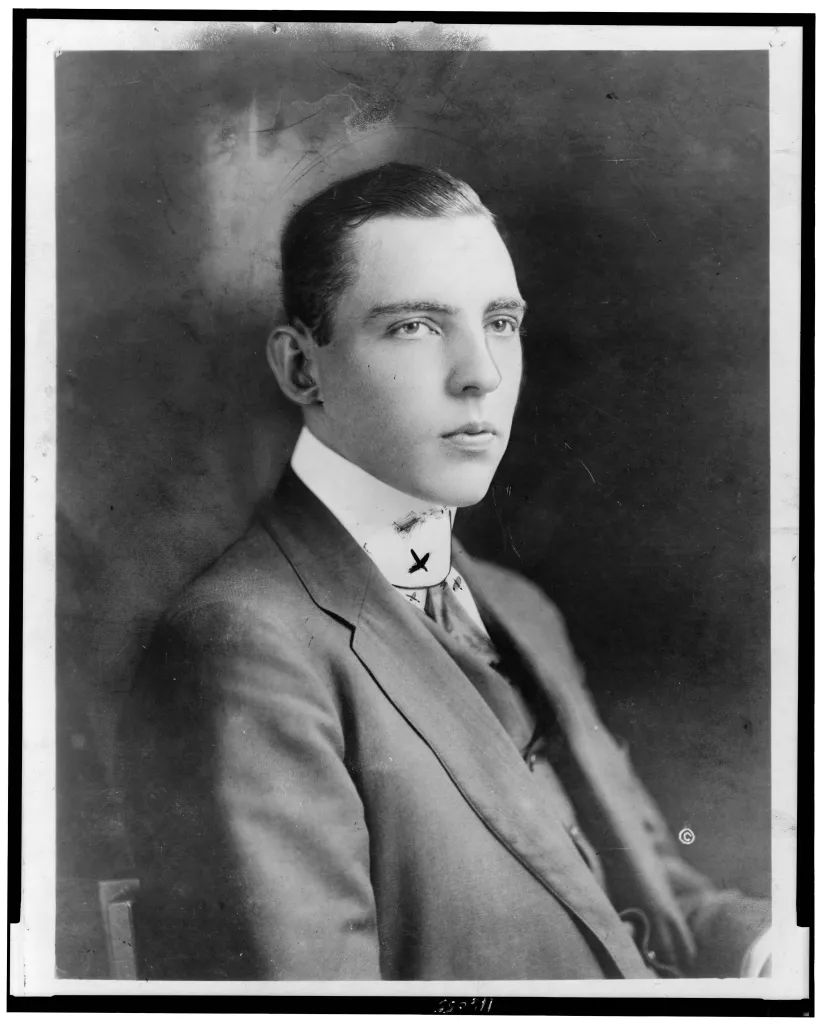
Less known is how, over decades, Astor served his country in secret — eventually running an off-the-books intelligence service for President Franklin D. Roosevelt.
Advertisement
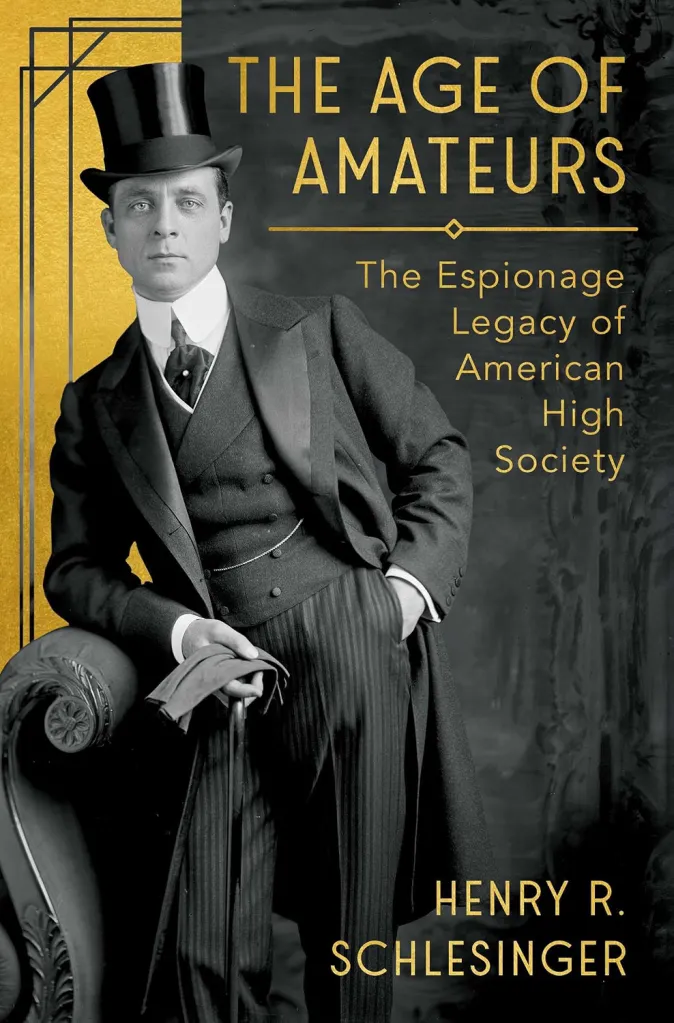
“It’s amazing what Astor accomplished,” Henry R. Schlesinger, author of “The Age of Amateurs: The Espionage Legacy of American High Society,” told The Post. “He put the resources of his enormous fortune to use for the nation’s welfare, and he even did some spying on his own.”
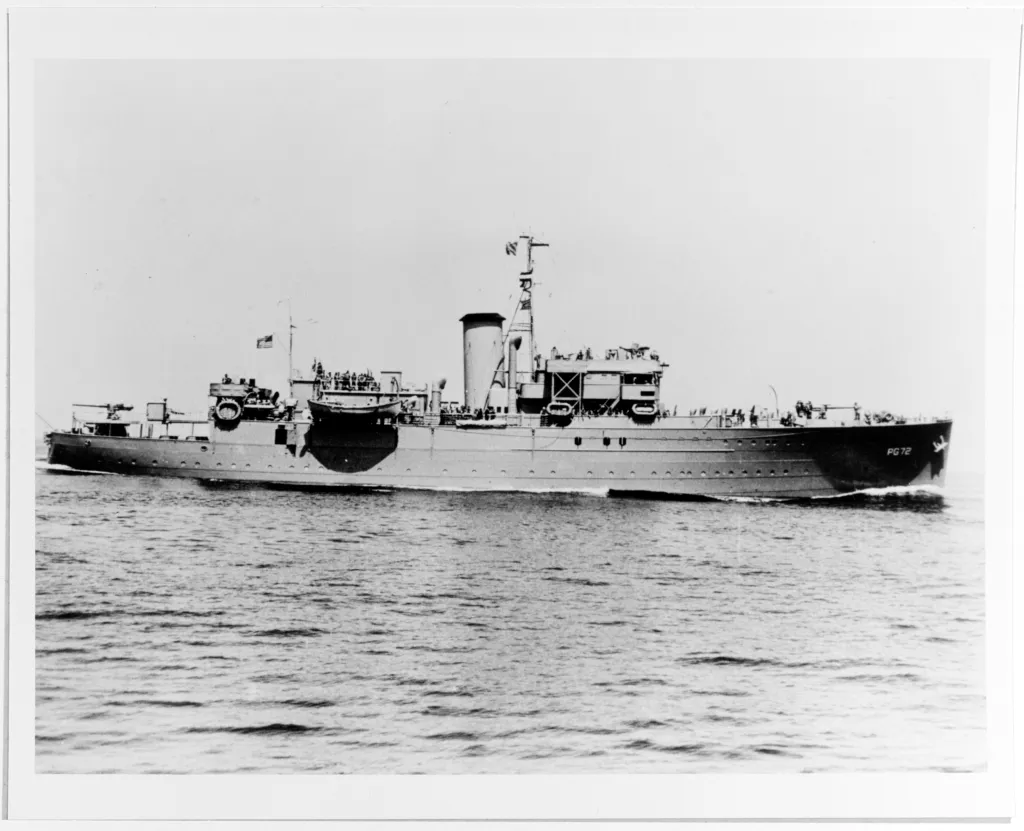
In 1938, Astor sailed his yacht Nourmahal to the Marshall Islands to monitor Japanese military activity. American naval officials, already worried by the ambitions of Imperial Japan, were eager to know whether the Japanese had established bases amid this mid-Pacific chain of islands and coral atolls.
Advertisement
On the eve of the voyage Astor wrote to the president, who shared his love of derring-do, “I don’t want to make you jealous, but aren’t you a bit envious of my trip?”
Astor, travelling under the ruse of a scientific exploratory expedition, got close enough to Japanese positions to intercept radio signals and determine that their principal base was on Eniwetok Atoll, with a secondary station on Bikini Atoll.
Had the United States already established an official espionage agency, Astor’s reconnaissance and reports by others like him — wealthy Americans whose business and travels abroad brought them into contact with the activities of foreign nations (most vitally Germany, during the first decades of by 20th century) — would not have been so valuable.
Advertisement
But the enduring contempt Americans felt for spying — regarded as the decadent and mendacious practice of the Old World — is the animating premise of Schlesinger’s book. And it’s this cultural disdain which explains why well-heeled amateurs ended up doing the job of government-salaried professionals for so long.
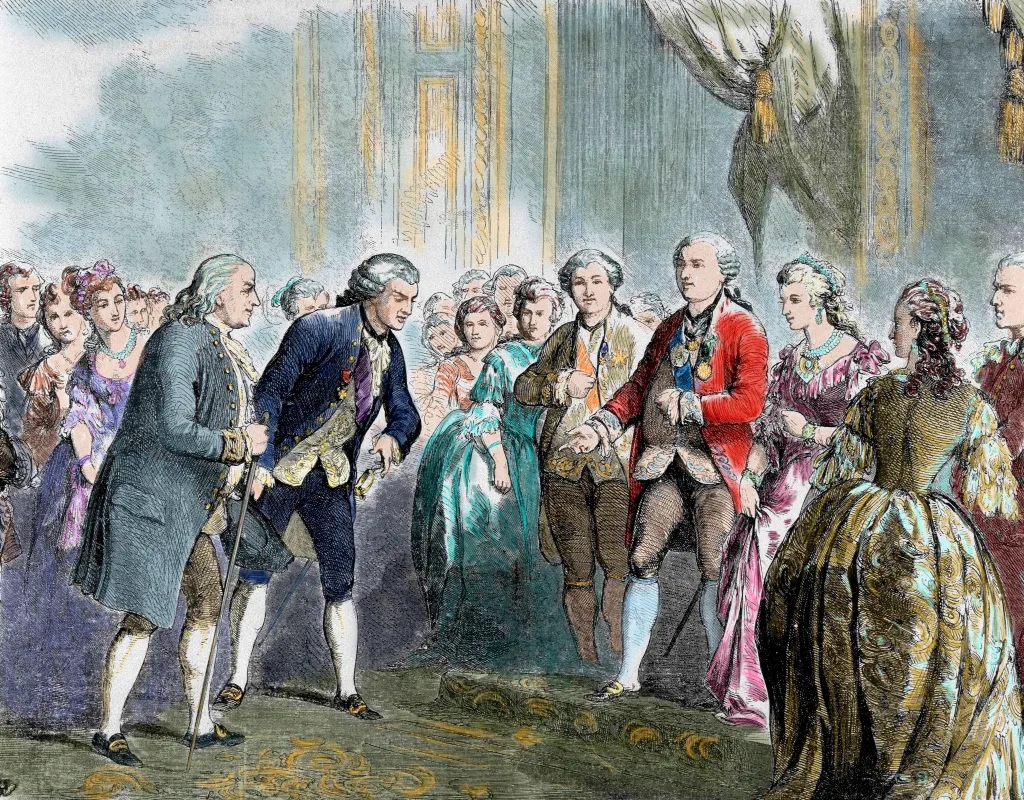
In the beginning things were different. George Washington and the other Founding Fathers could hardly afford to eschew deception and secrecy while up against the British, then the world’s best equipped and trained military force. Retreating to Valley Forge, Washington left behind in Philadelphia a ring of spies to monitor the enemy’s troop movements, check points, and supply chains. In Paris, Benjamin Franklin worked to sway French elite opinion by printing “an entire bogus newspaper purported to originate in Boston that detailed fictional atrocities sanctioned by the British,” Schlesinger writes.
But after the Revolutionary War was won, the United States committed itself to fair-dealing and plain-speaking in international relations.
Advertisement
“This was in harmony with that perennial American self-mythology that we are by nature straight-shooters like Gary Cooper in ‘High Noon,’ ” Schlesinger told The Post. The nation’s geographic isolation, across oceans from Europe and Asia, made it possible to adopt an anti-subterfuge stance in the 19th century.
The nation’s first security agency of any kind — the Office of Naval Intelligence — was founded in 1882 to collect information about foreign ship design and naval technology. In the run-up to World War I, the ONI expanded into counter-intelligence alongside the US Army’s Military Intelligence Division, which under the leadership Col. Ralph Van Deman began monitoring suspected spies, saboteurs and political radicals at home, as well as collecting military data before and after the US joined the fight against Germany.
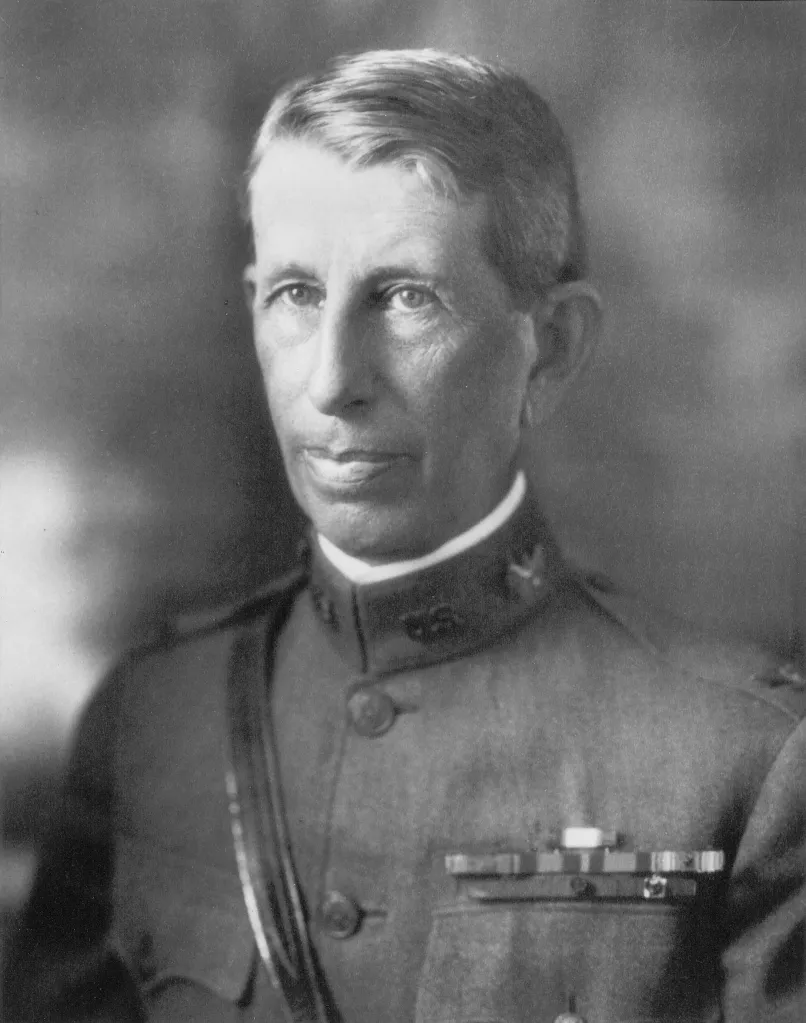
But after the 1918 armistice, traditional American suspicion of spying and government over-reach reasserted itself, and the two military intelligence units shrunk in size. Instead, during the inter-war years, The Room, a secretive Manhattan club of wealthy bluebloods established in 1927 by Vincent Astor and two sons of former president Theodore Roosevelt — Kermit and Theodore Roosevelt Jr. — improvised their own espionage operation.
Advertisement
“There was no need for the group’s members to don trench coats and lurk about in dark alleyways,” Schlesinger writes of The Room denizens. “A good many of had access to high-value intelligence in the course of daily business.”
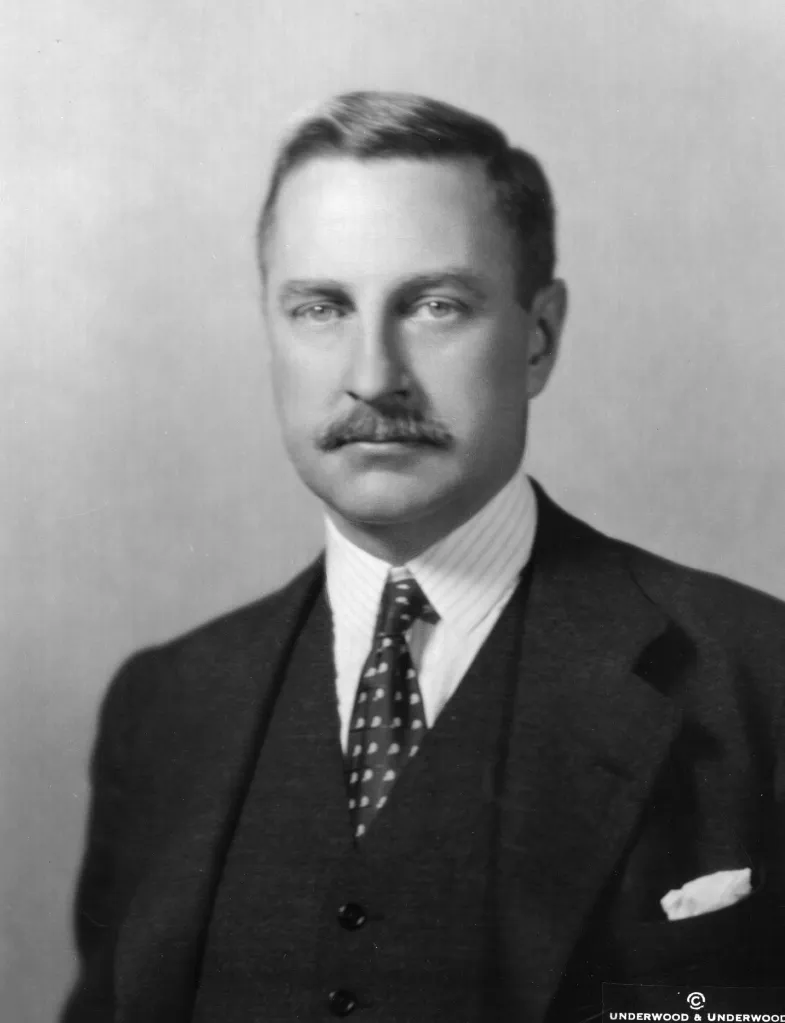
Winthrop W. Aldrich, chairman of Chase National Bank, for example, was able to monitor the flow of funds through foreign-owned bank accounts, including that of AMTORG, the Soviet Union’s trade organization, which was spending sometimes $2 million a week, much of it used, presumably, to promote the Soviet cause and spy on Americans.
Advertisement
As international tensions rose, FDR relied heavily on intelligence gathered by The Room members, most of whom were, like Astor, his personal friends. Meanwhile, Astor grew close to the head of British intelligence in North America, William Stephenson, allowing him to conduct his clandestine business at the St Regis, the luxury hotel Astor owned on East 55th Street in Manhattan. Members of high society, as Schlesinger points out, leaned pro-British long before the Nazi army marched into Poland.
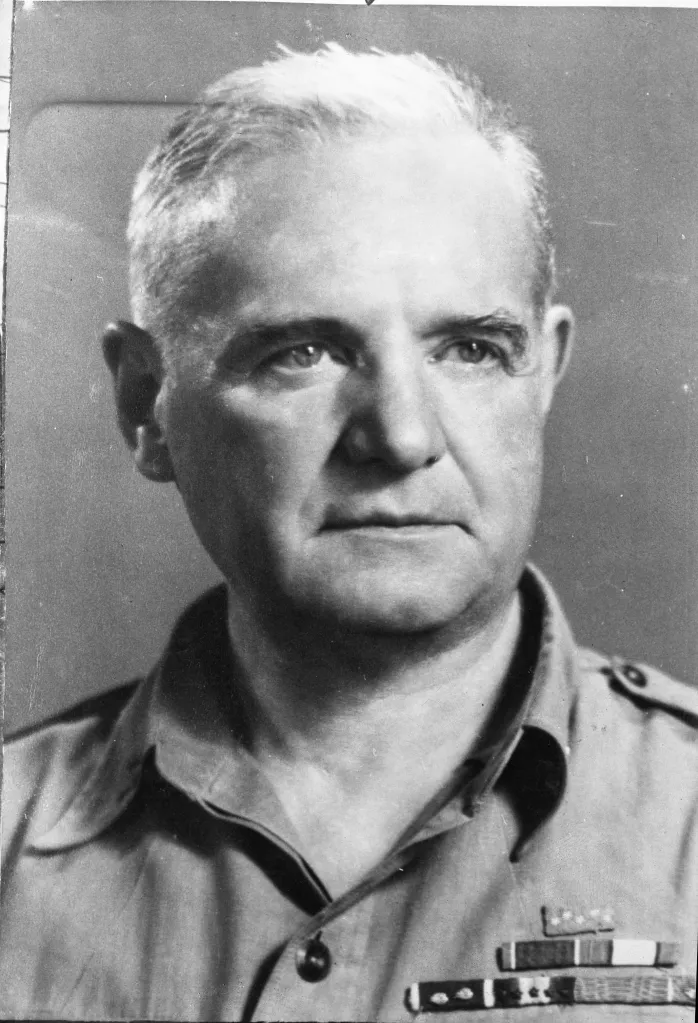
Once war broke out, FDR tapped William “Wild Bill” Donovan, a WWI veteran, prominent New York lawyer and member of The Room, to travel secretly to Europe to evaluate Allied strength, and to study MI6 and the SOE, both British espionage organizations, as possible models for a US spy agency. Donovan convinced the president to form a basic American intelligence service — called the Coordinator of Information — in July 1941. The staff of the COI initially numbered 13. The next year, with the country now at war with Germany and Japan, the COI morphed into the Office of Strategic Services with Donovan as its director. By late 1944, nearly 13,000 people worked at the OSS.
Advertisement
Because staff were often recruited from wealthy, elite, Ivy League circles, the OSS earned the nickname “Oh So Social.” Socialite Gertrude Sanford Legendre, native of South Carolina, graduate of the snooty Foxcroft School in Virginia, sister of a famous polo player, joined the OSS as a clerk, and was sent to liberated Paris in autumn 1944. On an ill-advised trip to the front lines, she and two OSS officers were pinned down by enemy sniper fire. Gertie, as she was known, then gained in Schlesinger’s words the “dubious distinction of becoming the first American woman in uniform captured in Germany.” After six months in a POW camp, she managed to escape to Switzerland.
Quick biographical sketches like this abound in “The Age of Amateurs.” Schlesinger admits he is more interested in amusing events and colorful personalities than the nitty gritty details of how Americans — slowly, reluctantly — came to recognize the need for a permanent peacetime intelligence agency. (The CIA was created by Congress in 1947.)
What strikes Schlesinger now is how “being a world leader wasn’t natural to the American project” but once the country stepped onto the world stage as a great power, monied amateur spies, however well-intentioned, couldn’t suffice. Sanctioned skullduggery had to be done by professionals, answering to the people’s representatives. And, really, what could be more American than that?
Advertisement
The post The secret club of Manhattan blue-bloods that ran a spy network for FDR appeared first on New York Post.