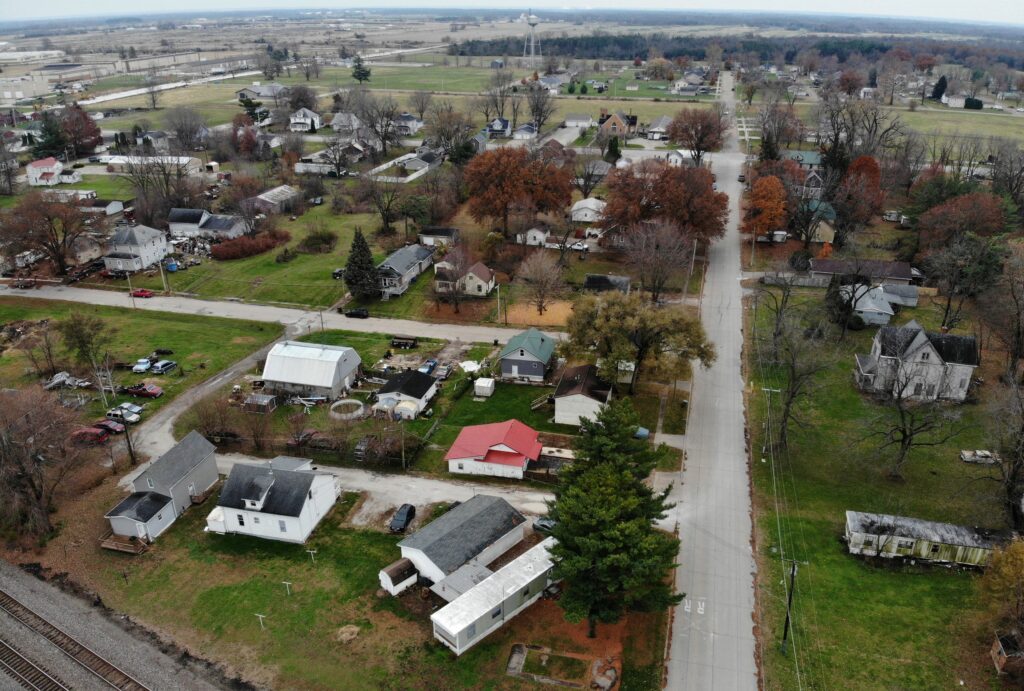
The Environmental Protection Agency says preliminary tests indicate the controlled detonation that took place in Middleton, Iowa, on Wednesday did not lead to an increase in lead levels in sources of drinking water in the surrounding area.
The Army detonated nearly 10,000 pounds of degrading lead explosives at the Iowa Army Ammunitions Plant, saying this was necessary because the stockpile of lead azide had become so unstable it feared it would spontaneously explode.
The operation was postponed several times amid a legal challenge and outcry from residents and local officials who feared the blast would create a plume of toxic lead dust.
The EPA said Saturday it “found no lead in the 38 water samples taken post-detonation at public water supplies, which included samples of finished treated drinking water and untreated water at the intake.”
It added that it had also monitored air quality for 30 consecutive hours after the detonation and detected no airborne lead.
The agency is still processing tap water, soil, dust and air samples, and says results will be posted online.
Activists in Iowa have said public pushback to the Army’s original proposal had made the explosion safer and more transparent, The Post reported.
The post Initial tests show no lead in drinking water near Iowa detonation site, EPA says appeared first on Washington Post.