
If you want to age well, pay attention to benchmarks that go beyond blood sugar and cholesterol.
“Yes, the numbers do matter,” said geriatrician Dr. Anita Chandra. But healthy aging is also “shaped by the habits, relationships and routines we build decades” before we get to 65.
These habits aren’t so easily measured by a simple test, though they each have outsized impacts on multiple areas of our health, from our bones and muscles to mind and heart.

Advertisement
Chandra, who co-hosts the podcast “Millennial Sandwich,” says these routines are important not just for her older patients, but something she makes a point to build into her own life, as well.
1. Strength
“Can you carry groceries? Get up from the floor? Climb stairs?” Chandra asks. “Strength predicts independence.” Strength not only protects you from injury, it’s also associated with reduced risk of diabetes, improved cognition, lower blood pressure, and a longer life.
Resistance or strength training has been shown not only to slow but actually reverse decline in muscle fibers associated with aging, even after age 70.
You don’t necessarily need a gym membership or fancy equipment to do this. As Chandra suggests, you can simply lift household items like groceries, or do bodyweight exercises like push-ups, use resistance bands, or do activities like gardening.
Advertisement
2. Balance
Balance requires three systems working together in harmony: your vision, muscles and bones, as well as the vestibular system in the inner ear. They all send their data to the brain to process and respond.
As you age (research suggests decline starts at age 50) any one or a combination of these systems can deteriorate, making it harder to stay active.
To combat this, do strength training but also incorporate little exercises in your daily life: try standing on one foot for a period of time, walking backward, or getting up from a chair without pushing on something with your arms.
Advertisement
3. Walking speed
“Your gait often raises a flag long before blood work does,” Chandra said.
Walking speed also requires a number of systems working well together — muscles, balance, joints. After age 50, research shows average walking speed starts decreasing.
Walking is great for your health, but walking a bit faster than normal is even better, as is walking uphill. But be sure to listen to your body and stop if you feel faint or experience pain.
4. Social connection
Chronic loneliness is associated with higher risks of stroke, shrunken brains and decline in memory.
Advertisement
To combat one of the most common reasons people become isolated — hearing loss — experts recommend simply getting a hearing aid. Schedule calls and meetings with friends and get involved with local classes, volunteer opportunities and other groups.
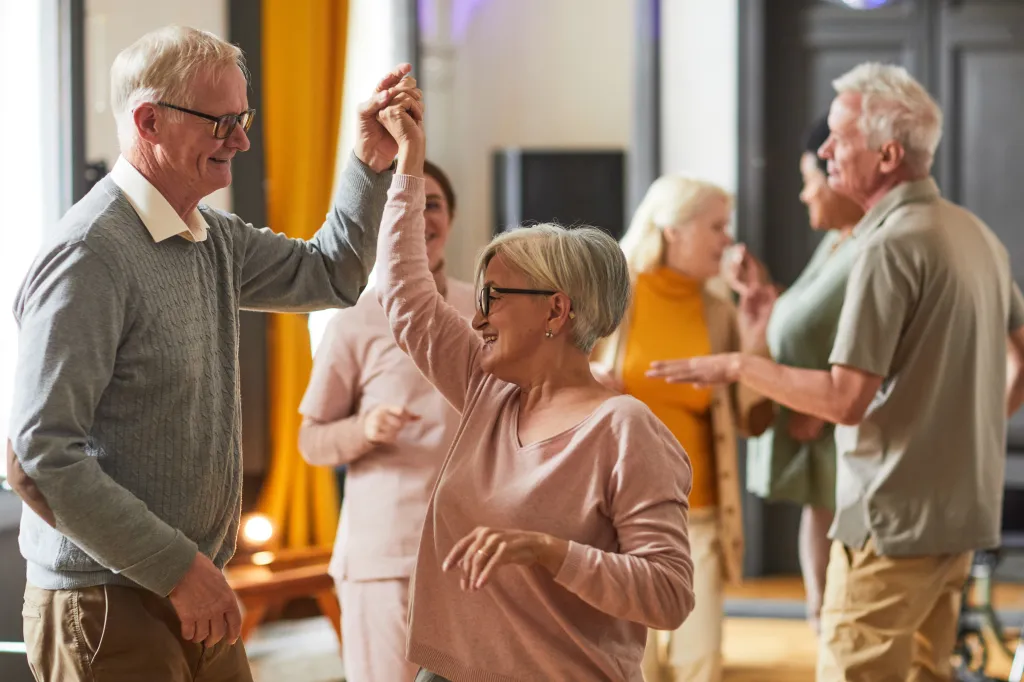
5. Purpose
Purpose in aging is defined by meaningful goals, direction, and contribution. With it, people are more resilient, able to self-regulate and have a positive outlook, which buffers against mental health challenges and protects cognitive health.
Experts recommend staying social and contributing to help others through volunteering, continuing to learn and create through hobbies or classes, and making a routine of activities like walking or gardening.
Advertisement
6. Hearing
More than one in three adults over 65 have trouble hearing, which doesn’t just affect their ability to keep conversation. “It can contribute to social withdrawal, communication problems, and increased cognitive load,” Chandra said.
Avoid loud noises and protect your ears with earplugs if they can’t be avoided. If you’re having hearing problems, talk with a doctor about getting hearing aids or other options to help you hear.

7. Sleep
As we get older, our sleep patterns shift — but chronic insomnia affecting daily life isn’t a normal part of aging. Talk to a doctor if this is the case: it could be a sign of another health condition, like sleep apnea or depression.
Advertisement
Give yourself the best chance of a good night of sleep by establishing pre-sleep rituals, avoiding smoking, exercising or drinking alcohol before bed, and avoiding light and stressful activities before sleep.
Napping during the day makes insomnia worse, making it harder to fall asleep at the right time.
8. Confidence
“Do you avoid certain activities because you’re afraid of something bad happening?” Chandra asks. “Fear changes behavior and actually increases risk of injury.”
Advertisement
Many older adults avoid activity because they’re afraid of falling or getting hurt. This causes a downward spiral, making their muscles stiffer and slower to move, causing loss of balance and muscles, increasing frailty and isolation.
The injury isn’t just to the body. By avoiding going out and interacting with others, social and cognitive benefits are lost as well.
9. Relationships
“Healthy aging happens in community,” said Chandra. She suggests keeping in mind who you can call for help if needed.
But not all relationships are beneficial ones. Difficult relationships can speed up aging by 1.5%. Another study showed that many people who are chronically lonely and at higher risk of dementia lived with a loved one, which shows that simply having people around isn’t enough to stop this condition.
Advertisement
10. Curiosity
“People who stay curious often stay engaged with life,” said Chandra.
Many systems in the body are “use it or lose it,” especially in the brain. Keep learning new things, like a language, instrument, or complex hobby and keep things fresh with new challenges to keep the brain strong.
The post I’m a geriatrician — 10 things that matter more for healthy aging than perfect bloodwork appeared first on New York Post.