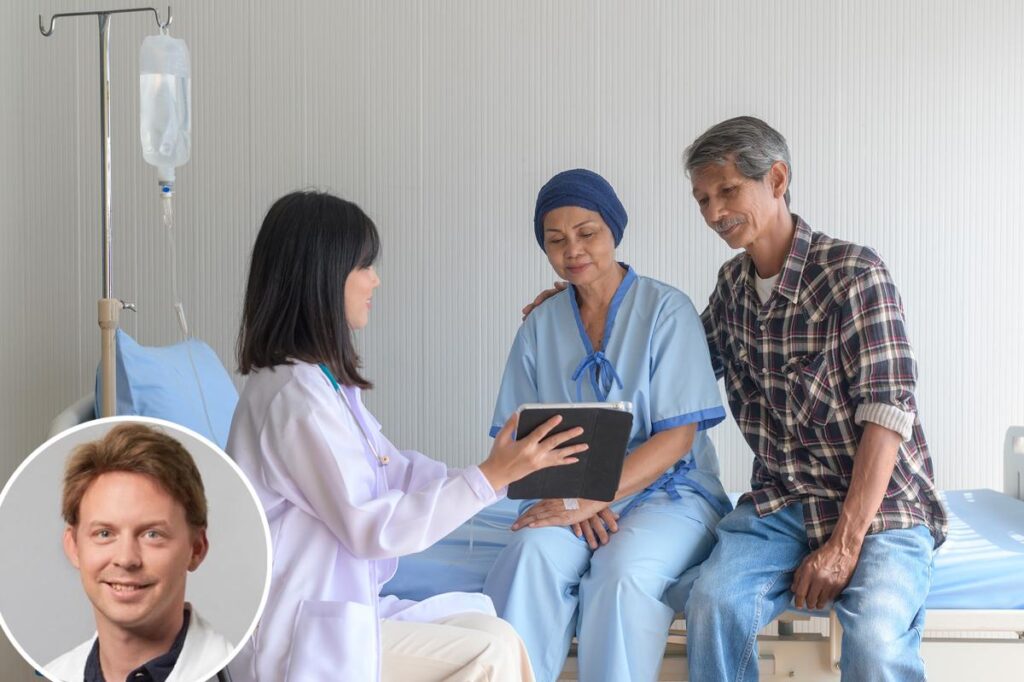
Few things are more frightening than learning someone you love has cancer.
When a loved one receives the news, finding the right treatment often becomes a top priority. But navigating the medical system and knowing how best to offer support can leave relatives feeling overwhelmed.
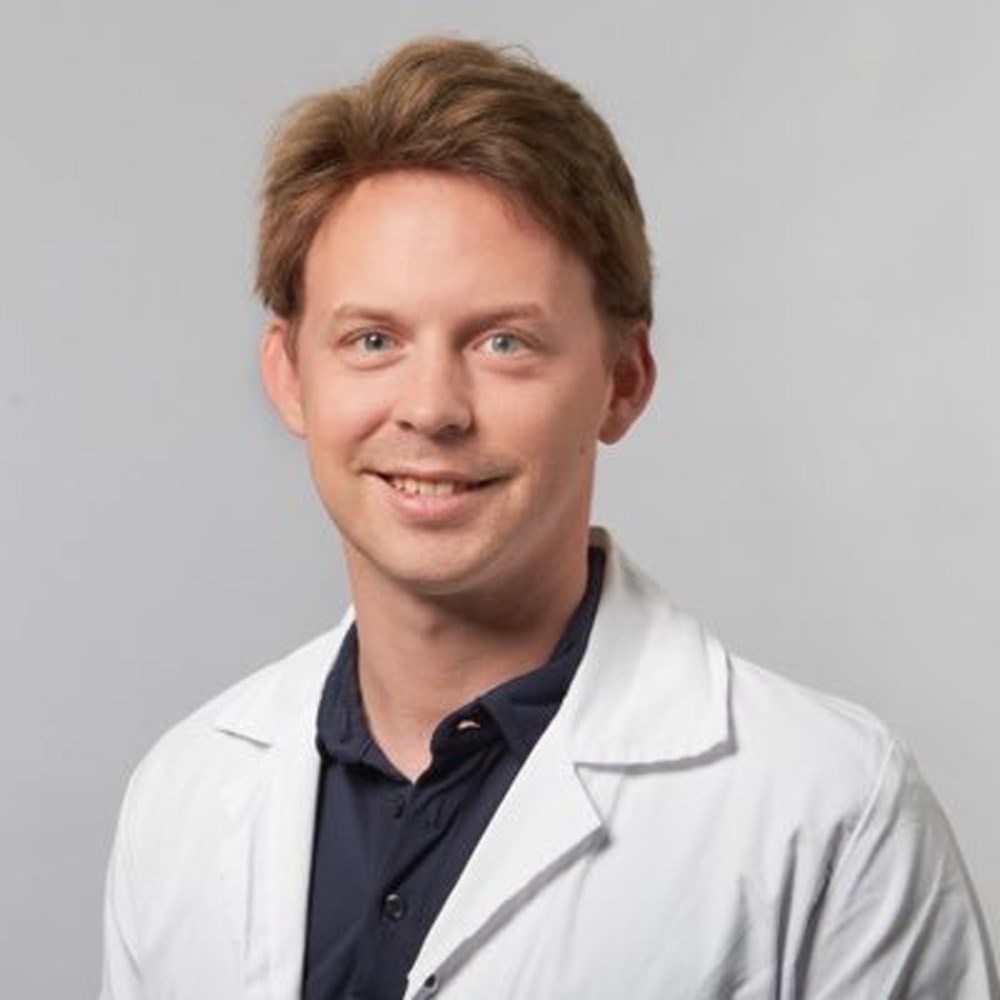
So what would a doctor do if cancer struck close to home? Dr. Yannick Buccella, a gastrointestinal and molecular oncologist, recently shared the five things he’d prioritize if someone close to him were diagnosed.
Advertisement
And no, he’s not talking about alternative medicine, miracle cures or some secret treatment reserved for doctors’ loved ones.
“It’s the same treatment everyone gets, but just run properly from the start,” Buccella wrote on X.
1. Get a second opinion on the pathology report
The first thing Buccella would do is have his loved one’s pathology report reviewed by another specialist.
Advertisement
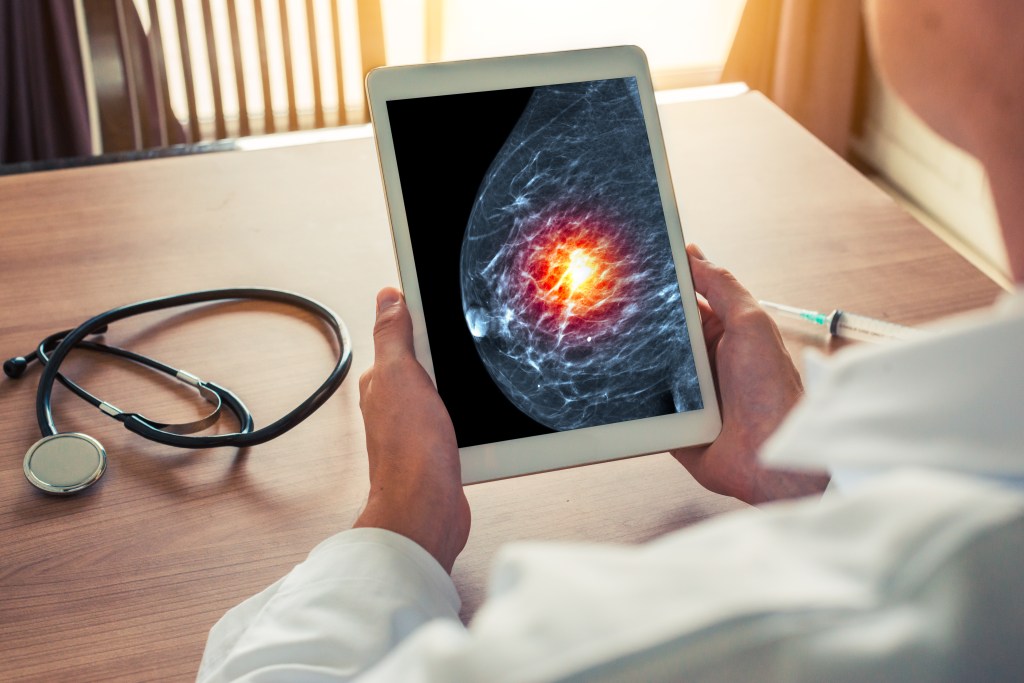
This medical document details what a pathologist sees when examining tissue, cells or bodily fluids under a microscope. Samples are typically collected during a biopsy, surgery or other medical procedure.
The report helps establish whether a growth is benign or cancerous and provides important details about the disease that doctors use to determine the best course of treatment.
Getting that initial assessment right, Buccella said, is crucial.
Advertisement
“[It’s] usually right, occasionally not, and everything from then on depends on it,” he wrote. “A second pathologist will agree in 9.5/10 times, but the one time where they don’t, it might be life changing.”
Studies have found that when cancer pathology reports are reviewed by specialists at major cancer centers, roughly 5% to 10% of cases have discrepancies that could affect a patient’s diagnosis or treatment.
2. Get the tumor genetically sequenced early
Next, Buccella would want his loved one’s tumor genetically sequenced as soon as possible.
Advertisement
“Not after three lines of treatment have failed, right at the start, while the information can still change what I’m given,” Buccella wrote. “This is the biggest gap between what’s possible and what most patients get.”
The test looks for changes in the DNA and RNA of cancer cells that may be fueling the disease. Knowing which mutations are present can help doctors find drugs designed to target them, potentially making treatment more effective.
The results can help doctors avoid treatments that are unlikely to work, saving patients from unnecessary side effects and delays.
In one study of more than 1,000 patients, researchers found genetic changes that could potentially be targeted with treatment in nearly 80% of participants. Of the 130 patients who received treatment based on their sequencing results, nearly 40% saw some clinical benefit.
Advertisement
3. Ask about clinical trials right away
Buccella would also ask about relevant clinical trials from day one.
These studies test experimental drugs, new treatment combinations, medical procedures and different ways of using existing therapies in people with cancer. For some patients, they can offer access to promising treatments that aren’t yet widely available.
But waiting too long to explore those options could mean missing out.
Advertisement
“Eligibility narrows every time you start something new,” Buccella explained. “The patients who end up in good trials asked early or had a forward-looking oncologist, the ones who ask at the end have usually ruled themselves out with getting all the treatment without even knowing that.”
There are a lot of potential opportunities to consider. More than 3,000 cancer studies were actively recruiting participants across the US as of Nov. 18, 2026, according to ClinicalTrials.gov.
4. Keep copies of every medical record
“Every scan report, every pathology result, every letter,” Buccella wrote. “Not out of distrust, because the system loses things and the person who notices is the one holding the file.”
Advertisement
It might seem like a small administrative task, but having all the paperwork in one place can make it easier to track a patient’s progress, seek second opinions and ensure important information doesn’t get lost between doctors or hospitals.
5. Bring someone to every appointment
Buccella would also make sure his loved one never went to a medical appointment alone.
Cancer appointments can be emotionally overwhelming, especially when doctors are explaining serious test results, discussing treatment options or delivering difficult information.
“You cannot listen properly to news about yourself, especially not if it’s life changing,” Buccella wrote. “You need a second memory in the room, if it is just for someone making notes.”
Advertisement
Research on cancer care has found that companions can provide emotional support, help patients process medical information and assist with treatment decisions during appointments.
They can also take notes, remember questions and help make sure important details don’t fall through the cracks.
The stakes are enormous. An estimated 2.1 million new cancer cases will be diagnosed across the US in 2026, excluding non-melanoma skin cancers, while more than 626,000 people are expected to die from the disease, according to the American Cancer Society.
Advertisement
And while no checklist can guarantee a better outcome, research has linked strong social support to better quality of life, mental health and, in some studies, treatment outcomes among cancer patients.
The post I’m an oncologist — here’s exactly what I’d do if someone in my family was diagnosed with cancer appeared first on New York Post.