
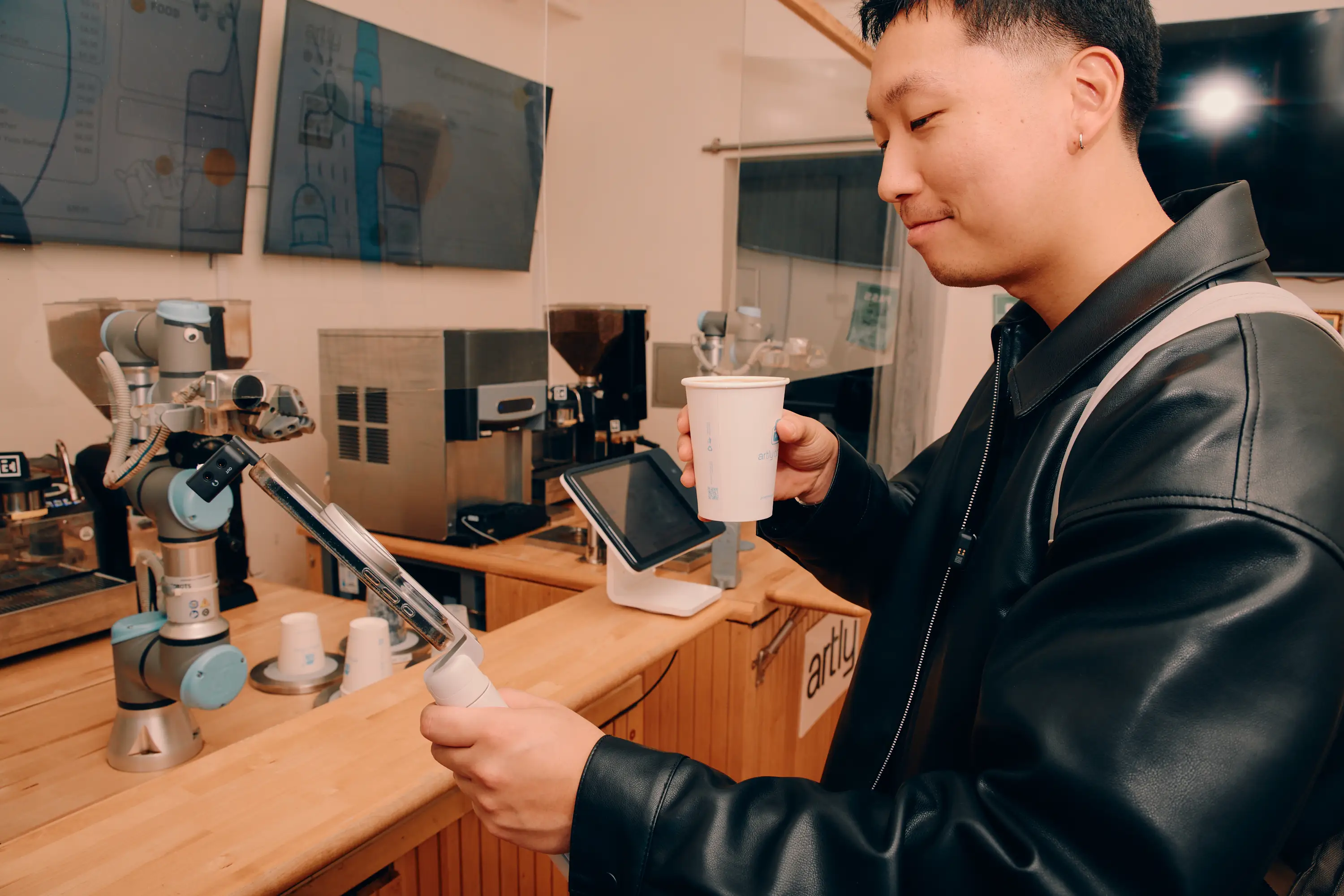
The robots are slowly taking over San Francisco. They’re on our roads, our gyms, our coffee shops.
Not all of them are useful, however. At least not yet.
I spent 12 hours seeking out every robot service I could find that’s publicly available. Some provided real utility and shocked me at how competitive their costs were compared to their human-driven counterparts. Others clearly needed to work out their kinks.
My ranking is qualitative and listed in order from worst to best. I considered how useful the robots were, how easy they were to use, how much automation is involved, and how much they cost for the consumer.
Here’s how I rank the robots.
Tau Robotics’ humanoids
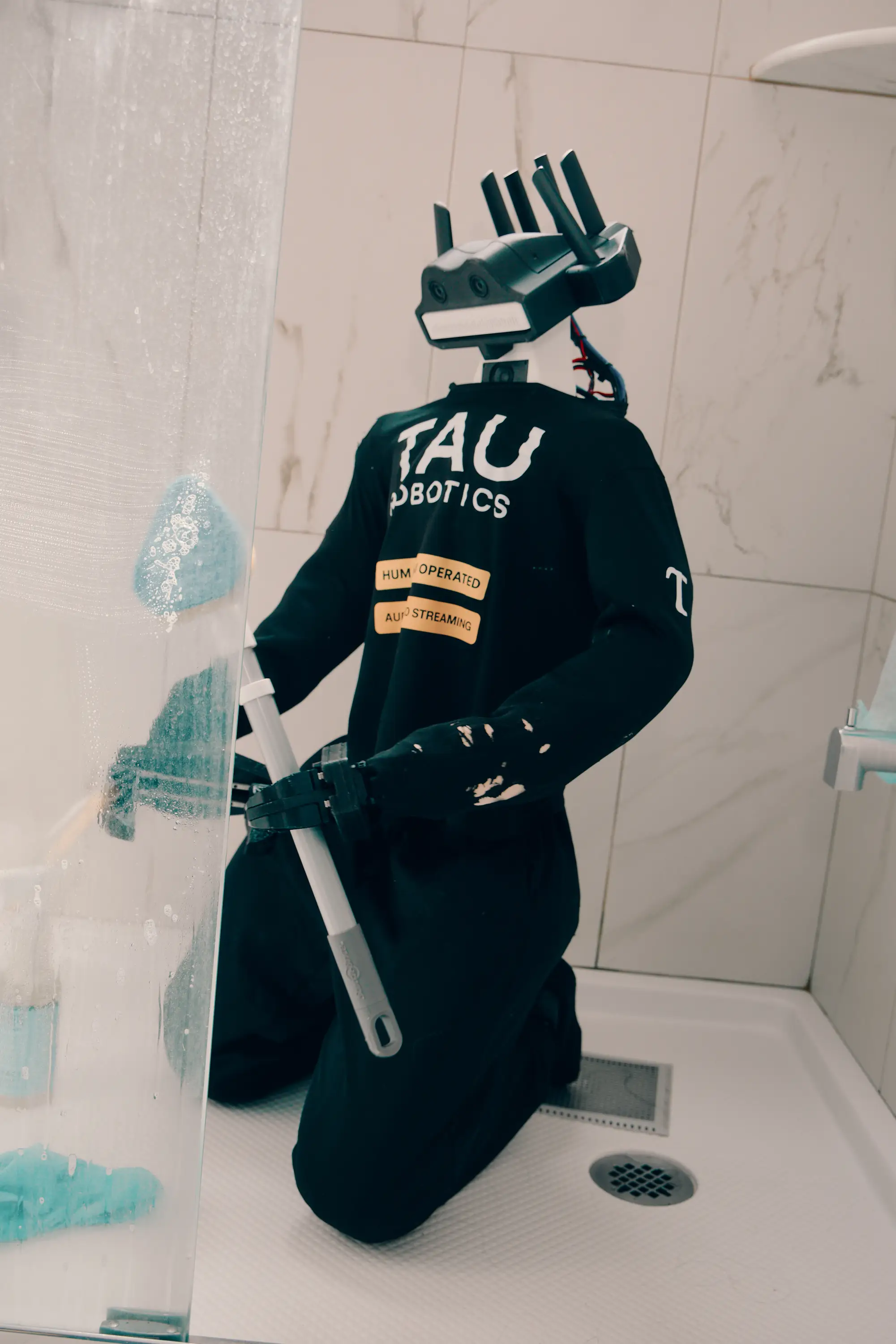
Humanoids remain one of the more challenging technical problems for the robotics industry, and my experience with Tau Robotics’ humanoid cleaning service underscored that.
For $30 an hour, a human employee from Tau Robotics will bring over two humanoids, which vacuum and mop the floors, clean the toilets, wipe down surfaces, and dust.
Cheap, for sure, but not very effective. They left the house in worse condition than it started, knocking over the trash can and a large mirror. In a few cases, the robots simply shut down.
They’re also mostly teleoperated, meaning they’re controlled by a remote human employee — all part of the training process, as the robots continue to gather data.
For now, the humanoids need a lot of work.
Ohlso’s robot kitchen
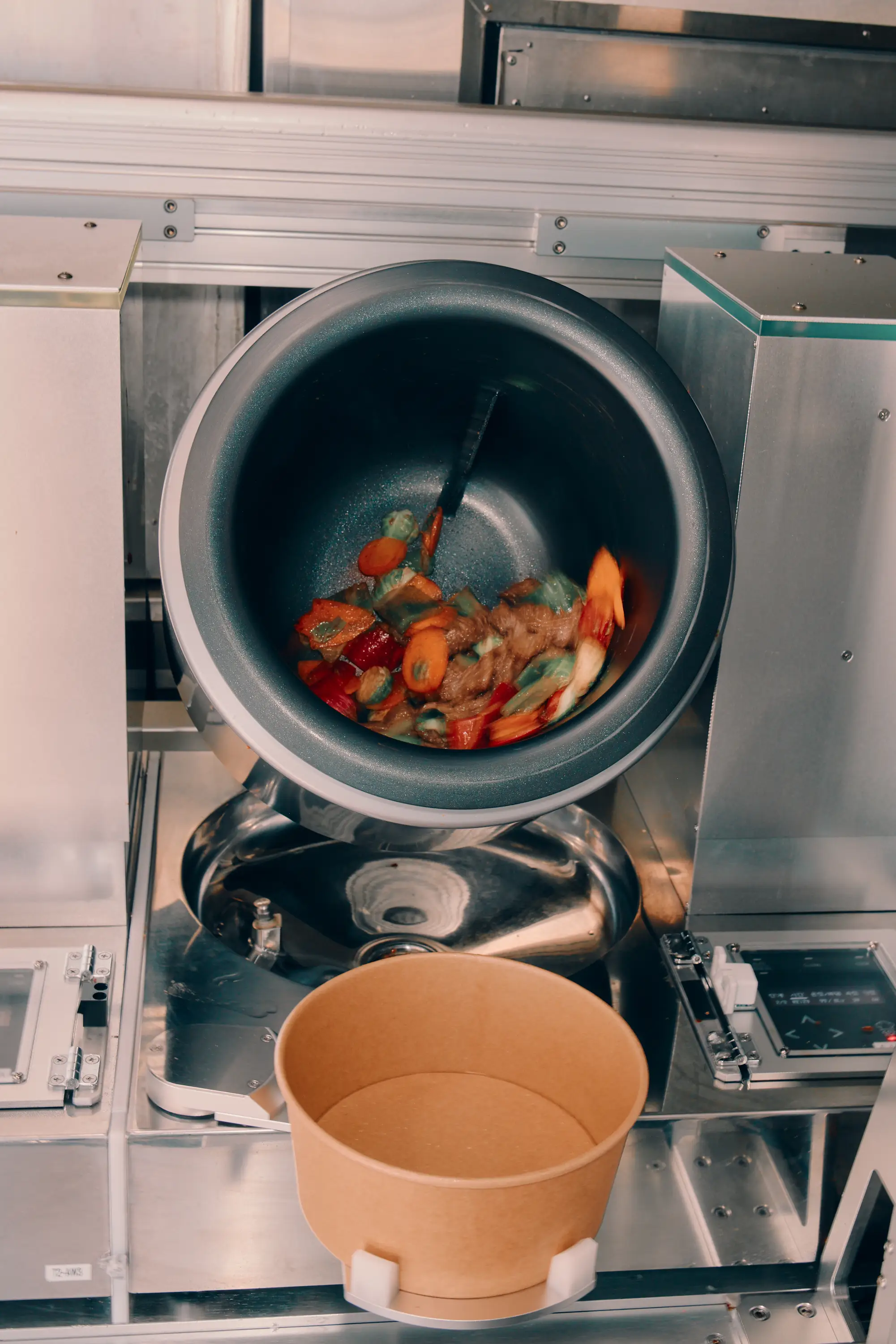
Ohlso is a Korean food truck trying to solve the problem of cold-delivered food with a “cook-en-route” concept, in which a robot preps the meal as the truck heads to the delivery destination.
Humans are still involved in the food prep process, such as marinating the meat or vegetables, before the ingredients are loaded onto the truck. From there, the robots cook up the food.
A human also drives the truck and packs up the meals. It’s a neat enough idea, but I don’t know how well it works in action because the truck was parked the day I tried it.
It’s hard to see whether the customer sees any cost savings from having robots instead of a human chef. I got a small serving of braised beef short ribs and a lot of rice for about $17. The meat was cooked through and tasted fine.
Aescape’s robot masseuse
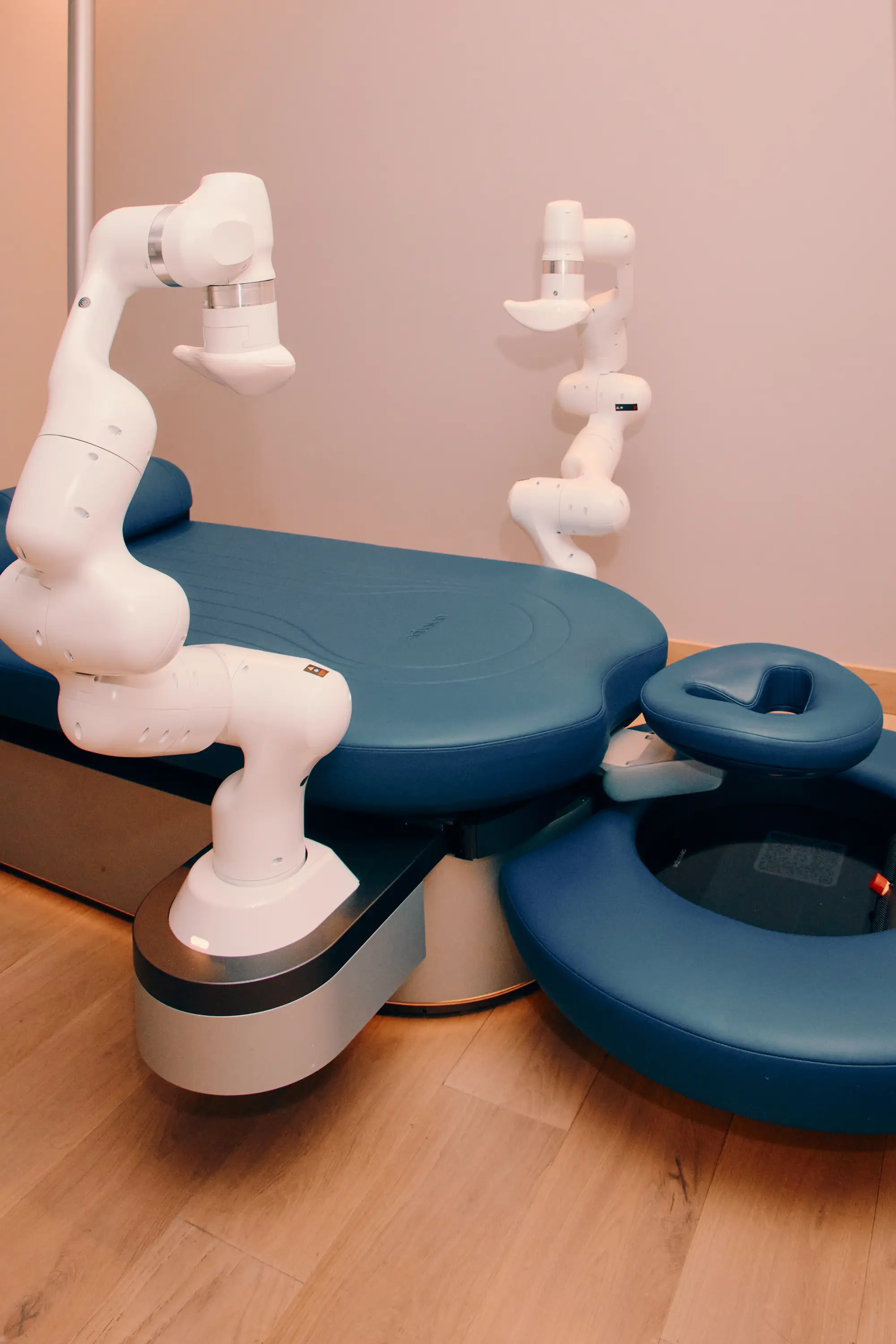
A company called Aescape wants to make massage sessions more accessible and less awkward, and I think it succeeds.
You book an appointment online, and then you get a massage by a pair of mechanical arms in the comfort of a private room. A 30-minute session costs $60.
That’s a decent cost proposition, considering a private massage by a human can run you well over $100. And for the introverts, that could also be attractive.
The thing is, the robots need to feel good. I thought the arms applied a good amount of pressure to the body and the heated hands were a nice touch. I just wished I could control exactly where on my body the arms hit.
UBTech’s robot waiter
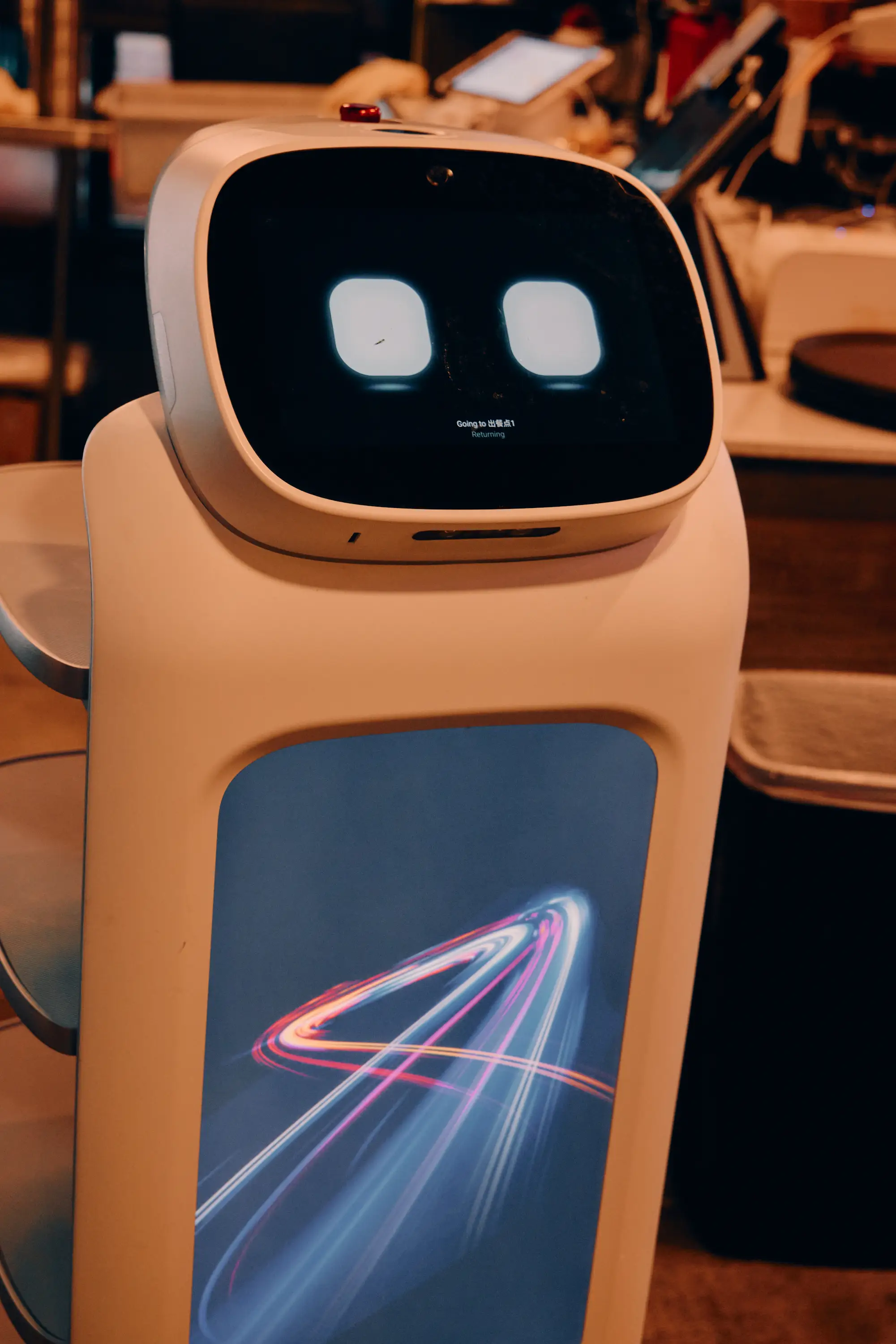
Sometimes simple is better.
Hikari Sushi & Bar deploys one robot — UBTech’s guest service bot, Cadebot — to help the kitchen deliver larger menu items to tables.
That’s it. That’s its sole purpose.
The robot wheels over to the table, as it plays a little jingle, delivers the food, and leaves. At least the way Hikari configured it, the robot does not interact with the customer. And honestly, that’s fine with me.
Artly’s barista bots
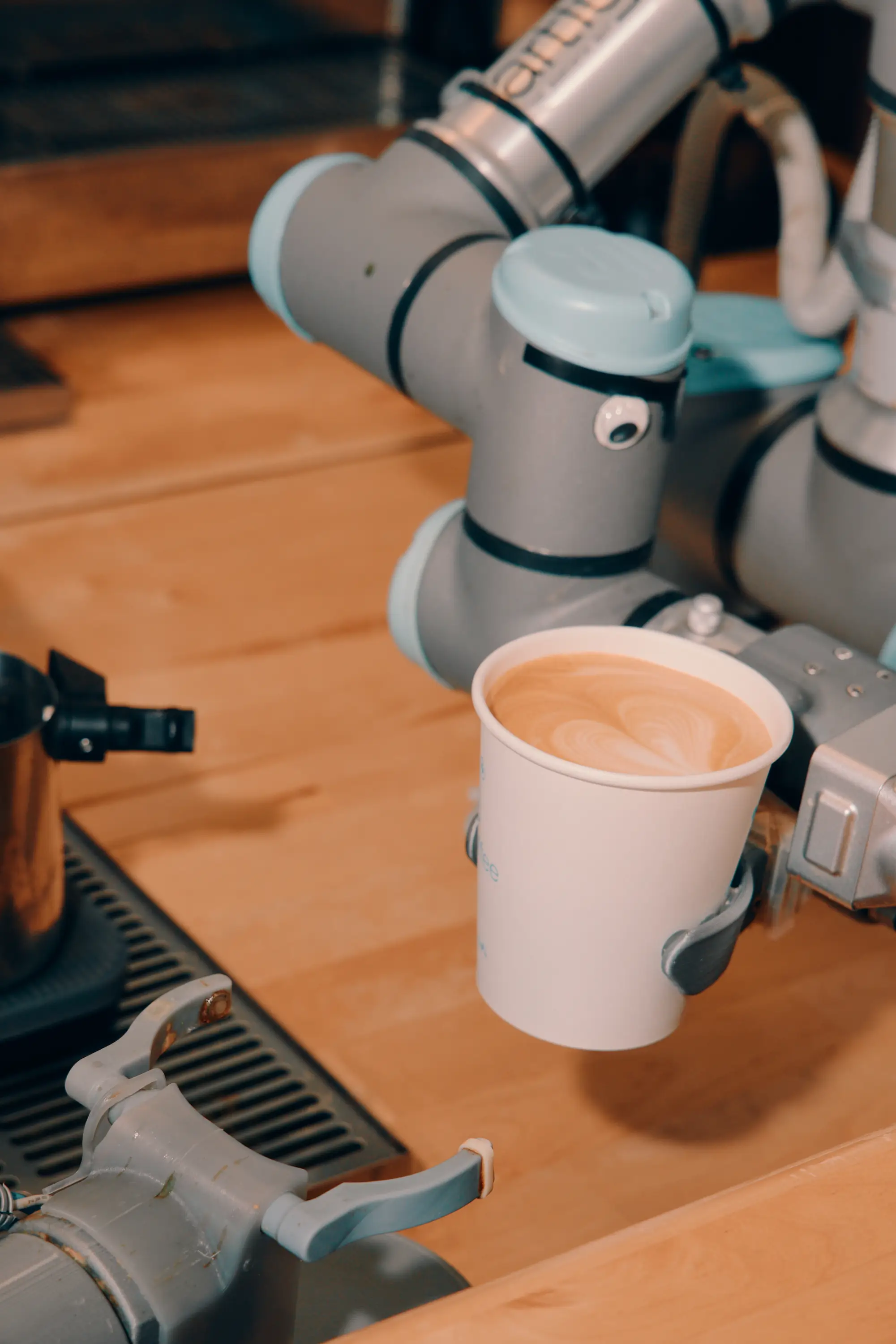
The coffee at Artly cafe at Pier 30 wasn’t notable, but the barista bots do draw latte art in the shape of a rose or a heart better than most of us ever will.
My cappuccino was $6.79 — a little disappointing, since a similar-quality drink at Starbucks would run me under $5.
Part of the premise of robot labor should be that services are cheaper, right? At least with Artly, there was less pressure to tip.
Matic Robot’s vacuum
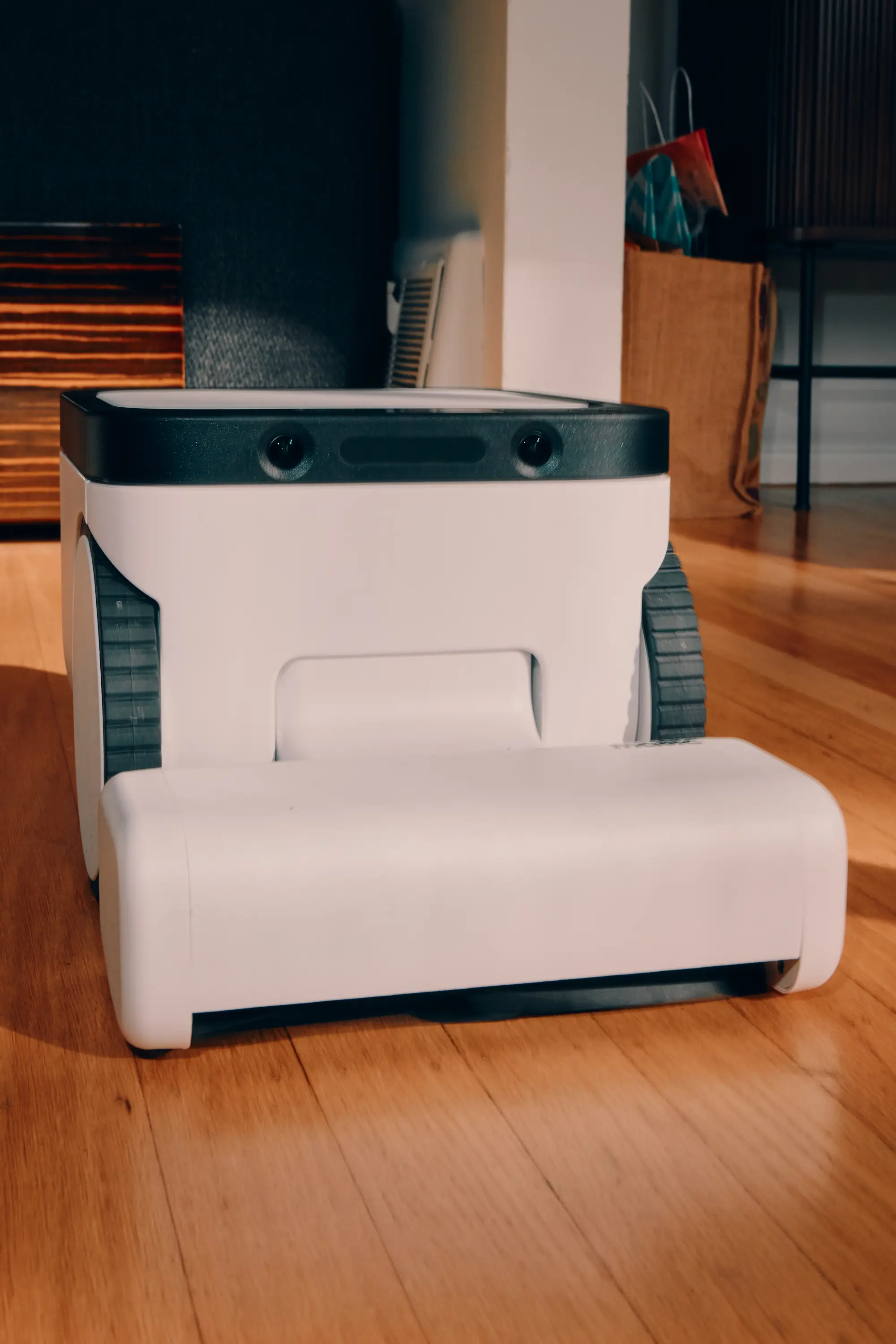
Matic’s robot vacuum is a friendly little home helper. It stands about eight inches tall and is much quieter than a typical manual vacuum.
The company appears to have thought about the user experience with Apple-like precision from the moment you unbox the machine, making it easy to learn how to use.
After the robot does a 3D scan of your home, it’s mostly hands-off from there, aside from replacing the vacuum bag or refilling the water tank. It also functions as a mop. The app allows you to schedule cleanups and choose which rooms to vacuum.
It doesn’t replace manual cleaning. The Matic isn’t always strong enough to pick up every stain, and the robot’s shape can pose a barrier in some trickier crevices and corners of the home.
It’s also a pricey piece of homeware: $1,500. A top-line vacuum that’s much stronger could run you $500.
Waymo’s robotaxis
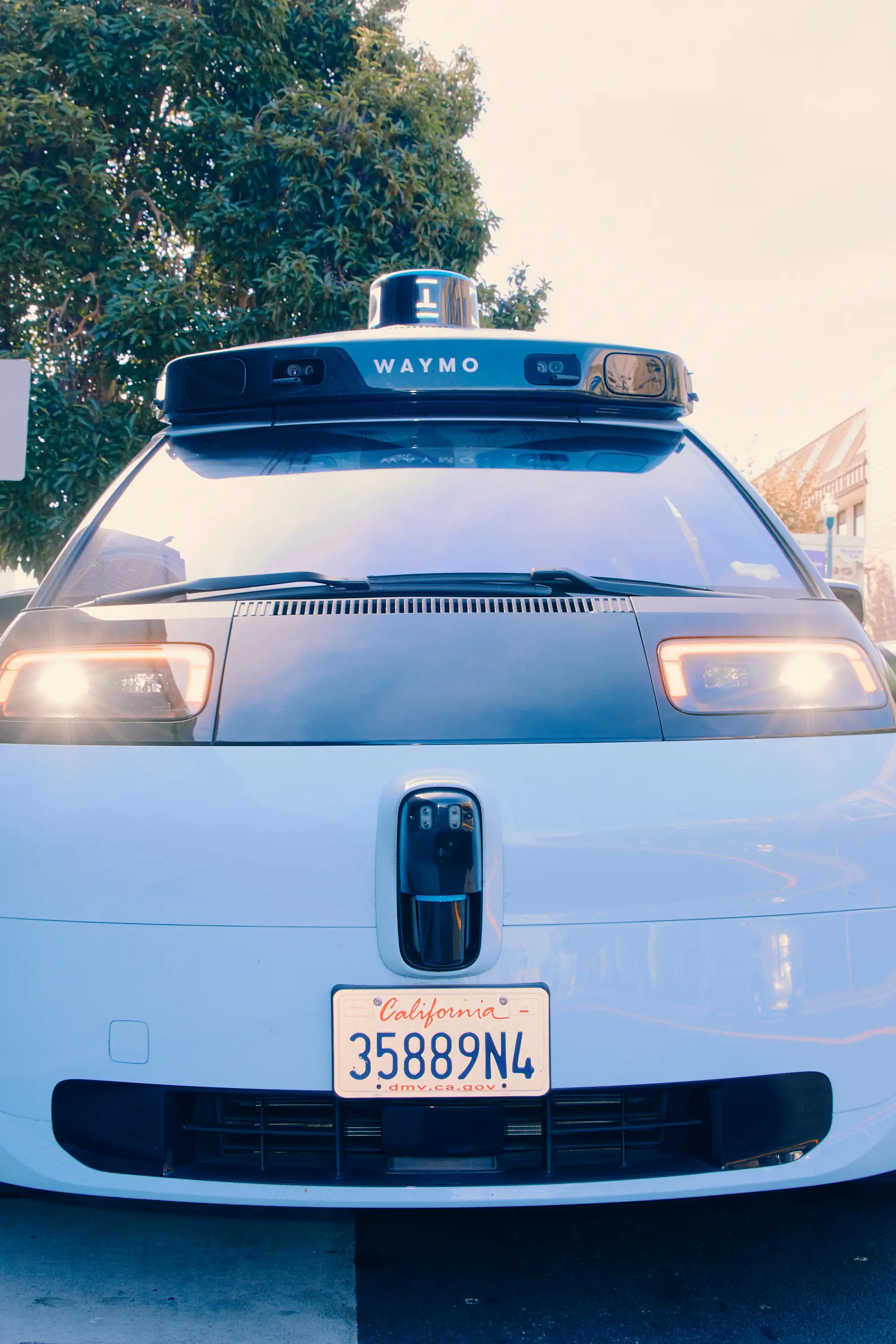
I solely relied on Waymo’s driverless ride-hailing service to get to my destinations. And the fact that I was able to rely on it gives Waymo the top spot.
Hailing a Waymo is as simple as hailing any ride-hailing service: You open an app and set a destination. And, to my surprise, most rides were cheaper than Uber. I hailed seven rides and spent $124.69 in total, for an average price of $17.81 per ride.
The autonomous driver isn’t perfect. There were moments during my ride when the robotaxi felt stiff or jerked, as if it were tapping the brakes. Overall, I did get to all my destinations safely.
Read the original article on Business Insider
The post I spent a day only using robot services. Here’s how I’d rank them. appeared first on Business Insider.