You don’t have to be a baseball fan to appreciate the irony of some of America’s wealthiest capitalists seeking protection from capitalism.
But if you’re a Dodgers fan, you have a particular reason to pay attention.
Major League Baseball’s owners are expected to lock out their players when their labor agreement expires next week, potentially jeopardizing the 2027 season. They’re insisting on a salary cap.
Advertisement
The Dodgers have become the villains in this debate because their owners spend a lot of money trying to put the best possible team on the field. Since when is that a bad thing?
As California Post columnist Dylan Hernandez points out, the prospect of a salary cap may already be putting an end to the Dodgers’ aggressive spending.
Imagine the owners of competing restaurant chains getting together and agreeing to limit how much each could spend hiring chefs.
Advertisement
Download The California Post App, follow us on social, and subscribe to our newsletters
California Post News: Facebook, Instagram, TikTok, X, YouTube, WhatsApp, LinkedIn California Post Sports Facebook, Instagram, TikTok, YouTube, X California Post Opinion California Post Newsletters: Sign up here! California Post App: Download here! Home delivery: Sign up here!Page Six Hollywood: Sign up here!
The restaurant owners might love that arrangement. I doubt the chefs would.
The owners haven’t exactly helped their own case this week. My friend Molly Knight, an outstanding baseball writer, highlighted the absurdity in her newsletter, The Long Game.
Since Sunday, baseball teams have committed roughly $1 billion to free agents — just days before an expected lockout.
Advertisement
The Mets alone agreed to pay former Dodgers pitcher Tarik Skubal $450 million over nine years. The Cubs committed another $240 million to two players. Even the Orioles, Reds and White Sox were opening their checkbooks. Nobody held a gun to anyone’s head.
“If these guys are so into socialism all of a sudden, maybe they can share their profits with the fans who pay to keep the lights on?” Knight wrote.
Before we start passing the collection plate for baseball’s owners, consider what their franchises are worth.
Advertisement
According to Forbes, the average major league franchise is now worth $2.9 billion, up 12% in a single year. Even baseball’s least valuable franchise, the Miami Marlins, is worth an estimated $1.5 billion.
The Dodgers went through bankruptcy proceedings in 2011. Today, they’re worth an estimated $7.8 billion and generated an estimated $850 million in revenue last year.
That doesn’t mean every team turns an operating profit. But owning a baseball franchise has been a pretty good investment.
Advertisement
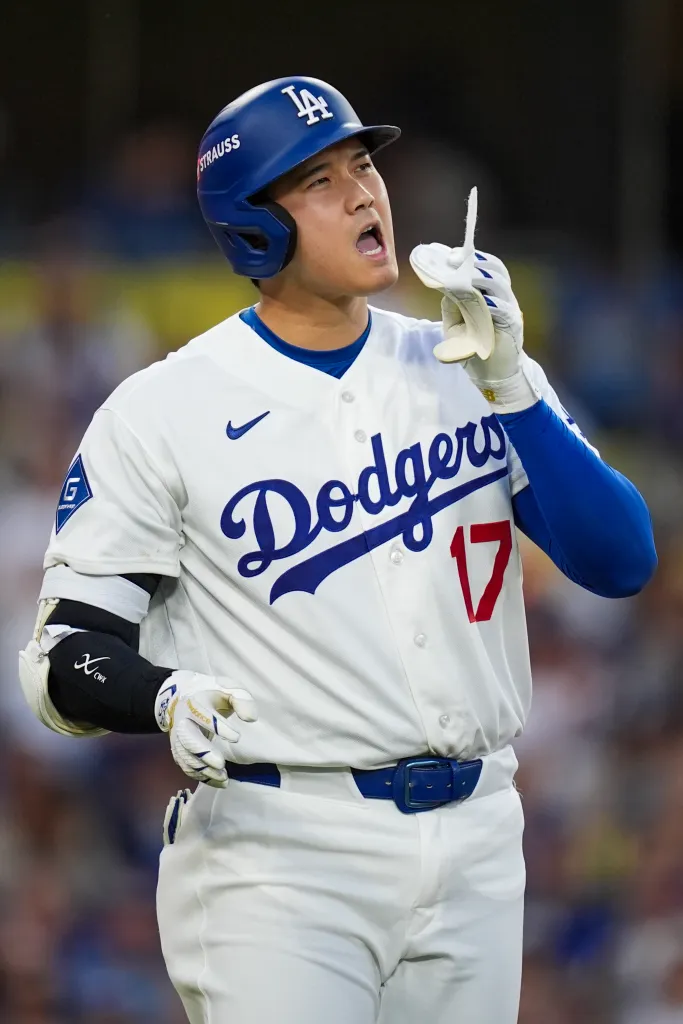
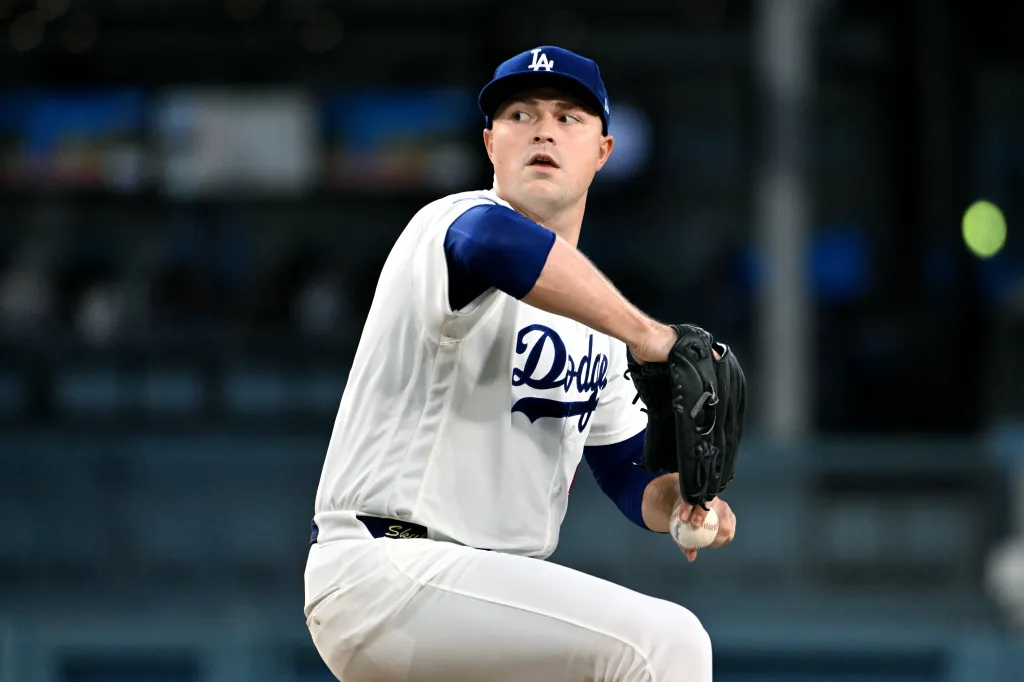
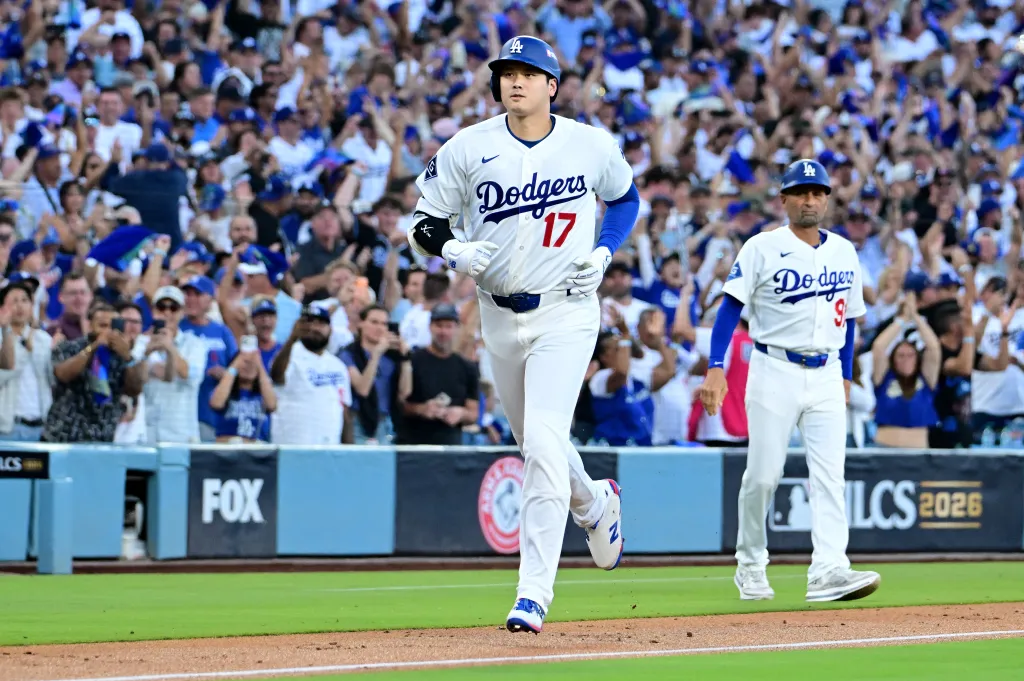
The Dodgers didn’t guarantee Shohei Ohtani $700 million, most of it deferred, out of the goodness of their hearts. They made a business decision. Between ticket sales, merchandise, sponsorships and an enormous following in Japan, it looks like a pretty good one.
And when a franchise appreciates by hundreds of millions of dollars, who pockets that money when it’s sold? It certainly isn’t the shortstop.
The owners’ principal argument for a salary cap is competitive balance. Smaller-market teams, they argue, have difficulty competing against the likes of the Dodgers, Mets and Yankees.
Did anybody watch the World Series last month?
Advertisement
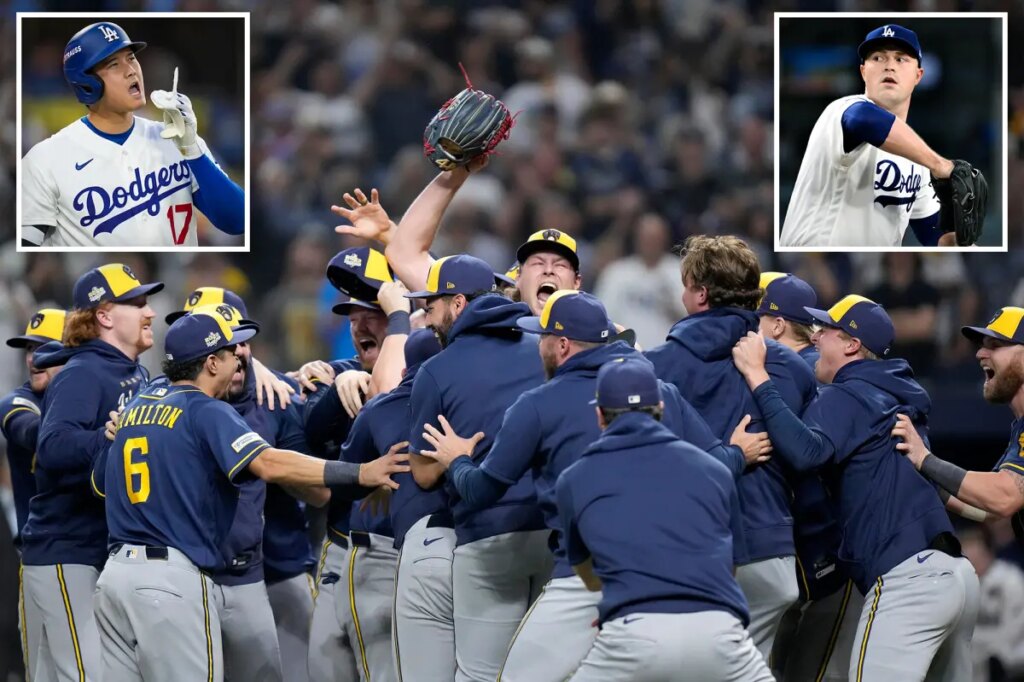
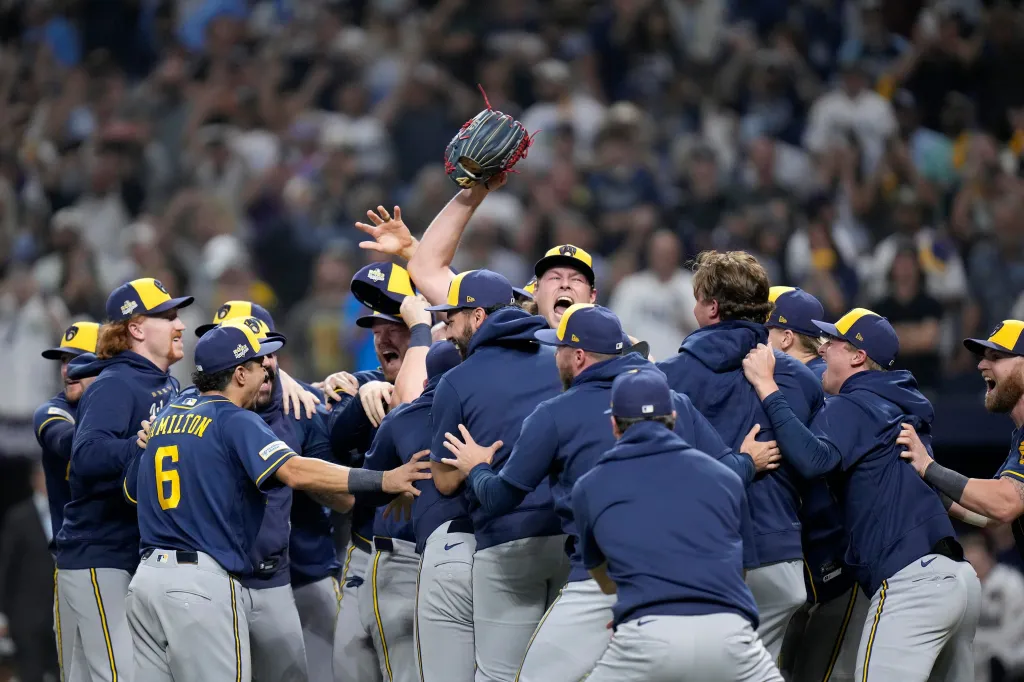
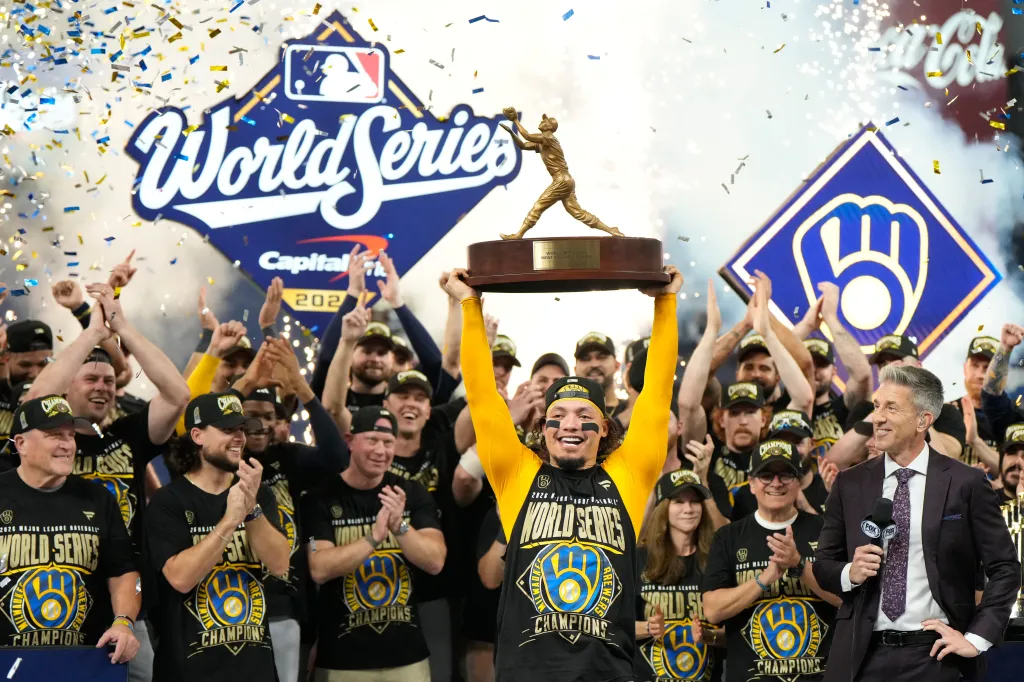
The Milwaukee Brewers, playing in baseball’s smallest market, swept the Dodgers in the National League Championship Series before defeating the Tampa Bay Rays to win the championship. Neither team was even among baseball’s 15 biggest spenders on player salaries. It was the first such World Series matchup since 1991.
Money obviously gives teams an advantage. But spending it wisely matters, too, as Mets fans can attest. So do scouting, player development and good management.
The owners are proposing a $258.2 million payroll ceiling and a $180.2 million payroll floor beginning in 2028.
Advertisement
Based on this year’s payroll, the Dodgers would have to cut $174 million. Meanwhile, 12 teams would have to increase spending to meet the proposed floor.
Baseball already has revenue sharing and a luxury tax. If the problem is that some owners aren’t spending enough on their teams, why is the solution to stop other owners from spending more?
I’m not generally in the habit of siding with labor unions. But being pro-business and being pro-free market are two very different things.
A salary cap would give baseball’s owners something most business owners would salivate over: an industrywide ceiling on what they can spend on players.
Advertisement
Every other major pro league has a salary cap. Those leagues made their own deals, and their players signed on. Baseball’s players have said they won’t, and I agree with them. If the owners want more sharing, they can have it and still let the market set what players earn.
If Mets owner Steve Cohen’s $450 million bet on Skubal turns out to be a colossal mistake, that’s his problem. That’s how capitalism works.
Advertisement
I have no problem with people making billions of dollars owning baseball teams.
Apparently, some of them have a problem with people making millions playing baseball.
Jon Fleischman, a longtime strategist in California politics and a lifelong Dodgers fan, writes at SoDoesItMatter.com.
The post An ugly truth about billionaires is laid bare by MLB pay dispute appeared first on New York Post.