The strangest of cravings hit me when I was living in Tokyo in the fall of 2021: I wanted a heaping plate of buttery stuffing, green beans and sweet potato casserole topped with marshmallows.
Chalk it up to homesickness in the middle of the pandemic. I resolved to make Thanksgiving dinner from scratch for a dozen Japanese, Singaporean and Filipino friends who had never known the savory and sweet delight of roasted turkey with cranberry sauce.
But Japan was experiencing a poultry shortage, and Tokyo apartments are rarely equipped with large ovens. And after all the cooking was done, would my friends actually eat marshmallows as a side dish?
Anyone cooking a Thanksgiving spread this week can attest to the meal’s challenging logistics. Many American expatriates face additional hurdles.
First: Find a turkey, or an alternate bird, in countries that do not celebrate the holiday.
Cindy Kang, who owns a restaurant in Pyeongtaek, South Korea, buys her turkeys from a store outside a nearby U.S. Army base. This year, she plans to serve the birds slow-roasted — with cranberry chutney and Savannah white gravy — for about 50 young service members living in the barracks, free of charge.
“A lot of the soldiers are young kids, and they get homesick,” said Ms. Kang, who grew up in California. “I want to be able to offer them a home-cooked meal.”
In Galway, Ireland, demand from American expatriates and college students who host Friendsgiving dinners was keeping the butcher Paul Hickey busy this week. He said he was filling dozens of turkey orders.
But Ireland’s poultry pipeline is built for Christmas, when turkey is the protein of choice. Mr. Hickey said he had tried to persuade American customers that turkey crown — the bone-in breast without legs and wings — was a better option than a whole bird.
Sometimes the challenge is not supply but transport.
Greg Lange, an American businessman in Bangkok, said he started his Thanksgiving meal delivery service in 2007 to make the holiday easier on customers.
He sent me a video of turkeys roaming on a farm in western Thailand, where he secured birds for more than 100 Thanksgiving dinners. On Thursday afternoon, his fleet of motorcycle drivers — one hitting the road every three minutes or so — will weave through heavy traffic in Bangkok to deliver large cardboard boxes holding cooked turkeys, sauces and sides.
“Tomorrow will be the big test,” he told me over the phone on Wednesday.
Finding a bird is only one challenge for overseas Thanksgiving hosts. For some, the hardest part is convincing guests to appreciate the food.
“Why would you do this?” asked my British friend Rose when I served marshmallows on mashed sweet potatoes at a Thanksgiving dinner in Bangkok in 2023.
Well, why not?
Marques Hardin, an art dealer from Alabama who lives in Paris, said his Friendsgiving menu strayed from tradition by including foie gras and wine alongside turkey and mac and cheese. It’s an effort to appease his French guests, and it works.
“They really love it,” he said. “They love the idea of it, too. It’s like a celebration of friendship and meeting new people.”
Alexandria Audrey, a chef from New Orleans who lives in Prague, said she had learned to tweak her Thanksgiving menu for European palates by reducing the amount of sugar in her recipes. This year, she invited more than a dozen friends — including Czechs, Slovaks and Americans — to her fourth Friendsgiving.
“It’s cold and gray here right now, so this is a way to get people to come out and do something new instead of being in pubs and bars,” she said.
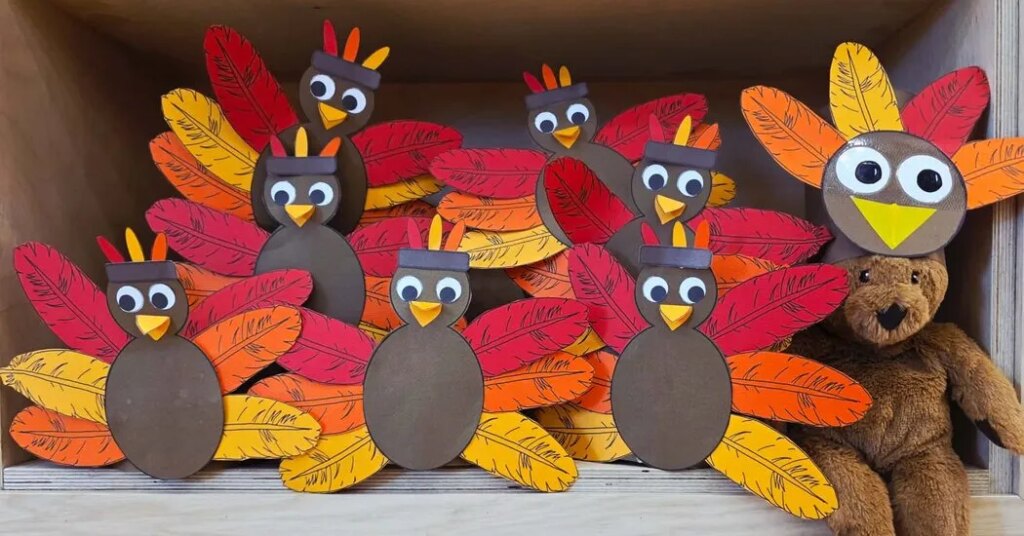
The Korean kindergartners at Devin Stites’ school in Dongtan, a town south of Seoul, are easier to feed. Before an annual Thanksgiving lunch on Friday, students and teachers will make paper turkey hats and say what they are thankful for.
The event supplements the students’ English-language education, said Mr. Stites, an American educator from Iowa.
“We put on the Macy’s Thanksgiving Day Parade and a few minutes of a football game and say this is traditionally what we do in America,” he said. “It’s become something the kids look forward to.”
As my colleagues and I interviewed people around the world this week about their Friendsgiving feasts, I thought back to my experience in Tokyo.
There were no turkeys to be had that year because a bird flu outbreak had devastated Japan’s domestic and overseas poultry suppliers. So I desperately roamed my neighborhood grocery stores looking for birds of any kind.
I eventually found salvation in a halal store, where I bought two medium-sized chickens for less than $10.
The birds were small enough to fit in the countertop oven I had bought for the occasion. (I purchased it online during a Black Friday sale; perhaps some fall American traditions translate better than others.) I carved them up for 12 friends who crammed onto the sofa, the bed and the floor of my closet-sized apartment, balancing full plates on their knees.
I don’t remember anyone complaining about the marshmallows. And by the end of the night, the sweet potato casserole was gone.
Jonathan Wolfe contributed reporting from London, and Ali Watkins from Belfast, Northern Ireland.
The post Think Thanksgiving Prep Is Hard? Try Doing It Abroad. appeared first on New York Times.