The longstanding mortality gap between Black and white Americans has narrowed significantly in recent decades, a new study found, driven primarily by declining death rates from cancer, heart disease and H.I.V. among Black Americans.
Black Americans still die prematurely at higher rates than white Americans. But the report highlights dramatic improvements in preventing and treating some of the life-threatening health conditions that disproportionately affect Black Americans. The findings also reflect the long-term impact of the significant decline in tobacco use among Black Americans.
“We’re in a much better place now,” said Hyuna Sung, lead author of the American Cancer Society report, which was published Monday in the journal Annals of Internal Medicine. “This tells us that these gaps are not inevitable.”
The study looked at a metric known as excess death rates, an age-adjusted measure of how many more Black people than white people died in a given time frame. Among Black men, the excess death rate fell by more than half from 1993 through 2023. For Black women, it fell by nearly 70 percent.
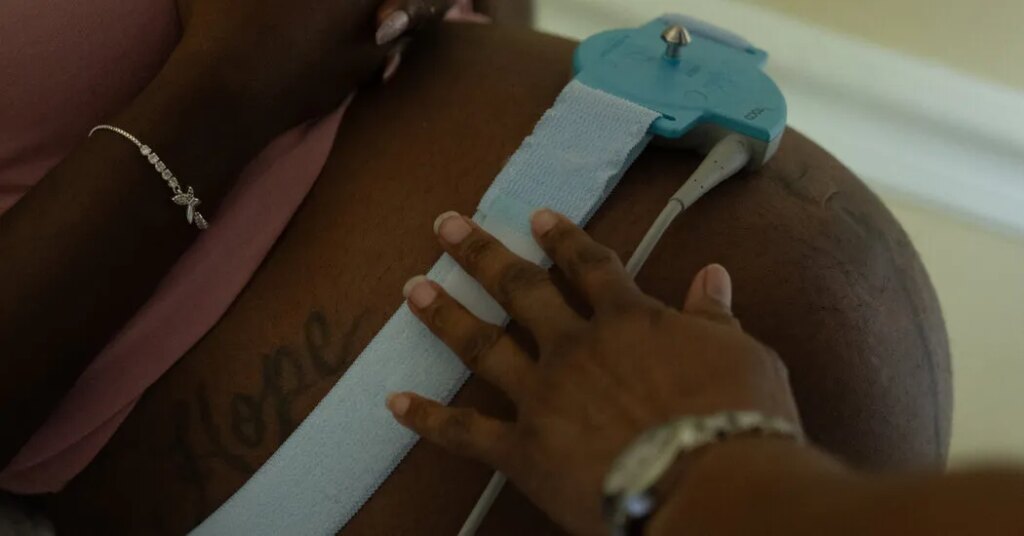
At the same time, the researchers, who looked at 24 different causes of death, found that racial disparities persisted or worsened for certain causes. Those included maternal mortality for women, homicides and strokes for men, and kidney disease for both men and women. For a few conditions, including suicide, rising death rates among white Americans also contributed to the narrowing of the gap.
But overall, “this is a positive story,” Dr. Sung said.
The study highlights the progress made in the decades since a landmark document known as the Heckler Report identified glaring racial health disparities in the United States. The 1985 report, commissioned by the health secretary at the time, Margaret Heckler, found that there were 60,000 deaths a year among Americans from racial minority groups that would not have occurred if they had similar death rates to white Americans.
The report, which Ms. Heckler called “an affront” to American ideals, was released just as the Reagan administration was making deep cuts to Medicaid and other social programs. It drew extensive media attention at the time and led to the establishment of the federal Office of Minority Health.
The new study identified gains made since then in a few key areas, including cancer-related deaths among Black men, which were the leading driver of excess deaths in 1993. By 2023, cancer had dropped to the sixth leading cause of excess deaths among Black men.
Dr. Sung said that a steep decline in smoking rates, after intensive public health education and anti-smoking initiatives, led to fewer instances of lung cancer in the Black community. Taxation policies that raised tobacco prices also played a role, she said.
The disparity in deaths from H.I.V., which was ravaging Black communities in the 1990s, also narrowed significantly over the 30-year period, the study found. Improved treatments contributed to that decline, as did public health programs that tracked transmissions and promoted early diagnosis and care.
“This makes the case for long-term prevention efforts that reach a broad population, like cancer screening, smoking cessation and H.I.V. testing and treatment,” Dr. Sung said.
Still, there’s more work to be done to address the mortality gap between Black and white Americans, experts said. The rate of progress has slowed since 2010, a trend that experts attributed to an increase in the prevalence of obesity, which has more drastically affected Black patients, and to a sharp increase in homicides that rose further during the Covid pandemic. The pandemic itself widened the overall death gap in 2020, before subsiding.
Heart disease continues to be a leading cause of death in both Black and white patients, the study showed. There has been little progress made toward reducing strokes, kidney disease, high blood pressure and diabetes, a cluster of diseases that significantly contribute to excess deaths among Black individuals.
And despite progress on cancer overall, Black men still are much more likely to die of prostate cancer than white men, and Black women die of breast cancer and uterine cancers at higher rates than white women.
“The basic finding here is indisputable: Mortality rates for Black Americans have definitely fallen,” said Dr. Steven Woolf, a professor of family medicine and population health at Virginia Commonwealth University. But he also pointed out that white Americans are no longer healthier than other racial groups, like Hispanic Americans and Asian Americans.
“When you focus only on the white population, it understates how bad things are in the Black population,” he said. “White Americans are not doing well healthwise.”
He and other public health experts warned that the Trump administration’s widespread cuts to Medicaid, the Affordable Care Act and public health programs, like those to address H.I.V., could threaten the progress, as could restrictions on funding for research on racial health disparities.
“What will these numbers look like when we get beyond 2023 and into the current period?” Dr. Woolf asked. “Are we going to see a reversal of the progress we’ve achieved in narrowing the gap? These are burning questions for people who work in the field.”
The post The Mortality Gap Between Black and White Americans Is Shrinking appeared first on New York Times.