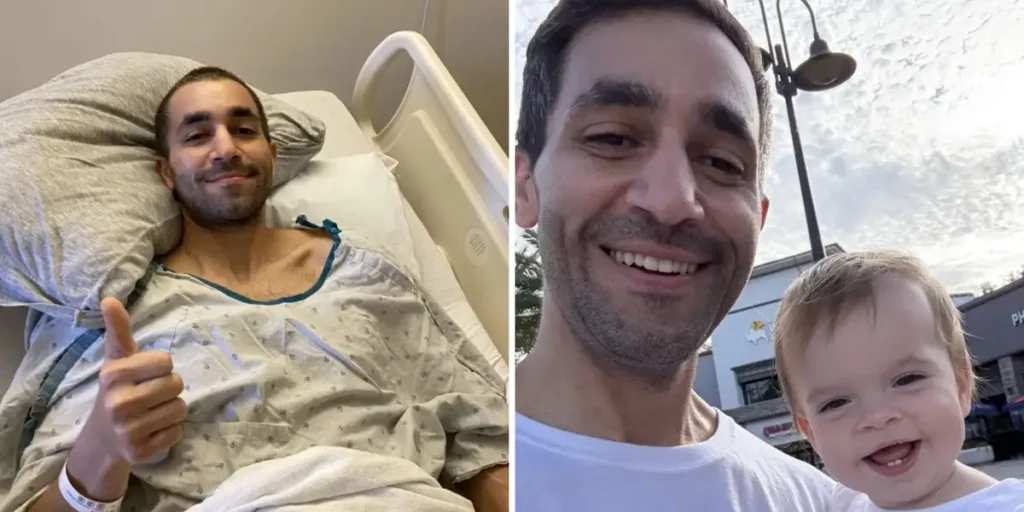
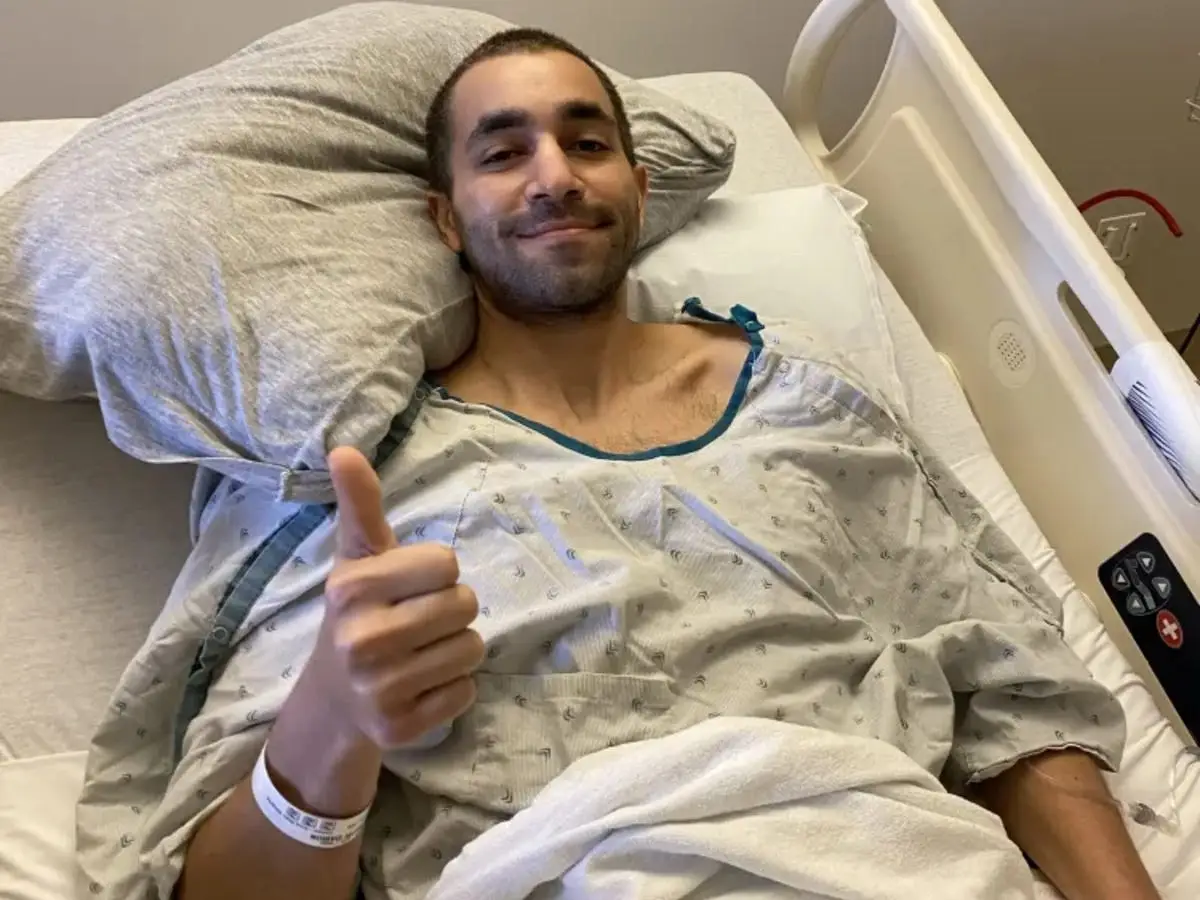
Joe Faratzis was a healthy, active 29-year-old when he started to notice a tiny pain in his stomach that wouldn’t go away.
In the mornings, getting dressed for his job as a TMZ producer, he felt a little pinch on his lower right side. Over more than a decade in media, he had seen headlines about young cancer diagnoses, including patients in their 30s or younger.
He never considered he might become one of them.
“I was feeling good, working full time, and started to notice very subtle issues,” he told Business Insider. “I never thought it was going to be anything super serious. “
When the pain persisted for four months, accompanied by alarming symptoms like rectal bleeding, Faratzis underwent a colonoscopy that found a large tumor. He was diagnosed with stage 4 colorectal cancer.
That was in 2019. After extensive treatments, including chemo and radiation, the cancer seemed to recede. About a year ago, another large tumor appeared.
Now 36, Faratzis is facing intensive measures to fight the cancer, including a life-altering surgery, and an uncertain future as a single dad of a two-and-a-half-year-old daughter.
“I feel like I’m kind of in limbo right now,” he said. “My life is between going to the hospital and trying to be there for my kid as much as possible, not miss out on things in her life, and keep my head on straight while all this is going on.”
He shared the subtle symptoms that led up to his diagnosis, the challenges of treatment, and what everyone — especially young people — should know about cancer risk.
Spotting subtle signs of colon cancer
Faratzis said he noticed symptoms around January 2019, four months before he was diagnosed. At the time, he was busy but generally full of energy, working out at the gym five days a week and focused on his career.
The main symptom was a little abdominal pain when he bent over to tie his shoes.
Once in a while, he noticed a bit of blood after using the bathroom. Rectal bleeding is one of the biggest warning signs of colon cancer, particularly in young people. He assumed it was hemorrhoids, a common and typically not dangerous explanation for the bleeding.
When his doctor ordered a CT scan, Faratzis opted to skip it, concerned about spending hundreds of dollars on a diagnostic when he felt otherwise healthy.
“I always kicked myself thinking, ‘Man, where would I be at now if I had just done that?’” he said.
Faratzis said the turning point came when, one night at home relaxing on the couch, he passed gas and suddenly noticed a lot of blood.
“I instantly knew something was really, really wrong,” he said.
Soon after, a colonoscopy confirmed there was a mass in his rectum. Follow-up testing found that the cancer had spread to his liver and both lungs.
Fighting a recurring case of cancer
Faratzis said his initial treatment was difficult, with aggressive chemotherapy, radiation, and surgery.
The most challenging procedure was a temporary ileostomy, which reroutes the digestive system, directing waste into a medical bag worn on the patient’s abdomen.
He documented the process on social media to address the stigma, discomfort, and anxiety surrounding it.
“I was going to be as blunt as possible and show the reality of a young dude going through cancer that’s an embarrassing cancer to even talk about,” Faratzis said.
There were multiple complications, including a collapsed lung and kidney issues that required dialysis. But in 2023, scans came back clear: no evidence of lingering cancer.
Then last year, Faratzis started to notice blood after using the bathroom again. Testing revealed a large tumor in almost the same location as the initial diagnosis.
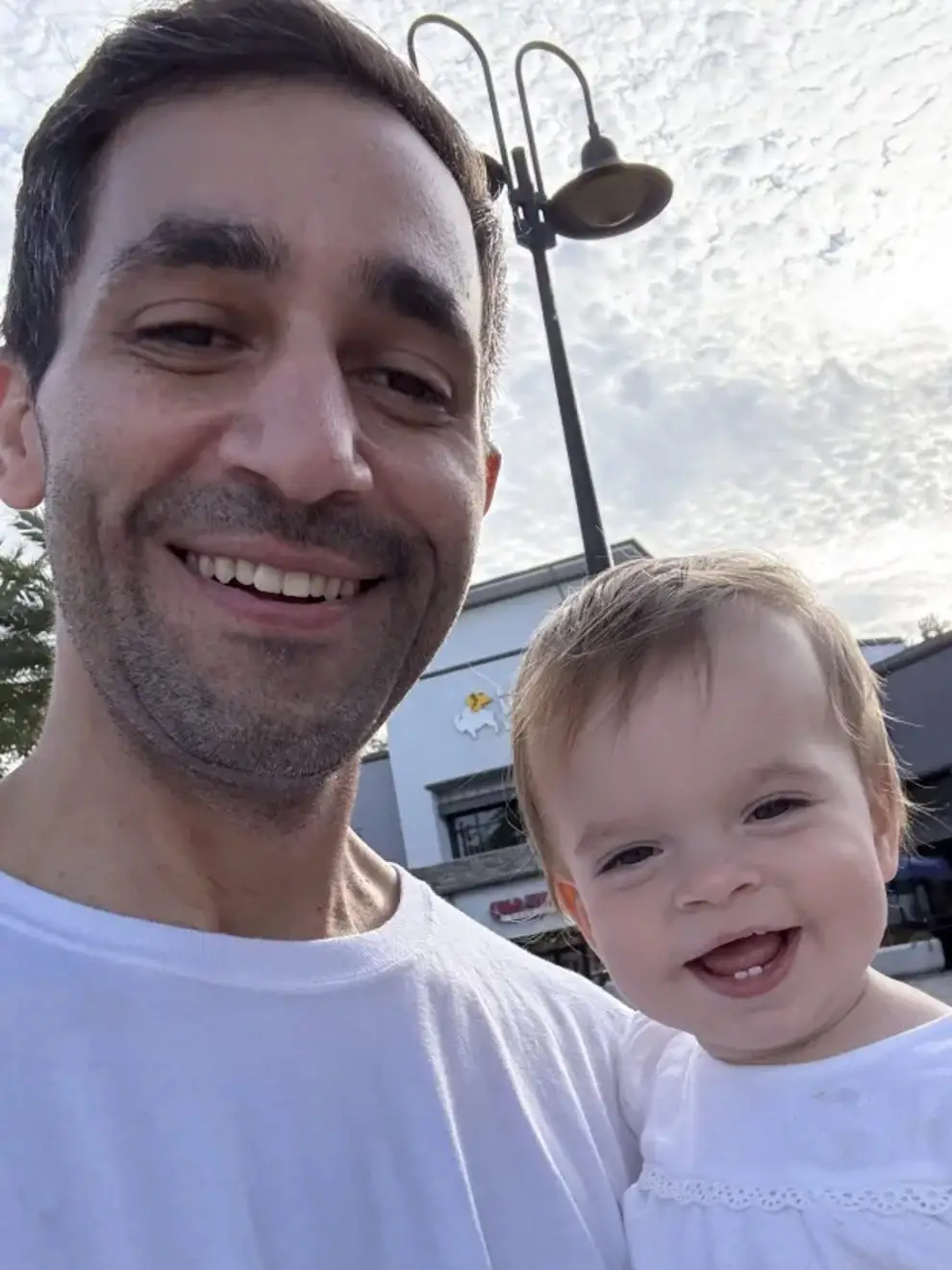
Faratzis felt like he needed to start all over again, this time as a single dad of daughter Cameryn, now two years old.
Between hospital visits and freelancing, every free moment goes toward taking her to pumpkin patches, going to the park or on scooter rides, or one of her favorite activities, playing doctor at home.
“My life really right now is focused on my daughter, spending as much quality time with her as I possibly can.”
After the recurrence was diagnosed in October 2025, Faratzis moved from Los Angeles to Orange County and transitioned his medical care to City of Hope Hospital to consider his options.
The recommended treatment is a major surgery called a total pelvic exenteration: removing the rectum, anus, bladder, and prostate, with lasting side effects to sexual function and a permanent need for a colostomy and urostomy bag.
It feels like an impossible choice, Faratzis said. The surgery could buy him more time with his daughter, but would leave him with “a body that I don’t even know that I would recognize anymore,” he said.
For now, he is undergoing conventional treatments as well as an experimental immunotherapy, available via an FDA program that allows people to try unapproved drugs if they have a life-threatening condition.
He’s also partnering with the Colorectal Cancer Alliance, a nonprofit focused on research, patient support, and advocacy. On November 14, he shared his story at the organization’s biggest event of the year, the Blue Hope Bash in Washington, D.C.
The hope is that people will start paying attention to the rising rates of early-onset cancers. Colorectal cancer has become the leading cause of cancer-related death in people under 50, often because symptoms go unnoticed until the disease has spread.
“If I can give a little bit of my story to maybe give somebody that nudge to go to the doctor, I think it’s really fulfilling,” Faratzis said.
Read the original article on Business Insider
The post He was 29 and hitting the gym 5 days a week. A tiny stomach pain turned out to be stage 4 cancer. appeared first on Business Insider.