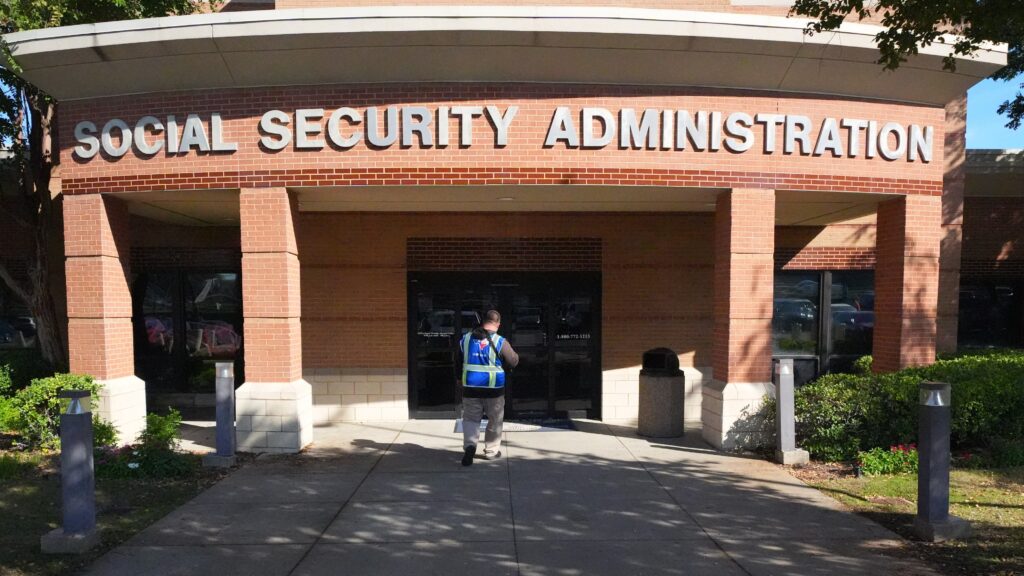
The Social Security Administration has sent letters to hundreds of thousands of legal immigrants receiving Medicare benefits informing them that their coverage will be terminated despite years of paying into the federal health insurance program.
Older, disabled noncitizens who have been in the United States for years and those with end-stage renal disease affecting their kidneys are among an estimated 300,000 immigrants who stand to lose access under new restrictions imposed by H.R. 1, or the One Big Beautiful Bill Act, in 2027. The group includes refugees, asylum grantees, those with temporary protected status and trafficking victims who met work history qualifications for the benefit.
“A review of our records shows you may no longer qualify for Medicare due to a change in the law,” the letters say, according to a redacted copy obtained by The Washington Post.
Supporters of the law — passed by congressional Republicans on a party-line vote in July 2025 — say the changes are necessary to protect the integrity of the program and to ensure benefits for U.S. citizens. But advocates for immigrants fear the measure will have dire consequences for communities and states with large populations of lawfully present immigrants, many of whom are over 65 and waiting for green cards that provide permanent legal status.
“This is the first time in Medicare’s history that the government has stripped coverage from enrollees,” said Tiffany Huyenh-Cho, California director for Justice in Aging, an advocacy group. “It is breaking Medicare’s promise that if you pay your taxes, you can rely on Medicare in retirement and disability.”
The Social Security Administration did not immediately respond to a request for comment.
The cuts are part of broader federal restrictions excluding legal immigrants from Medicaid coverage and Affordable Care Act subsidies. Unauthorized immigrants have never qualified for those benefits.
The move also follows months of efforts by the Trump administration to strip legal status from millions of immigrants, including those granted humanitarian protections, and attempt to deport many of them.
The new measures limit Medicare eligibility to four groups of people: U.S. citizens and nationals, lawful permanent residents, some Cuban and Haitian entrants, and migrants from specific countries under treaty.
Brian Blase, a former Trump White House adviser who founded the conservative think tank Paragon Health Institute, said federal programs should serve those for whom they were designed.
“Under the OBBB, immigrants who are not permanent residents, like visa holders or those seeking asylum, can still purchase insurance on the ACA exchanges, but some will no longer receive taxpayer subsidies,” he said in a statement.
The group that stands to lose Medicare eligibility is not made up of recent border crossers or asylum seekers, analysts said. Rather, they are mostly asylum grantees and refugees vetted and approved by the federal government who have been living and working in the U.S. for at least a decade.
They have paid more than $6 billion into the program, according to federal data estimates.
Medicare and Social Security experts said a large number of them have been approved for green cards but have yet to receive them because of processing delays caused by Trump administration policies.
Individual states, already facing budget shortfalls due to dwindling federal funds, might attempt to backfill coverage gaps, analysts said. But the loss of coverage means there will be a ballooning of the uninsured population, and more people will be likely to delay medical care and then seek emergency care.
Both scenarios could spell health care crises for states, the analysts said.
“States can provide lookalike-type programs that try to fill the gaps, but states will be hard-pressed to do that given the fiscal realities and challenges they have. It will be difficult for them to pick up the pieces after the federal government has divested,” said Shelby Gonzales, vice president for immigration policy at the nonpartisan Center on Budget and Policy Priorities.
“There are severe implications for those who are medically frail and those who have chronic health conditions who need ongoing medical care and treatment,” Gonzales said.
The termination notices could result in life-threatening situations, advocates said. A little-known group of beneficiaries — legal immigrants with end-stage renal disease — have long been eligible for Medicare coverage for dialysis treatments. There is little data available about how many immigrants have qualified for this benefit, analysts said, but without Medicare many will go without dialysis.
Advocates warn that many previously eligible noncitizens might not realize they’ve lost coverage until they attempt to fill a prescription or visit a physician after the Feb. 1 deadline. Social Security Administration records also might not have the most updated information, which could cause naturalized citizens and green-card holders difficulties if they are wrongfully terminated, Gonzales said.
The Medicare termination letters say recipients have the right to appeal the decision by calling a Social Security Administration hotline or uploading documents showing they have adjusted their immigration status.
But advocates fear many will not challenge their termination until after the 30-day window to appeal.
The post 300,000 legal immigrants told they’re losing Medicare coverage appeared first on Washington Post.