William P. Barr served as U.S. attorney general from 1991 to 1993 and from 2019 to 2020. Dan Brouillette served as U.S. energy secretary from 2019 to 2021. Their firm’s clients include energy companies.
The government’s impotence on critical infrastructure projects is a global embarrassment. In the 20th century, it took about 35 years to build roughly 40,000 miles of highways that spanned the continent, linking nearly every major population center. By contrast, 18 years after Californians approved a 494-mile high-speed rail line between San Francisco and Los Angeles, and nearly $15 billion later, the state hasn’t laid a single track. The country once built a national transportation system in roughly twice the time it now takes to permit, litigate and partially construct one rail line through part of a state.
That dysfunction, a product of bad regulation, is what the Senate vowed to fix by passing a bipartisan permitting reform bill last week. The chamber recognized a disastrous quirk of the legal ecosystem: that major projects don’t receive a comprehensive “one-and-done” approval. Since the 1970s, environmental, land-use and other laws have fragmented authority among multiple federal, state and local agencies. Sponsors have had to secure myriad permits, often through overlapping and sequential reviews. Every consequential decision has been subject to further evaluation and judicial challenge, with no single institution clearly responsible for completion.
Such fragmentation has invited strategic abuse. Opponents who lost the debate about whether a project should be built could still stop it by attacking specific permits and agency decisions, reopening the same questions in different forums. Even unsuccessful claims can force remands, more studies and delays, driving up costs and causing investors to abandon a project.
These tactics have been especially alive in the energy sector, where activists have made gas pipelines a principal target. America’s abundant resources mean little unless they can reach the cities, industries and power plants that need them. Interstate pipelines allow for exactly that, enriching constrained markets, particularly in the Northeast and Southeast. Blocking those arteries raises prices and can impede the replacement of coal-fired plants with cleaner alternatives.
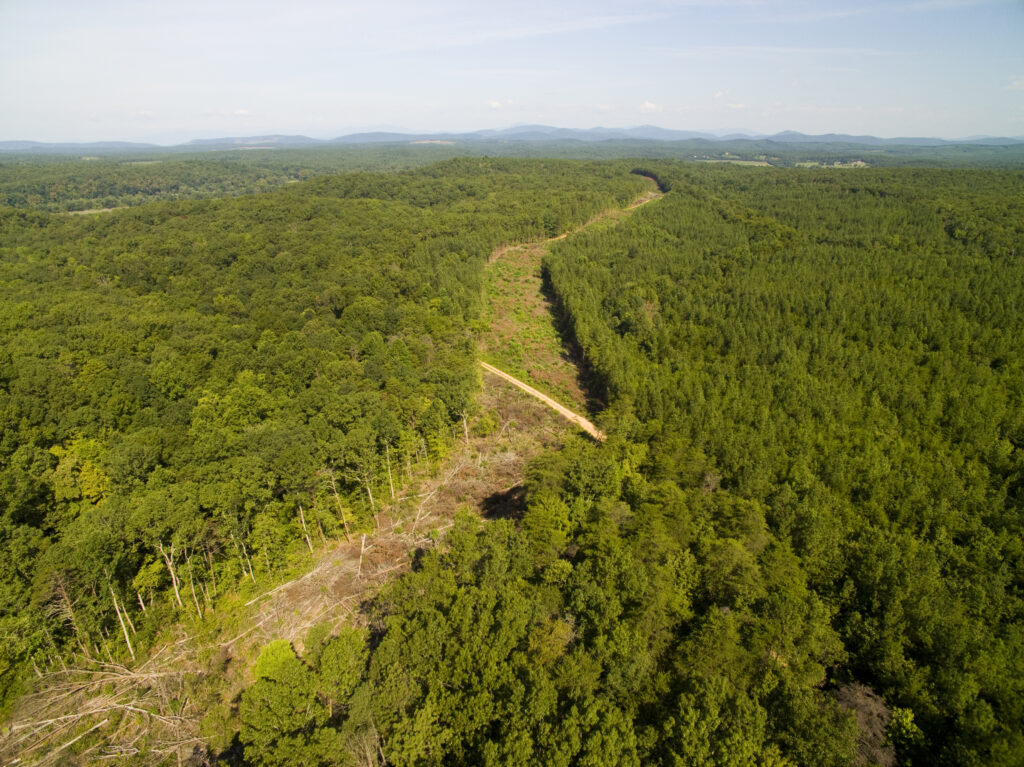
Consider the Atlantic Coast Pipeline. Thanks to advances in drilling, producers unlocked enormous supplies of low-cost Appalachian gas from the Marcellus and Utica shales. In September 2014, a constellation of firms proposed a 550-mile pipeline to carry it through Virginia into North Carolina, which needed additional fuel to replace retiring coal plants and to serve growing demand. The Federal Energy Regulatory Commission approved it in 2017 after extensive environmental review, but opponents attacked permit after permit. The campaign succeeded through attrition. By July 2020, projected costs had risen from roughly $5 billion to $8 billion and completion had slipped by at least three years. The utilities abandoned the project, citing legal uncertainty.
Where Atlantic Coast was worn down on many fronts, opponents now need to abuse only one statute: Section 401 of the Clean Water Act. The provision gives states a limited role in certifying that federally approved projects comply with water-quality requirements. It requires action within one year, but some states have sought to turn the review into a pocket veto. They declare applications incomplete, demand additional material and refuse to acknowledge that the statutory clock has begun.
The Constitution Pipeline illustrates these tactics. The proposed 125-mile project would carry enough gas from Pennsylvania to Northeastern markets to serve roughly 3 million homes, reducing consumers’ energy costs by an estimated $8.5 billion over 15 years. FERC approved it in 2014, and New York prolonged its Section 401 review through withdrawal and resubmission before denying certification in 2016. After years of regulatory combat, the sponsors abandoned the project in 2020. Though the project was revived five years later, the same playbook has returned and the dispute continues.
Congress has talked about reform for ages and finally gotten wise. Enter the Bipartisan American Affordability and Jobs Act (BAAJA) of 2026, which the Senate passed, 62-33, on Nov. 19. It includes provisions essential to fixing the weaponization of the environmental review and permitting processes. It would, for example, prevent abuse of Section 401 reviews for interstate transmission lines and natural-gas pipelines by confining state evaluation to the direct effects of a project’s discharges into waterways. Challengers would have to bring lawsuits within 150 days of a permit’s publication. It would be harder, moreover, to obtain injunctions and halt projects over National Environmental Policy Act procedural violations. The bill would allow agencies to correct deficiencies on remand while construction generally proceeds.
Republican critics, such as Sen. Mike Rounds, have argued that the bill attacks states’ rights. “South Dakota landowners deserve to negotiate with stakeholders at the state and local level,” he wrote earlier this month. Yet the underlying reforms don’t offend federalism. Interstate infrastructure is the very commerce the Constitution commits to federal authority. No state should hold a veto over arteries that serve many others.
Other critics in the legal community worry that potential loopholes could allow a project’s opponents to circumvent restrictions on injunctions and other remedies. They also fear that the broader framework of judicial review could still create jurisdictional uncertainty and prolong litigation. Yet this conjures the worst possible scenarios for how the courts will interpret the text as an excuse for inaction.
There is no perfect bill, and there is never perfect certainty that a good bill will be implemented. That shouldn’t negate the obvious: The bill’s substantial reforms would be monumental improvements on the status quo. The proposal establishes enforceable agency deadlines, narrows the scope of federal environmental reviews, limits disruptive judicial remedies, strengthens accountability for permitting decisions and creates greater certainty for developers.
This lame-duck period offers a limited window to pass the compromise before the next Congress likely kills it. The House therefore ought to remember: Environmental protection doesn’t require paralyzing the nation’s capacity to build, and a nation that can’t construct the infrastructure on which its prosperity and security depend cannot remain prosperous or secure.
The Senate did its job. Now do yours.
The post The great national permitting embarrassment nears its rightful end appeared first on Washington Post.