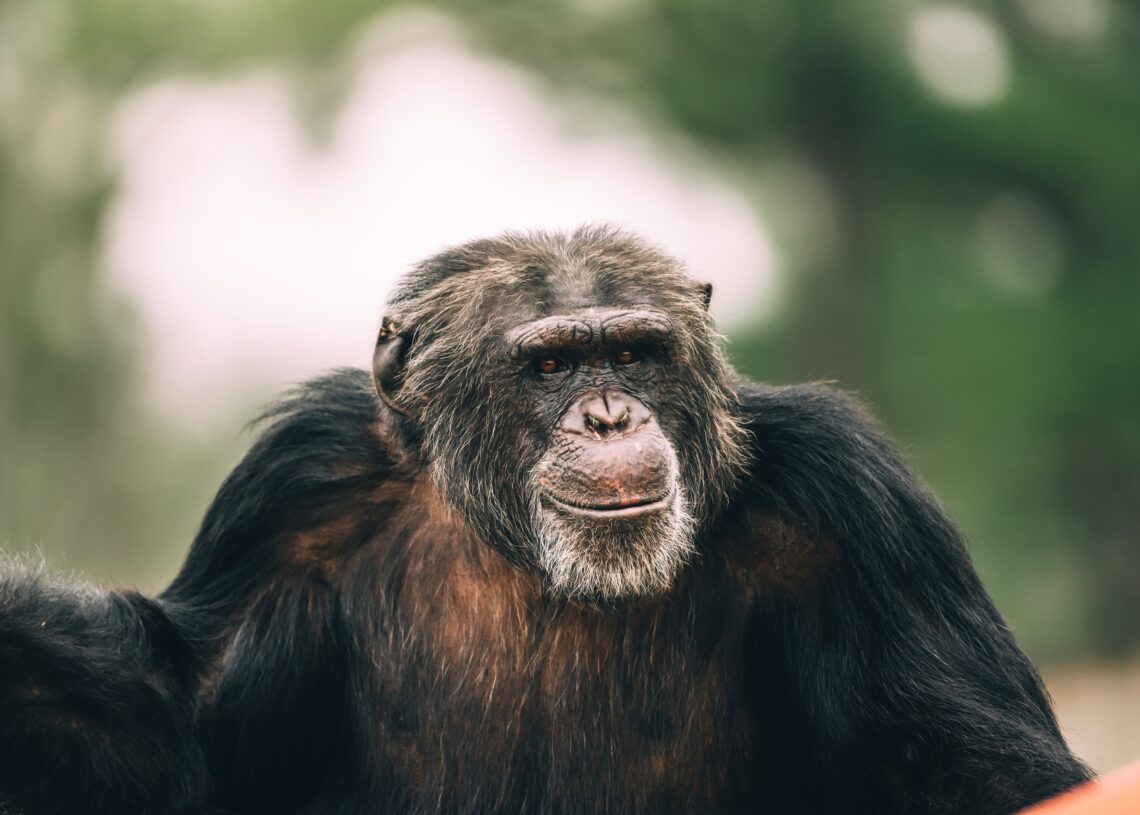
After more than a decade, the call to free the last of the government’s lab chimpanzees has been answered.
This week, the National Institutes of Health announced that it is releasing its final group of research chimps to a 200-acre forested federal sanctuary in Keithville, Louisiana. Next year, the 33 primates will relocate from the Keeling Center for Comparative Medicine and Research in Texas to Chimp Haven, home of more than 250 chimps owned or supported by the NIH.
“We believe that chimpanzees should have the opportunity to engage in natural behaviors like you would see in the wild, so that includes climbing trees, foraging for different food items and interacting with other chimpanzees,” said Rana Smith, the sanctuary’s president and chief executive officer, whose residents range in age from 9 to almost 67 years old.
Chimp Haven, a retirement home with five-star amenities, last received 21 chimps from the Alamogordo Primate Facility in New Mexico in 2025, a decade after the government banned invasive testing on the endangered species. Before the ruling, Kathleen Conlee, vice president of animal research issues for Humane World for Animals, said the agency used the great apes in biomedical research, such as studies on AIDS and other infectious diseases.
The NIH has not yet disclosed the names, genders or ages of the chimps, but Smith said her staff has a full roster of activities planned for the newest members of the tribe, such as violin concerts, food puzzles and film screenings.
“We have chimps that enjoy watching movies,” she said. “They love Bollywood movies and musicals.”
The post The NIH is releasing the last chimpanzees used for lab testing appeared first on Washington Post.