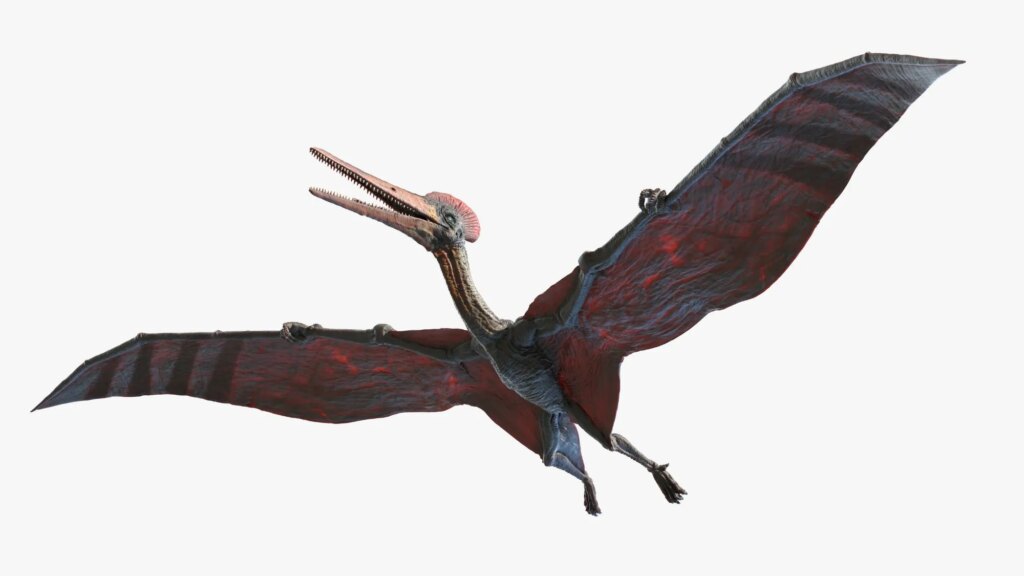
If you’ve been on social media within the last week, you’ve probably seen videos of what appear to be pterodactyls flying all over Mexico, and more specifically, Ciudad Juárez. If you’re like me, you most likely assumed the videos were AI. But what if I told you the science behind real pterodactyls almost guarantees those viral videos aren’t real?
First, let’s acknowledge the elephant (pterodactyl?) in the room: the term “pterodactyl” isn’t a catchall name for every dinosaur that happened to fly. The larger group is called pterosaurs, and Pterodactylus was just one genus. They were about duck-sized when fully grown, so they weren’t the gigantic creatures you probably picture when you hear the word.
A Pteranodon fits the image in your head way better. The Field Museum displays models with 18-foot wingspans. And no, they didn’t have teeth, so if you imagined them with terrifying chompers, you’re thinking of a different kind of dinosaur.
Are Those Viral ‘Pterodactyl’ Videos From Mexico Real? Here’s What Science Says.
Things get interesting in those Mexico videos when you look at the birds’ wings. Real-life dinos had flexible membranes supported by an absurdly long “fourth finger.” Fossils have also been found with hair-like structures called pycnofibers, meaning at least some pterosaurs were fuzzy. The naked, leather-like birds you’ve seen in the movies (or those viral videos) aren’t scientifically accurate, sadly.
Much of what we know about real pterosaurs doesn’t match what those viral videos from Mexico show. Combine that with the timeline issues—pterosaurs disappeared approximately 66 million years ago—and you’ve got what looks and smells like a classic internet hoax.
So yeah, if dinosaurs ever return to Earth, don’t expect them to look like what you’ve seen in Jurassic Park. Expect something way more terrifying.
The post What Did Pterodactyls Actually Look Like? Here’s What the Viral Mexico Videos Got Wrong. appeared first on VICE.