After two weeks in France transforming a small, unfinished room into a cozy, medieval chamber, my 15-year-old daughter reached a very clear conclusion: “finition” was not really her jam. From everything she experienced, that was probably the most valuable thing she learned.
We were there as a result of a new sister-city relationship between my hometown and Rueil-Malmaison, a suburb of Paris. I had visited the Centre de Formation d’Apprentis, a technical school where I was impressed by the scope of a program that translated to English as “interior painting” but is better captured by its French title, “finition.”
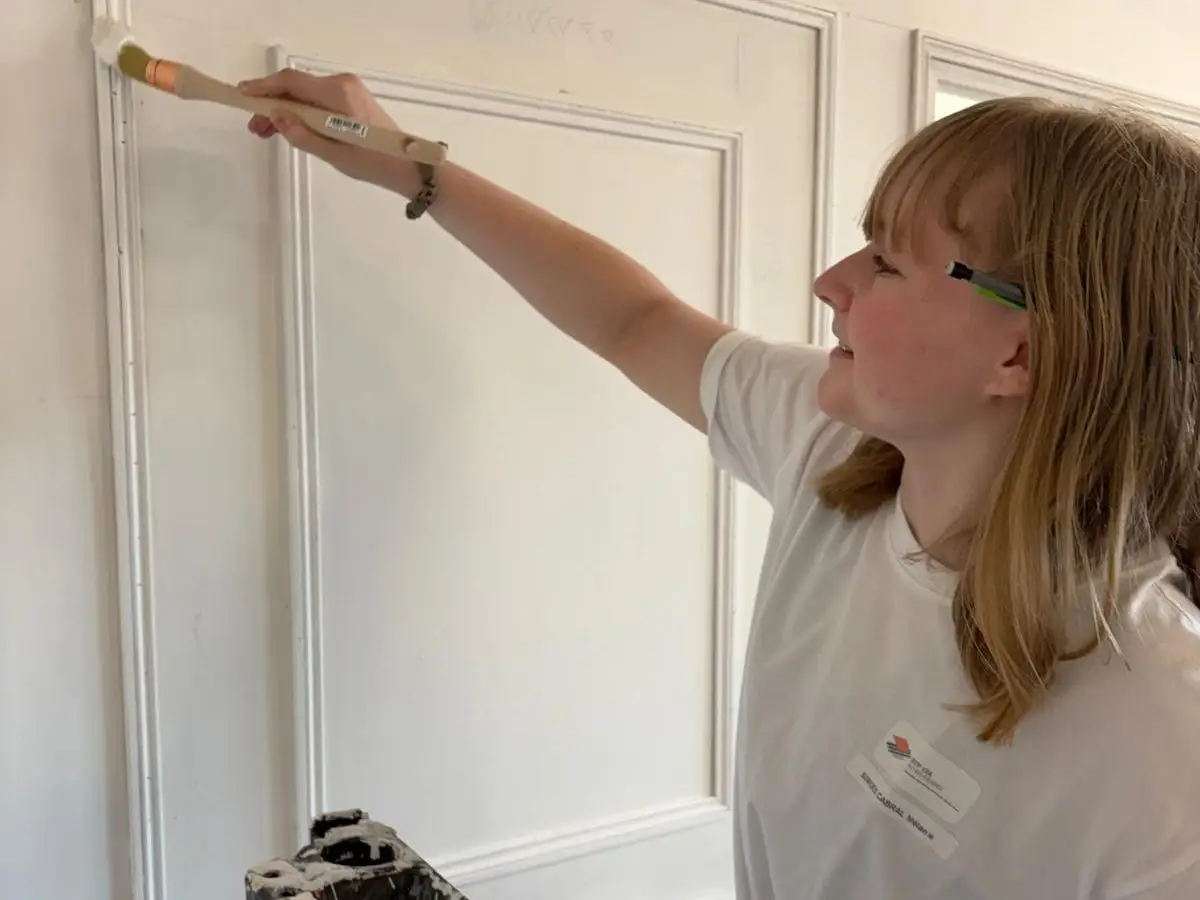
This work essentially involves nearly everything required to make a space livable: painting, drywall finishing, flooring, decorative finishes, and interior design. It was the artistic element in particular that I thought would appeal to my daughter. So when the director of the school described the youth work-based learning experiences they host, a “short-term apprenticeship,” as he called it, and suggested my daughter participate, I jumped at the chance.
She had an amazing experience
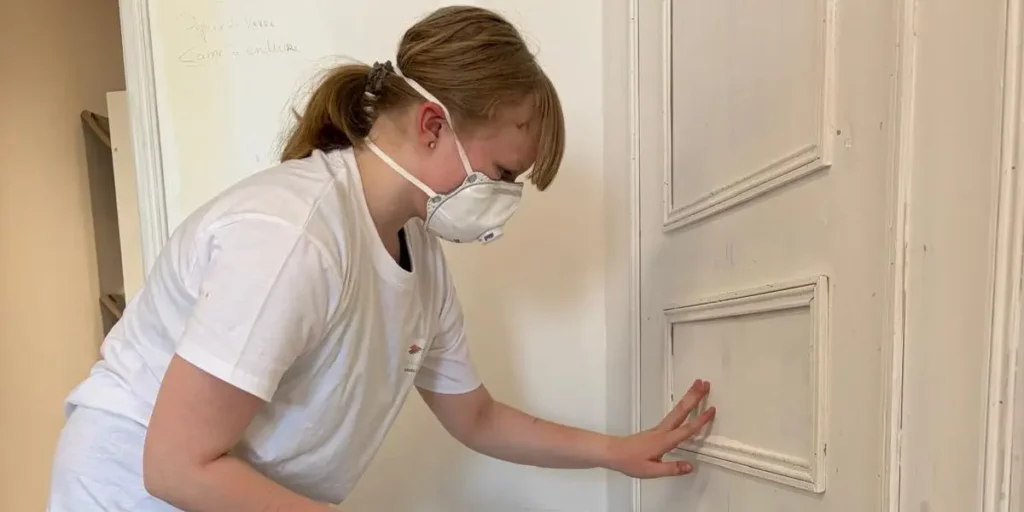
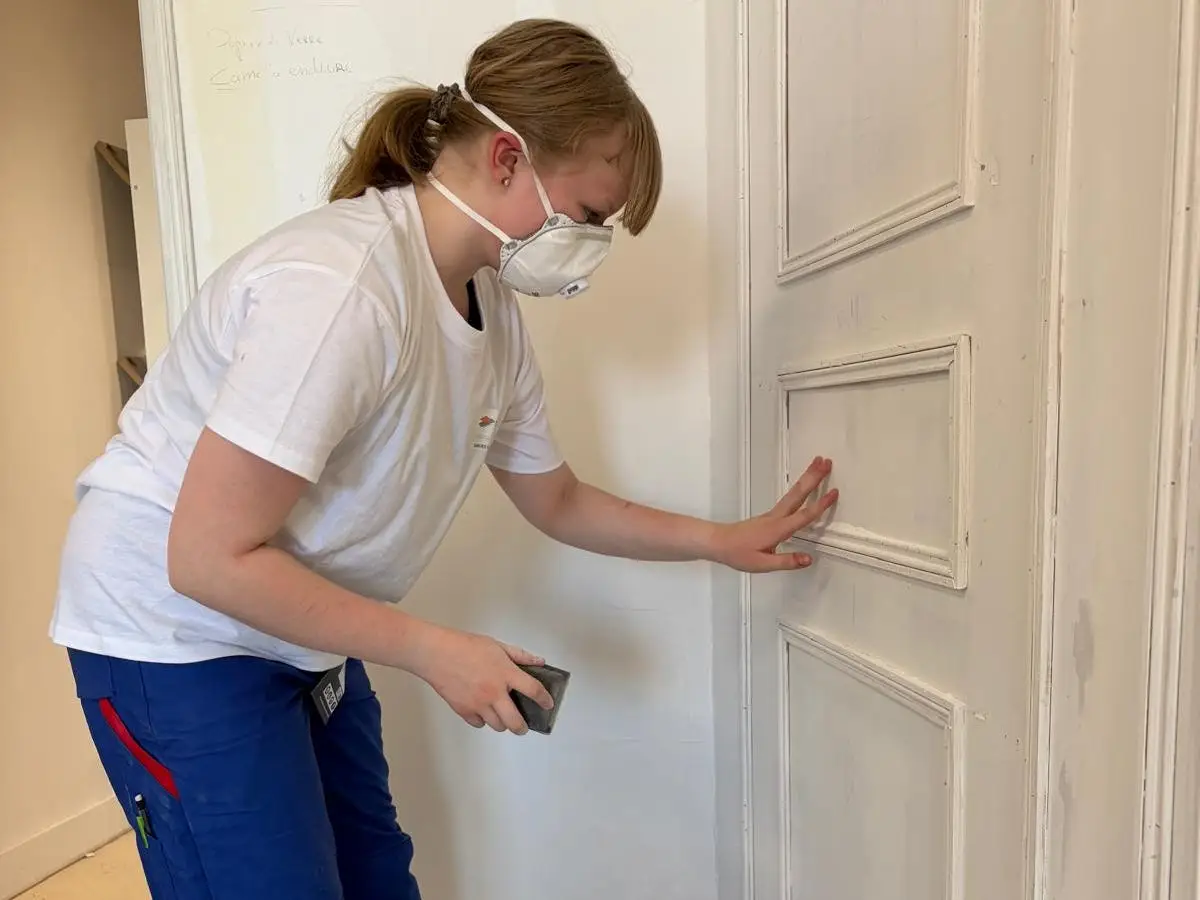
I loved watching her meet the challenges of working in a professional setting alongside experienced tradespeople while immersing herself in a foreign language for which she had only high school classroom experience. I saw her create faux-stone walls, help lay flooring, decorate and install candelabras, and even mount a small angel statuette above the window. She got exposure to the reality of professional work and a first understanding of professional standards.
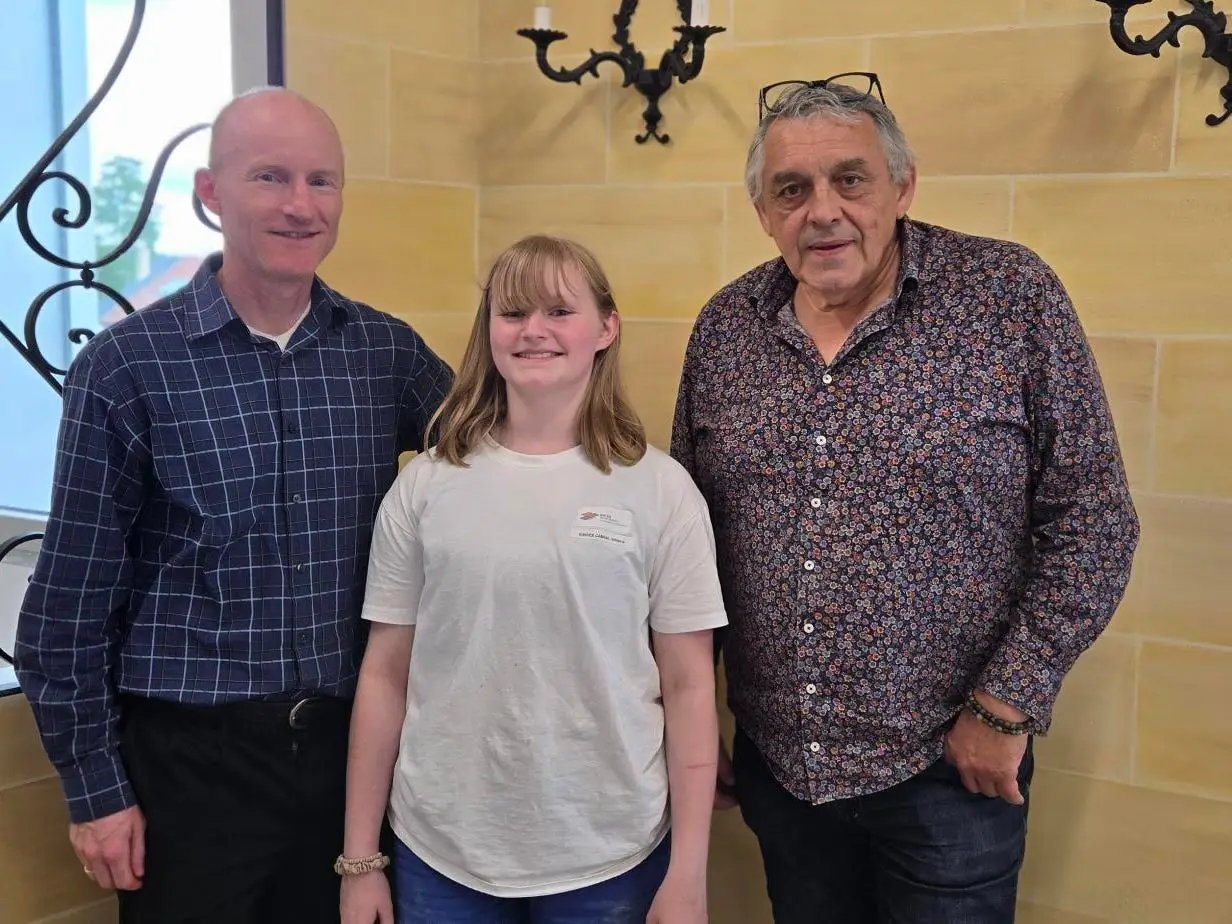
And despite the amazing experience she had, she realized this was not her future.
Her conclusion made me think about how we usually ask young people to make career decisions in the US. We often ask them to choose first and experience later. But young people discover work by working, not simply by choosing a career path before they have had a meaningful opportunity to experience it. My daughter hadn’t approached this apprenticeship as a gateway to a career but rather as an opportunity to try something out.
We sometimes think of apprenticeships too narrowly, both in scope and purpose. This program was so much more than “interior painting.” The program leader spends hours teaching students to understand the history and context behind the work they’re doing. He teaches them how to pay attention to detail. He teaches them not to shy away from making mistakes and learning from them. He teaches them to take pride in producing quality work. In his classroom, technical education and the humanities aren’t competing ideas, but part of the same education.
She learned what she doesn’t want to do
We often think of the successful outcome of work-based learning as confirmation: a young person discovers a field and decides to pursue it. But disconfirmation can be just as valuable. Learning at age 15 that a career is not a good fit is far less costly than learning it after years of education and thousands of dollars of investment.
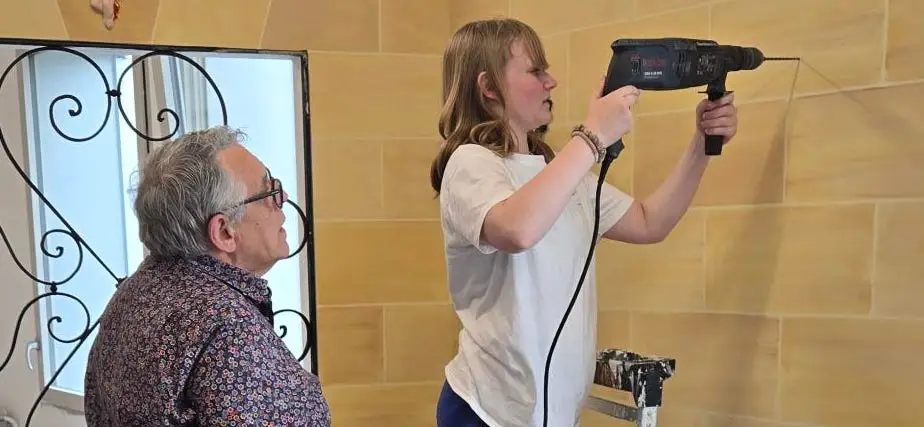
Obviously, sending a 15-year-old to France for two weeks is not a realistic model for career exploration, nor should it have to be. The lesson I brought home was practically the opposite: young people should have access to meaningful, low-stakes encounters with real work much closer to home.
Those experiences do not need to be international or even particularly long, but they should be substantive enough for young people to encounter the actual work and the professionals who do it. They should be an integral part of how young people explore their options rather than something they encounter only after they have already chosen a major, credential, or career.
My daughter now knows one thing she probably won’t be doing professionally, but she also knows what it feels like to enter a workplace, learn alongside experienced professionals, make and correct mistakes, and produce something that meets someone else’s high standard of quality. She’ll be able to draw on that experience for the rest of her life, regardless of what she ends up doing for a living.
She could never have learned whether that work suited her from a college course or career-interest inventory. She had to experience it. More young people should have the chance to discover what fits and, just as importantly, what does not, before we ask them to commit to a future they have only imagined.
Read the original article on Business Insider
The post My 15-year-old spent 2 weeks working as an apprentice in France. She learned what she doesn’t want to do for a living. appeared first on Business Insider.